Every year on November 29, people around the world observe the International Day of Solidarity with the Palestinian People. It is a day dedicated to recognising the rights, history, struggles and aspirations of Palestinians. It also encourages the international community to pay attention to the ongoing Palestinian question and the need for a peaceful and lasting solution.
For many people, this day represents more than an international observance. It is an opportunity to understand the experiences of Palestinian families, the challenges faced by displaced communities and the importance of human rights, dignity and self-determination.
The day also reminds the world that discussions about Palestine are not limited to political decisions or international relations. They involve ordinary people, families, children, cultural identity and the desire to live with security and freedom.
But why is November 29 chosen for this observance? What is its historical background, and why does it continue to matter today?
Let's explore the history, meaning and global importance of Palestine Solidarity Day.
What Is Palestine Solidarity Day?
The International Day of Solidarity with the Palestinian People is an annual United Nations observance held on or around November 29.
It was established to bring international attention to the unresolved question of Palestine and the rights of the Palestinian people.
The observance provides an opportunity for governments, international organisations, civil society groups and individuals to reflect on important issues, including:
The Palestinian people's right to self-determination.
The importance of national independence and sovereignty.
The situation of Palestinian refugees and displaced families.
Access to essential services, education and healthcare.
The protection of human rights and civilian lives.
The need for a just and lasting peace.
The day encourages people to learn about Palestinian history, understand different perspectives and recognise the importance of international efforts towards a peaceful resolution.
Why Is November 29 Important?
November 29 has a specific historical connection to the history of Palestine.
On November 29, 1947, the United Nations General Assembly adopted Resolution 181 (II), commonly known as the Partition Resolution.
The resolution proposed dividing British Mandate Palestine into separate Arab and Jewish states, with Jerusalem placed under a special international regime.
The proposal became an important turning point in the history of the region. Israel was established in 1948, while the proposed Arab state did not come into being as envisaged in the resolution.
Because of this historical connection, November 29 was selected as the date for the International Day of Solidarity with the Palestinian People.
The United Nations General Assembly called for its annual observance through Resolution 32/40 B, adopted on December 2, 1977. The day has been observed annually since 1978.
Important Historical Dates
Year | Historical Event |
1947 | UN General Assembly adopted Resolution 181 (II) |
1948 | Israel was established |
1967 | Israel occupied the West Bank, including East Jerusalem, and Gaza |
1977 | UN adopted Resolution 32/40 B calling for the annual observance |
1978 | Annual observance of Palestine Solidarity Day began |
2005 | UN General Assembly encouraged annual exhibitions or cultural events highlighting Palestinian rights |
These events help explain why November 29 remains an important date in international discussions about Palestine.
History Behind the Palestinian People's Struggle
Understanding Palestine Solidarity Day requires looking beyond the date itself. The history of Palestine involves decades of political developments, displacement, conflict and international diplomatic efforts.
1. The Period Before 1947
Before the establishment of Israel, Palestine was administered under the British Mandate following the First World War.
During this period, the region experienced growing political tensions involving Arab and Jewish communities, competing national aspirations and debates over its future.
The British administration faced increasing difficulties in managing these developments, eventually bringing the question before the United Nations.
2. The 1947 Partition Resolution
In November 1947, the United Nations General Assembly adopted Resolution 181 (II).
It recommended creating two independent states, one Arab and one Jewish, while placing Jerusalem under a special international arrangement.
Although the resolution proposed a political framework, its implementation did not produce the two-state outcome it had envisaged.
3. The 1948 Displacement
The 1948 Arab-Israeli war resulted in the displacement of hundreds of thousands of Palestinians from their homes.
Palestinians refer to this mass displacement and loss of homes as the Nakba, an Arabic word meaning catastrophe.
The experiences of displacement, refugeehood and separation from homes and communities remain central to Palestinian historical memory.
4. The Situation After 1967
The 1967 war brought the West Bank, including East Jerusalem, and Gaza under Israeli occupation.
Since then, the region has experienced repeated conflicts, political tensions, settlement expansion, restrictions and humanitarian difficulties.
These developments continue to shape international discussions about Palestinian rights, security and the future of the region.
Why Palestine Solidarity Day Matters Around the World
Palestine Solidarity Day is important because it gives the international community an opportunity to focus on issues that continue to affect Palestinian lives.
Its importance goes beyond political statements. It encourages awareness, dialogue and attention to the human impact of prolonged conflict.
1. Raising Awareness About Palestinian Rights
One of the main purposes of this observance is to educate people about Palestinian rights.
The United Nations has repeatedly highlighted the Palestinian people's right to self-determination, national independence and sovereignty.
Awareness helps people understand why these rights remain important in international discussions.
2. Recognising the Experiences of Refugees
Displacement is one of the most significant aspects of the Palestinian experience.
Many Palestinian families have lived as refugees across generations. Some remain separated from their original homes and communities.
This day provides an opportunity to recognise their experiences and understand the importance of addressing refugee rights and displacement.
3. Promoting Peace and Human Dignity
The observance also highlights the importance of protecting civilian lives and respecting international humanitarian law.
People affected by conflict need access to basic necessities, including:
Safe drinking water.
Food and essential supplies.
Medical treatment and healthcare.
Education for children.
Safe shelter and protection.
Opportunities to rebuild their lives.
Human dignity should remain central to every discussion about peace and conflict.
4. Encouraging International Cooperation
The Palestinian question has remained an important subject of international diplomacy for decades.
Governments, humanitarian organisations and international institutions continue to discuss possible solutions.
Palestine Solidarity Day encourages international cooperation and renewed attention to efforts aimed at achieving a just and lasting peace.
How Is Palestine Solidarity Day Observed?
The United Nations and various organisations mark this day through educational, cultural and diplomatic activities.
The purpose is to encourage meaningful conversations about Palestinian history, rights and the humanitarian situation.
Common activities include:
1. United Nations Meetings
Special meetings are organised to discuss Palestinian rights, international responsibilities and possibilities for peace.
2. Educational Programmes
Schools, universities and organisations may arrange discussions, presentations and awareness programmes about Palestinian history.
3. Cultural Exhibitions
Art exhibitions, photography displays, films and cultural programmes help people understand Palestinian identity, traditions and experiences.
4. Awareness Campaigns
Human rights organisations and civil society groups use campaigns to highlight humanitarian concerns and encourage public awareness.
5. Peace and Solidarity Events
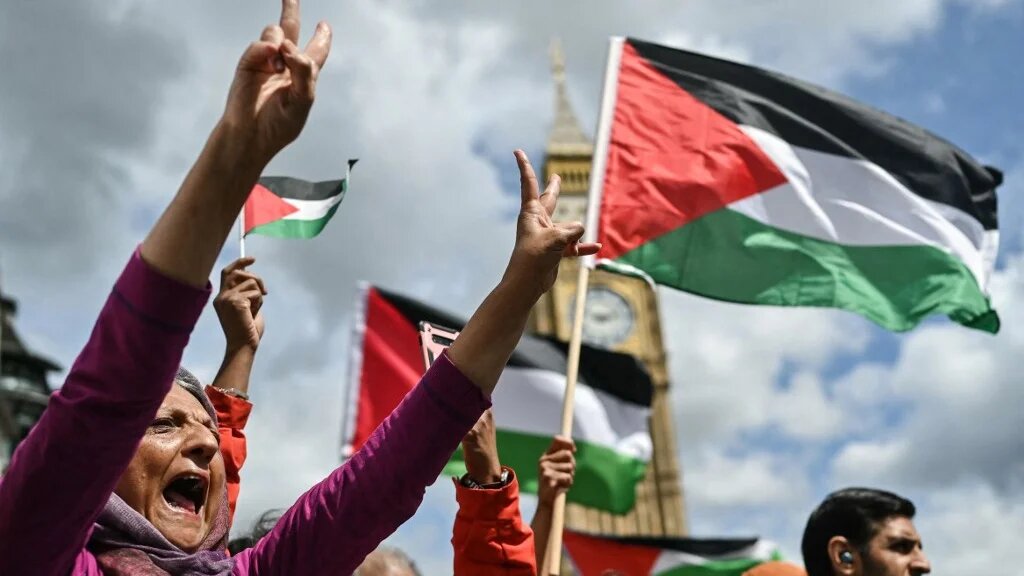
Public gatherings, discussions and peaceful demonstrations may take place in different parts of the world.
Understanding Palestinian Culture and Identity
Palestine is not defined only by political conflict. It also has a rich cultural identity, with traditions, food, music, art and family customs that have been passed down through generations.
Understanding this cultural side is important because it helps people see Palestinian communities beyond the headlines.
Some important aspects of Palestinian culture include:
1. Traditional Embroidery (Tatreez)
Palestinian embroidery is known for its detailed patterns and traditional designs. It represents cultural identity and family heritage.
2. Traditional Food
Dishes such as musakhan, maqluba and knafeh are important parts of Palestinian food culture.
3. Music and Dance
Dabke, a traditional group folk dance, is an important expression of Palestinian cultural celebrations and community identity.
4. Olive Harvesting
Olive trees hold deep cultural and economic significance for many Palestinian families and are closely connected with their relationship to the land.
Major Challenges Faced by Palestinian Communities Today
The importance of Palestine Solidarity Day is also connected to the challenges that Palestinian communities continue to experience.
Some of the major concerns include:
Challenge | Why It Matters |
Displacement | Families may lose their homes and communities |
Healthcare access | Conflict can disrupt hospitals, medicines and medical services |
Education disruption | Children may face interrupted schooling |
Food insecurity | Humanitarian crises can limit access to sufficient food |
Economic difficulties | Restrictions and instability can affect employment and livelihoods |
Safety concerns | Civilians face serious risks during violence and conflict |
These challenges show why humanitarian support, civilian protection and international attention remain essential.
What Can Individuals Do to Support Awareness?
People do not need to be politicians or international representatives to contribute to awareness.
Even small actions can help encourage informed discussions and greater understanding.
Here are some meaningful ways to participate:
Learn about Palestinian history: Understand the historical background instead of relying only on headlines.
Follow credible news: Use reliable sources to stay informed about developments.
Share verified information: Avoid spreading unconfirmed reports or misleading content.
Support humanitarian organisations: Contribute to credible relief efforts where possible.
Respect different perspectives: Encourage discussions without hatred or discrimination.
Promote human rights: Support the dignity, safety and rights of civilians.
Encourage peaceful dialogue: Help create conversations focused on understanding and lasting peace.
The most meaningful form of solidarity begins with knowledge, empathy and responsible action.
Difference Between Palestine Solidarity Day and Other International Observances
People sometimes confuse Palestine Solidarity Day with other international days connected to human rights and peace.
Although these observances share certain values, their purposes are different.
Observance | Date | Main Focus |
International Day of Solidarity with the Palestinian People | November 29 | Palestinian rights and self-determination |
International Human Rights Day | December 10 | Universal human rights |
International Day of Peace | September 21 | Peace and non-violence |
World Refugee Day | June 20 | Refugee protection and awareness |
Each observance highlights a different global concern, but all encourage greater awareness, cooperation and respect for human dignity.
The Role of the United Nations in Palestine Solidarity Day
The United Nations plays a central role in observing this day.
The Committee on the Exercise of the Inalienable Rights of the Palestinian People is involved in organising commemorative activities and keeping international attention focused on Palestinian rights.
The United Nations also uses this occasion to encourage governments, organisations and civil society groups to participate in awareness initiatives.
Its activities include:
Organising special meetings and discussions.
Sharing official statements and messages.
Supporting cultural exhibitions.
Publishing educational materials.
Encouraging international participation.
Highlighting the importance of Palestinian self-determination.
These efforts help keep the Palestinian question on the international agenda.
Why November 29 Still Matters in 2026
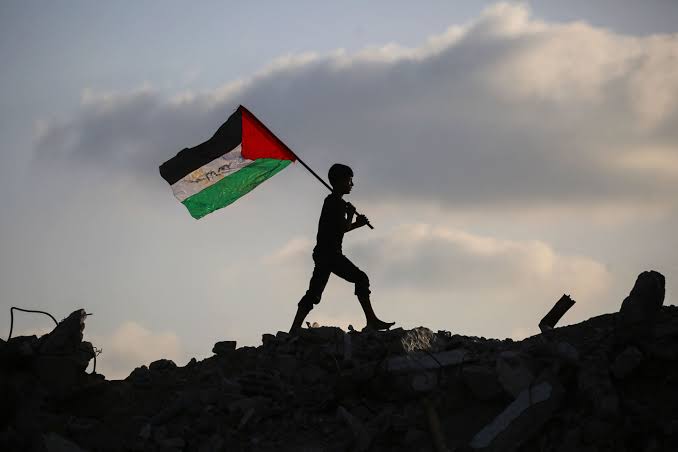
As the world observes Palestine Solidarity Day in 2026, the importance of humanitarian concerns, Palestinian rights and peaceful solutions remains significant.
The United Nations continues to highlight challenges affecting Palestinian communities, including displacement, violence, humanitarian needs and the impact of ongoing political developments.
For many people, November 29 is an opportunity to reflect on the gap between international commitments and the realities experienced by Palestinian communities.
It also provides an important reminder that lasting peace requires more than temporary agreements. It needs meaningful dialogue, respect for international law, protection of civilians and attention to the rights and security of all people in the region.
Conclusion
The International Day of Solidarity with the Palestinian People is more than an annual date on the calendar. It is an opportunity to understand a long and complex history, recognise Palestinian identity and reflect on the importance of human rights and self-determination.
November 29 reminds the world that the Palestinian question remains unresolved and deserves continued international attention.
Whether through education, cultural awareness, humanitarian support or peaceful conversations, everyone can contribute to a more informed and compassionate global community.
Ultimately, solidarity is not simply about expressing support. It is about understanding people's experiences, respecting their rights and encouraging a future where peace, dignity and security are possible for everyone.
Frequently Asked Questions
The International Day of Solidarity with the Palestinian People is observed every year on November 29.
It marks the date in 1947 when the United Nations adopted the Partition Resolution for Palestine.
The UN called for its annual observance in 1977, and the first observance took place in 1978.
Its purpose is to raise awareness about Palestinian rights, self-determination, humanitarian concerns and the need for peace.
People can participate through educational programmes, cultural events, awareness campaigns and support for humanitarian efforts.
Sources and notes
Links the author listed for this post.
Content is based on historical information and international observance details published by the United Nations, along with background information on Palestinian history and culture.
- 1en.wikipedia.org (opens in a new tab)
en.wikipedia.org


Discussion
0 comments