The way consumers shop for technology has evolved significantly in recent years. While online marketplaces once dominated the buying journey, a new model is gaining strong momentum—direct-to-consumer (D2C) tech shopping. Today, more users prefer to explore and purchase products directly from official brand websites, where they can access the latest devices, exclusive services, and a more controlled shopping experience.
This shift is not just about convenience; it reflects a growing demand for authenticity, better support, and a deeper connection with brands. In this guide, we’ll explore how D2C tech platforms work, what products and services they offer, and why they are becoming a preferred choice for modern buyers.
What Is Direct-to-Consumer Tech Shopping?
Direct-to-consumer tech shopping refers to purchasing electronic products directly from a brand’s official online store. Instead of relying on third-party sellers, customers interact directly with the manufacturer, ensuring a more reliable and streamlined experience.
These platforms are designed to provide not only products but also a complete ecosystem of services, making them more than just online stores.
Product Categories Available on Official Tech Platforms
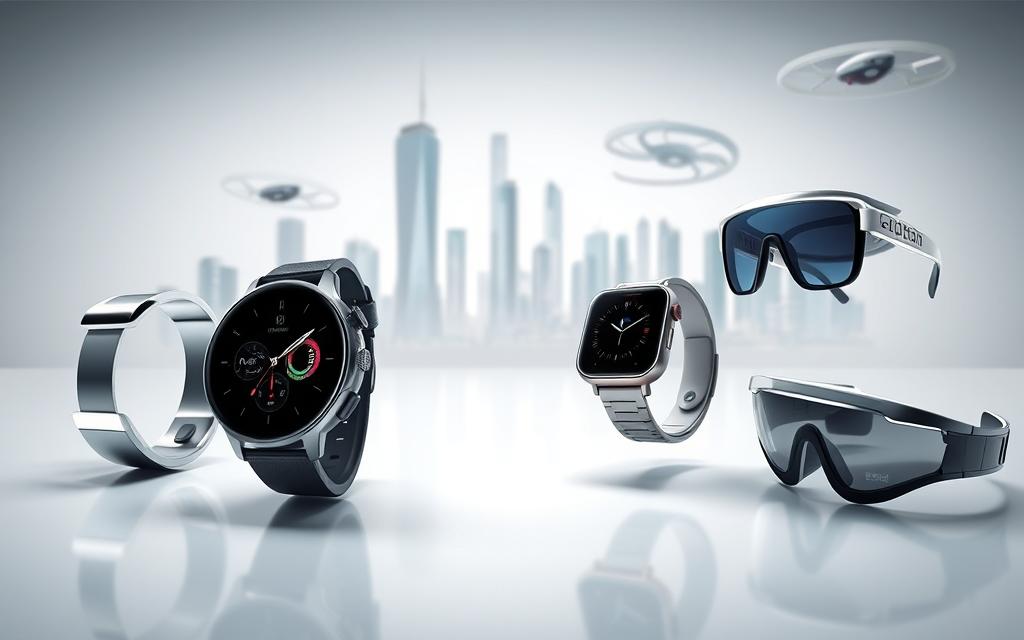
One of the biggest advantages of D2C platforms is the wide and structured product range they offer. Unlike marketplaces, where listings may vary, official websites present products in a more organized and comprehensive way.
Smartphones and Accessories
Customers can explore the latest smartphones, including flagship models, mid-range devices, and budget-friendly options. Along with phones, platforms also offer accessories such as cases, chargers, screen protectors, and wireless earbuds.
Laptops, Tablets, and Wearables
D2C platforms often include a full lineup of personal devices such as laptops, tablets, and smartwatches. These products are designed to work seamlessly together, allowing users to build a connected ecosystem.
Home Entertainment Products
Another major category includes smart TVs, sound systems, and streaming devices. Official platforms highlight advanced features like high-resolution displays, smart connectivity, and immersive audio experiences.
Home Appliances and Smart Devices
Many tech brands also offer home appliances such as refrigerators, washing machines, air conditioners, and smart home devices. These products are increasingly integrated with mobile apps for remote control and automation.
Exclusive and Limited-Edition Products
Official websites often feature exclusive models, special editions, or online-only products that are not easily available on marketplaces. This adds value for customers looking for something unique.
Services Provided by Direct-to-Consumer Platforms
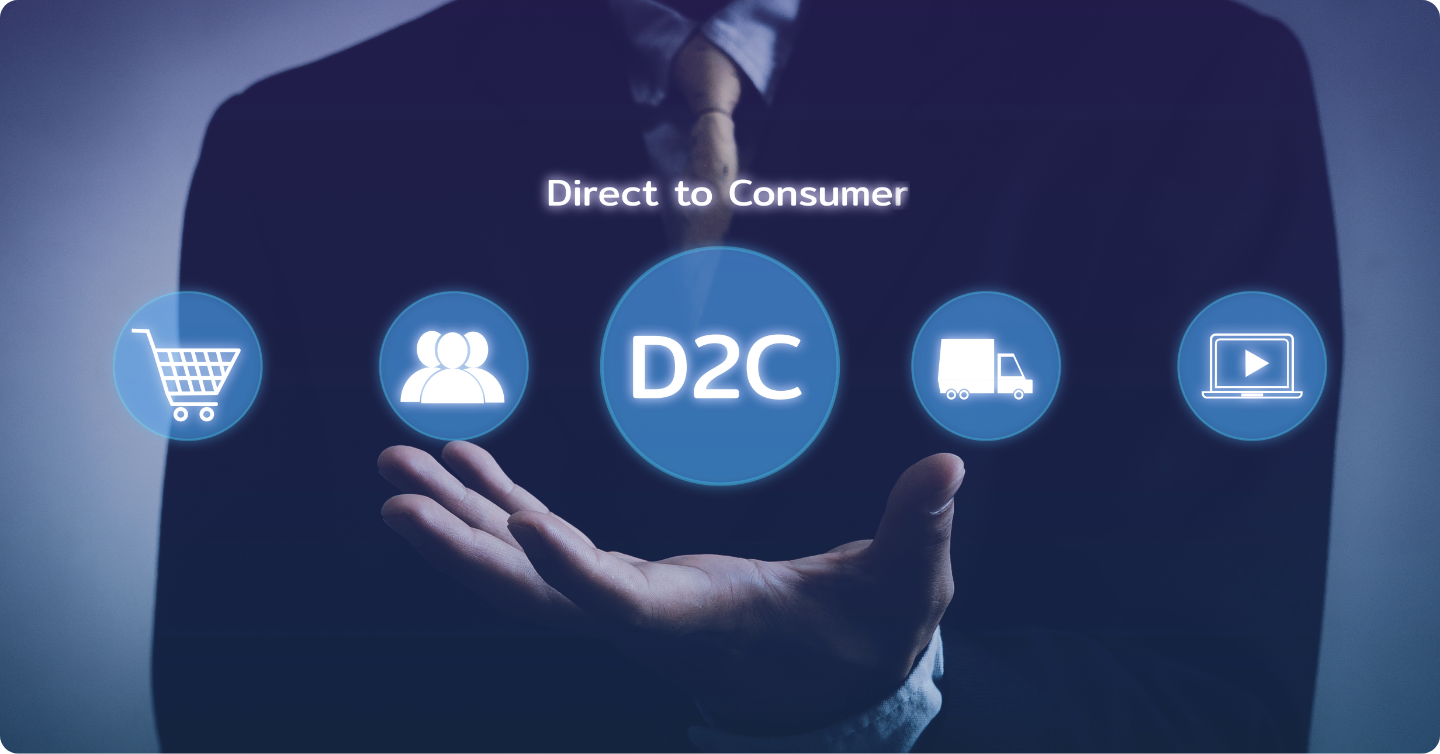
Beyond products, D2C tech platforms stand out because of the range of services they provide. These services are designed to improve customer experience before, during, and after the purchase.
Trade-In and Exchange Programs
Customers can exchange their old devices for discounts on new purchases. This makes upgrading more affordable and encourages sustainable consumption.
Easy Financing and Payment Options
Many platforms offer EMI plans, no-cost financing, and flexible payment methods. This makes high-value purchases more accessible to a wider audience.
Product Customization
Buyers can select storage variants, colors, and add-ons based on their preferences. Some platforms also offer bundled deals with accessories at discounted prices.
Pre-Order and Early Access
Official websites usually provide early access to new product launches. Customers can pre-order devices and receive them before they are widely available.
Installation and Setup Services
For products like TVs and home appliances, brands often provide installation support. This ensures that customers can start using their products without any hassle.
Warranty and Extended Protection Plans
D2C platforms provide standard manufacturer warranties along with options to purchase extended protection plans. This adds an extra layer of security for expensive devices.
Customer Support and Repair Services
One of the biggest advantages is direct access to customer support. Users can request repairs, track service status, and get assistance without dealing with third-party sellers.
Why Consumers Prefer Official Tech Platforms

The combination of products and services offered by D2C platforms creates a strong value proposition.
Authentic and Reliable Purchases
Buying directly from a brand eliminates the risk of counterfeit products and ensures genuine quality.
Complete Ecosystem Experience
Customers can explore how different devices work together, making it easier to choose compatible products.
Better Post-Purchase Support
Direct communication with the brand leads to faster and more reliable service experiences.
Access to Latest Innovations
Official platforms are often the first to showcase new technologies and features.
Challenges of Direct-to-Consumer Shopping
Despite its advantages, D2C shopping is not without limitations.
- Prices may sometimes be higher than marketplace discounts
- Limited cross-brand comparison options
- Delivery timelines can vary depending on location
- Fewer flash deals compared to large e-commerce platform.
Official Platforms vs Marketplaces
| Feature | Official Platforms | Marketplaces |
| Product Authenticity | Guaranteed | Depends on seller |
| Product Range | Brand-specific ecosystem | Multiple brands |
| Services | Comprehensive | Limited |
| Pricing | Stable | Competitive |
| Support | Direct brand support | Platform-based |
Who Should Choose Direct-to-Consumer Platforms?
D2C tech shopping is ideal for:
- Buyers looking for premium and authentic products
- Users who value strong after-sales support
- Customers interested in exclusive deals and early access
- Individuals building a connected tech ecosystem
The Future of D2C Tech Shopping
As technology continues to evolve, direct-to-consumer platforms are expected to become even more advanced. Brands are investing in better user interfaces, AI-driven recommendations, and faster logistics to compete with large marketplaces.
In the coming years, we can expect more personalized experiences, improved delivery systems, and deeper integration between products and services.
Frequently Asked Questions
Who should use Technology & Gadgets
The Rise of Direct-to-Consumer Tech Shopping: A Complete Guide is built for readers who want a faster way to finish everyday web tasks. The main goal is shorter workflows, clearer outputs, and reusable tool habits, so the guide focuses on practical choices instead of broad theory.
Use it when you need one of these outcomes:
- testing a task before choosing a heavier app
- saving time on a repeated browser workflow
- combining a guide with a related AltFTool utility
How to get a better result
- Read the core use case and decide what output you need.
- Open the related AltFTool utility and test it with a small sample.
- Review the result, adjust settings, and repeat only if needed.
- Continue with related tools or guides for the next step in the workflow.
Start small, check the first output, and only then repeat the workflow with the full file, text, media, or game session. That gives you a quick quality check before you spend more time.
Quality checks before you trust the output
- the input is clean before running the tool
- the output matches the format you need
- private details are removed before sharing or downloading
Do not overcomplicate a simple task. Start with the smallest sample that proves the workflow, then scale up once the output looks right.
Continue your workflow
If you want to try the workflow now, open the related AltFTool tool area. For more reading, continue through the Technology & Gadgets archive or the AltFTool tools directory.
This creates a cleaner path from explanation to action: read the guide, test the tool, compare the output, and move into the next related AltFTool resource only when it helps the task.
Reader questions
Quick answers
What does "The Rise of Direct-to-Consumer Tech Shopping: A Complete Guide" cover?
The way consumers shop for technology has evolved significantly in recent years.
When should I use Technology & Gadgets?
Use Technology & Gadgets when you need testing a task before choosing a heavier app or saving time on a repeated browser workflow. It is best for shorter workflows, clearer outputs, and reusable tool habits.
How do I get better results from Technology & Gadgets?
Start with a small sample, then check that the input is clean before running the tool and the output matches the format you need. Review the output before using it in a final workflow.
Where can I find more Technology & Gadgets guides?
Use the AltFTool blog archive, AltFTool tools directory, and related links on this page to explore more Technology & Gadgets tutorials, tool workflows, and practical recommendations.
Sources and review notes
References used to check facts, freshness, and reader-safe recommendations in this guide.
Reviewed against AltFTool editorial guidance, related site archives, and linked tool pages for freshness and reader usefulness.
- 1
- 2AltFTool tools directory
AltFTool
Discussion
0 comments
No comments yet
Discussion will appear here once it loads.