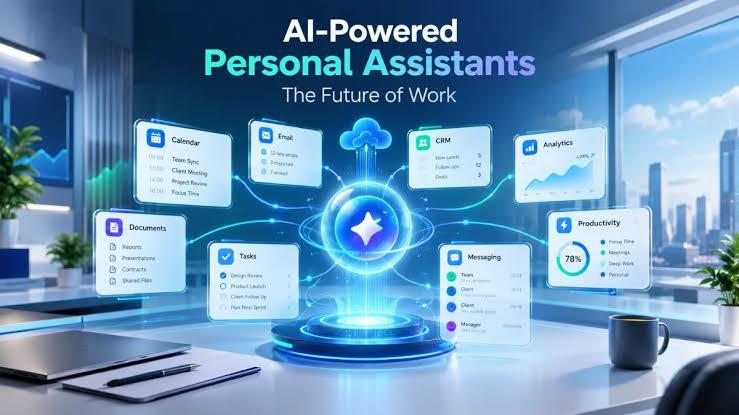
Imagine starting your day with a clear schedule, organised tasks, helpful reminders, and a personalised plan that understands your priorities. Instead of spending hours managing emails, creating to-do lists, and searching for information, you could focus more of your time on meaningful work.
This is the promise of AI-powered personal productivity.
Artificial intelligence is changing the way people organise their daily lives. From intelligent digital assistants and automated workflows to personalised learning tools and smart scheduling, AI is becoming a practical companion for managing work, study, and everyday responsibilities.
As technology continues to evolve, personal productivity is moving beyond traditional task management. The future is not simply about completing more tasks in less time. It is about making better decisions, reducing unnecessary effort, and creating a healthier balance between productivity and personal life.
In this article, we explore how AI-powered productivity is evolving, the tools shaping this transformation, and how individuals can use artificial intelligence to build smarter routines for the future.
AI Assistants Are Becoming Everyday Productivity Partners
One of the most important developments in personal productivity is the shift from using AI only to answer questions toward using it as an ongoing assistant.
AI assistants can help users brainstorm ideas, summarise information, draft messages, organise plans, and prepare for daily tasks. With suitable integrations and permissions, some systems can also help coordinate activities across connected applications.
For example, imagine preparing for a busy Monday. An AI assistant could help you:
Turn a list of responsibilities into a prioritised plan.
Draft responses to routine emails.
Summarise notes from previous meetings.
Create a checklist for an upcoming project.
Suggest time blocks for focused work.
The future of productivity assistants is moving toward more contextual support, where tools can help users work with relevant information rather than starting from scratch every time.
Key pointer: Use AI to prepare and organise your work, but review important decisions and final outputs yourself.
AI Agents Will Help Automate Multi-Step Tasks
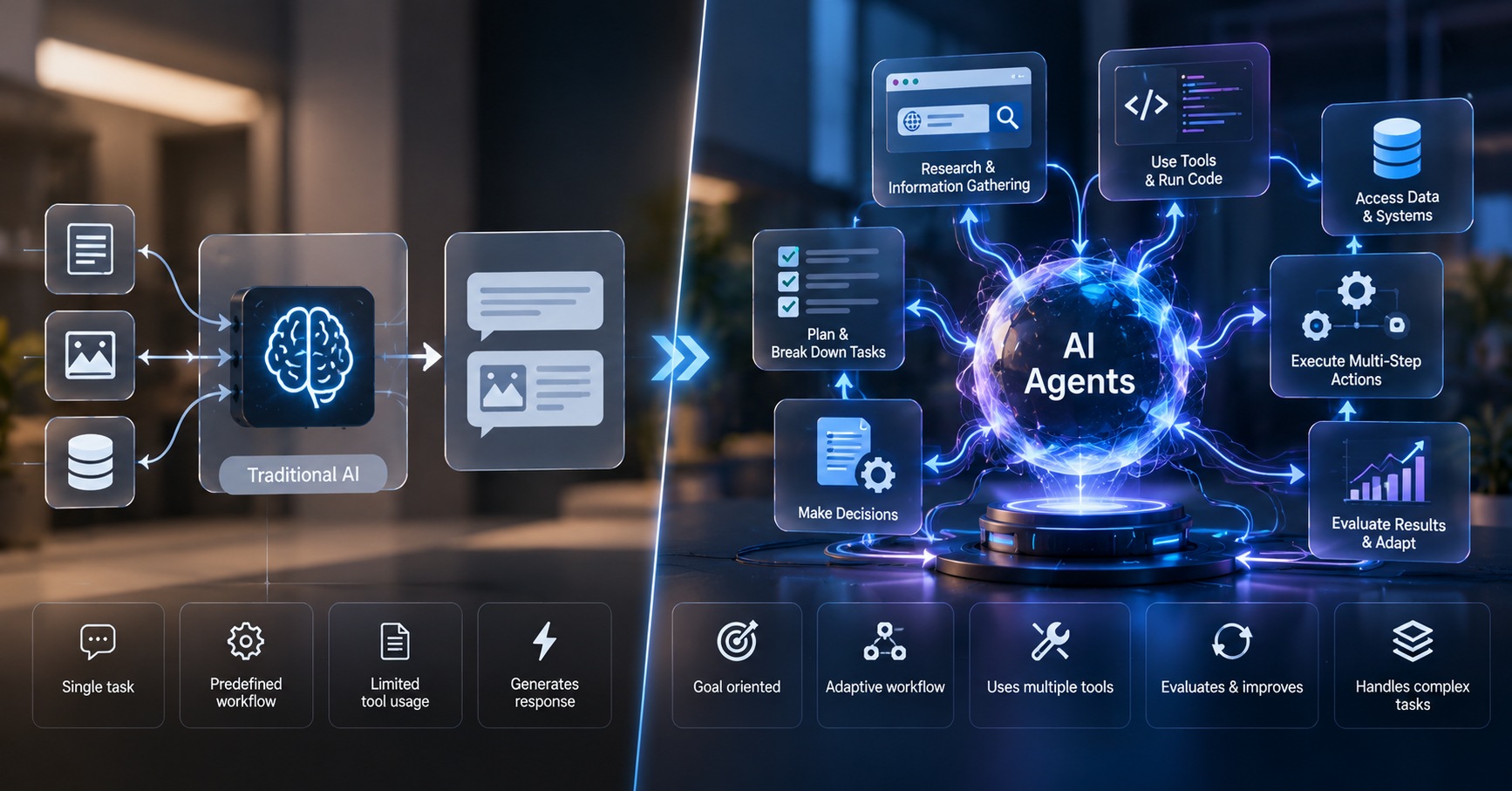
Traditional productivity apps usually require users to perform each action manually. AI agents are designed to handle more complex workflows by planning steps, using available tools, and completing tasks within defined boundaries.
This is an emerging direction in AI development. IBM's 2026 technology outlook discusses the movement toward agents that can operate across different applications and coordinate more complex activities.
IBM+1
What Could AI Agents Help With?
Productivity Activity | Possible AI Assistance |
|---|---|
Research | Gather information and organise findings |
Planning | Break projects into smaller steps |
Writing | Prepare drafts and summaries |
Scheduling | Suggest suitable time blocks |
Administration | Assist with repetitive workflows |
Learning | Create practice questions and study plans |
Imagine planning a small personal project. Instead of manually creating every checklist and reminder, an AI-enabled workflow could help prepare a project outline, organise tasks, and suggest a timeline.
However, automation should remain under your control. Review the actions an agent proposes, especially when they involve sending messages, sharing information, spending money, or changing important records.
Personalised Productivity Will Adapt to Individual Needs
Everyone has a different working style. Some people prefer early-morning focus sessions, while others perform better later in the day. Students may need study schedules, professionals may need project plans, and freelancers may need to balance several clients.
AI-powered planning tools can increasingly help users create routines based on their preferences, priorities, and available time.
Examples of Personalised Productivity
Suggesting study sessions around existing commitments.
Creating flexible weekly plans.
Recommending breaks during demanding schedules.
Adjusting task lists when deadlines change.
Helping users identify recurring time-management challenges.
Personalisation can make planning more practical because it recognises that productivity is not the same for everyone.
The goal should not be to create a perfect schedule that never changes. It should be to build a flexible system that supports your real life.
Smart Scheduling Will Make Time Management More Flexible
Managing time is often difficult because priorities change throughout the day. A meeting may run late, a task may take longer than expected, or an unexpected responsibility may interrupt your routine.
AI-assisted scheduling can help users respond to these changes by suggesting adjustments and identifying suitable periods for important work.
How Smart Scheduling Can Help
A smart scheduling system may help you:
Identify your most important tasks.
Estimate how much time each task requires.
Find available periods in your calendar.
Suggest focus sessions and breaks.
Reorganise your schedule when priorities change.
For example, if you have three important tasks and only two hours available, an AI planner can help you compare priorities and create a realistic sequence.
Important pointer: A calendar should support your priorities, not control every minute of your day. Leave room for flexibility, rest, and unexpected situations.
AI-Powered Learning Will Support Personal Growth
Productivity is not limited to completing tasks. It also includes learning new skills, improving knowledge, and preparing for future opportunities.
AI-powered learning tools can help users create personalised study plans, explain difficult concepts, generate practice questions, and organise learning resources.
Practical Ways to Use AI for Learning
Learning Goal | AI Productivity Support |
|---|---|
Learn a new language | Practise vocabulary and conversations |
Improve writing | Get feedback on clarity and structure |
Study a subject | Create summaries and revision questions |
Learn technology | Explore concepts and troubleshoot code |
Prepare for exams | Build a study timetable and practice tests |
For example, if you want to learn digital marketing in 2027, you can ask an AI assistant to organise a beginner-friendly learning roadmap. You can then divide the roadmap into weekly lessons, practical exercises, and progress reviews.
AI can make learning more accessible, but it should not replace active practice. Understanding a concept, applying it, and checking reliable sources remain essential parts of meaningful learning.
AI Will Help Reduce Repetitive Digital Work
Many everyday activities consume time without requiring complex decisions. Formatting information, creating routine checklists, organising notes, and preparing basic summaries can become repetitive.
AI tools can assist with these tasks, helping users spend more attention on creative thinking and important responsibilities.
According to Gallup's 2026 workplace research, frequent AI users commonly report spending less time searching for information and writing or drafting. The extent of these changes varies by task and individual.
Everyday Tasks AI Can Assist With
Summarising long documents.
Organising scattered notes.
Drafting routine emails.
Creating first versions of reports.
Converting information into checklists.
Preparing meeting agendas.
Suggesting improvements to written content.
The biggest benefit often comes from reducing the effort required to begin a task.
Instead of facing a blank page, you can start with an organised draft and improve it using your own knowledge and judgement.
The Rise of Connected Productivity Ecosystems
The future of productivity may involve fewer disconnected tools and more connected systems.
Today, people often manage tasks across calendars, email applications, documents, messaging platforms, and project management software. Switching between these tools can interrupt concentration and make it difficult to find important information.
Connected AI systems aim to help users work across different applications while maintaining relevant context.
What a Connected Productivity System Could Include
A digital calendar for appointments and deadlines.
A task manager for daily responsibilities.
A document workspace for notes and projects.
An AI assistant for research and planning.
Automation tools for repetitive workflows.
A well-organised ecosystem can reduce unnecessary switching and make information easier to find.
However, adding more applications does not automatically improve productivity. Choose tools that solve real problems and work well together.
How to Use AI for Personal Productivity in 2027
You do not need advanced technical knowledge to begin using AI for everyday organisation. Start with small, practical activities and gradually build a routine that works for you.
A Simple AI Productivity Routine
Morning: Plan Your Day
Ask an AI assistant to help organise your priorities and turn a long task list into a manageable daily plan.
During Work: Focus on Important Tasks
Use AI for research, drafting, or organising information when it genuinely saves effort.
Evening: Review Your Progress
Summarise completed tasks, identify unfinished priorities, and prepare a realistic plan for tomorrow.
Useful Prompt for Daily Planning
You can copy and adapt this prompt in your preferred AI assistant.
Help me organise my day. Here are my tasks: [add your tasks]. My available time is [add hours]. Identify the three most important priorities, suggest a realistic schedule, and include short breaks. Keep the plan flexible and avoid overloading my day.
Copy prompt
Challenges and Responsible Use of AI
Although AI can improve personal productivity, it is important to understand its limitations.
AI-generated information may contain mistakes, outdated details, or incomplete explanations. Automated systems may also misunderstand instructions or produce suggestions that do not match your priorities.
Best Practices for Using AI Responsibly
Verify important facts before relying on them.
Avoid sharing sensitive personal or financial information unnecessarily.
Review AI-generated messages before sending them.
Keep control over important decisions.
Check permissions before connecting applications.
Use AI as an assistant, not as a substitute for independent thinking.
Productivity should not mean handing over every decision to technology. The most useful approach combines AI's speed and organisational support with human creativity, judgement, and responsibility.
FAQs
AI-powered personal productivity uses artificial intelligence to help people manage tasks, organise schedules, learn skills, and complete everyday activities more efficiently.
AI can assist with planning, summarising information, drafting content, organising tasks, and reducing repetitive work.
AI is more likely to enhance many existing productivity tools by adding intelligent assistance, automation, and personalised recommendations.
Yes. Many tools offer simple interfaces that allow beginners to start with basic tasks such as writing, planning, and organising information.
AI can suggest schedules, prioritise tasks, and help reorganise plans when circumstances change. Users should review suggestions and keep their schedules realistic.


Discussion
0 comments