A beautiful home isn’t always about expensive furniture or perfectly styled rooms. Sometimes a simple wooden table, a comfortable sofa, soft lighting and a few well-chosen accessories are enough to make a space feel warm and welcoming. The secret is knowing how to mix different elements without crowding the room. Furniture, decorative mirrors, lighting, curtains and storage all add up to the overall look of a space. If you love elegant European interiors, rustic furniture, vintage-inspired accessories and natural materials, Loberon is a useful source of inspiration. Its style offers ideas for interiors that feel timeless, relaxed and full of character.
In this guide, we’ll explore how to choose home decor and furniture, combine different styles, make smarter buying decisions and create comfortable spaces that reflect your personality.
1. Understand Your Home Decor Style Before Buying Furniture
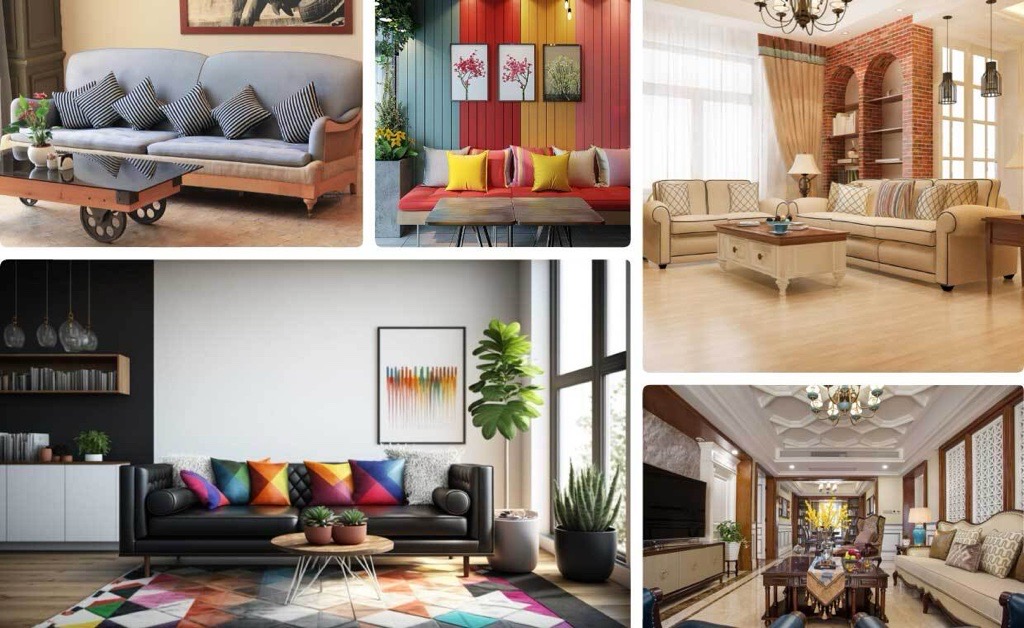
Before buying new furniture or decorative accessories, spend some time figuring out the look you want for your home. This simple step can save money and stop unnecessary shopping.
Some people prefer modern interiors with clean lines and minimal decoration, while others enjoy traditional furniture, vintage finishes and warm colours. No single decorating style works for every home.
Here are some popular home decor styles worth exploring.
Rustic and Country Style
Rustic and country-style interiors bring a relaxed feeling into the home. Wooden furniture, natural fabrics, vintage accessories and warm neutral colours are common features.
For example, a wooden dining table paired with comfortable upholstered chairs can create a lovely dining area. You can finish the look with a simple vase, a woven basket or a decorative wall mirror.
Vintage and Shabby Chic Style
Vintage interiors are a good choice if you like furniture and accessories with an old-fashioned feel. Distressed wooden finishes, decorative mirrors, floral cushions and antique-inspired cabinets can add personality to a room.
The key is not to fill every corner with vintage objects. A few carefully chosen pieces usually look better.
Mediterranean Style
Mediterranean decor often mixes earthy colours, natural textures and relaxed furniture arrangements. Cream, beige, terracotta and soft brown shades work especially well.
You can bring in this style through ceramic accessories, wooden furniture, textured fabrics and warm lighting.
2. Choose Furniture That Looks Good and Feels Comfortable
Furniture is one of the biggest investments when decorating a home. But looks shouldn’t be the only deciding factor. A beautiful sofa may look impressive in a photograph, yet it should also offer enough seating and comfort for everyday use.
Start by thinking about the size of your room and how you normally use it.
For a small living room, a compact sofa, a narrow coffee table and a wall-mounted storage unit can make better use of the available space. Larger rooms give you more flexibility, but filling them with too many pieces can still make things feel cramped.
Pay attention to these furniture details:
Material: Solid wood, metal, fabric and other materials each have different maintenance needs.
Construction: Check joints, stability, finishing and overall build quality.
Comfort: Test sofa cushions, chair support and mattress comfort whenever possible.
Dimensions: Measure doorways, room corners and available floor space before ordering.
Maintenance: Choose finishes and upholstery that suit your daily routine.
A good furniture purchase should stay useful even if you later change your wall colour or decorative accessories.
3. Select Colours That Make Your Rooms Feel Welcoming
Colour can completely change the mood of a room. Even when the furniture stays the same, swapping cushions, curtains or wall colours can create a noticeably different look.
Neutral colours such as ivory, cream, beige, warm grey and soft brown are popular because they’re easy to combine with different furniture styles.
If your living room already has dark wooden furniture, lighter curtains and cream cushions can balance the look. Similarly, a neutral bedroom can feel more interesting with olive green bedding, textured throws or darker decorative accessories.
You can also bring in colour through smaller items instead of repainting the whole room. A colourful rug, a ceramic vase or a decorative cushion is often enough to make a visible difference.
One practical tip is to choose two or three main colours and repeat them throughout the room. This creates a connected look without making everything appear identical.
4. Use Home Accessories to Add Personality
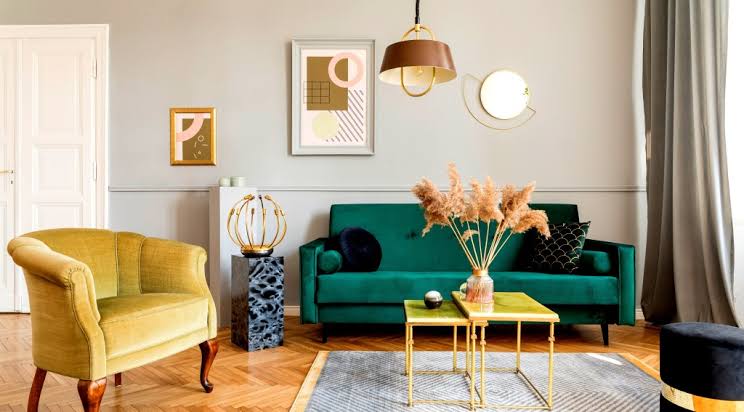
Accessories are often the finishing touches that make a room feel complete. Furniture gives the basic structure, but smaller decorative elements bring character and individuality.
Loberon’s collection offers inspiration through items such as decorative mirrors, cushions, picture frames, lamps, wreaths and other home accessories. These details can suit country, vintage and shabby chic interiors.
Here are a few simple ways to decorate different areas:
Coffee table: Place a small tray, a decorative vase and a couple of books together.
Walls: Use framed artwork, mirrors or simple wall decorations.
Sofa: Add cushions in different textures and complementary colours.
Shelves: Combine books, small plants and decorative objects.
Console table: Add a lamp, a mirror or a carefully chosen decorative piece.
Try to leave some empty space between objects. When every surface is covered, individual accessories lose their charm.
5. Improve Your Lighting for a More Comfortable Atmosphere
Lighting deserves more attention than it usually gets during home decoration. A room can have beautiful furniture and lovely colours but still feel uncomfortable if the lighting is too harsh or badly placed.
Instead of relying on a single ceiling light, consider using different light sources.
Table lamps work well on bedside tables, sideboards and living room corners. Floor lamps are handy beside reading chairs, while pendant lights can become an attractive feature above dining tables.
Warm lighting is especially suitable for bedrooms and relaxing areas. For kitchens and workspaces, choose lighting that gives enough visibility for daily tasks.
Decorative lanterns and candle holders can also add charm, especially when paired with wooden furniture and soft textiles.
6. Decorate Your Bedroom for Everyday Comfort
A bedroom should feel peaceful and practical. It’s a personal space where furniture placement, bedding and lighting all affect comfort.
Start with a suitable bed and mattress. Make sure there’s enough walking space around the bed and that wardrobes or drawers can open without trouble.
Soft bedding, comfortable pillows and layered blankets can make the bedroom feel more inviting. Neutral shades work well as a base, while cushions or a throw can add a little contrast.
A bedside table with a small lamp is another useful addition. It keeps everyday items within reach and gives softer light when you don’t want to switch on the main ceiling light.
If the room is small, choose furniture with built-in storage. Under-bed drawers, compact wardrobes and wall shelves can help keep the space organised.
7. Make Your Dining Area Both Attractive and Practical
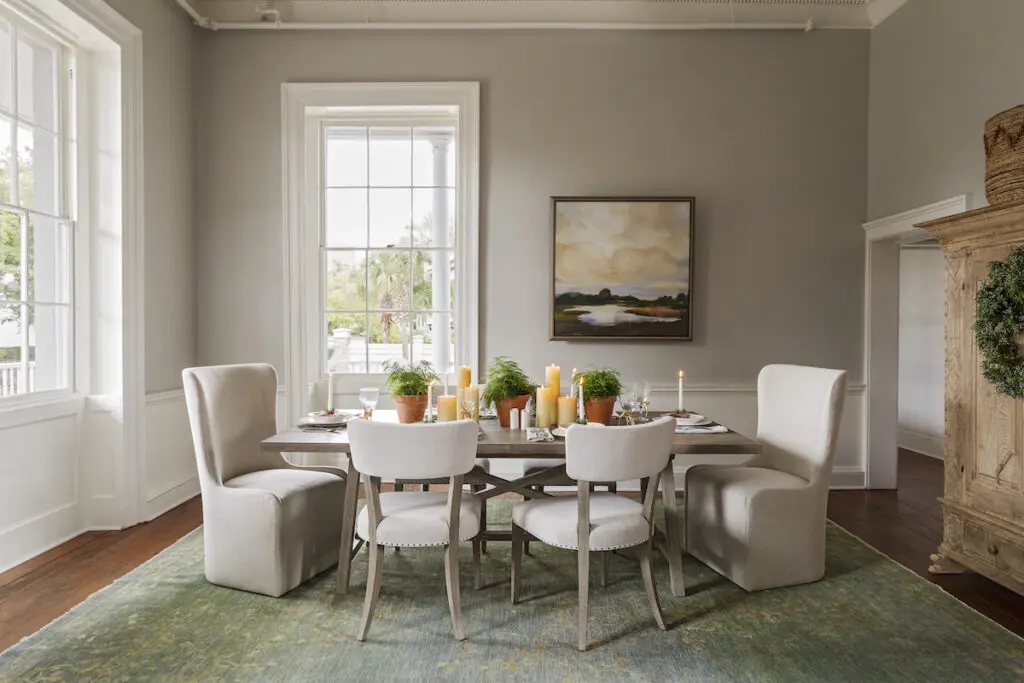
The dining area isn’t only a place for meals. It’s also where families spend time together, talk and welcome guests.
A comfortable dining table should suit the available space and the number of people who regularly use it. Round tables can work well in smaller dining areas, while rectangular tables suit longer rooms.
You can make the dining area more attractive with a simple table runner, ceramic serving pieces, a decorative centrepiece or a pendant light.
Avoid decorations that take up too much table space. A small vase or a low arrangement is usually more practical because people can still see and talk to each other comfortably.
If your dining area shares space with the living room, use a rug or different lighting to create a visual separation between the two.
8. Choose Natural Materials for a Timeless Interior
Natural materials can give a home a grounded and welcoming look. They also work across several interior styles, from rustic and country-inspired rooms to contemporary spaces.
Wood, linen, cotton, rattan and metal are useful materials to consider when choosing furniture and home accessories.
Wooden furniture adds warmth, while linen and cotton bring softness to sofas, beds and windows. Rattan baskets offer practical storage, and metal accessories can add contrast.
Before buying, check how each material should be cleaned and maintained. For example, some wooden finishes need protection from excess moisture, while delicate fabrics may need special cleaning.
Choosing materials based on both their looks and their everyday maintenance needs can help your furniture stay attractive for longer.
9. Plan Your Home Decor Shopping Budget
Decorating an entire home at once can get expensive. A better approach is to split your shopping into smaller stages and prioritise what you actually need.
Begin with essential furniture such as a bed, sofa, dining table and storage units. Once these basics are in place, gradually bring in decorative accessories.
You can divide your budget into three categories:
Category | What to include |
|---|---|
Essential furniture | Sofa, bed, dining table and wardrobes |
Functional additions | Lighting, shelves, storage and curtains |
Decorative details | Mirrors, cushions, vases and artwork |
Before ordering furniture online, read the product description carefully. Check measurements, material information, delivery charges, return conditions and customer reviews.
It’s also worth comparing similar products from different retailers. A higher price doesn’t automatically mean an item will suit your home better.
10. Avoid Common Home Decoration Mistakes
🏡 Common Home Decoration Mistakes
Small decorating mistakes can change the appearance of your room. Keep these practical tips in mind to create a beautiful and comfortable home.
1. Buying Furniture Without Measuring
Always measure your room before purchasing large furniture. Check the available floor space, doorways and walking areas to avoid choosing items that are too large.
2. Mixing Too Many Styles
Combining modern, rustic and vintage furniture can look attractive, but too many different styles may make the room feel disconnected. Try using similar colours and materials.
3. Using Too Many Accessories
Decorative vases, cushions and wall accessories add personality. However, filling every corner with decorations can make the space look crowded. Keep the arrangement balanced.
4. Ignoring Storage
Good-looking furniture should also be useful. Choose storage cabinets, shelves, baskets and drawers to keep everyday belongings organised and your rooms tidy.
5. Choosing Appearance Over Comfort
A stylish sofa or chair should also feel comfortable. Check the seating, material and support before buying furniture for everyday use.
6. Ignoring Proper Lighting
Poor lighting can make even a beautifully decorated room feel dull. Use a combination of ceiling lights, table lamps and floor lamps to create a warm, comfortable and welcoming atmosphere.
Your home does not need to look perfect immediately. Add furniture and accessories gradually, and choose pieces that make your space comfortable, practical and welcoming.
11. Explore Home Decor Inspiration at Loberon
If you want ideas beyond traditional furniture stores, exploring different home decor collections can help you discover new combinations.
The German home furnishing brand Loberon offers inspiration across furniture, lighting, decorative accessories, textiles and seasonal collections. Its overall design direction blends classic, country and Mediterranean influences, using materials such as wood, metal and fabric.
You can explore different categories, look at coordinated room styles and see how furniture and smaller accessories work together.
The website also features home stories and decorating inspiration, which can help when you’re unsure how to style a particular corner or combine different decorative elements. That said, you don’t have to buy everything from one retailer. Use these ideas as inspiration and compare products, prices and materials before you decide.
Final Thought
A beautiful home is created through thoughtful choices, personal touches and comfortable furniture. Choose colours that make your rooms feel welcoming, add decorative accessories that reflect your personality, and keep your spaces organised. You do not need expensive furniture to create an attractive interior. Focus on quality, comfort and practicality to make your home a relaxing place where you love spending time.
Use affordable decor, simple furniture, indoor plants and soft lighting.
Neutral shades like beige, cream, white and soft grey create a welcoming look.
Consider room size, comfort, material, quality and your daily needs.
Decorative mirrors, cushions, rugs, lamps, vases and wall art add personality.
Use light colours, mirrors, compact furniture and smart storage solutions.
Sources and review notes
References used to check facts, freshness, and reader-safe recommendations in this guide.
Information is based on LOBERON's home decor and furniture inspiration.
- 1
- 2
Discussion
0 comments
No comments yet
Discussion will appear here once it loads.