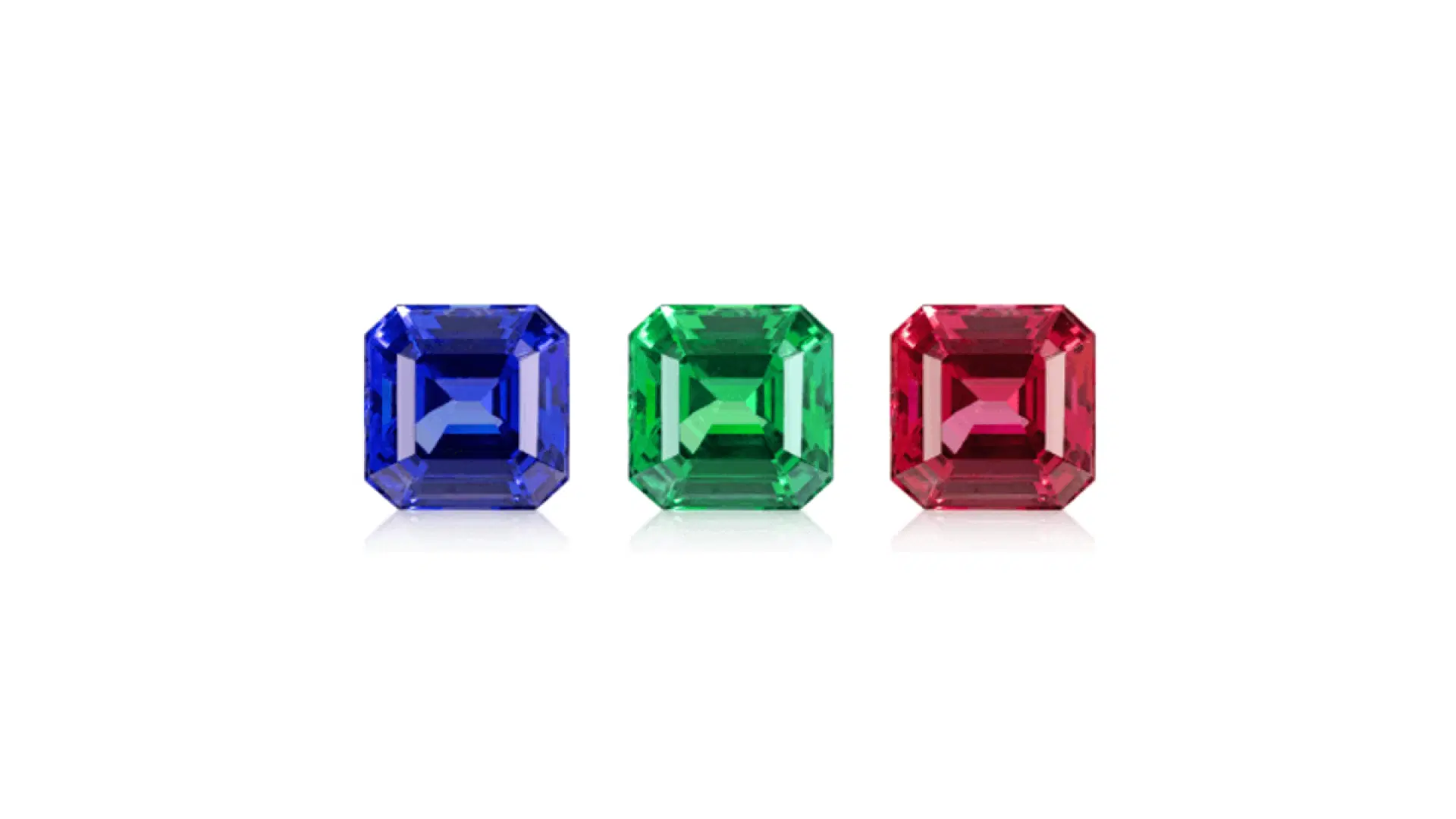
Walk into any traditional jeweller's shop or scroll through a fine jewellery catalogue, and three names keep coming up: sapphire, emerald, and ruby. Along with diamond, these three form the classic quartet of precious gemstones. People buy them to mark milestones, pass down family heirlooms, wear a birthstone every day, or put money into something tangible and beautiful.
Yet once you start shopping, the excitement quickly turns into a practical question: which one actually gives you the best value for your money?
A low price tag on a dull or heavily treated stone is rarely a bargain, and a high price tag is not always proof of top quality. Real value comes from how a gemstone balances colour, durability, rarity, treatment transparency, and how it fits your daily life. In this guide, we will look closely at natural sapphire, emerald, and ruby so you can decide which one makes the smartest buy for you.
Getting to Know the Big Three Gemstones
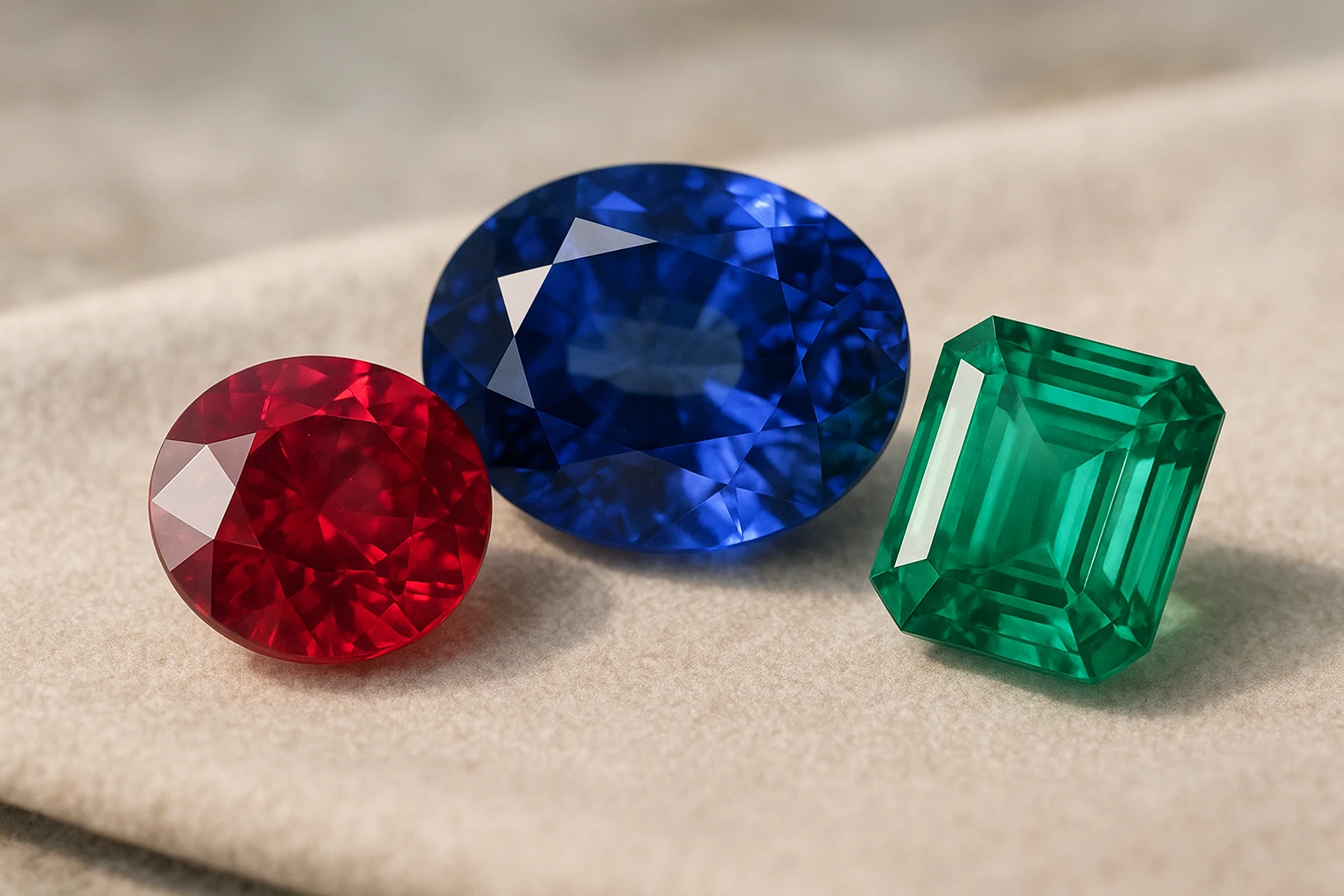
Before comparing prices or picking a setting, it helps to know what each stone is made of and why jewellers treat them differently.
Natural Sapphire: Tough, Versatile, and Rich in Shades
Natural sapphire belongs to the corundum mineral family, which is aluminum oxide with tiny traces of other elements. Most people picture deep royal or cornflower blue when they hear "sapphire," and blue is indeed the classic shade. Still, natural sapphires also occur in yellow, pink, green, violet, white, and "padparadscha" (a prized pinkish-orange blend).
What makes sapphire stand out in a busy life is its toughness. On the Mohs scale of mineral hardness, it scores 9 out of 10, sitting right below diamond. That high hardness helps it resist scratches from everyday dust, keys, and routine wear. Because it comes in so many colours and price tiers, sapphire fits engagement rings, tennis bracelets, drop earrings, and sleek daily pendants with ease.
Natural Emerald: Lush Green Character That Needs Gentle Care
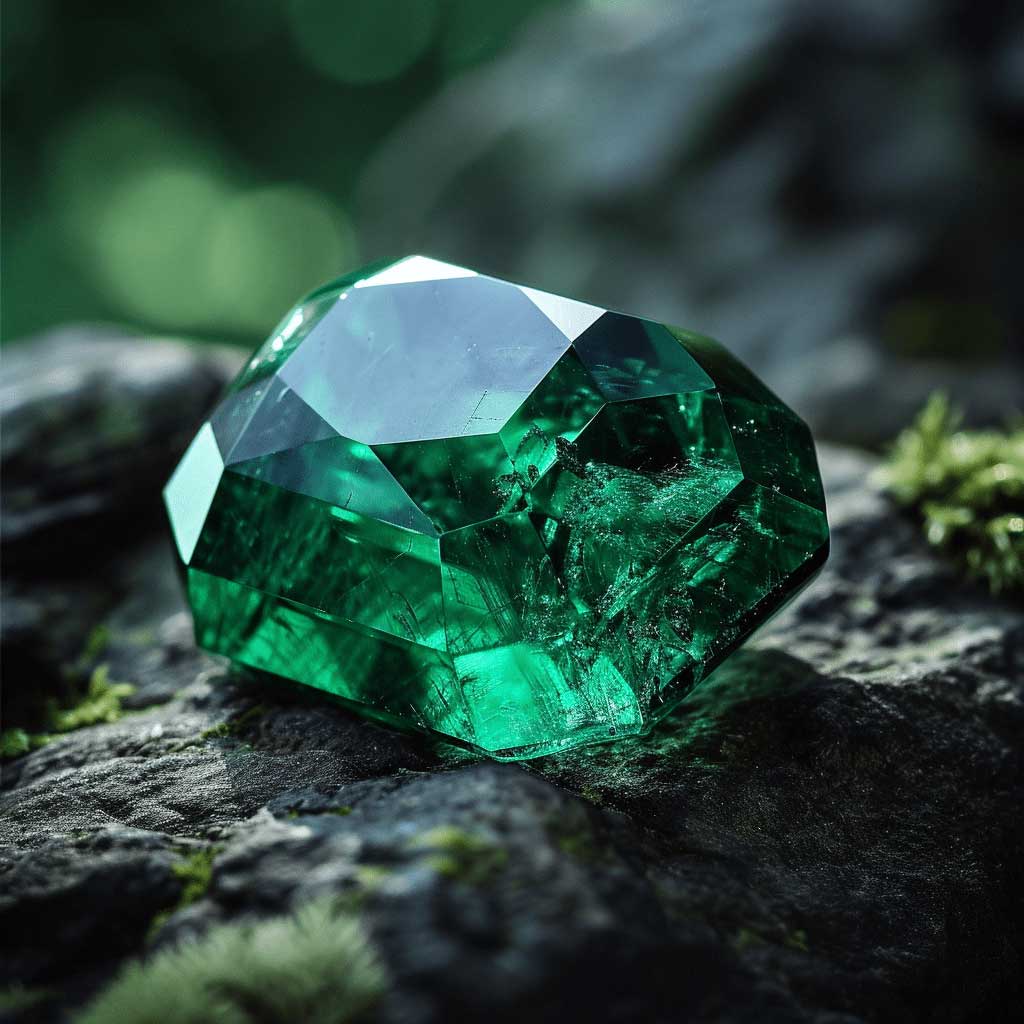
Emerald is the green variety of beryl, getting its signature hue from trace amounts of chromium, vanadium, or both. Few colours in nature feel quite as lush, calm, and regal as a lively green emerald.
Unlike sapphire, emerald has a Mohs hardness of roughly 7.5 to 8. Hardness alone does not tell the whole story, though. Emeralds frequently hold internal features known as a jardin (French for "garden")—tiny liquid, gas, or crystal inclusions that can look like ferns, wisps, or fractures under magnification. Those inclusions give each emerald its own fingerprint, but they also mean the stone can chip or split if knocked hard.
Emeralds shine in statement cocktail rings, ornate necklaces, temple or heritage designs, and special-occasion pieces. They reward buyers who love distinct green beauty and are happy to handle delicate jewellery with care.
Natural Ruby: Bold Red Rarity with High-End Potential
Ruby is also corundum, sharing the same base mineral family as sapphire. When chromium gives corundum a vivid red colour rather than blue, gemologists call it a ruby. Depending on the chemistry and crystal growth, natural rubies range from warm pinkish-red to deep, velvety crimson.
Fine natural rubies sit near the top of the coloured gemstone market. A clean, vibrant ruby with strong colour and good transparency can command eye-watering prices—sometimes higher per carat than a comparable sapphire or emerald. Because its Mohs hardness is 9, ruby handles regular wear well, making it a strong pick for rings worn often as well as earrings and pendants.
Side-by-Side: Key Differences at a Glance
While all three stones are precious, their mineral makeup, toughness, and typical enhancements shape how they wear and how they are priced.
Feature | Natural Sapphire | Natural Emerald | Natural Ruby |
Signature Colour | Blue (plus yellow, pink, green, purple, and more) | Green | Red (from pinkish-red to deep red) |
Mineral Family | Corundum | Beryl | Corundum |
Mohs Hardness | 9 | 7.5–8 | 9 |
Everyday Durability | High | Moderate (more prone to chipping/fractures) | High |
Common Treatments | Heat treatment | Oiling or resin filling for clarity | Heat treatment |
Popular Jewellery | Engagement rings, everyday rings, pendants, earrings | Statement rings, necklaces, earrings, festive/bridal wear | Rings, earrings, pendants, statement pieces |
Price Range | Wide (entry-level to very high) | Wide (budget commercial stones to collector gems) | Wide (modest stones to ultra-high luxury) |
Which Gemstone Offers the Best Value for Money?
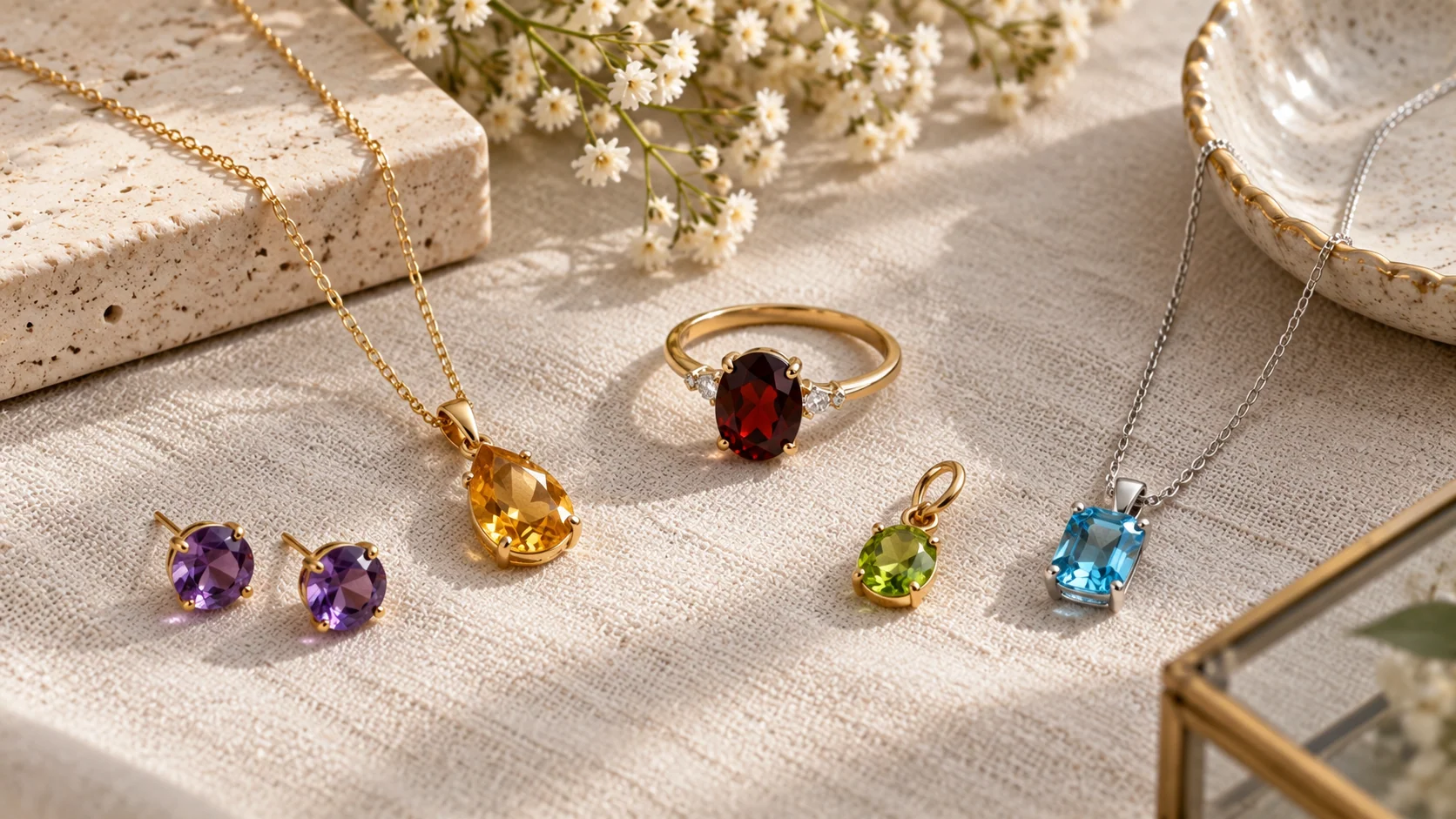
There is no single winner for every wallet because "value" means two things in gem buying: what you get for your money right now and how well the stone holds up and satisfies you over time.
Sapphire: Often the Best All-Around Value
For many buyers, natural sapphire offers the most practical value for money. Because it spans so many colours and clarity grades, you can find an attractive, genuine sapphire at a friendlier price point than top-tier rubies or clean emeralds. At the same time, its Mohs 9 hardness means you are paying for a stone that can handle daily wear without looking worn out quickly.
Keep in mind that "great value" does not mean cheap across the board. A vivid, velvety blue sapphire with minimal inclusions and sought-after origin—or a rare padparadscha—can still reach high prices. Even then, sapphire gives you strong flexibility across budgets.
Emerald: High Emotional and Visual Value for Green Lovers
Emerald's value is closely tied to colour impact and individuality. If your heart is set on rich green, nothing else quite matches the depth of a well-chosen emerald.
Where buyers need to be careful is clarity and enhancement. Visible inclusions are normal in natural emeralds, and many are treated with cedarwood oil, synthetic oils, or resins to make surface-reaching fractures less visible. A stone with heavy oiling or cloudiness looks less lively and needs extra care, whereas a lively green emerald with balanced clarity and honest disclosure can feel priceless to someone who loves the look.
Ruby: Strong Value When Colour and Rarity Align
Ruby can deliver great value if you want bold colour and long-term prestige, provided you shop smartly. Because fine red corundum is scarce, top-quality rubies can be pricey per carat. Buying a huge, dull, or heavily included ruby just to hit a high carat weight rarely pays off. Instead, look for a well-proportioned stone with lively red colour and clean transparency within your budget.
5 Factors That Actually Drive Gemstone Prices
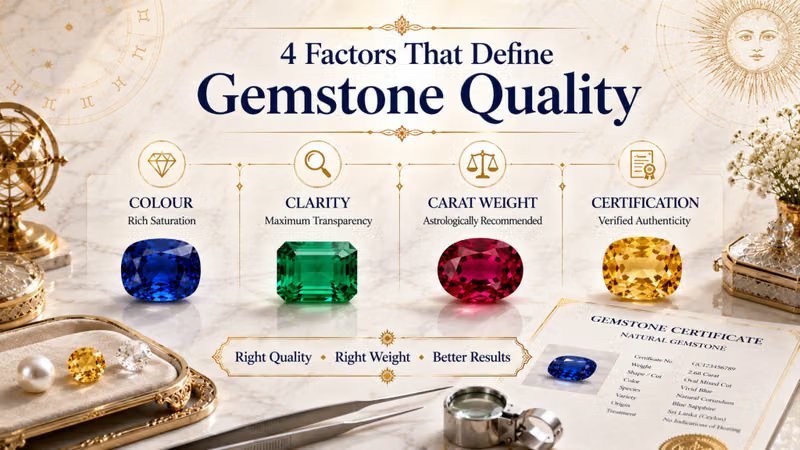
Two stones weighing the exact same 1.50 carats can sit worlds apart in price. Before you compare quotes, check these five drivers.
1. Colour Quality
In coloured gemstones, colour is king. For a sapphire, buyers usually look for an even, rich blue without looking black-out dark or washed-out grey. For an emerald, a vibrant, saturated green wins over pale or overly yellowish-green tones. For a ruby, a strong, lively red with good tone—not overly dark or overly pink—usually commands higher demand.
2. Clarity and Inclusions
Every natural gemstone has a story from underground, and inclusions are part of that story. In sapphires and rubies, fewer eye-visible inclusions generally mean better light return and a higher price. In emeralds, tiny inclusions are expected, so the goal is finding a stone where inclusions do not dull the colour or threaten structural strength.
3. Cut and Proportions
Cut is not just the shape (round, oval, cushion, pear, or emerald cut)—it is how well the cutter angled the facets to bring light back to your eye. A stone cut too deep or too shallow can trap light or leak it out the sides, making it look dark or "windowy" (see-through in the centre). A smart cut can make a modest-carat gem look brighter and more attractive than a poorly cut larger one.
4. Carat Weight
Carat measures weight (one carat equals 0.2 grams), not width or height. Because dense stones like corundum weigh more per millimetre than beryl, a 1-carat ruby or sapphire will look smaller on the finger than a 1-carat diamond or emerald of the same weight. Also, price rises steeply as carat weight climbs because large, clean natural crystals are much rarer than small ones.
5. Origin and Treatments
Certain mining regions have long reputations in the trade, which can add a premium when backed by reliable lab reports. Just as important are treatments:
Heat treatment is widely accepted in the trade for many sapphires and rubies to improve colour or clarity.
Oiling or resin filling is common in emeralds to boost apparent clarity.
Treatments are not automatically a dealbreaker—many lovely, affordable gems are treated—but undisclosed treatments are a red flag. Always ask what has been done to the stone and get it in writing.
Natural vs. Lab-Grown Gemstones: How Should You Decide?
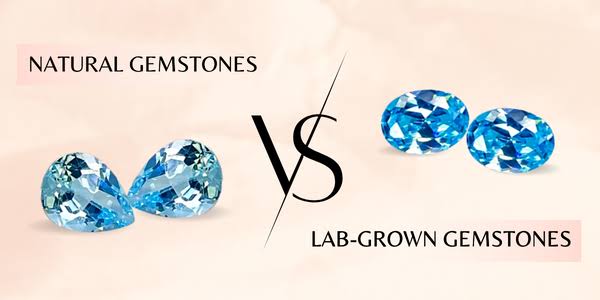
Lab-grown sapphire and lab-grown ruby share the same chemical makeup (corundum) and crystal structure as natural stones grown in the Earth. The difference is where and how they formed: nature takes millions of years under shifting heat and pressure, while laboratories grow crystals in controlled equipment over weeks or months.
Choose natural if geological rarity, earth-formed heritage, traditional value, or collector/heirloom sentiment matters most to you.
Choose lab-grown if you want a clean colour and larger look for a lower budget and do not mind that the stone was grown in a lab.
Whichever route you take, make sure the seller states clearly whether the gem is natural or lab-grown on your invoice and certificate.
Everyday Wear vs. Special Occasions
Lifestyle should shape your choice just as much as budget:
Daily rings (engagement, wedding, or signature rings): Sapphire and ruby are usually the easiest choices because of their hardness and scratch resistance. Choose a protective setting—such as a bezel or low-profile prongs—so the edges do not take hard knocks.
Emeralds in daily wear: Possible if you are careful with your hands, take rings off during chores, gym workouts, or gardening, and pick a protective setting. Otherwise, emerald pendants, earrings, or occasional-wear rings are often safer.
Remember: Even a Mohs 9 gemstone is not indestructible. A sharp hit at the right angle can chip any gem, including sapphire, ruby, or diamond.
Smart Buying Checklist Before You Pay
Take your time when buying a precious stone—good gems are not going anywhere, and rushing leads to regret.
Buy from a trustworthy seller: Look for clear answers, fair return/exchange policies, and zero pressure.
Ask about origin and treatments: Confirm whether the stone is natural or lab-grown and whether it is heated, oiled, or untreated.
Get an independent lab report: A report from a respected gemological laboratory helps verify identity and treatments. Treat it as a helpful factual record rather than a guaranteed resale price tag.
Compare stones side by side: Look at two or three options in natural daylight and indoor light before deciding.
Inspect the setting: Prongs should hold the stone snugly without pinching fragile edges, and the metal should match how hard you wear the piece.
Save all paperwork: Keep your itemized bill and gem report together for insurance, appraisals, and future reference.
Simple Care Habits to Keep Stones Looking New
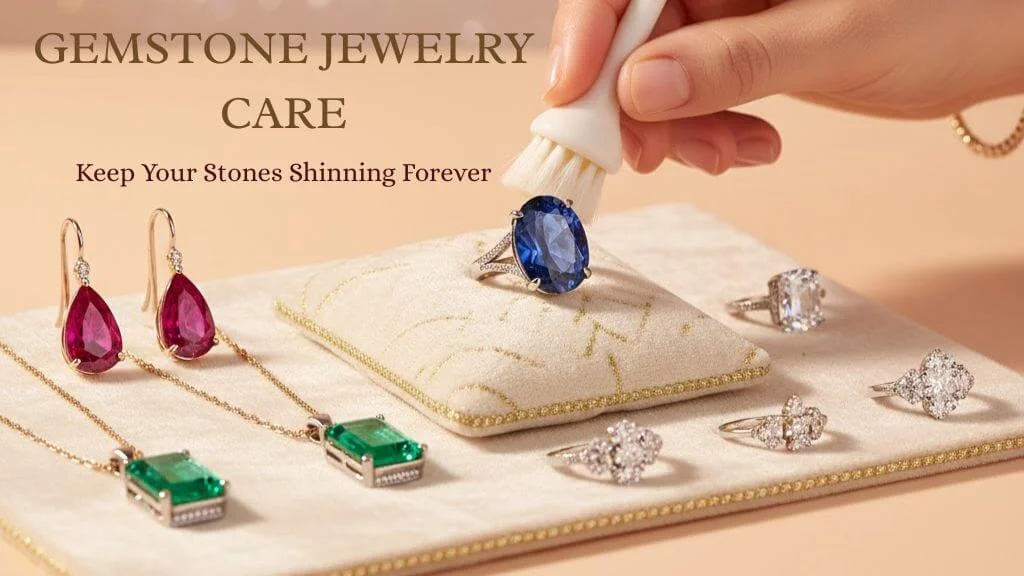
Good care keeps your jewellery sparkling for decades without risky shortcuts:
Sapphire and ruby: Clean gently with warm water, mild liquid soap, and a soft-bristled brush, then rinse and pat dry. Avoid harsh chemicals and heavy impacts.
Emerald: Wipe gently with a soft, slightly damp cloth and dry carefully. Skip ultrasonic cleaners and harsh steam, especially on oiled or heavily included emeralds, as vibration, heat, or solvents can dry out oil or widen fractures.
Storage: Store pieces in separate soft pouches or lined compartments so harder stones do not scratch softer gems or polished metal.
Wrapping Up: Which One Should You Pick?
If you want versatility, toughness, and broad budget options, start with natural sapphire. If you want lush green beauty and standout character—and can give it gentle care—go with natural emerald. If you want bold red colour and classic rarity, focus on a clean, vibrant natural ruby.
The best value for your money is not the flashiest name or the biggest carat number—it is the gemstone whose colour you love every time you look down, priced fairly for its true quality and built to fit the life you actually live.
Natural sapphire usually leads for balanced pricing, colour choices, and daily durability.
You can with gentle care, though its inclusions and lower toughness make it less practical for rough daily wear than sapphire or ruby.
High-quality rubies with strong red colour and clean clarity are rare in nature, pushing prices higher per carat.
Yes, heat treatment is common for sapphires and rubies, while oiling or resin filling is often used on emeralds.
Pick natural for earth-formed rarity and heirloom value, or lab-grown if you want lower cost and clean looks.
Sources and notes
Links the author listed for this post.
Information is based on gemstone characteristics, jewellery-buying considerations, and commonly used gemstone quality factors. The comparison focuses on natural gemstones, their value, care, and practical uses.


Discussion
0 comments