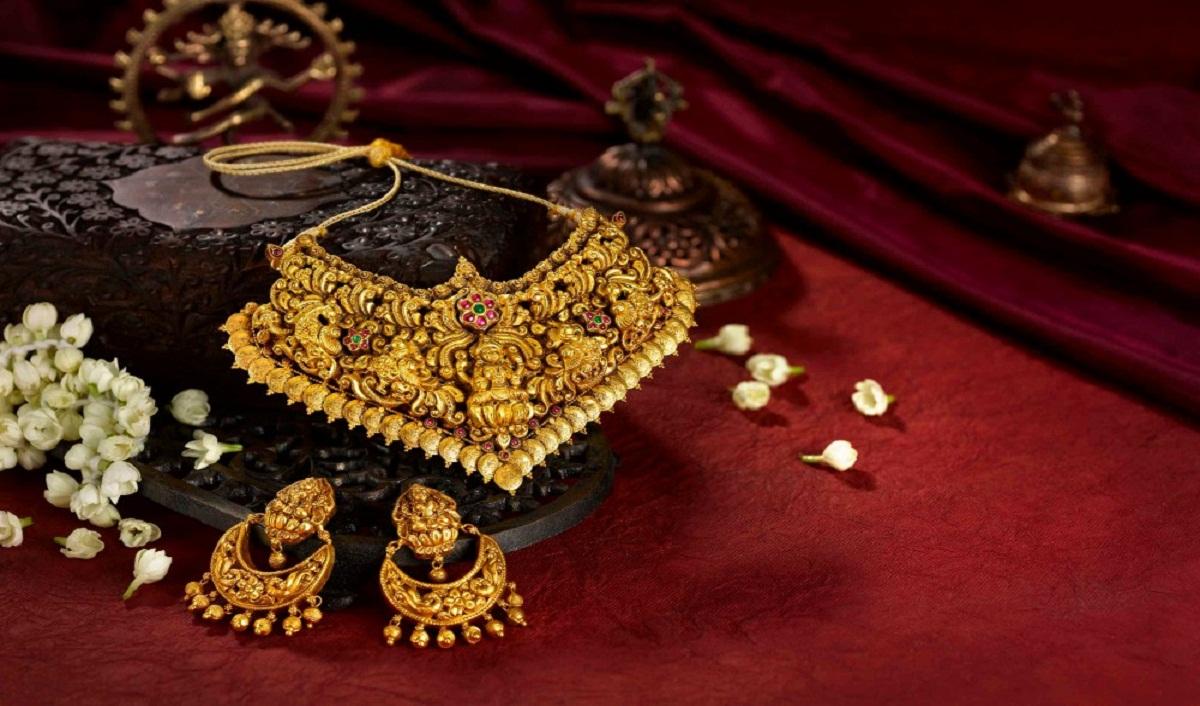
When buying jewellery, it is easy to get attracted by the design first. A beautiful ring, necklace, bracelet or pair of earrings can immediately catch your attention. But after the first impression, there are a few things that really determine whether the jewellery is worth your money: gold purity, gemstone quality and craftsmanship.
I have noticed that jewellery can look almost perfect in a display case, yet two pieces with a similar design can have very different prices and quality. That is why understanding what you are actually paying for is important.
Gold purity tells you how much actual gold is present in the piece. Gemstone quality affects the appearance, durability and value of jewellery containing diamonds or coloured stones. Craftsmanship, meanwhile, determines how well the piece has been designed, finished and assembled.
So, which one matters most? The answer is not always the same. It depends on what you are buying, how you plan to wear it and what matters most to you.
Why Jewellery Quality Is More Than Just Its Price
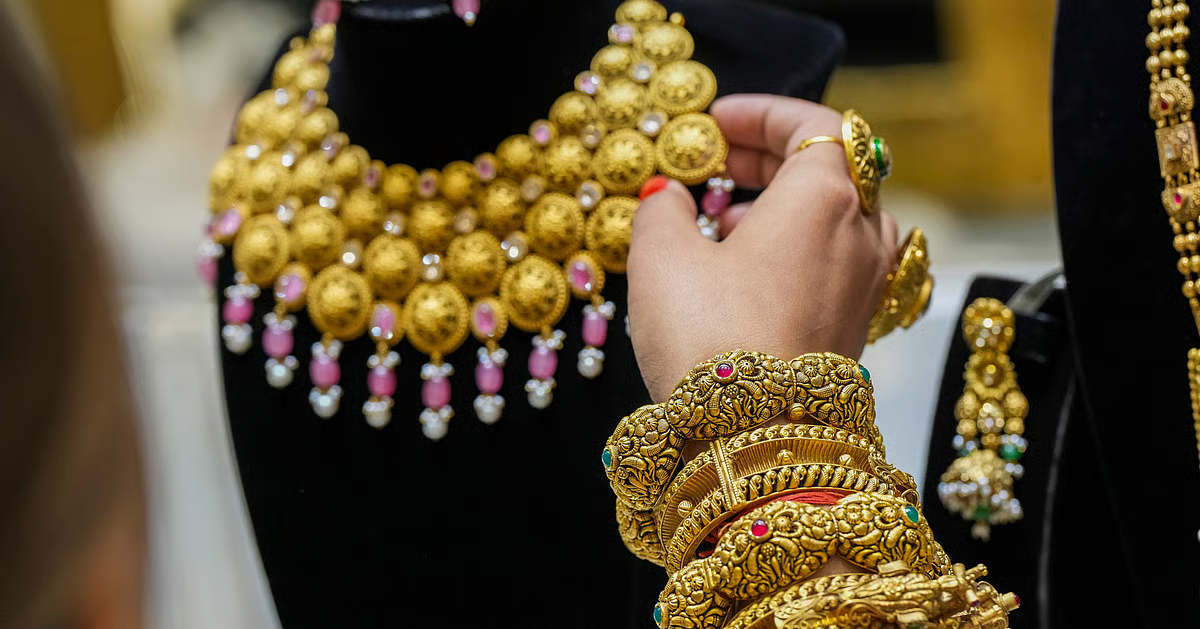
A higher price does not automatically mean better jewellery. The final price can be influenced by several factors, including:
Gold purity
Weight of the jewellery
Gemstone quality
Design complexity
Craftsmanship
Brand or retailer
Making charges
Market price of gold
Certification and documentation
This is why comparing only the final price can sometimes be misleading.
The three things I would check first
Factor | What it tells you | Why it matters |
|---|---|---|
Gold Purity | Amount of pure gold | Affects gold content and value |
Gemstone Quality | Quality of stones used | Affects appearance and value |
Craftsmanship | How well jewellery is made | Affects finish, comfort and durability |
1. Gold Purity: The First Thing to Check
Gold jewellery is rarely made from 100% pure gold because pure gold is relatively soft. Jewellery is usually made by combining gold with other metals to improve strength and durability.
Gold purity is commonly expressed in karats.
Gold Type | Approx. Gold Content |
|---|---|
24K | 99.9% |
22K | 91.6% |
18K | 75% |
14K | 58.5% |
For everyday jewellery, different purity levels can make sense depending on the design and how frequently you plan to wear the piece.
For example, 22K gold contains more gold than 18K gold, while 18K gold can offer greater durability because it contains a higher proportion of alloy metals.
What I would check before buying
I would not rely only on a salesperson saying that a piece is “pure gold.” I would check the hallmark or applicable purity marking, along with the invoice and any available documentation.
In India, buyers should also pay attention to the relevant hallmarking requirements and verify the information provided with the jewellery.
2. Does Higher Gold Purity Always Mean Better Jewellery?
Not necessarily.
This is one of the most important things to understand.
Higher purity means a higher proportion of gold, but that does not automatically mean the jewellery is the best choice for every situation.
For example, if you want a delicate piece that you plan to wear regularly, durability and construction may be just as important as purity.
On the other hand, if your priority is the gold content itself, a higher-purity piece may be more attractive.
Think about your purpose
Before buying, ask yourself:
Is this jewellery for everyday wear, occasional use, gifting or long-term value?
That simple question can make your decision much easier.
3. Gemstone Quality Can Change the Entire Look
If your jewellery includes gemstones, the stone itself becomes another major factor.
Diamonds are commonly evaluated using the 4Cs: Cut, Colour, Clarity and Carat Weight.
For coloured gemstones, the evaluation can be different and may involve factors such as colour, clarity, treatment, origin and rarity.
This means that two stones of similar size can have very different prices.
Understanding the 4Cs of Diamonds
Factor | Meaning | Why It Matters |
|---|---|---|
Cut | How the diamond is shaped and finished | Influences sparkle |
Colour | Degree of colourlessness | Can affect appearance and value |
Clarity | Presence of internal/external features | Influences rarity |
Carat | Weight of the diamond | Affects size and price |
Cut can be especially important
A larger diamond is not automatically more beautiful.
If the cut is poor, the stone may not reflect light effectively. A slightly smaller diamond with a better cut can sometimes look more lively and attractive.
That is why I would not focus only on carat weight when comparing diamonds.
4. Coloured Gemstones Need a Different Approach
Not every gemstone should be judged using the same criteria as a diamond.
For coloured stones such as ruby, sapphire and emerald, colour is often an important consideration. However, clarity, treatment, origin and overall quality can also influence value.
Some gemstones may commonly undergo treatments to improve their appearance. This is something buyers should know before purchasing an expensive stone.
Important questions to ask
Before buying gemstone jewellery, ask:
What gemstone is being used?
Is the stone natural or synthetic?
Has it been treated?
Is there a certificate?
What is the gemstone's weight?
What factors were used to determine its price?
Getting clear answers can help you make a more informed decision.
5. Craftsmanship: The Detail You Shouldn't Ignore
Gold purity and gemstones may get most of the attention, but craftsmanship is equally important when it comes to the actual jewellery experience.
A beautifully designed piece can still disappoint if the finishing is poor.
Craftsmanship includes things such as:
Smooth finishing
Secure gemstone settings
Strong clasps
Properly aligned stones
Even polishing
Comfortable edges
Balanced construction
Clean detailing
When I look at jewellery, I like to examine the small details instead of only looking at it from a distance.
How to Spot Good Craftsmanship
You do not need to be a jewellery expert to notice basic finishing issues.
Take a close look at the jewellery.
Check the edges
Edges should generally feel smooth rather than sharp or uncomfortable.
Examine the setting
If the jewellery contains stones, check whether they appear securely set. Loose-looking stones are a reason to ask more questions before purchasing.
Look at the back
The back of a necklace, ring or pendant can tell you a lot about its construction. Poor finishing is sometimes easier to notice there than on the front.
Check the clasp
For bracelets and necklaces, the clasp should feel secure and reasonably easy to operate.
Gold Purity vs Gemstone Quality vs Craftsmanship
So, which one matters the most?
There is no single answer.
If Your Priority Is... | Focus More On |
|---|---|
Gold content | Gold purity |
Diamond jewellery | 4Cs and certification |
Coloured gemstones | Colour, quality and treatment |
Everyday wear | Craftsmanship and durability |
Unique design | Craftsmanship |
Long-term value | Gold content, stone quality and documentation |
Comfort | Craftsmanship and finishing |
The best jewellery is usually a balance of all three rather than an extreme focus on just one factor.
Don't Forget Making Charges
Making charges are another part of the jewellery bill that buyers should understand.
Two jewellery pieces may contain a similar amount of gold but have different final prices because their designs require different levels of work.
A simple chain may require less labour than an intricate handcrafted necklace.
So, before purchasing, I would ask for a clear breakdown of:
Gold value
Gold weight
Purity
Gemstone value
Making charges
Applicable taxes
Discounts, if any
This makes price comparison much easier.
Why Certification and Documentation Matter
When buying valuable jewellery, documentation can provide useful information about what you are purchasing.
For gemstone jewellery, a relevant independent grading or identification report may provide details about the stone.
For gold jewellery, hallmarking and purity information can help establish the fineness of the gold.
However, it is important to understand what a particular certificate actually covers. A gemstone report, for example, is not necessarily a valuation report.
My simple buying checklist
Before paying, I would check:
✓ Gold purity and hallmark
✓ Net gold weight
✓ Gemstone details
✓ Stone certification, where relevant
✓ Making charges
✓ Final invoice
✓ Return or exchange policy
✓ Warranty or maintenance terms
Should You Choose Design or Quality First?
This is where personal preference comes in.
If you are buying jewellery mainly because you love the design, craftsmanship may be particularly important. There is little point in buying a technically valuable piece if you don't enjoy wearing it.
If your main goal is the gold itself, purity and weight may deserve greater attention.
If you are buying diamond or gemstone jewellery, stone quality and certification become much more important.
The best approach is to decide what the jewellery means to you before deciding what to spend on it.
A Smart Way to Compare Two Jewellery Pieces
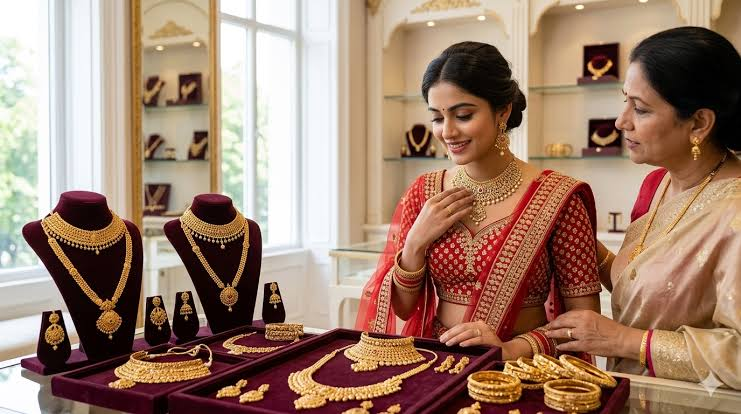
Imagine you have two rings that look almost identical.
Ring A has higher gold purity but basic craftsmanship.
Ring B has slightly lower purity but excellent finishing, a well-made setting and a better-quality gemstone.
Which one should you buy?
Instead of immediately choosing the one with the higher purity, compare them based on your purpose.
Ask yourself:
Which one has better construction?
Which has better documentation?
Is the gemstone natural, treated or synthetic?
How much gold does each piece actually contain?
What are the making charges?
Which one will I wear more often?
Is the price reasonable for the overall quality?
This approach gives you a much clearer picture than simply asking, “Which one is more expensive?”
Common Jewellery Buying Mistakes
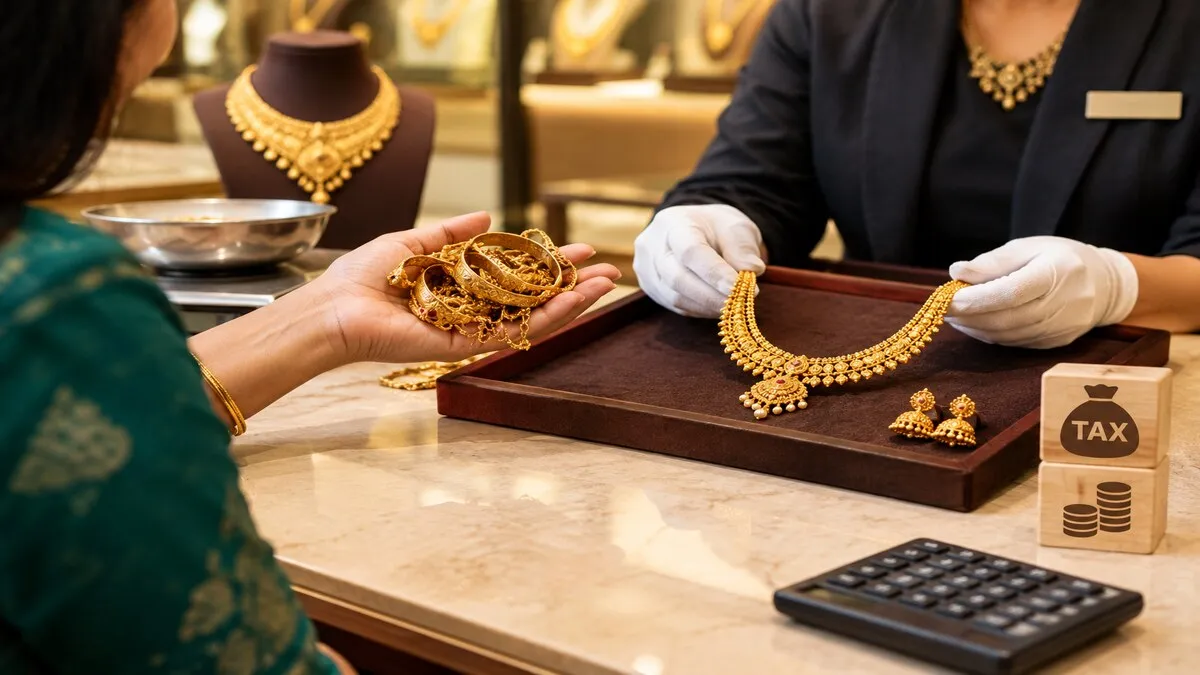
Even experienced buyers can sometimes focus too much on one feature.
Here are some mistakes worth avoiding:
Choosing jewellery only because of its design
Assuming higher price always means better quality
Ignoring gold purity
Not checking the weight
Focusing only on gemstone size
Not asking about gemstone treatment
Ignoring craftsmanship
Forgetting to check the invoice
Not comparing making charges
Buying without understanding certification
The Bottom Line: What Really Matters?
Gold purity, gemstone quality and craftsmanship all matter, but their importance changes depending on the jewellery you are buying.
Gold purity matters when you want to understand the actual gold content.
Gemstone quality matters when stones are a major part of the jewellery's value and appearance.
Craftsmanship matters because it affects how the jewellery looks, feels, functions and holds up over time.
For me, the smartest purchase is not necessarily the most expensive one. It is the piece where the quality, design, craftsmanship, documentation and price all make sense together.
A little research before buying can make a big difference. Instead of getting carried away by a beautiful display or a big discount, take a few minutes to understand what you are actually paying for.
Conclusion
When buying jewellery, it is easy to focus only on the design or price, but gold purity, gemstone quality and craftsmanship all play an important role. Gold purity tells you about the actual gold content, gemstone quality affects the beauty and value of the stones, while good craftsmanship ensures the jewellery is comfortable, secure and well-finished.
The best choice is not always the most expensive piece. Instead, look for a balance between quality, design, durability, certification and price. Taking a little time to check these details before buying can help you choose jewellery that looks beautiful and continues to feel worthwhile for years to come.
FAQ's
Both are important. Gold purity determines the gold content, while craftsmanship affects the jewellery's finish, comfort and durability.
Not always. Higher-karat gold contains more gold, but lower-purity gold can sometimes provide greater durability for everyday designs.
The 4Cs are Cut, Colour, Clarity and Carat Weight. They are commonly used to describe and evaluate diamond quality.
For valuable gemstone jewellery, asking about appropriate certification or documentation can help you understand what you are purchasing.
Check the purity or hallmark, weight, gemstone details if applicable, making charges, invoice and applicable return or warranty terms.
Sources and notes
Links the author listed for this post.
Information should be cross-checked with recognised hallmarking and gemological authorities before making a high-value jewellery purchase.


Discussion
0 comments