Mental health is an important part of overall well-being. It influences how we think, feel, handle everyday challenges, build relationships and make decisions. Just like physical health, emotional and psychological well-being deserve regular attention. Yet many people still find it difficult to talk openly about stress, anxiety, loneliness or other emotional struggles.
Modern lifestyles have introduced new pressures. Work responsibilities, financial concerns, family expectations, social media and constant digital connectivity can sometimes make it harder to maintain a healthy balance. As awareness of mental health continues to grow, more people are exploring different ways to access professional support.
One option that has become increasingly common is online therapy. Through video calls, phone conversations and secure digital communication, people can connect with qualified mental health professionals without always travelling to a traditional clinic.
However, online therapy is not simply a convenient alternative to face-to-face counselling. It involves important considerations such as professional qualifications, privacy, treatment suitability, cost and personal comfort.
This guide explores mental health and online therapy in 2026, including common mental health concerns, different therapy approaches, the benefits and limitations of virtual support, and practical ways to find suitable professional help.
What Is Mental Health?
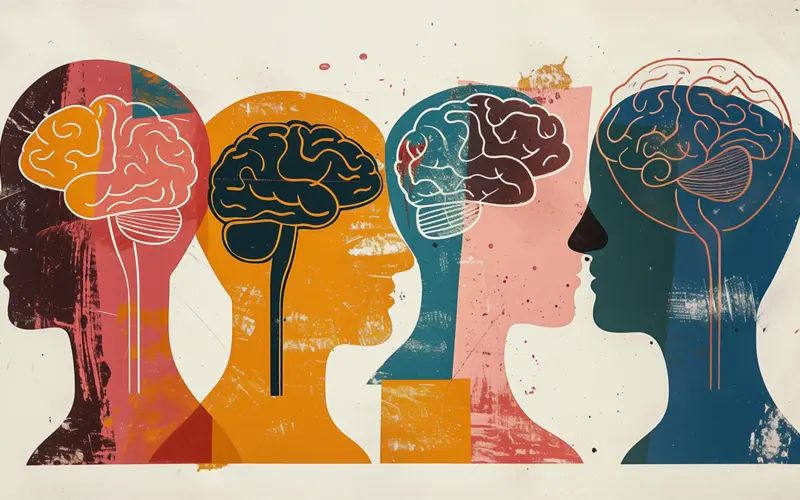
Mental health refers to a person's emotional, psychological and social well-being. It affects how individuals understand themselves, respond to situations, manage stress and interact with other people.
Good mental health does not mean feeling happy all the time. Everyone experiences difficult emotions, disappointment, frustration and uncertainty. These feelings are a normal part of life.
Mental well-being is more about having the ability to understand emotions, manage everyday responsibilities, maintain relationships and seek support when challenges become difficult to handle.
Mental health can change over time. Life experiences, physical health, relationships, working conditions, financial circumstances and social environments can all influence how someone feels.
Why Mental Health Matters
Mental health affects many parts of everyday life.
Emotional well-being: It influences how people understand and manage their feelings.
Relationships: It can affect communication, trust, boundaries and social connections.
Work and education: Emotional difficulties may influence concentration, motivation and productivity.
Physical well-being: Stress and emotional distress can affect sleep, appetite and energy levels.
Decision-making: Mental well-being can influence how people evaluate situations and respond to challenges.
Taking mental health seriously is not a sign of weakness. It is an important part of looking after yourself.
Common Mental Health Challenges
Mental health concerns can appear in different ways. Some may develop gradually, while others can become noticeable after a stressful event or major life change.
Understanding common challenges can help people recognise when they may benefit from additional support.
1. Anxiety and Excessive Worry
Anxiety involves feelings of fear, nervousness or worry. It is natural to feel anxious before an examination, job interview or important decision.
However, when worry becomes persistent, difficult to control or disruptive to everyday activities, professional support may be helpful.
Some common experiences associated with anxiety include:
Constant worrying about different situations.
Feeling restless or unable to relax.
Difficulty concentrating.
Irritability.
Sleep disturbances.
Physical tension or a racing heartbeat.
Anxiety disorders can take different forms, including generalised anxiety disorder, panic disorder and social anxiety disorder. Only a qualified professional can assess whether someone's experiences meet the criteria for a particular condition.
2. Depression
Depression is more than occasional sadness or having a bad day. It can involve a persistent low mood or loss of interest in activities that a person previously enjoyed.
Other possible signs include:
Feeling hopeless or emotionally exhausted.
Changes in sleeping habits.
Changes in appetite.
Difficulty concentrating.
Reduced motivation.
Feelings of worthlessness or excessive guilt.
Withdrawing from friends and family.
Depression affects people differently. Some individuals may continue working and managing daily responsibilities while privately experiencing significant emotional difficulties.
Professional assessment is important when these feelings persist or interfere with everyday life.
3. Stress and Burnout
Stress is the body's response to pressure or demanding situations. A certain amount of stress can help people respond to challenges, but prolonged stress may become difficult to manage.
Burnout is commonly associated with ongoing workplace stress that has not been successfully managed. It may involve emotional exhaustion, increased mental distance from work and reduced professional effectiveness.
Common contributing factors include:
Excessive workloads.
Unclear responsibilities.
Limited control over work.
Poor work-life boundaries.
Lack of adequate rest.
Ongoing workplace conflict.
Recognising the causes of stress and making practical changes can help. Professional support may also be useful when stress begins affecting daily life.
4. Relationship and Family Difficulties
Relationships can be a major source of happiness and support, but they can also involve misunderstandings, conflict and emotional pressure.
Communication problems, trust issues, separation, family responsibilities and major life changes can affect emotional well-being.
Individual counselling or relationship therapy may help people understand recurring patterns, communicate more effectively and explore healthier ways to manage disagreements.
5. Loneliness and Social Isolation
Loneliness is not necessarily about being physically alone. A person can have regular social interactions and still feel disconnected or misunderstood.
Long working hours, relocation, relationship changes, limited social support and excessive reliance on digital communication may contribute to feelings of isolation.
Building meaningful connections, joining supportive communities and speaking with a mental health professional can be helpful steps.
What Is Online Therapy?
Online therapy, also known as teletherapy or virtual counselling, is a form of mental health support delivered through digital communication.
Instead of travelling to a therapist's office, individuals can communicate with a qualified professional through a smartphone, computer or another suitable device.
Online therapy may involve:
Live video sessions.
Telephone counselling.
Secure text-based communication.
Guided online therapy programmes.
Digital appointments combined with in-person care.
The exact format depends on the provider, professional and type of treatment being offered.
Online therapy is different from simply reading mental health articles or using a general chatbot. Professional therapy involves a trained practitioner who assesses a person's concerns and provides appropriate support within their professional qualifications.
How Does Online Therapy Work?
The process can vary between providers, but most online therapy arrangements follow a few general steps.
Step 1: Understanding Your Needs
The first step usually involves identifying the concerns you want to discuss.
These may include anxiety, work-related stress, relationship difficulties, grief, emotional exhaustion or changes in mood.
You do not need to have a diagnosis before seeking professional support. A qualified professional can help assess your concerns.
Step 2: Finding a Suitable Professional
Look for a qualified mental health professional whose training and experience match your needs.
Depending on the country, professionals may include psychologists, psychiatrists, counsellors, clinical social workers and other licensed practitioners.
Check their qualifications, registration, professional experience and areas of specialisation.
Step 3: Choosing a Communication Method
Online sessions may take place through video calls, telephone conversations or secure messaging.
Video sessions allow people to communicate in real time, while other formats may offer more flexibility.
The right option depends on personal comfort, accessibility and the professional's recommendations.
Step 4: Attending the Initial Session
The first appointment often focuses on understanding your concerns, background and goals.
The professional may ask about your experiences, current challenges, support system and previous treatment.
This is also an opportunity to discuss confidentiality, fees, session frequency and the proposed approach to therapy.
Step 5: Following a Support Plan
After the initial discussion, the therapist may recommend a treatment approach based on your individual needs.
This could include regular sessions, practical exercises, emotional coping strategies or referrals to other healthcare professionals.
Progress is usually reviewed over time, and the plan may change depending on how treatment is going.
Different Types of Online Therapy

Online mental health support is not limited to one treatment method. Different approaches are designed to address different concerns.
1. Cognitive Behavioural Therapy (CBT)
Cognitive Behavioural Therapy is a structured approach that explores the relationship between thoughts, feelings and behaviours.
For example, a person who frequently thinks they will fail at everything may begin avoiding situations that feel challenging. CBT can help identify unhelpful thinking patterns and develop more balanced ways of responding.
It may be used for concerns such as anxiety, depression and certain stress-related difficulties.
2. Counselling and Talk Therapy
Talk therapy provides a space to discuss thoughts, emotions, experiences and personal challenges with a trained professional.
It may help individuals understand their feelings, explore difficult experiences and develop healthier coping strategies.
Different therapists use different methods, so the structure and focus of sessions can vary.
3. Couples Therapy
Couples therapy involves working with a qualified professional to address relationship difficulties.
Sessions may focus on communication, conflict resolution, trust, emotional connection and shared expectations.
Online sessions can make it easier for partners in different locations or with busy schedules to attend together, provided the format is suitable for their circumstances.
4. Family Therapy
Family therapy focuses on relationships and communication patterns within a family.
It may help families work through disagreements, major transitions, parenting concerns and other shared difficulties.
The therapist helps family members understand different perspectives and work towards healthier ways of interacting.
5. Trauma-Informed Therapy
Trauma-informed care recognises that difficult or overwhelming experiences can affect emotional well-being and a person's sense of safety.
A qualified professional may use an appropriate therapeutic approach to help someone process traumatic experiences at a suitable pace.
Not every online service or therapist is equipped to provide specialised trauma treatment, so experience and professional training should be checked carefully.
6. Guided Digital Therapy
Some programmes combine structured online activities with professional guidance.
These may include educational materials, exercises, progress reviews and scheduled conversations with a therapist.
Guided programmes can be useful for certain concerns, but they are not automatically suitable for everyone or every level of difficulty.
Benefits of Online Therapy
Online therapy has changed how some people access mental health support. For individuals who find traditional appointments difficult to arrange, virtual sessions can offer practical advantages.
1. Greater Convenience
One of the biggest benefits is the ability to attend sessions without travelling to a clinic.
People may be able to connect from home or another private location, saving travel time and making appointments easier to fit into daily routines.
2. Improved Accessibility
Virtual appointments may help people who live far from mental health clinics or have difficulty travelling.
They can also provide additional options for individuals with certain mobility limitations or demanding schedules.
Availability still depends on professional licensing, local regulations and the provider's service area.
3. A Familiar Environment
Some individuals feel more comfortable discussing personal concerns from a familiar setting.
Being in a private room at home may reduce the anxiety associated with visiting an unfamiliar clinic.
However, this benefit depends on whether the person has a genuinely private space for the conversation.
4. Flexible Communication Options
Depending on the service, individuals may be able to choose between video, phone and secure messaging.
Different communication formats can suit different preferences and accessibility requirements.
5. Continuity of Support
Online sessions can make it easier to maintain appointments when travel, relocation or scheduling difficulties would otherwise interrupt care.
For some people, virtual appointments can also complement traditional in-person treatment.
Challenges and Limitations of Online Therapy
Although online therapy offers several advantages, it is not the best choice for every person or situation.
Understanding its limitations can help individuals make more informed decisions.
1. Privacy Concerns
A person may not always have a quiet or private place to attend an online session.
Family members, roommates or other people nearby could overhear sensitive conversations.
Before beginning therapy, consider how the service protects personal information and whether your own environment allows confidential communication.
2. Technical Problems
Poor internet connectivity, device problems and software interruptions can affect the quality of a session.
These issues may be especially frustrating when discussing emotionally difficult subjects.
A stable internet connection and a backup communication plan can help reduce disruption.
3. Limited Personal Interaction
Some people find it easier to communicate face-to-face.
Online conversations may also make it harder for a professional to observe certain aspects of a person's behaviour or environment.
The suitability of virtual care depends on the individual, the concern being addressed and the therapist's clinical judgement.
4. Not Suitable for Every Crisis
Online therapy should not be treated as an emergency response service.
Someone experiencing an immediate risk of self-harm, suicide or harm to another person needs urgent local support rather than waiting for a scheduled online appointment.
5. Differences in Service Quality
Not every website, application or digital mental health service provides professional therapy.
Some offer educational content, self-help exercises or automated conversations rather than treatment from a qualified clinician.
It is important to understand exactly what a service provides before sharing personal information or paying for support.
Online Therapy vs In-Person Therapy
Both online and traditional therapy can provide professional mental health support. The best option depends on personal needs, treatment requirements and access to suitable professionals.
Factor | Online Therapy | In-Person Therapy |
|---|---|---|
Location | Remote sessions | Therapist's office or clinic |
Travel | Usually not required | Travel is generally needed |
Communication | Video, phone or messaging | Face-to-face conversations |
Privacy | Requires a secure digital service and private space | Requires a private clinical setting |
Flexibility | May offer convenient scheduling | Depends on appointment availability |
Technology | Requires suitable devices and connectivity | Usually does not require internet access |
Suitability | Depends on the concern and professional assessment | May be preferred for certain needs |
Neither format is automatically better for everyone. A mental health professional can help determine which approach is appropriate.
How to Choose the Right Online Therapist

Finding a suitable therapist is one of the most important parts of receiving effective support.
A good professional relationship should involve trust, clear communication and respect for personal boundaries.
Consider these factors before selecting a provider.
1. Verify Professional Qualifications
Check the therapist's education, professional registration, licence or recognised credentials.
Professional titles and licensing requirements differ between countries, so make sure the person is authorised to provide the services they advertise in the relevant location.
2. Check Their Experience
A therapist may have experience working with particular concerns, age groups or treatment approaches.
For example, someone seeking support for relationship difficulties may prefer a professional with relevant couples counselling experience.
3. Understand Their Treatment Approach
Ask what therapeutic methods they use and why those methods may be suitable for your concerns.
A professional should be able to explain their approach in language you can understand.
4. Review Privacy and Confidentiality
Before beginning sessions, understand how personal information is collected, stored and shared.
Check the provider's privacy policy and ask about:
Data protection practices.
Session recording policies.
Who can access personal information.
Confidentiality limits.
How communication records are stored.
What happens if there is a safety emergency.
Confidentiality is important, but it is not absolute. Legal and safety-related exceptions may apply depending on local regulations.
5. Understand Fees and Cancellation Policies
Online therapy costs can vary depending on the professional, session length, location and type of service.
Before booking, check the total cost, payment arrangements, cancellation rules and whether insurance or other reimbursement options are available.
6. Consider Personal Comfort
A therapist may have excellent qualifications but still not feel like the right match.
It is reasonable to consider whether you feel heard, respected and comfortable discussing difficult subjects.
A preliminary conversation can help you decide whether to continue with that professional.
How to Prepare for Your First Online Therapy Session
Starting therapy can feel unfamiliar, especially if you have never spoken with a mental health professional before.
A little preparation can make the first appointment easier.
Find a private space: Choose a quiet location where you can speak without worrying about being overheard.
Check your technology: Test your internet connection, camera, microphone and device before the appointment.
Write down your concerns: You do not need a perfectly organised explanation. A few notes about what has been troubling you can help you begin.
Think about your goals: Consider what you would like to understand, change or work towards.
Ask questions: You can ask about the therapist's experience, treatment methods, confidentiality and expected session structure.
Be honest about your comfort level: If a question feels difficult to answer, you can say so. Therapy should allow room for boundaries and gradual progress.
Remember that you do not need to explain everything during the first session. Building trust and understanding takes time.
Everyday Habits That Can Support Mental Well-Being
Professional therapy can play an important role in mental health care, but everyday routines also influence emotional well-being.
These habits are not replacements for professional treatment. They can, however, support general health and help create a more balanced routine.
1. Maintain a Regular Sleep Schedule
Sleep and mental well-being are closely connected. Try to maintain consistent sleeping and waking times where possible.
Create a relaxing bedtime routine and reduce activities that make it difficult to unwind.
2. Stay Physically Active
Regular physical activity can support mood, energy and general health.
You do not necessarily need an intensive workout. Walking, stretching, cycling, dancing or other enjoyable movement can be a useful starting point.
3. Stay Connected With Others
Meaningful social connections can provide encouragement and emotional support.
Make time for conversations with trusted friends, family members or supportive communities.
4. Take Breaks From Digital Overload
Constant notifications, work messages and social media can make it difficult to disconnect.
Set reasonable boundaries around screen time and make space for activities that do not involve digital devices.
5. Practise Mindfulness
Mindfulness involves paying attention to the present moment without immediately judging your thoughts or feelings.
Simple breathing exercises, quiet reflection or guided mindfulness activities may help some people manage everyday stress.
6. Set Realistic Expectations
Trying to manage too many responsibilities at once can become overwhelming.
Break large tasks into smaller steps, allow time for rest and recognise that not every day will be equally productive.
7. Seek Help When Needed
Self-care is useful, but it cannot address every mental health concern.
If emotional difficulties continue, become more intense or interfere with everyday activities, consider speaking with a qualified professional.
The Role of Technology in Mental Health Care
Technology is changing how mental health information and services are delivered.
Virtual appointments, digital therapy programmes and mental health applications are creating additional ways for people to access support.
Mental Health Applications
Some applications offer mood tracking, guided relaxation, meditation, journalling and habit-building activities.
These tools may help users observe patterns and develop consistent routines. However, an application should not be assumed to provide professional treatment simply because it discusses mental health.
Artificial Intelligence and Mental Health
AI-powered tools are increasingly being used for general mental health information, self-reflection prompts and conversational support.
They may help people organise their thoughts or learn basic concepts, but they have important limitations.
AI tools cannot reliably replace a qualified professional's clinical assessment, diagnosis, treatment planning or emergency intervention.
Users should also be careful about sharing sensitive personal information with digital tools and should understand how their data is handled.
Digital Therapy Platforms
Digital platforms can help users discover professionals, arrange appointments and communicate remotely.
Their quality and services vary. It is important to check professional credentials, privacy protections, treatment options and emergency procedures before using them.
Mental Health Support for Different Life Stages
Mental health needs can change as people move through different stages of life. The concerns experienced by students may differ from those faced by working adults, parents or older individuals.
Students and Young Adults
Academic pressure, examinations, social expectations, career uncertainty and changes in relationships can affect young people's emotional well-being.
Access to supportive adults, school or university counselling services and qualified mental health professionals can make a difference.
Working Professionals
Workplace stress, long hours, job insecurity and difficulties maintaining work-life balance may contribute to emotional exhaustion.
Professional counselling, healthier workplace boundaries and practical stress-management strategies may help.
Parents and Caregivers
Caring responsibilities can involve emotional, physical and financial pressure.
Parents and caregivers may benefit from support that gives them space to discuss stress, relationships, family changes and personal needs.
Older Adults
Retirement, bereavement, health changes and social isolation can affect emotional well-being later in life.
Accessible mental health services and supportive social connections can help older adults address these challenges.
When Should You Consider Professional Mental Health Support?

There is no requirement to wait until a situation becomes overwhelming before asking for help.
Consider speaking with a qualified mental health professional if:
Emotional distress continues over time.
Anxiety or worry is affecting everyday activities.
You regularly feel hopeless, exhausted or disconnected.
Changes in mood are affecting relationships or work.
You are struggling to cope with a difficult life event.
Sleep, appetite or concentration have changed significantly.
You feel that your usual coping strategies are no longer helping.
Seeking help early can provide an opportunity to understand what is happening and explore suitable support options.
Important safety information: If you or someone else is in immediate danger, or there is an immediate risk of suicide or self-harm, contact local emergency services or go to the nearest emergency department. Do not rely on a scheduled online therapy appointment or an automated chat service for urgent crisis support.
The Future of Mental Health and Online Therapy in 2026
Mental health care is continuing to evolve as technology, research and public awareness develop.
One important direction is the growth of flexible and hybrid care. Some individuals may use online sessions for routine appointments while attending in-person consultations when needed.
Another development is the increasing focus on personalised treatment. Rather than assuming that one approach works for everyone, professionals are considering individual circumstances, preferences, symptoms and treatment goals.
Digital mental health tools are also becoming more varied. Mood tracking, guided programmes, remote appointments and educational resources can complement professional care when used appropriately.
At the same time, privacy, professional accountability and responsible technology use remain important concerns. People need clear information about who is providing care, how their personal data is handled and what happens when additional support is required.
The future of mental health care will not depend on technology alone. Trust, human understanding, professional expertise and access to appropriate treatment will continue to be essential.
Final Thoughts
Mental health deserves the same attention and care as physical health. Everyday stress, emotional difficulties, relationship challenges and more serious mental health concerns can affect people in different ways. Recognising these experiences and understanding when to seek support are important steps towards better well-being.
Online therapy has made professional support more accessible for some people by offering flexible communication options and reducing the need to travel. However, it is important to choose qualified professionals, understand privacy policies and consider whether virtual treatment is suitable for individual needs.
Technology can make mental health resources easier to access, but it should support—not replace—professional care. Whether someone chooses online counselling, traditional therapy or a combination of both, the most important thing is finding appropriate, safe and respectful support.
Taking care of mental health is not a one-time activity. It is an ongoing process that includes self-awareness, healthy routines, supportive relationships and asking for help when needed.
FAQ's
Mental health refers to emotional, psychological, and social well-being, influencing how people think, feel, and handle everyday situations.
Online therapy is a form of professional counselling delivered through video calls, phone calls, or secure messaging platforms.
It offers convenience, flexible scheduling, privacy, and access to qualified mental health professionals from different locations.
Yes, online therapy may help people manage anxiety and stress through professional guidance and evidence-based approaches.
Check the therapist's qualifications, experience, professional credentials, privacy policies, therapy approach, and communication options.
Sources and review notes
References used to check facts, freshness, and reader-safe recommendations in this guide.
This article is based on general information about mental health awareness, psychological well-being, online therapy, and digital counselling services.
- 1
- 2
Discussion
0 comments
No comments yet
Discussion will appear here once it loads.