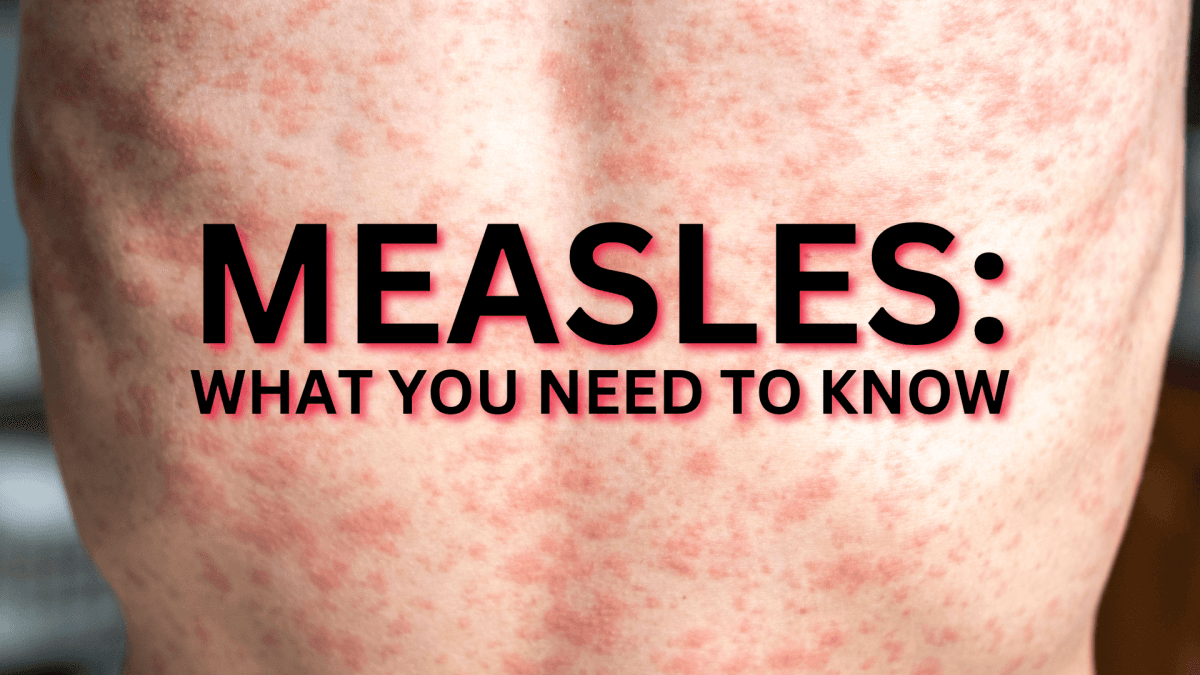
Imagine a child with a runny nose, red eyes and a mild fever. Most parents would call it a seasonal cold. Four days later a rash appears, and by then the child may have been spreading one of the most contagious viruses on Earth for almost a week.
That is measles. It is old, it is preventable, and in 2026 it is making headlines again. Reports describe a huge outbreak in Bangladesh, India sits near the top of WHO’s case lists, and even countries that had nearly forgotten the disease are seeing it return.
The good news is that measles is one of the few serious diseases we can stop with a safe, cheap vaccine. This guide covers what it looks like, why it spreads so fast, what is fact and what is myth, and what your family can do today.
Medical note: This article is for general awareness. It is not a diagnosis or medical advice. If you think someone has measles, call a doctor.
Measles at a Glance
Question | Quick answer |
|---|---|
What causes it? | The measles virus |
Main symptoms | High fever, cough, runny nose, red eyes, full-body rash |
How it spreads | Through the air, by coughs and sneezes |
Incubation period | Symptoms usually start 10–14 days after exposure |
Specific treatment? | No. Care focuses on symptoms and complications |
Best protection | Two doses of the measles-containing vaccine (MR or MMR) |
What Is Measles?
Measles infects the respiratory tract and then spreads throughout the body, causing a high fever, cough, runny nose and a rash all over the body. It is not a “minor childhood rash.” It is a serious infection that can harm the lungs, ears, brain and gut, and it can kill. who
Did you know? Measles is not the same as German measles (rubella), although the two are often prevented by the same vaccine.
Why Is Measles So Contagious?
Measles is the extreme case of a spreading illness. The virus hangs in the air, and you do not need to touch an infected person to catch it. About 90% of people without immunity who come into contact with an infected person will catch it. vaccination-info-service
The timing makes it harder to control. A person is contagious from about four days before the rash appears until about four days after it starts, roughly eight days in total. That means many people spread it before they know they are sick. cityofenglewood
How Measles Compares
Feature | Common cold | Flu | Measles |
|---|---|---|---|
Spreads through air | Yes | Yes | Yes, and very easily |
Rash | No | No | Yes |
Can cause brain swelling | Very rare | Rare | Yes |
Vaccine available | No | Yes (yearly) | Yes (2 doses, lifelong protection for most) |
Contagious before symptoms show | Slightly | Yes | Yes, up to 4 days before the rash |
Symptoms: A Day-by-Day Timeline
Knowing the order of symptoms helps you spot measles early.
Stage | Roughly when | What you may see |
|---|---|---|
Exposure | Day 0 | No symptoms yet |
Incubation | Days 1–9 | The person feels well but the virus is multiplying |
Early symptoms | Days 10–14 | High fever, cough, runny nose, red watery eyes, tiredness |
Koplik spots | 1–2 days before the rash | Tiny white spots inside the cheeks |
Rash appears | Days 3–5 after early symptoms | Red blotchy rash, usually starting on the face and hairline, then spreading down the body |
Recovery | 1–2 weeks | Fever drops, rash fades, cough may linger |
Quick self-check: Fever + cough + red eyes + rash starting on the face is a pattern worth calling a doctor about. Do not wait for it to “pass.”
Red Flags: When to Get Help Fast
Seek medical care straight away if a person with suspected measles has any of these:
Trouble breathing or very fast breathing
Fever that will not come down, or fits (convulsions)
Unusual sleepiness, confusion or severe headache
Signs of dehydration: very dry mouth, no urine for many hours, sunken eyes
Ear pain or discharge
The patient is a baby, pregnant, or has a weak immune system
Call ahead before visiting a clinic. Telling staff you suspect measles lets them protect other patients, especially infants and people with weak immunity.
Complications: Why Doctors Take It Seriously
For most people measles passes. For some it does not. Known complications include brain swelling (encephalitis), severe diarrhea with dehydration, and ear infections. Pneumonia is another major cause of measles deaths in children. sabin
Complication | Who is most at risk |
|---|---|
Pneumonia | Young children, malnourished children |
Encephalitis (brain swelling) | Any age; can cause lasting damage |
Severe diarrhea and dehydration | Infants and toddlers |
Ear infections | Young children |
Pregnancy complications | Pregnant women who are not immune |
Measles in Numbers: The 2026 Picture
Vaccines have changed the story. Estimated measles deaths fell from 780,000 in 2000 to 95,000 in 2024. That is a huge success, but the gap in coverage is still deadly. who
In 2025, about 77% of children worldwide received both doses of the measles vaccine, and about 84% received one dose by their first birthday. Elimination needs more. Two doses give over 99% protection, and eliminating measles requires at least 95% coverage with both doses. We are not there yet. whosquiz
World
Measles cases are rising again, with large outbreaks in several regions.
India
Around 26,600 cases in WHO’s July 2026 update, among the highest in the world.
Bangladesh
Reports say more than 202,000 suspected cases and 1,147 deaths since mid-March 2026.
United States
The outbreak worsened, with about 1,000 cases recorded by late February 2026.
Figures are provisional and change often. Source: WHO and news reports, 2026.
These figures are provisional and change often. Use them as a guide, not a final count.
A Closer Look: Madhya Pradesh
WHO India has highlighted work in Madhya Pradesh. In January and February 2026, 41 children were diagnosed with measles in Tikari, and teams vaccinated children aged nine months to 10 years against measles and rubella during the response. It shows how health workers, home visits and community trust can slow an outbreak. who
Myth vs Fact
Misinformation spreads almost as fast as the virus. Here is a quick fix for the most common myths.
Myth | Fact |
|---|---|
“Measles is just a mild childhood rash.” | It can cause pneumonia, brain swelling and death. |
“If the rash is gone, the child is safe to mix with others.” | Contagious days extend after the rash appears. Follow your doctor’s isolation advice. |
“Vaccinated people can never get it.” | Very rare, and when it happens, illness is usually milder. |
“Natural infection is better than the vaccine.” | Natural infection carries serious risks. The vaccine gives protection without them. |
“Vitamin A or home remedies cure measles.” | There is no cure. Vitamin A may be advised by a doctor, but it is not a replacement for vaccination or medical care. |
“Adults don’t need to worry.” | Unvaccinated or partly vaccinated adults can catch and spread it. |
Treatment and Home Care
There is no antiviral drug for measles. Care focuses on relieving symptoms, keeping the person comfortable and preventing complications. who
Supportive Care Checklist
Fluids: Offer water, oral rehydration solution (ORS), soup and breast milk for babies.
Rest: Let the body recover. Keep the room calm and dim if eyes are sensitive to light.
Fever relief: Use medicines only as advised by a doctor, especially for children.
Eyes and nose: Gently clean with clean, damp cotton.
Isolation: Keep the patient away from babies, pregnant women and unvaccinated people until the doctor says it is safe.
Nutrition: Small, regular meals. Keep feeding children even if appetite is low.
Important: Never give aspirin to children with viral illnesses unless a doctor specifically prescribes it.
Prevention: The Vaccine Is Your Best Shield
The measles vaccine is safe, effective and inexpensive, and children should receive two doses to be fully protected. In many countries it is combined with mumps and rubella (MMR), and in India it is given as the measles-rubella (MR) vaccine. who
India’s Routine Schedule at a Glance
Dose | Typical age | Where to get it |
|---|---|---|
MR dose 1 | 9–12 months | Government health centres, Anganwadi/ANM sessions, immunization days |
MR dose 2 | 16–24 months | Same as above |
Check your child’s immunization card or ask your ANM, ASHA worker or paediatrician, since schedules and catch-up campaigns can change.
Missed a Dose? Don’t Panic
Catch-up vaccination is possible for many children and adults. Ask your doctor or local health centre. Pregnant women should speak to their doctor first, as some live vaccines are not given during pregnancy.
Your Family’s Measles Protection Checklist
Save or screenshot this one.
Check immunization cards for every child. Look for two measles or MR doses.
Book a catch-up if a dose is missing.
Check adults too, especially if you are a healthcare worker, a teacher, planning pregnancy or travelling.
Know the symptoms: fever, cough, red eyes, rash starting on the face.
Isolate fast if someone is sick, and call the clinic before visiting.
Keep ORS and fluids at home for dehydration.
Wash hands, cover coughs and keep rooms ventilated.
Trust official sources, such as your doctor, health department and WHO.
Travelling? Read This First
Measles cases can cross borders quickly. If you plan to travel, especially to a region with an active outbreak, check your vaccination status at least a few weeks before you go. Public health experts have noted that imported cases through travellers are a real possibility, so staying informed and vaccinated matters.
FAQs
A cold rarely causes a high fever with red eyes and a rash that starts on the face. Only a doctor can confirm measles.
About four days before the rash appears until about four days after.
No. Treatment is supportive care and managing complications.
Two doses for full protection.
Yes, if they have never been vaccinated or never completed both doses.
Sources and notes
Links the author listed for this post.
Information is based on WHO’s measles fact sheet and related WHO and health-agency materials, WHO’s May and July 2026 global measles situation updates, WHO India’s March 2026 feature on measles-rubella work in Madhya Pradesh, and news reports on the 2026 outbreaks in Bangladesh and the US. Figures are provisional and change frequently. Vaccine schedules and campaigns can vary, so confirm details with your doctor, local health department or the official WHO and Government of India health websites before publishing or acting on them. This article is not a substitute for professional medical advice.

Discussion
0 comments
No comments yet
Discussion will appear here once it loads.