Fashion is no longer just about looking stylish; it is also about feeling comfortable, confident, and relaxed throughout the day. Modern clothing has evolved to meet the needs of people who balance work, travel, fitness, leisure, and personal commitments. From soft everyday essentials to breathable sleepwear and versatile casual outfits, comfort has become one of the most important elements of contemporary fashion. Brands like Tommy John focus on premium comfortable clothing, high-quality underwear, and everyday essentials designed to combine style, softness, and functionality.
The right clothing can make a significant difference in how people experience their daily routines. Well-designed fabrics, flexible fits, lightweight materials, and thoughtful construction help create garments that feel natural against the skin. Whether someone is spending a busy day at the office, relaxing at home, heading to the gym, or travelling to a new destination, comfortable clothing supports an active and balanced lifestyle.
Today, everyday fashion focuses on combining practicality with modern design. Instead of choosing between style and comfort, people are looking for clothing that delivers both. This growing preference has encouraged the development of versatile wardrobe essentials that can be worn across different occasions while maintaining a polished and effortless appearance.
The Importance of Comfort in Everyday Fashion
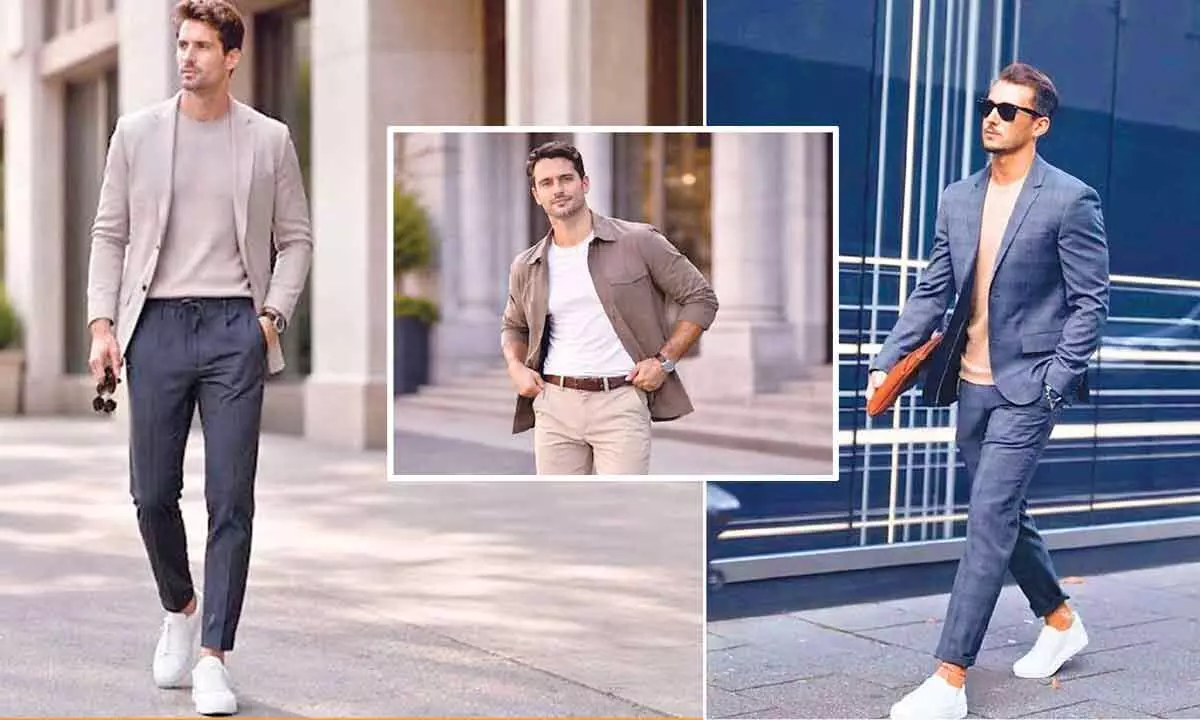
Comfort is one of the foundations of a functional wardrobe. Clothing that fits properly and feels pleasant throughout the day allows individuals to focus on their activities without unnecessary distractions. Tight seams, rough fabrics, poor sizing, and restricted movement can affect the overall wearing experience.
Modern fashion emphasizes garments that adapt to the body and lifestyle of the wearer. Stretchable materials, breathable fabrics, and carefully designed silhouettes are increasingly popular because they provide flexibility without compromising appearance.
Comfortable clothing is particularly valuable for people who spend long hours sitting, walking, working, or travelling. Everyday essentials should be practical enough for regular use while remaining stylish and durable.
Why Comfortable Clothing Matters
Improved flexibility: Stretch-friendly materials allow natural movement.
Better breathability: Lightweight fabrics help support airflow.
Everyday versatility: Basic garments can be styled for different activities.
Enhanced confidence: Properly fitting clothes create a more comfortable appearance.
Practical functionality: Easy-care fabrics simplify daily wardrobe management.
Comfort is not simply a fashion preference. It is an important consideration when building a wardrobe that supports different aspects of daily life.
Essential Clothing Categories for Everyday Wear
A well-organized wardrobe includes a combination of foundational garments, casual apparel, sleepwear, and supportive innerwear. Each category serves a different purpose, but together they create a practical clothing collection.
1. Everyday Innerwear and Underwear
Innerwear is one of the most important components of daily clothing. Although it is not always visible, it directly influences comfort, fit, and the overall wearing experience.
Everyday underwear should provide appropriate coverage, support, and softness. Different styles are designed to suit different body types, personal preferences, and activities.
For men, common options include boxer briefs, trunks, briefs, boxers, and square-cut underwear. For women, popular choices include briefs, bikinis, boyshorts, high-rise underwear, and thongs.
Choosing the right style depends on personal comfort, clothing preferences, and intended use.
2. Undershirts and Basic Tops
Undershirts and basic tops are versatile wardrobe essentials that can be worn independently or layered beneath other garments. They help create a clean, organized outfit while offering additional comfort.
Crew-neck, V-neck, tank-top, and sleeveless styles are suitable for different clothing combinations. Cotton and cotton-blend fabrics are popular choices because of their softness and everyday practicality.
A well-fitting undershirt should sit comfortably against the body without feeling excessively tight. Length, neckline, fabric thickness, and sleeve design all contribute to its usefulness.
3. Sleepwear and Loungewear
Sleepwear and loungewear are designed to support relaxation and comfortable movement. These garments are especially useful for evenings, weekends, and quiet moments at home.
Common sleepwear options include pajama sets, sleep shorts, relaxed-fit T-shirts, lightweight pants, nightwear, and soft lounge tops.
Loungewear can also serve as casual home clothing. Coordinated sets provide a neat appearance, while individual pieces offer greater flexibility for mixing and matching.
4. Casual Apparel
Casual apparel brings together comfort and everyday style. T-shirts, joggers, shorts, sweaters, polos, and relaxed trousers are suitable for a variety of informal occasions.
The key to casual fashion is selecting garments that are easy to combine. Neutral shades, simple designs, and versatile silhouettes allow individuals to create multiple outfits with fewer clothing pieces.
Casual apparel should provide enough flexibility for everyday activities while maintaining a balanced and attractive appearance.
Choosing the Right Fabric for Daily Comfort
Fabric selection plays a major role in determining how clothing feels, performs, and lasts over time. Different materials offer unique advantages, making it important to understand their properties before selecting everyday essentials.
Popular Fabrics and Their Benefits
Fabric | Key Characteristics | Suitable Clothing |
|---|---|---|
Cotton | Soft, breathable, natural feel | Underwear, T-shirts, sleepwear |
Modal | Smooth, lightweight, soft | Innerwear, lounge clothing |
Microfiber | Lightweight, quick-drying | Activewear, performance garments |
Spandex Blend | Flexible and stretchable | Boxer briefs, sports clothing |
Ribbed Knit | Textured and adaptable | Tops, underwear, lounge apparel |
Flannel | Warm and cozy | Pajamas, winter sleepwear |
Cotton remains a popular choice for everyday clothing because of its familiar texture and breathable nature. Modal fabrics are often appreciated for their smooth feel and drape. Stretch blends can improve flexibility, while flannel is useful for colder environments.
However, fabric suitability depends on garment construction, blend composition, climate, and personal preference. Understanding these factors helps shoppers make more informed decisions.
Breathable Fabrics for Warm Weather
During warmer months, breathable clothing becomes particularly important. Lightweight materials and comfortable fits can help reduce the feeling of excessive heat.
People often prefer:
Lightweight cotton T-shirts.
Breathable underwear.
Relaxed-fit shorts.
Moisture-managing activewear.
Thin and comfortable sleepwear.
Clothing that allows adequate airflow can contribute to a more pleasant everyday experience, especially during outdoor activities or long working hours.
Cozy Fabrics for Colder Seasons
Cold weather requires clothing that provides warmth without creating unnecessary bulk. Soft sweaters, thermal layers, flannel pajamas, and comfortable joggers can help create a cozy wardrobe.
Layering is an effective approach because it allows individuals to adjust their clothing according to changing temperatures. A lightweight base layer combined with a sweater or jacket can provide flexibility throughout the day.
How to Build a Practical Everyday Wardrobe
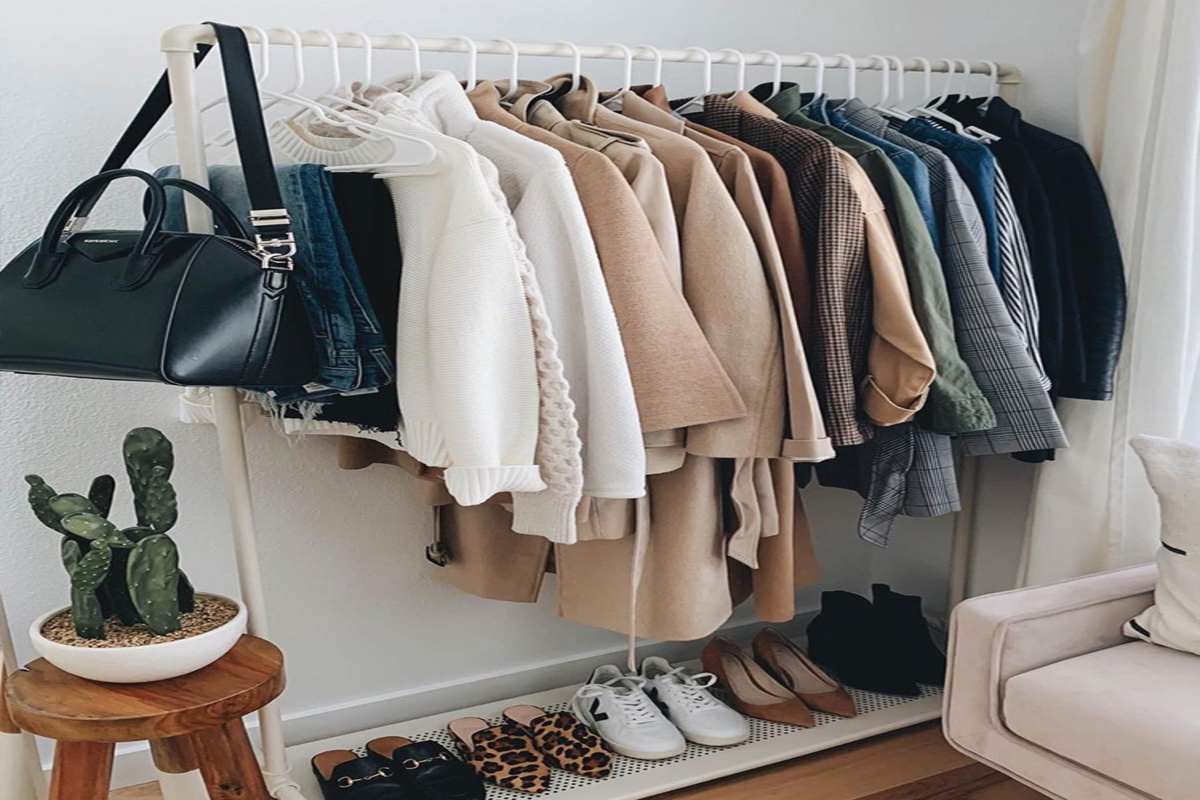
Building a useful wardrobe does not require purchasing a large number of clothing items. Instead, it involves selecting garments that are versatile, comfortable, and suitable for regular use.
Start with Essential Basics
Basic clothing items form the foundation of a functional wardrobe. These pieces are easy to style and can be used across different occasions.
A practical collection may include:
Everyday underwear in comfortable styles.
Basic T-shirts in neutral shades.
A selection of undershirts.
Comfortable sleepwear.
Casual trousers and joggers.
Lightweight sweaters.
Everyday socks.
Selecting quality basics can help reduce the need for frequent replacements and simplify outfit planning.
Focus on Fit and Sizing
Fit is one of the most important aspects of clothing comfort. A garment that is too tight may restrict movement, while an excessively loose garment may not provide the desired shape or support.
When selecting clothing, consider the following factors:
Body measurements.
Waistband comfort.
Shoulder and sleeve placement.
Garment length.
Stretch and recovery.
Intended activity.
Always review the sizing chart before purchasing online. Different manufacturers may use different sizing standards, so relying solely on your usual size may not always produce the best result.
Choose Versatile Colors
Neutral colors such as black, white, gray, navy, beige, and brown are easy to coordinate. These shades work well for everyday essentials because they can be combined with a wide variety of clothing styles.
For individuals who enjoy more expressive fashion, colorful garments and patterned designs can add personality to a wardrobe.
A balanced collection includes both versatile basics and a few distinctive pieces.
Clothing for Different Daily Activities
Everyday fashion becomes more practical when clothing is selected according to the activity.
Activity | Recommended Clothing | Important Feature |
|---|---|---|
Office work | Basic tops, undershirts, trousers | Comfortable fit |
Home relaxation | Lounge sets, soft T-shirts | Soft fabric |
Exercise | Stretchable activewear | Flexibility |
Travel | Lightweight layers, joggers | Easy movement |
Sleeping | Pajama sets, sleep shorts | Breathability |
Outdoor activities | Casual tops, shorts | Practical construction |
Clothing for Work and Long Hours
People who spend extended periods at work often benefit from comfortable base layers and well-fitting casual or formal garments.
Undershirts can be useful beneath dress shirts, while breathable underwear can help maintain comfort during long working hours.
For office environments, clothing should balance professional appearance with practical fit.
Clothing for Travel
Travel often involves extended sitting, walking, and changes in temperature. Lightweight clothing and flexible fabrics can make journeys more comfortable.
Useful travel essentials include comfortable underwear, breathable tops, joggers, sleepwear, and layering garments.
Wrinkle-resistant fabrics may also be useful for people who want their clothing to maintain a neat appearance after packing.
Clothing for Relaxation
Relaxation clothing should prioritize softness, flexibility, and ease of movement. Pajama sets, lounge pants, oversized T-shirts, and lightweight sweaters are popular choices for comfortable home wear.
Coordinated loungewear can provide a polished appearance without sacrificing the relaxed feeling associated with home clothing.
The Role of Modern Clothing Design
Modern clothing design focuses on combining functionality, comfort, and visual appeal. Small design details can have a noticeable effect on how a garment performs during everyday use.
Thoughtful Construction
Seam placement, waistband design, stitching quality, and fabric finishing contribute to garment comfort.
Flat seams may help reduce friction, while flexible waistbands can provide a more adaptable fit. Well-constructed garments are also more likely to maintain their shape through regular use and washing.
Functional Design Features
Practical features make everyday clothing easier to wear.
Examples include:
Stretch waistbands.
Secure pockets.
Lightweight construction.
Smooth seams.
Flexible fabric blends.
Easy-care materials.
These features may appear simple, but they can significantly improve the usefulness of daily wardrobe essentials.
Style Meets Practicality
Modern consumers increasingly prefer clothing that serves multiple purposes. A comfortable T-shirt may work as sleepwear, casual clothing, or a layering piece.
Similarly, versatile joggers can be suitable for relaxing at home, running errands, or travelling.
This multifunctional approach helps people create wardrobes that are practical and adaptable.
Smart Shopping Tips for Comfortable Clothing

Shopping for clothing becomes easier when buyers understand their priorities. Instead of focusing only on appearance or price, it is helpful to evaluate fabric, fit, construction, and long-term usability.
1. Check Fabric Composition
Always review the material information provided on clothing labels. Fabric composition helps explain how a garment may feel, stretch, and perform.
For example, cotton may provide a familiar soft feel, while a cotton-spandex blend may offer greater flexibility.
2. Compare Product Features
Different garments may look similar but offer different construction details. Comparing product descriptions can help identify useful features such as breathable fabrics, stretch properties, and garment length.
3. Consider Cost Per Wear
A garment that is worn regularly may provide greater long-term value than an item purchased for a single occasion.
The cost-per-wear approach can be useful when evaluating wardrobe purchases.
\[ \text{Cost Per Wear} = \frac{\text{Purchase Price}}{\text{Number of Wears}} \]
For example, a clothing item purchased for $40 and worn 80 times has a cost per wear of $0.50.
4. Read Customer Reviews
Customer reviews can provide useful information about sizing, softness, durability, and overall comfort. Look for recurring feedback rather than relying on one individual opinion.
Reviews that mention washing performance, fit consistency, and fabric feel may be especially helpful.
5. Understand Return Policies
Online clothing purchases can sometimes involve sizing or fit differences. Checking return and exchange policies before placing an order helps reduce uncertainty.
Clothing Care: Maintaining Comfort and Quality
Proper clothing care is essential for maintaining fabric softness, garment shape, and durability. Even high-quality clothing can deteriorate when it is washed or stored incorrectly.
Follow Washing Instructions
Different fabrics require different care methods. Always check the garment label before washing.
Use appropriate water temperatures.
Avoid excessive detergent.
Separate delicate garments from heavy items.
Follow recommended drying instructions.
Avoid unnecessary high-temperature washing.
Store Clothing Properly
Proper storage helps maintain the shape and condition of clothing.
T-shirts, underwear, and lounge pants can be folded neatly in drawers. Sweaters may benefit from folded storage rather than hanging, which can sometimes stretch their shape.
Organized storage also makes it easier to identify clothing items and plan outfits.
Replace Worn-Out Essentials
Everyday garments experience regular wear. Signs that clothing may need replacement include stretched waistbands, damaged seams, thinning fabric, persistent discomfort, and loss of shape.
Replacing worn-out essentials helps maintain a functional and comfortable wardrobe.
Everyday Fashion and the Future of Comfort
The future of everyday clothing is likely to continue emphasizing versatility, thoughtful design, and fabric innovation. Consumers increasingly value clothing that fits into their lifestyles rather than garments designed only for occasional use.
Several trends are shaping modern comfort-focused fashion.
Sustainable Clothing Choices
Consumers are becoming more interested in garment longevity, responsible material sourcing, and reduced clothing waste.
Choosing durable basics, maintaining garments properly, and avoiding unnecessary purchases can support more thoughtful wardrobe habits.
Sustainability also involves considering how frequently clothing is worn and how long it remains useful.
Flexible and Multifunctional Apparel
Clothing that adapts to different situations is becoming increasingly valuable. Everyday essentials may be used for work, relaxation, travel, and casual outings.
This versatility supports simplified wardrobes and more efficient clothing choices.
Personalized Comfort
People have different preferences regarding fabric softness, garment length, support, and fit. Modern clothing options increasingly accommodate these differences through varied styles and fabric collections.
Personal comfort is subjective, making individual preferences an important part of clothing selection.
This list highlights practical options for Everyday Comfort: Essential Clothing for Modern Living, with a focus on speed, usefulness, and how easy each option is to apply.
Top picks
Best overall: Choose this when you want the simplest reliable workflow.
Best for speed: Choose this when the task is urgent and low-risk.
Best for control: Choose this when formatting, privacy, or accuracy matters most.
Selection criteria
Useful result without unnecessary setup.
Clear output that readers can check quickly.
Good fit with related AltFTool tools and guides.
Final recommendation
Pick the option that matches your task size and risk level. When in doubt, start with the simplest workflow and move up only if you need more control.
Everyday essentials include comfortable underwear, basic T-shirts, undershirts, sleepwear, casual trousers, socks, and versatile tops.
Cotton, modal, microfiber, and stretch fabric blends are popular options. The best choice depends on the garment, climate, and personal preferences.
Consider fabric softness, proper sizing, waistband flexibility, coverage, and the type of activity you will be doing.
Proper fit supports natural movement, improves comfort, and helps garments maintain an attractive appearance.
Choose neutral colors, practical basics, comfortable fabrics, and garments that can be styled for multiple occasions.
Sources and review notes
References used to check facts, freshness, and reader-safe recommendations in this guide.
This article is based on general fashion and apparel topics, including everyday underwear, undershirts, sleepwear, loungewear, casual apparel, fabric selection, and clothing care.
Discussion
0 comments
No comments yet
Discussion will appear here once it loads.