
My cousin Neha once showed me her bathroom shelf with a kind of nervous laugh. There were eleven bottles on it. A vitamin C serum, two kinds of toner, a retinol she was scared of, three different moisturisers and a face mask she had used exactly once. “I buy something every time my skin breaks out,” she said. “And my skin still looks tired.”
I get it, because I’ve been that person too. Skincare marketing makes it sound like glowing skin needs a ten-step ritual and a small fortune. It really doesn’t. Most good-looking skin comes from a handful of steady habits done every day, not from a crowded shelf. So let’s build a routine that is simple, affordable and easy enough to follow even on a tired Tuesday night.
First, Understand What “Glow” Actually Means

Glowing skin isn’t flawless skin. Pores exist, small marks exist, and nobody has skin like the edited photos online. What people usually mean by glow is skin that looks hydrated, even-toned and rested. Light bounces off healthy, smooth skin, which is why it looks bright. Dry, flaky or irritated skin scatters that light, which is why it looks dull.
That’s good news, because it means the goal is not fancy. You mainly need to keep your skin clean, moisturised and protected, and avoid doing things that damage it. Everything else is a bonus.
Know Your Skin Type Before You Buy Anything
This is the step most of us skip, and it’s why we end up with products that sit unused. Your skin type decides what feels good on your face, so spend a few minutes noticing how it behaves.
Wash your face with a gentle cleanser, pat it dry and wait an hour without applying anything. If it feels tight and rough, you likely have dry skin. If your forehead and nose look shiny but your cheeks feel fine, you probably have combination skin. If your whole face looks oily, that’s oily skin. If it feels comfortable and balanced, it’s on the normal side. And if many products make it sting or turn red, it may be sensitive.
Skin can change with weather, stress, age and hormones, so don’t treat the answer as permanent. Check in again every few months. If you have persistent acne, rashes or any condition that worries you, a dermatologist is a better guide than any blog post, including this one.
The Core Routine: Three Steps Are Enough
Here’s the part that surprises people. A solid routine only needs three things in the morning and two or three at night. That’s it.
Morning: Cleanse, Moisturise, Protect
In the morning, your skin hasn’t picked up much dirt overnight, so a gentle rinse or a mild cleanser is usually enough. Follow with a light moisturiser, which keeps your skin barrier comfortable and helps makeup sit better. Then comes the most important product of the entire routine: sunscreen.
Sun exposure is a major cause of dark spots, uneven tone, early lines and dullness. Dermatologists commonly recommend a broad-spectrum sunscreen with SPF 30 or higher, applied generously every morning, even on cloudy days and even when you’re mostly indoors near windows. Reapply if you’re outside for long hours. If you only do one thing from this whole article, make it this.
Night: Cleanse, Treat if Needed, Moisturise
At night, you’re removing the day: sunscreen, sweat, pollution and any makeup. If you wear sunscreen or makeup, a first cleanse with a gentle oil or balm followed by a regular face wash works well. Then, if you use an active product, this is when it goes on. Finish with a moisturiser that suits your skin, a little richer than your day one if your skin is dry.
On nights when you’re exhausted, do the minimum: wash your face and moisturise. A short routine done daily beats a perfect routine done twice a month.
What changed
Cleanser: Gentle Is the Word
Many people scrub their face as if they were washing a pan. Harsh cleansers can strip natural oils and leave your skin tight, irritated and, strangely, more oily as it tries to compensate. A good cleanser should leave your face feeling clean but comfortable, never squeaky.
Use lukewarm water, not hot, and wash for about a minute with your fingertips. Rinse well, and pat dry with a clean towel instead of rubbing. Twice a day is plenty for most people. If your skin is very dry or sensitive, washing once in the evening and rinsing with water in the morning may be enough.
Moisturiser: Not Just for Dry Skin
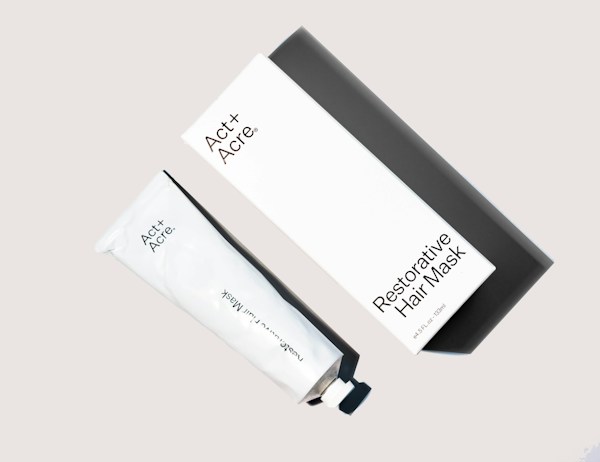
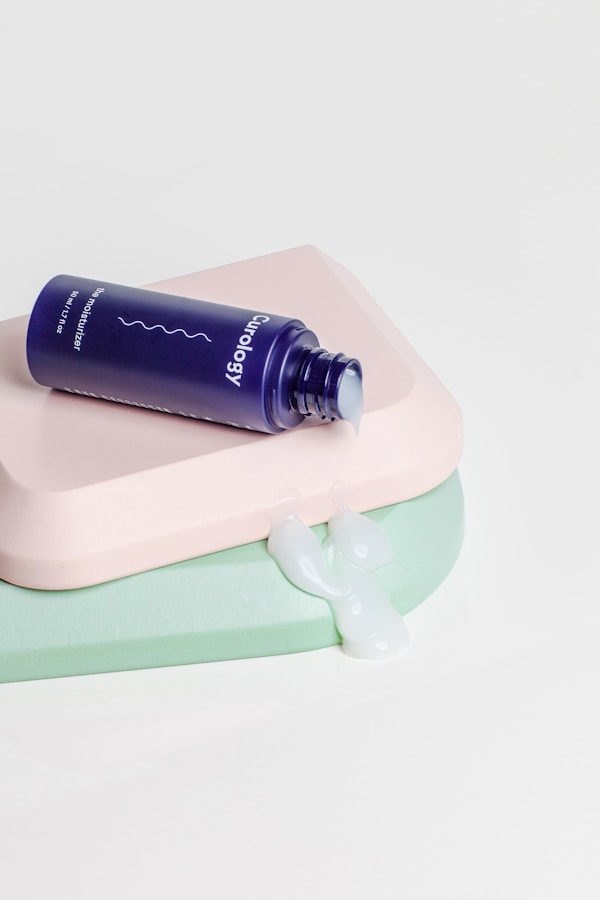


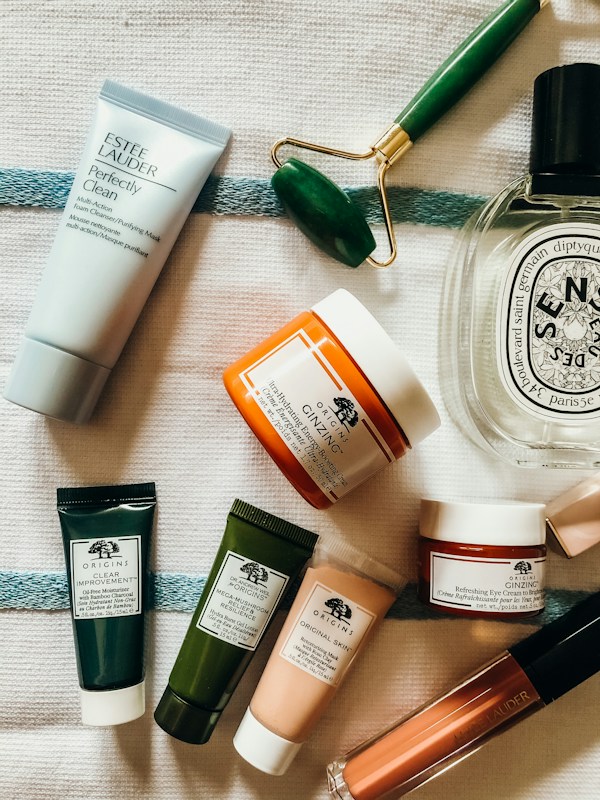
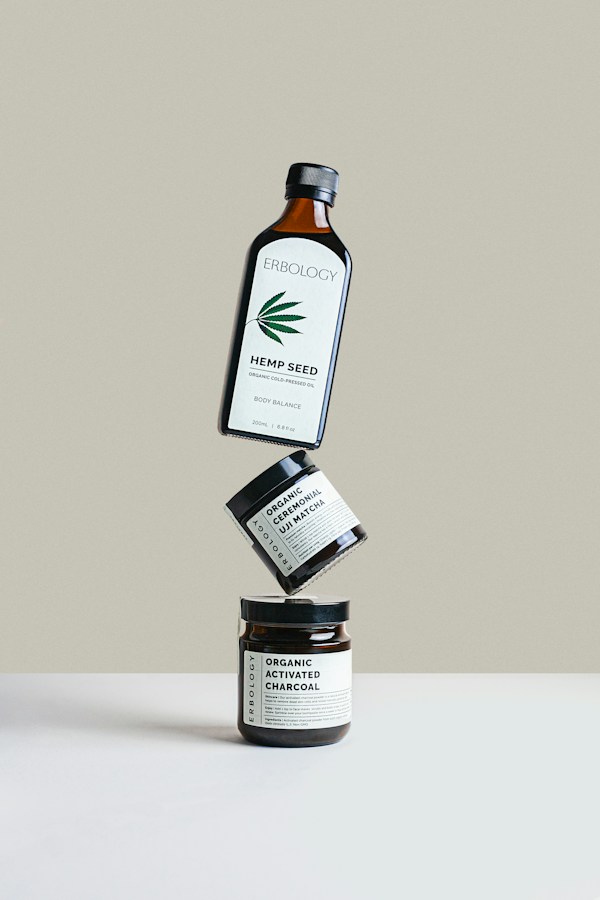
If you have oily skin, you might think you can skip moisturiser. Please don’t. Oily skin still needs hydration, and a light gel or lotion helps it stay balanced. Skipping it can leave your face dehydrated underneath the shine.
Look for ingredients like glycerin, hyaluronic acid, ceramides or simple, fragrance-light formulas. Apply it while your skin is still slightly damp for a better feel. You don’t need a luxury jar. A well-made, basic moisturiser does the job beautifully.
Adding Extras Slowly, If You Want Them
Once the basics feel natural, you can consider one extra product. Notice I said one. The mistake most of us make is adding five new things at once, then wondering which one caused the breakout.
Vitamin C in the Morning
Vitamin C is popular for brightening and protecting skin from environmental damage. It goes on before moisturiser and sunscreen. Start with a lower strength and see how your skin reacts.
Niacinamide for Balance
Niacinamide is gentle and widely tolerated, and many people use it to help with oiliness, uneven tone and the look of pores. It’s a good beginner option.
Retinol or Exfoliating Acids at Night
Retinol and chemical exfoliants like AHAs and BHAs can improve texture and tone, but they can also irritate, especially if you overdo them. Begin once or twice a week, use sunscreen faithfully and stop if your skin feels burning or raw. Pregnant or breastfeeding women should check with a doctor before using retinoids.
Whatever you add, patch test first. Dab a small amount behind your ear or on your inner forearm and wait a day. If you see redness, itching or swelling, don’t use it on your face.
A Quick Look at What Goes Where
Here’s a simple reference to keep things clear, so you don’t have to guess the order.
Step | Time of Day | Purpose | What to Keep in Mind |
|---|---|---|---|
Gentle cleanser | Morning and night | Removes dirt, oil and residue | Use lukewarm water, avoid scrubbing hard |
Active serum (optional) | Morning or night | Targets tone, texture or brightness | Introduce one at a time, patch test first |
Moisturiser | Morning and night | Keeps skin hydrated and comfortable | Choose a texture that suits your skin type |
Sunscreen | Morning, reapply outdoors | Protects against sun damage | Use SPF 30 or higher, apply generously |
Makeup removal | Night, if needed | Clears sunscreen and makeup | Do this before your regular cleanser |
The Habits That Do Half the Work
I used to think products were everything. Then I noticed that my skin looked its best in the weeks when I slept properly and drank enough water, and its worst during exam season, when I lived on tea and biscuits.
Sleep matters. Your skin repairs itself while you rest, and a few bad nights in a row often show up as dullness and dark circles. Food matters too, though not in a magical way. A balanced diet with fruits, vegetables, protein and healthy fats supports overall health, and your skin is part of that. Drinking water helps general hydration, but it won’t fix dry skin on its own, so keep up the moisturiser as well.
Stress, smoking and too much alcohol can all show on your face. You don’t need to be perfect. Even small improvements, like a regular bedtime or a daily walk, tend to help.
Mistakes That Quietly Ruin a Good Routine
Skipping sunscreen because the day looks cloudy
Over-exfoliating, which damages the skin barrier
Trying many new products at once
Popping pimples, which can leave marks and scars
Sleeping with makeup on
Using hot water and rough towels on your face
Be Patient and Track What Works

Skin takes time. A new routine usually needs around four to six weeks before you can judge it fairly, because skin renews itself slowly. If you change products every week, you’ll never know what helped.
Take a clear photo in natural light once a month. It’s easier to see progress that way than by staring in the mirror daily. And if something stings, burns or makes you break out badly, stop using it. Not every popular product suits every face, and that’s perfectly normal.
When to See a Professional
Persistent Skin Problems
Seek a dermatologist if acne, redness, or irritation does not improve.
Unexpected Skin Changes
Get professional advice about unusual spots, rashes, or changing moles.
Hair and Scalp Issues
Consult a specialist for ongoing hair loss, itching, or scalp irritation.
Severe Product Reactions
Stop using the product and seek medical advice for swelling, burning, or severe irritation.
A simple routine is great for everyday care, but it can’t solve everything. If you have severe or painful acne, sudden changes in a mole, patches that bleed or don’t heal, constant itching, or a rash that keeps coming back, please see a dermatologist. Getting proper advice early can save you money, time and a lot of worry.
Final Thoughts
Glowing skin doesn’t come from a shelf crammed with bottles. It comes from showing up daily for a few simple steps: cleanse gently, moisturise, protect with sunscreen and, if you wish, add one active slowly. Pair that with decent sleep, food and a little patience, and your skin will usually thank you.
Neha, by the way, took five of those eleven bottles off her shelf. Three weeks later she texted me a selfie with the message, “Why did nobody tell me it was this easy?” It isn’t magic, but it is simple. Start with the basics tonight, and let your skin do the rest. This is general information and not medical advice, so check with a dermatologist for any skin concern.
FAQ's
Start with cleansing, moisturizing, and applying sunscreen every morning.
Follow your basic skincare routine every morning and evening.
A gentle cleanser, moisturizer, and broad-spectrum sunscreen are essential.
Stay hydrated, eat balanced meals, sleep well, and follow consistent skincare habits.
Some improvements may appear within weeks, while other results take longer depending on your skin and products.
Sources and notes
Links the author listed for this post.
Information is based on general skincare guidance, dermatology recommendations, and reputable skincare product information.
- 1
Beauty
More on AltFTool
- altftool.com (opens in a new tab)
altftool.com

Discussion
0 comments
No comments yet
Discussion will appear here once it loads.