Choosing eyewear isn’t always as simple as picking a frame that looks good. The right pair should feel comfortable all day, support your vision needs and match your personal style. With so many frame designs, lens options, sunglasses and co
lenses out there, shopping can feel confusing. Some people need glasses only for reading or computer work, while others wear them from morning to night. Many also prefer contact lenses for the freedom they give during outdoor activities, exercise and social occasions. Each option has its own benefits, and knowing the differences helps you make a better decision.
Online eyewear shopping has made it much easier to explore styles, compare products and find suitable options without visiting several optical stores. Still, it helps to know what to look for before you place an order.
Let’s explore how to choose the right eyewear, understand different lens types and make smarter optical shopping decisions.
Understanding Your Everyday Eyewear Needs
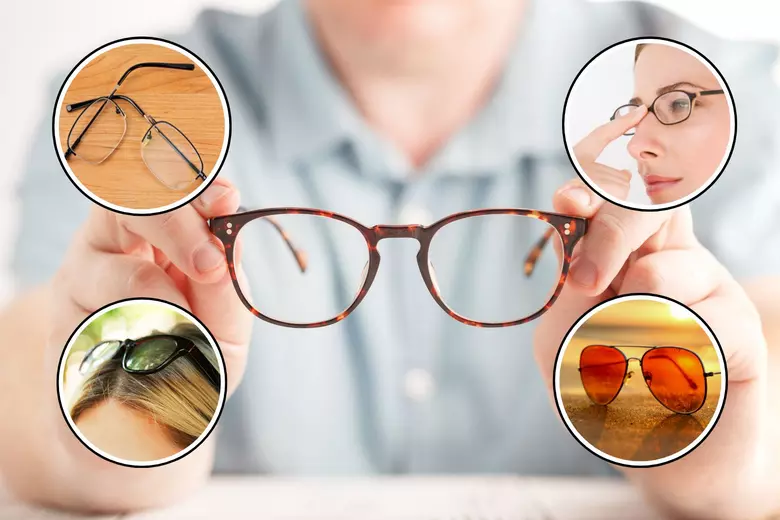
Before buying glasses or contact lenses, think about when and where you’ll use them. Your daily routine can make a big difference in choosing the right product.
For example, someone who spends most of the day on a laptop may prefer comfortable prescription glasses. A person who loves driving or outdoor activities may need sunglasses with proper UV protection. Someone who plays sports regularly might find contact lenses more convenient than frames.
Start by considering these factors:
Daily activities: Think about whether you need eyewear for work, reading, driving or outdoor activities.
Prescription requirements: Always use your latest prescription when ordering corrective eyewear.
Comfort: Choose frames or lenses that feel right for your regular use.
Personal style: Consider colours, shapes and designs that match your everyday clothing.
Budget: Compare quality, features and long-term maintenance costs before buying.
Understanding your needs first can save you from buying eyewear that looks great but doesn’t suit your lifestyle.
Different Types of Eyewear You Should Know About
1. Prescription Glasses
Prescription glasses correct vision problems such as short-sightedness, long-sightedness and astigmatism. They are available in different frame materials, shapes and lens designs.
Choose lightweight frames with comfortable nose pads. Check your prescription and frame measurements before buying.
Everyday Vision Support2. Sunglasses
Sunglasses protect your eyes from harmful ultraviolet rays while making outdoor activities more comfortable. Popular styles include aviators, wayfarers and oversized frames.
Look for 100% UVA and UVB protection or UV400 rather than judging quality by lens darkness.
UV Eye Protection3. Contact Lenses
Contact lenses sit directly on the eye and correct vision without traditional frames. Options include daily disposable, weekly, bi-weekly and monthly lenses.
Choose suitable lenses with guidance from an eye care professional and follow proper cleaning and storage instructions.
Frame-Free Vision4. Prescription Sunglasses
Prescription sunglasses combine vision correction with sun protection. They are useful for people who wear prescription glasses and spend time outdoors.
Choose suitable lens options and frame shapes according to your prescription and daily lifestyle.
Vision + Sun ProtectionHow to Choose the Right Glasses for Your Face Shape

The shape of your glasses can change the overall look of your face. There are no strict rules, but certain frame styles may create a more balanced appearance.
Round Face: Rectangular and square frames can add definition and contrast to softer facial features.
Square Face: Round or oval frames may soften strong angles and create a balanced look.
Oval Face: Many frame shapes work well here. You can try rectangular, round and cat-eye designs.
Heart-Shaped Face: Lightweight frames, oval designs and softer shapes can complement a wider forehead and narrower chin.
Remember that face shape is only a starting point. Frame width, bridge fit, lens size and personal comfort matter just as much.
Understanding Different Eyewear Lens Options
People usually focus on frames when shopping for glasses, but lenses are just as important. The right lens features can improve everyday comfort and make glasses better suited to certain activities.
Single Vision Lenses
Single vision lenses have one prescription power across the whole lens. They’re commonly used to correct short-sightedness, long-sightedness or astigmatism.
Varifocal Lenses
Varifocal lenses combine different prescription strengths in one lens. They let wearers see at different distances without switching between separate pairs of glasses.
They may take some time to get used to, so professional fitting and advice are important.
Anti-Reflective Coating
Anti-reflective coating cuts down reflections on the lens surface. It can help when working under artificial lighting, driving at night or spending time in front of screens.
UV Protection
UV protection helps reduce exposure to harmful ultraviolet rays. It’s especially important for sunglasses and other eyewear meant for outdoor use.
Blue Light Lenses
Blue light filtering lenses are marketed to people who spend a lot of time on digital devices. However, scientific evidence does not establish that blue-light filtering glasses prevent digital eye strain. Good screen habits, comfortable lighting and regular breaks remain useful ways to manage screen-related discomfort.
Contact Lenses vs Glasses: Which Is Better?
This is one of the most common questions people ask about vision correction. The answer depends on personal preference, eye health and daily activities.
Glasses are easy to wear and don’t need direct contact with the eyes. They’re also simple to maintain, although they can feel uncomfortable during exercise or in rainy weather.
Contact lenses give a wider field of vision and don’t fog up when you move between different temperatures. They can also be handy for sports and for occasions when you’d rather not wear glasses.
However, contact lenses need proper hygiene, cleaning and replacement according to their prescribed schedule.
Feature | Glasses | Contact Lenses |
|---|---|---|
Daily maintenance | Cleaning the lenses and frames | Cleaning and storage where required |
Outdoor activities | May move during exercise | Often convenient for active use |
Field of vision | Frame edges may limit peripheral vision | Wider natural field of vision |
Eye contact | No direct contact with the eye | Sits on the eye surface |
Replacement | Depends on frame and lens condition | Follows the prescribed replacement schedule |
Neither option is automatically better for everyone. Some people keep both glasses and contact lenses so they can choose based on their activities.
Tips for Shopping for Eyewear Online
Online optical shopping offers convenience and a wider selection. You can explore different brands, compare frame designs and check lens specifications from home.
Still, buying eyewear online needs a little care.
Check Your Latest Prescription
Before ordering prescription glasses or contact lenses, make sure your prescription is current. For contact lenses, a spectacle prescription is not a substitute for a contact lens prescription or fitting details.
Understand Frame Measurements
Check the frame width, lens width, bridge size and temple length. These measurements can tell you whether a frame is likely to fit comfortably.
Compare Lens Features
Don’t pick lenses based on price alone. Look at the available coatings, lens thickness, prescription compatibility and other features that may suit your needs.
Check Product Authenticity
When buying branded eyewear, choose a retailer that gives clear product information and sells genuine products. Check the manufacturer’s details and the retailer’s quality and supplier information.
Read the Return Policy
Eyewear can sometimes look or feel different from what you expected. Before ordering, understand the retailer’s return, refund and exchange conditions.
Compare Prices Carefully
A lower price isn’t always the best deal. Compare the complete product, including frame quality, lens options, delivery charges and after-sales support.
How to Take Proper Care of Your Glasses and Contact Lenses

Good eyewear habits help maintain product quality and keep everyday use comfortable.
For glasses, use a clean microfibre cloth and a suitable lens cleaning solution. Avoid wiping lenses with clothing or tissues, because rough surfaces can scratch them.
Keep your glasses in a protective case when you’re not using them. Don’t leave them in a hot car or place them lens-down on hard surfaces.
Contact lens users need to follow a different care routine. Always wash and dry your hands before handling lenses. Follow the recommended cleaning and storage instructions, use fresh contact lens solution when required and never reuse old solution.
Do not sleep in contact lenses unless your eye care professional has specifically advised that your prescribed lenses are suitable for overnight wear. Avoid exposing lenses to swimming pool, shower or tap water.
If your eyes become red, painful or unusually sensitive to light, or your vision suddenly turns blurry while wearing contact lenses, remove the lenses and seek prompt advice from an eye care professional.
Why Eye Care Should Be Part of Your Everyday Routine
Buying good-quality eyewear is only one part of looking after your vision. Regular eye examinations matter because some eye conditions can develop without obvious early symptoms.
If you use digital devices for long periods, follow the 20-20-20 rule: every 20 minutes, look at something around 20 feet away for at least 20 seconds. Adjust your screen brightness and position to make working more comfortable.
Avoid rubbing your eyes often, wear suitable UV-protective sunglasses outdoors and follow professional advice about your prescription.
It’s also worth remembering that changing your glasses or contact lens power without a proper eye examination can lead to discomfort and unsuitable vision correction.
Final Thoughts
Choosing the right eyewear involves more than following the latest fashion trends. Your prescription, daily activities, comfort, frame fit and lens features all play an important role in finding the right option.
Whether you prefer prescription glasses, stylish sunglasses or contact lenses, take time to understand what each product offers before you buy. Compare product details, check retailer policies and seek professional advice whenever you’re unsure about your vision requirements.
A little research before shopping can make a real difference. The best eyewear is the one that supports your vision needs, feels comfortable and fits naturally into your everyday life.
FAQ's
Choose frames that complement your face shape, fit comfortably and match your personal style.
Prescription glasses correct vision, while sunglasses protect your eyes from sunlight and UV rays.
Both have benefits. Contact lenses offer more freedom during activities, while glasses are easier to maintain.
Check your prescription, frame measurements, lens features, product authenticity and return policy.
Clean glasses with a microfibre cloth and follow proper cleaning, storage and replacement instructions for contact lenses.
Sources and review notes
References used to check facts, freshness, and reader-safe recommendations in this guide.
Information for this article is based on general eyewear knowledge, optical product information and eye care guidance, with Feel Good Contacts used as a reference for eyewear and optical retail topics.
- 1
- 2
Discussion
0 comments
No comments yet
Discussion will appear here once it loads.