A detailed guide to premium clothing, contemporary fashion, wardrobe essentials and the changing apparel retail industry, featuring Theory as an industry example. Fashion is more than choosing clothes that look good. It is about finding pieces that reflect personal style, feel comfortable throughout the day and suit different occasions. As shoppers become more thoughtful about what they buy, premium apparel retail is gaining attention for its focus on fabric quality, fit, craftsmanship and versatile designs.
In 2026, the fashion industry is seeing a growing interest in clothing that offers lasting value rather than simply following short-lived trends. Consumers are exploring better materials, timeless wardrobe essentials, modern tailoring and more responsible production practices. This shift is influencing how fashion brands design their collections and how customers make purchasing decisions.
One example of this approach is Theory. Founded in New York in 1997, Theory is known for contemporary clothing, refined tailoring and an emphasis on fit, fabric and everyday wearability. Its collections provide a useful example of how premium apparel brands combine modern design with practical wardrobe needs.
This guide explores the fashion and premium apparel retail industry, its major product categories, current trends, fabric choices, shopping considerations and the features that help distinguish premium clothing from everyday fast-fashion options.What Is Fashion & Premium Apparel Retail?
How the Premium Fashion Retail Industry Is Changing in 2026

The fashion retail market is evolving as shoppers become more selective about where they spend their money. Many consumers are paying closer attention to product quality, brand reputation, shopping experiences and the practical value of clothing.
Several developments are shaping the industry in 2026.
1. Quality Over Quantity
Many shoppers are moving towards more intentional wardrobe choices. Instead of buying large quantities of clothing, they are considering whether individual pieces can be worn regularly and styled in different ways.
This approach encourages investment in versatile essentials such as tailored trousers, quality shirts, comfortable knitwear and classic outerwear.
2. Modern Minimalism
Minimalist fashion continues to influence premium apparel collections. Clean silhouettes, simple detailing, neutral colours and understated designs make clothing easier to coordinate.
However, minimalism does not have to mean boring outfits. Interesting fabric textures, thoughtful proportions and subtle construction details can give simple clothing a distinctive appearance.
3. Comfort Meets Professional Style
The traditional boundary between office clothing and casual fashion has become more flexible. Stretch fabrics, relaxed tailoring, lightweight knitwear and comfortable trousers allow people to create polished outfits without sacrificing ease of movement.
This is especially relevant for people who move between work, travel and social activities throughout the day.
4. Greater Attention to Materials
Customers are increasingly interested in what their clothing is made from. Cotton, wool, linen, cashmere and recycled or preferred fibres are receiving attention because of their different qualities and production considerations.
Fabric transparency and responsible sourcing are also becoming more important parts of brand communication.
5. Better Digital Shopping Experiences
Online fashion retail is becoming more sophisticated. Customers expect clear product photographs, accurate size information, useful fabric descriptions, styling suggestions and straightforward return policies.
Retailers are also exploring personalised recommendations and digital tools to help shoppers discover suitable products.
Understanding the Main Categories of Premium Apparel
Main Categories of Premium Apparel
Premium apparel retail covers several clothing categories. Understanding them can make it easier to build a balanced wardrobe.
Women's Clothing
Premium women's apparel includes clothing designed for professional, casual, formal and everyday occasions.
See the full range
- Blazers and tailored jackets
- Trousers and tailored pants
- Shirts and blouses
- Dresses and skirts
- Knitwear and sweaters
- Coats and outerwear
- Casual tops and everyday essentials
Men's Clothing
Men's premium apparel often combines classic wardrobe foundations with contemporary cuts and fabrics.
See the full range
- Tailored suits and blazers
- Dress shirts and casual shirts
- Chinos and tailored trousers
- Denim and casual pants
- Sweaters and knitwear
- Jackets and coats
- T-shirts and everyday basics
Tailored Clothing
Tailoring is an important part of premium fashion. It focuses on garment structure, proportions, fit and finishing.
See the full range
- Blazers and suits
- Structured trousers
- Waistcoats
- Formal jackets
- Modern touches: softer shoulders, relaxed silhouettes, stretch materials
Knitwear and Seasonal Clothing
Knitwear offers comfort, warmth and layering options, and can be styled through different seasons depending on fabric weight.
See the full range
- Sweaters and cardigans
- Lightweight knitted tops
- Wool-blend garments
- Lightweight linen for warmer weather
- Wool or cashmere outerwear for colder conditions
Accessories and Finishing Pieces
Accessories help complete an outfit and add individual character.
See the full range
- Belts
- Scarves
- Bags
- Wallets
- Hats
- Fashion jewellery
- Other everyday accessories
Mix & Match: One Blazer, Two Looks
A versatile blazer works in more than one setting.
What Is the Occasion?
Tap one to see which pieces to look at.
The Tailoring Fit Check
Premium apparel retail covers several clothing categories. Understanding these categories can make it easier to build a balanced wardrobe.
Why Fabric Quality Matters in Premium Fashion
Fabric plays a major role in how a garment feels, looks and performs. Two pieces may have similar designs but offer very different wearing experiences because of their material composition and construction.
Here are some commonly used fabrics in premium apparel.
Cotton
Cotton is widely used because it is comfortable, breathable and suitable for many types of clothing. It appears in shirts, T-shirts, trousers, dresses and casual essentials.
The quality of cotton garments can vary according to fibre characteristics, yarn construction, fabric weight and finishing.
Wool
Wool is valued for warmth, insulation and its ability to work in different garment structures. It is commonly used in suits, coats, trousers and sweaters.
Different wool types offer different textures and levels of softness. Customers should also check care instructions because some wool garments require specialist cleaning or gentle washing.
Cashmere
Cashmere is known for its soft feel and lightweight warmth. It is often used in premium sweaters, scarves and other cold-weather clothing.
Because cashmere garments can be delicate, proper storage and care are important for maintaining their appearance.
Linen
Linen is popular for warm-weather clothing because it is lightweight and breathable. It is commonly used in shirts, trousers, dresses and relaxed summer tailoring.
Its natural creasing is part of its character, although shoppers who prefer a smoother appearance may want to consider fabric blends.
Recycled and Preferred Fibres
Some fashion retailers are increasing their use of recycled and preferred materials. These materials may help reduce certain environmental impacts depending on how they are sourced, processed and manufactured.
However, a material label alone does not prove that a garment is sustainable. Shoppers should look for clear information about sourcing, certifications, manufacturing practices and supply-chain transparency.
The Importance of Fit, Comfort and Construction
A premium garment should not be judged only by its appearance. Fit, comfort and construction are equally important.
Understanding Fit
Clothing fit affects how a garment sits on the body and how comfortable it feels during movement.
Common fit styles include:
Slim fit: A closer silhouette with less excess fabric.
Regular fit: A balanced shape that allows comfortable movement.
Relaxed fit: A looser silhouette with additional room.
Oversized fit: An intentionally generous shape for a modern, casual appearance.
The best fit depends on personal preference, garment design and intended use. It is worth checking the brand's size chart rather than assuming that the same size will fit consistently across retailers.
Checking Construction
Before purchasing premium clothing, examine details such as:
Even stitching and finished seams
Secure buttons and fastenings
Smooth zippers and closures
Consistent fabric quality
Proper lining where required
Clean hems and garment finishing
These details can offer useful clues about how carefully a garment has been made.
Choosing Everyday Comfort
Clothing should support daily activities rather than restrict them. Consider the garment's weight, breathability, stretch, lining and movement.
For example, a structured blazer may be suitable for formal occasions, while a softer jacket with a little stretch may work better for regular office wear.
Building a Timeless Premium Wardrobe
A well-planned wardrobe does not need to contain hundreds of pieces. A collection of versatile essentials can provide more outfit combinations and make everyday dressing easier.
Consider these wardrobe foundations:
1. A Well-Fitted Blazer
A blazer can create a polished appearance for professional meetings, dinners and special occasions. Neutral shades such as black, navy, grey and beige are relatively easy to coordinate.
2. Classic Trousers
Tailored trousers can be styled with shirts, knitwear, blazers and casual tops. Choose a fit that suits your body shape and daily routine.
3. Quality Shirts
A crisp button-down shirt is a useful wardrobe staple. It can be worn with formal trousers, denim or layered under a sweater.
4. Comfortable Knitwear
A good sweater or cardigan offers an easy layering option. Consider fabric softness, weight, warmth and care requirements.
5. Versatile Outerwear
A well-designed coat or jacket can become one of the most frequently worn pieces in a wardrobe. Select a style that works with several outfits rather than only one occasion.
6. Everyday Basics
Simple T-shirts, comfortable tops and neutral essentials help create outfits without much effort. Their value often comes from how frequently they can be worn.
How to Style Premium Apparel for Different Occasions
Premium clothing can be practical when individual pieces are styled in more than one way.
Professional and Office Wear
For a professional setting, combine tailored trousers with a shirt, blouse or structured blazer. Neutral colours create a refined appearance, while subtle accessories add personality.
A matching blazer and trouser combination is useful for formal meetings, but the pieces can also be worn separately to create different looks.
Smart Casual Outfits
Smart casual clothing sits between formal and relaxed dressing. Try pairing a clean shirt with chinos, a relaxed blazer with denim or a fine-knit sweater with tailored trousers.
The goal is to look put together without feeling overdressed.
Weekend and Everyday Style
Comfortable clothing can still look polished. Simple T-shirts, relaxed trousers, knitwear and casual jackets are useful options for weekends, shopping trips and informal gatherings.
Focus on comfortable fabrics and pieces that fit naturally into your routine.
Evening and Special Occasions
For evening events, consider structured jackets, refined dresses, tailored trousers or elegant knitwear. A simple outfit can feel more distinctive through thoughtful accessories, fabric texture and well-balanced proportions.
Theory: An Example of Contemporary Premium Apparel Retail
Theory is a New York-founded fashion brand established in 1997. Its original approach centred on the relationship between fit, fabric and style, with the aim of creating clothing that feels comfortable while maintaining a refined appearance.
The brand offers collections for women and men, including tailoring, trousers, shirts, knitwear, outerwear and everyday wardrobe essentials.
One of Theory's distinguishing ideas is its emphasis on modern clothing that can work across professional and everyday settings. Rather than focusing only on occasion-specific fashion, its collections demonstrate how clean silhouettes and considered materials can support a versatile wardrobe.
What Makes Theory Relevant to Premium Fashion?
Focus on Fit: The brand places importance on garment shape, construction and comfort.
Fabric Selection: Theory describes testing materials for their feel, durability and design qualities.
Contemporary Tailoring: Its collections include modern interpretations of blazers, trousers, shirts and other tailored pieces.
Wardrobe Versatility: Many of its clothing categories are designed to work across different occasions.
Responsible Material Sourcing: Through its Theory for Good initiative, the company discusses preferred fibres, material sourcing and supply-chain traceability.
These points reflect the brand's stated approach and should not be taken as a guarantee that every product has identical materials, construction or environmental performance. Product details should always be checked individually.
Sustainability and Responsible Fashion Retail
Sustainability has become an important discussion within the fashion industry. Clothing production involves raw materials, water, energy, transportation, manufacturing and packaging. Each stage can have environmental and social effects.
Premium retailers are increasingly discussing preferred fibres, responsible sourcing, product longevity and supply-chain transparency.
Theory's Theory for Good initiative describes its work with preferred materials, responsible sourcing policies and supply-chain traceability. It also highlights its focus on cotton, wool and linen sourcing. These are company-reported commitments, and shoppers should review the specific product and sourcing information when evaluating an item.
Consumers can also make more thoughtful choices by:
Buying clothing they expect to wear regularly.
Choosing versatile designs instead of short-lived trends.
Following washing and care instructions.
Repairing garments when practical.
Considering resale or donation when clothing is no longer needed.
Checking material information and sourcing claims.
Sustainable fashion is not defined by price alone. A more expensive garment is not automatically more responsible, and a lower-priced item is not necessarily poor quality. Product information and manufacturing practices matter.
How to Choose the Right Premium Apparel Brand
Choosing a premium clothing brand requires more than looking at its collection photographs or reputation. A little research can help customers make more confident decisions.
1. Understand Your Personal Style
Think about the clothing you already wear and the occasions you dress for most often. A professional wardrobe may require more tailored pieces, while a casual lifestyle may benefit from comfortable trousers, knitwear and everyday essentials.
2. Check Fabric Composition
Read the product description carefully. Look at the material percentages, lining, fabric weight and care instructions. These details help explain how the garment may feel and how much maintenance it requires.
3. Review the Size Guide
Check garment measurements rather than relying only on standard size labels. If possible, compare them with a similar item that already fits comfortably.
4. Consider Cost Per Wear
A garment's value can be considered in relation to how often it will be worn.
For example, a versatile blazer that works for several occasions may provide more practical value than an expensive statement piece worn only once. This does not guarantee durability, so construction and care still matter.
5. Read Return and Exchange Policies
Before ordering online, understand the return window, exchange conditions, shipping costs and final-sale restrictions. These policies can differ by country and product.
6. Research the Brand
Explore the brand's background, product information, customer reviews and approach to materials. Look for clear descriptions instead of relying entirely on marketing language.
Online Shopping vs. In-Store Premium Fashion Retail
Both online and physical stores offer different advantages.
Online Shopping
Convenient access to collections.
Easy comparison of product descriptions and prices.
Availability of customer reviews.
Shopping without visiting a physical store.
Access to size guides and styling suggestions.
However, customers cannot physically feel the fabric or try on the garment before ordering. Accurate measurements and clear return policies are therefore important.
In-Store Shopping
Opportunity to feel fabrics and examine construction.
Ability to try different sizes and fits.
Direct assistance from store staff.
Easier comparison of colours and garment proportions.
Potential access to in-store services, depending on the location.
For premium purchases, visiting a store can be useful when fit, tailoring and material feel are especially important.
Common Mistakes to Avoid When Buying Premium Clothing
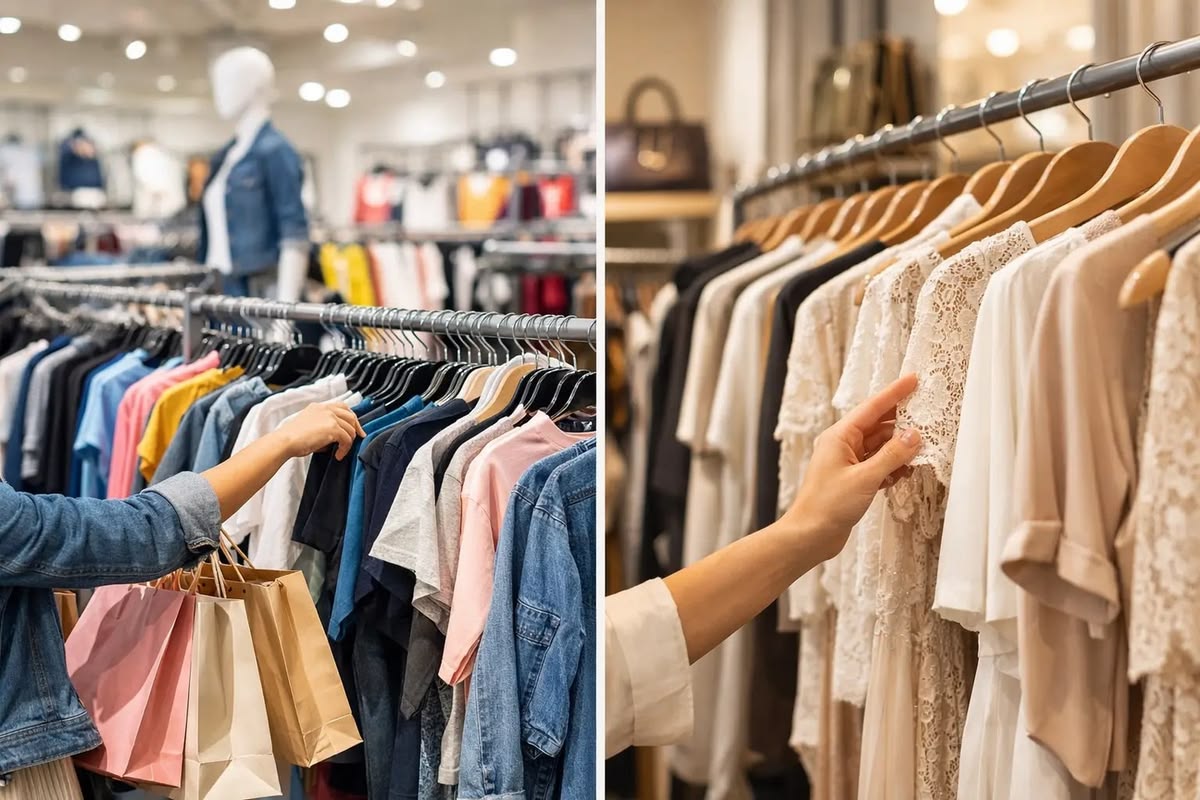
Even experienced shoppers can make decisions that do not suit their wardrobes. Avoiding a few common mistakes can help improve the shopping experience.
Buying Only Because of the Brand Name: A recognised brand does not guarantee that every item is suitable for your needs.
Ignoring Fabric Care: Some premium fabrics need special washing, drying or storage. Check whether you can maintain the garment properly.
Choosing the Wrong Size: A high-quality garment may still look uncomfortable if the fit is unsuitable.
Following Every Trend: Not every trend works with every lifestyle. Choose designs that complement your existing wardrobe.
Overlooking Return Conditions: Check the policy before purchasing, especially for discounted or final-sale items.
Confusing Price with Quality: Compare the fabric, construction, fit and practical value instead of judging a garment only by its price.
The Future of Fashion & Premium Apparel Retail
The premium fashion retail industry is likely to continue changing as customer expectations, digital shopping habits and production practices evolve.
Some developments worth watching include:
Personalised Shopping: Digital recommendations and improved product discovery may help customers find clothing suited to their preferences.
More Product Transparency: Shoppers may increasingly expect clearer information about materials, sourcing and manufacturing.
Modern Wardrobe Essentials: Versatile clothing and timeless designs are likely to remain important for customers seeking long-term value.
Resale and Circular Fashion: Second-hand clothing, resale platforms and garment reuse are becoming more relevant to fashion retail.
Improved Shopping Experiences: Brands may continue combining online convenience with personalised in-store services.
The wider fashion industry is also exploring artificial intelligence, more efficient sourcing and new approaches to customer engagement. These developments are changing how retailers operate and how shoppers discover products.
Building a stylish wardrobe is easier when you have the right ideas, useful resources and tools at your fingertips. AltFTool offers a collection of online tools designed to simplify everyday tasks and support different personal and creative needs. Whether you are exploring fashion inspiration, planning your next shopping experience or looking for practical digital resources, helpful tools can make the process more convenient. Discover useful features and explore more possibilities by visiting AltFTool.
Final Thoughts
Fashion and premium apparel retail in 2026 is about finding a balance between personal style, comfort, quality and value. Customers are looking beyond appearance and paying more attention to fabric choices, fit, garment construction and how clothing fits into everyday life.
Brands such as Theory offer an example of contemporary premium fashion through their focus on modern tailoring, versatile essentials and material selection. However, the right clothing choice ultimately depends on individual preferences, budget, lifestyle and the quality of each specific garment.
A thoughtful wardrobe does not need to follow every new trend. Choosing well-fitting, versatile and comfortable pieces can make dressing easier while helping customers develop a style that feels personal and lasts beyond a single season.
FAQ's
Premium apparel retail focuses on quality clothing, refined designs, better materials, comfortable fits and thoughtful craftsmanship.
Premium clothing often emphasises fabric quality, garment construction, fit, finishing and versatile designs.
Modern tailoring, minimalist styles, versatile wardrobe essentials, relaxed fits and sustainable fabric choices are gaining attention.
Theory is known for contemporary clothing, modern tailoring, refined designs and versatile wardrobe essentials for women and men.
Compare fabric quality, fit, construction, pricing, customer reviews, sizing information and return policies before purchasing.
Sources and review notes
References used to check facts, freshness, and reader-safe recommendations in this guide.
This article is based on information from Theory's official website, including its brand history, design philosophy, women's and men's clothing collections, fabric selection and Theory for Good sustainability initiatives.
- 1
- 2
Discussion
0 comments
No comments yet
Discussion will appear here once it loads.