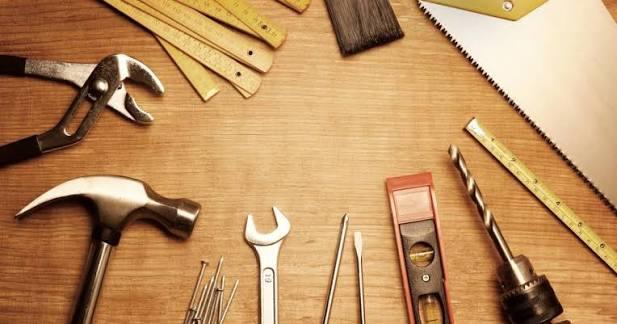
I have noticed that many everyday problems around the house do not actually need a big repair job. Sometimes, a loose screw, a dripping tap, a blocked drain, or a picture that needs hanging can become annoying simply because we do not have the right small tool nearby.
Over time, I have realized that having a few basic tools at home can save both time and money. You do not always need to call a professional for every little issue. With the right tool and a little patience, many simple household problems can be handled easily.
The best part is that these tools are usually small, affordable, and easy to store. A basic screwdriver, measuring tape, pliers, wrench, utility knife, or Allen key set can be surprisingly useful.
So, let us look at some common home problems that small tools can solve and which tools are worth keeping in your household toolkit.
Why Small Tools Are So Useful at Home
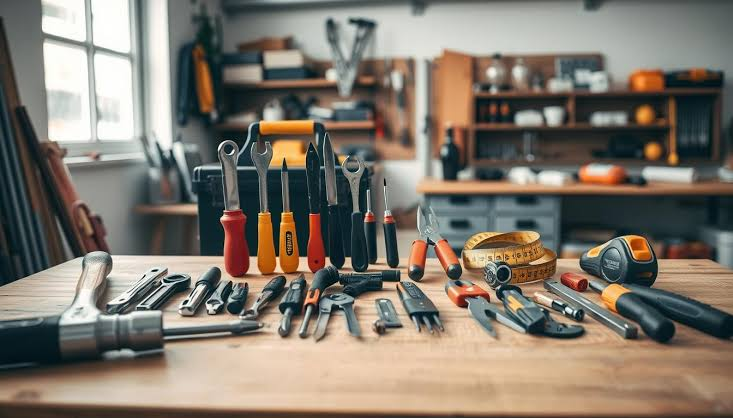
A home does not stay perfectly maintained on its own. Screws become loose, furniture needs adjustment, hooks come off, cupboard handles need tightening, and small fittings occasionally need attention.
Having basic tools nearby means you do not have to wait for someone else to fix every minor problem.
Some benefits of keeping small tools at home include:
Quick fixes for everyday problems
Less dependence on repair services
Saving money on minor repairs
Easy furniture adjustments
Better home maintenance
Useful for DIY projects
Helpful during emergencies
I personally think the biggest advantage is convenience. When something needs a quick fix, having the right tool in a drawer can save a lot of frustration.
1. Loose Screws Around the House
Loose screws are probably one of the most common small problems at home.
You may find them on cupboard handles, chairs, tables, door hinges, electrical appliance covers, and other household items.
The tool you need: Screwdriver
A good screwdriver set can handle many of these small jobs.
It is useful to keep both Phillips-head and flat-head screwdrivers, because different screws require different tips.
Quick tip: Do not use a screwdriver that does not fit the screw properly. The wrong size can damage the screw head.
2. Tightening Loose Furniture
Furniture can become slightly loose after regular use. A chair may wobble, a table leg may need tightening, or a bed frame may develop a small movement.
The tools you need:
Screwdriver
Allen key set
Adjustable wrench
Many modern furniture pieces use Allen screws, so keeping an Allen key set is particularly useful.
Home Problem | Useful Tool |
|---|---|
Loose chair | Screwdriver/Allen key |
Wobbly table | Wrench/Allen key |
Loose bed frame | Allen key |
Loose cupboard handle | Screwdriver |
Before tightening anything, check whether the furniture has special fittings or manufacturer's instructions.
3. Hanging Pictures and Wall Décor

Decorating a home often means putting up pictures, mirrors, shelves, or small wall decorations.
The tools you need:
Measuring tape
Pencil
Screwdriver
Level
Drill for suitable wall fixings
A measuring tape helps you position things correctly, while a small level can prevent your picture from hanging at an angle.
I have found that measuring twice before making a hole is much better than trying to correct a crooked picture later.
Important safety point
Before drilling into a wall, make sure you know what is behind it. Avoid drilling near electrical wiring or plumbing unless you know the safe location.
4. Measuring Furniture and Spaces
Sometimes the problem is not repairing something but figuring out whether something will fit.
Maybe you are buying a new cupboard, moving a sofa, or trying to fit a washing machine into a particular space.
The tool you need: Measuring Tape
A measuring tape is one of those simple tools that becomes useful more often than you expect.
You can measure:
Doorways
Furniture
Windows
Shelves
Room dimensions
Appliance spaces
Curtain lengths
A few minutes of measuring can prevent an expensive buying mistake.
5. Tightening a Leaky or Loose Fitting
Small plumbing-related issues can sometimes involve loose fittings.
The tool you need: Adjustable Wrench
An adjustable wrench can help tighten or loosen certain nuts and fittings.
However, it is important to know your limits. A minor loose fitting may be manageable, but a serious leak, damaged pipe, or water problem should be handled by a qualified plumber.
Remember: Do not force a fitting if it does not move easily. Excessive force can cause damage.
6. Cutting Packaging and Household Materials
Opening packages, trimming cardboard, cutting tape, or handling certain household materials can be frustrating without the right tool.
The tool you need: Utility Knife
A utility knife can be useful for:
Opening cardboard boxes
Cutting packing tape
Trimming materials
Opening packages
Small DIY projects
Because utility knives are sharp, they should always be stored safely and kept away from children.
7. Fixing Small Household Objects With Pliers
Pliers are another tool I would definitely recommend keeping at home.
They can help grip, hold, bend, or manipulate certain small objects.
Pliers can be useful for:
Holding small parts
Bending wire
Removing certain fasteners
Gripping stubborn objects
Small DIY projects
Different types of pliers serve different purposes, so a basic combination or multipurpose pair is a practical starting point.
8. Removing Small Nails and Fasteners
Sometimes you need to remove a small nail, staple, or similar fastener.
The tool you need: Claw Hammer
A small claw hammer can be useful for basic household work.
The claw end can help remove suitable nails, while the hammer side can be used for light tasks such as assembling certain items.
For safety, always check what material you are working with before hammering.
9. Fixing Cabinet and Cupboard Handles
Cupboard handles can become loose after repeated opening and closing.
The tool you need: Screwdriver
This is usually one of the easiest home fixes.
Simply check the screw or fastening mechanism and tighten it carefully. Avoid overtightening because it can damage the material or fitting.
This tiny repair can make a cupboard feel much more secure.
10. Unclogging Small Household Drains
A slow drain can become an irritating household problem.
The tool you need: Plunger
A basic plunger can sometimes help with minor blockages.
It works by creating pressure that can help move the blockage.
However, if the drain repeatedly becomes blocked or there is a serious plumbing problem, it is better to have the system professionally checked rather than repeatedly forcing it.
11. Fixing a Loose Door Hinge
A door that makes noise or does not close properly may have loose hinge screws.
The tool you need: Screwdriver
Check the hinge screws and tighten them carefully.
If the hinge itself is damaged or the door has shifted significantly, tightening the screws may not solve the underlying issue.
Still, for a simple loose-screw problem, a screwdriver can be all you need.
12. Adjusting Bicycle or Small Equipment Parts
If you have a bicycle or small household equipment, you may occasionally need basic adjustments.
Useful tools include:
Allen keys
Screwdrivers
Adjustable wrench
Pliers
These tools can help with basic non-safety-critical adjustments.
For brakes, electrical systems, gas appliances, or other safety-sensitive equipment, professional servicing is the safer choice.
13. Organizing a Small Home Toolkit
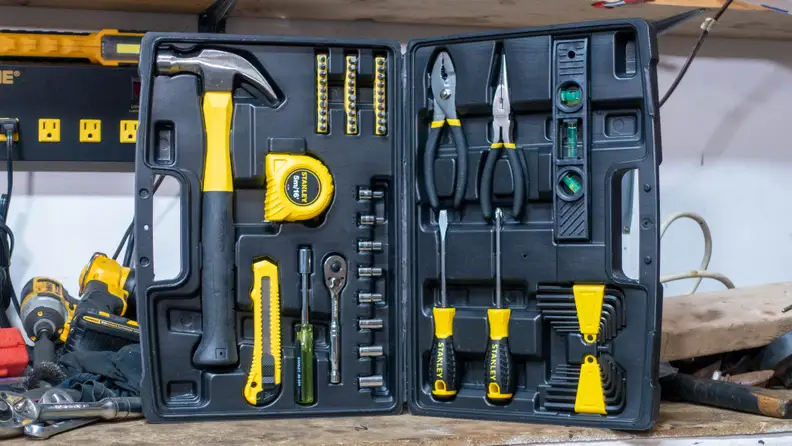
One thing I learned is that having tools is not enough. You also need to know where they are.
I prefer keeping frequently used tools together in a small toolbox or storage box.
A practical starter toolkit
Tool | Common Use |
|---|---|
Screwdriver set | Screws and handles |
Measuring tape | Measuring spaces |
Pliers | Gripping and bending |
Adjustable wrench | Nuts and fittings |
Allen key set | Furniture assembly |
Claw hammer | Light household tasks |
Utility knife | Packaging and cutting |
Level | Straightening wall décor |
Plunger | Minor drain blockages |
Flashlight | Dark or hard-to-reach areas |
You do not need to buy everything at once. Start with the tools that match the problems you commonly face at home.
Small Tools Can Save More Than Money
One of the biggest reasons I like having a basic toolkit is that it changes how you approach small household problems.
Instead of immediately thinking, “I need someone to fix this,” you can first ask yourself whether it is a simple adjustment.
For example, a loose cupboard handle might take two minutes to tighten. A crooked picture may only need a measuring tape and level. A piece of furniture may simply need an Allen key.
These are small things, but fixing them quickly can make your home feel much more organized.
When You Should Not DIY
Although small tools are great for simple repairs, not every household problem should become a DIY project.
You should consider professional help for:
Gas leaks or gas appliances
Major electrical problems
Serious plumbing leaks
Structural damage
Roof problems
Major appliance repairs
Problems involving hidden electrical wiring
Repairs involving significant safety risks
A tool can help with a simple problem, but using the wrong tool or technique can make a situation worse.
Conclusion
Small home problems do not always require expensive repairs or professional help. With a few basic tools, you can handle many simple tasks, from tightening loose screws and furniture fittings to measuring spaces and fixing small household issues. I have found that keeping a small, organized toolkit at home makes everyday maintenance much easier. The important thing is to know your limits and call a professional whenever a repair involves electricity, gas, major plumbing, or other safety risks.
FAQ's
A screwdriver set, measuring tape, pliers, wrench, hammer, and Allen keys are good basics.
Yes. They can help you handle many simple repairs without paying for minor service calls.
A correctly sized screwdriver is usually the best choice.
No. A basic, good-quality toolkit is enough for most simple household tasks.
Call a professional for major electrical, gas, plumbing, structural, or safety-related problems.
Sources and notes
Links the author listed for this post.
Always follow manufacturer instructions and seek professional help for complex or safety-sensitive repairs.

Discussion
0 comments