Fashion is more than simply choosing clothes; it is a powerful form of self-expression that reflects personality, confidence, creativity, and lifestyle. The right outfit can transform an ordinary day into a memorable experience, helping individuals feel comfortable and confident in their own appearance. From sophisticated office wear and relaxed casual outfits to elegant evening clothing and seasonal essentials, exploring the latest fashion trends and style inspiration offers countless opportunities to discover new looks and elevate personal style.
The fashion and apparel industry continues to evolve with changing lifestyles, consumer preferences, fabric innovations, and creative design ideas. Today's wardrobes are not limited to traditional clothing choices. People increasingly look for versatile garments that combine comfort, functionality, durability, and visual appeal. Whether someone prefers minimalistic outfits, classic tailoring, contemporary silhouettes, or expressive fashion statements, building a well-balanced wardrobe can make everyday dressing easier and more enjoyable.
Understanding different clothing categories, fabric choices, styling techniques, and seasonal trends helps individuals make smarter fashion decisions. A thoughtfully selected wardrobe can support multiple occasions while maintaining a consistent and attractive personal style.
Understanding the Fashion & Apparel Category
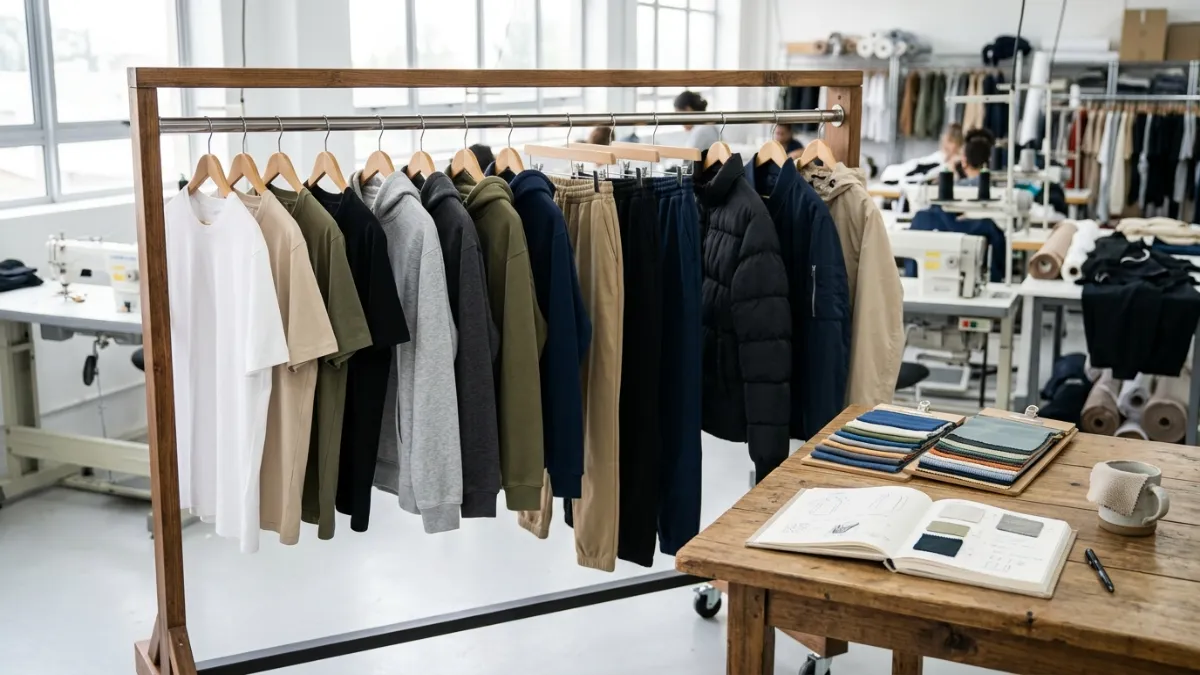
Fashion and apparel include a broad range of clothing, footwear, and accessories designed for different occasions, seasons, and lifestyles. From essential everyday garments to sophisticated statement pieces, every category serves a specific purpose in creating a complete wardrobe.
Modern apparel collections generally focus on combining practical functionality with contemporary aesthetics. Clothing may be designed for professional environments, social gatherings, travel, relaxation, outdoor activities, or special celebrations.
Major Fashion and Apparel Categories
Fashion Category | Common Clothing Items | Main Purpose |
|---|---|---|
Women's Fashion | Dresses, tops, skirts, trousers | Everyday and occasion styling |
Men's Fashion | Shirts, pants, suits, polos | Casual and professional dressing |
Casual Wear | T-shirts, jeans, relaxed trousers | Comfortable daily outfits |
Formal Wear | Blazers, suits, tailored shirts | Professional and special occasions |
Outerwear | Coats, jackets, trench coats | Seasonal layering and protection |
Knitwear | Sweaters, cardigans, knitted tops | Comfort and warmth |
Denim | Jeans, denim jackets, skirts | Versatile everyday styling |
Footwear | Boots, flats, sneakers, formal shoes | Comfort and outfit coordination |
Accessories | Belts, scarves, bags, hats | Personal style and functionality |
Seasonal Fashion | Summer dresses, winter layers | Weather-appropriate dressing |
These categories provide a useful foundation for creating a wardrobe that accommodates different personal preferences and everyday requirements.
Women's Fashion: Versatile Styles for Every Occasion
Women's fashion offers a wide variety of clothing options, ranging from relaxed everyday essentials to elegant outfits for formal events. Modern styling focuses on versatility, comfort, flattering silhouettes, and individual expression.
Tops, Shirts, and Blouses
Tops and shirts are essential wardrobe pieces because they can be styled in numerous ways. Classic button-down shirts create a polished appearance, while relaxed blouses and lightweight tops offer comfortable everyday styling.
Pairing a structured shirt with tailored trousers creates an elegant office outfit. Alternatively, combining a casual top with denim provides a relaxed look suitable for weekends and informal gatherings.
Dresses and Jumpsuits
Dresses and jumpsuits provide convenient styling solutions for different occasions. A well-designed dress can create a complete outfit with minimal effort, while jumpsuits offer a contemporary alternative to traditional separates.
Popular dress styles include:
Midi dresses for versatile everyday elegance
Maxi dresses for graceful and relaxed styling
Shirt dresses for smart casual occasions
A-line dresses for classic silhouettes
Evening dresses for formal gatherings
Selecting suitable fabrics, lengths, and silhouettes can help create outfits that feel both comfortable and visually appealing.
Skirts and Tailored Trousers
Skirts and trousers offer flexibility for professional, casual, and occasion-based dressing. Tailored trousers can create a refined appearance, while relaxed pants provide comfort for everyday activities.
Skirts can be paired with shirts, sweaters, blouses, or jackets to create different looks throughout the year.
Men's Fashion: Classic Clothing with Modern Appeal
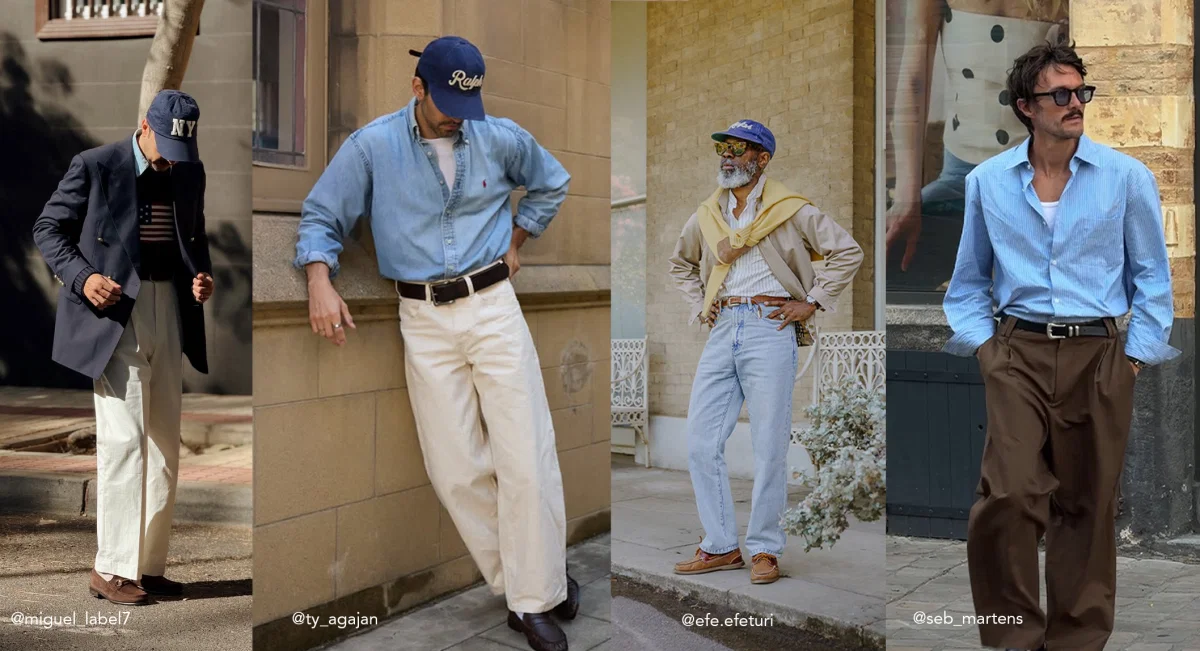
Men's fashion combines traditional wardrobe essentials with contemporary designs. A balanced collection of clothing can support professional environments, casual outings, travel, and social occasions.
Shirts and T-Shirts
Shirts are among the most versatile pieces in men's wardrobes. Formal shirts create a clean and professional appearance, while casual shirts offer relaxed styling options.
Basic T-shirts can be worn independently or layered beneath jackets, sweaters, and overshirts.
Pants, Chinos, and Denim
Different trouser styles provide flexibility for everyday dressing.
Clothing Item | Styling Approach |
|---|---|
Tailored trousers | Pair with formal shirts and blazers |
Chinos | Combine with polos or casual shirts |
Denim jeans | Style with T-shirts or lightweight jackets |
Relaxed pants | Match with comfortable tops |
Dress pants | Coordinate with formal shirts and structured jackets |
Choosing appropriate fits and complementary colors can make these combinations look polished and balanced.
Suits and Blazers
Suits and blazers remain important elements of formal and smart casual fashion. They are suitable for professional meetings, celebrations, formal dinners, and special events.
A well-fitted blazer can also be combined with denim or chinos to create a contemporary smart casual outfit.
Casual Wear: Comfort Meets Everyday Style
Casual fashion focuses on comfortable garments that can be worn during everyday activities without sacrificing appearance.
T-shirts, jeans, sweatshirts, relaxed trousers, casual shirts, and lightweight jackets are common casual wardrobe essentials. These pieces are particularly useful because they can be mixed and matched to create multiple outfits.
Creating a Balanced Casual Outfit
A simple casual outfit can become more attractive through thoughtful styling.
For example, a neutral T-shirt paired with straight-leg jeans and comfortable sneakers creates an effortless everyday look. Adding a lightweight jacket or structured bag can introduce more visual interest.
Important Pointers:
Choose clothing that allows comfortable movement.
Prioritize suitable fits instead of following every trend.
Combine neutral colors with occasional statement pieces.
Use layering to create depth and dimension.
Select durable fabrics for frequently worn garments.
Formal Wear and Professional Clothing
Formal wear plays an important role in professional environments, celebrations, and special occasions. These garments are generally designed to create a refined, structured, and polished appearance.
Essential Formal Clothing
Formal wardrobes commonly include tailored suits, blazers, dress shirts, trousers, elegant dresses, and sophisticated footwear.
For office styling, neutral shades such as black, navy, gray, beige, and white can create a coordinated appearance. These colors are also easy to combine with different accessories.
Smart Casual Styling
Smart casual fashion bridges the gap between relaxed clothing and formal dressing. It allows individuals to maintain a polished appearance while enjoying greater comfort.
Examples include:
Blazers paired with dark denim
Tailored trousers combined with knitwear
Structured shirts styled with chinos
Elegant dresses paired with simple footwear
The key is to balance relaxed elements with refined pieces.
Seasonal Fashion: Dressing for Changing Weather
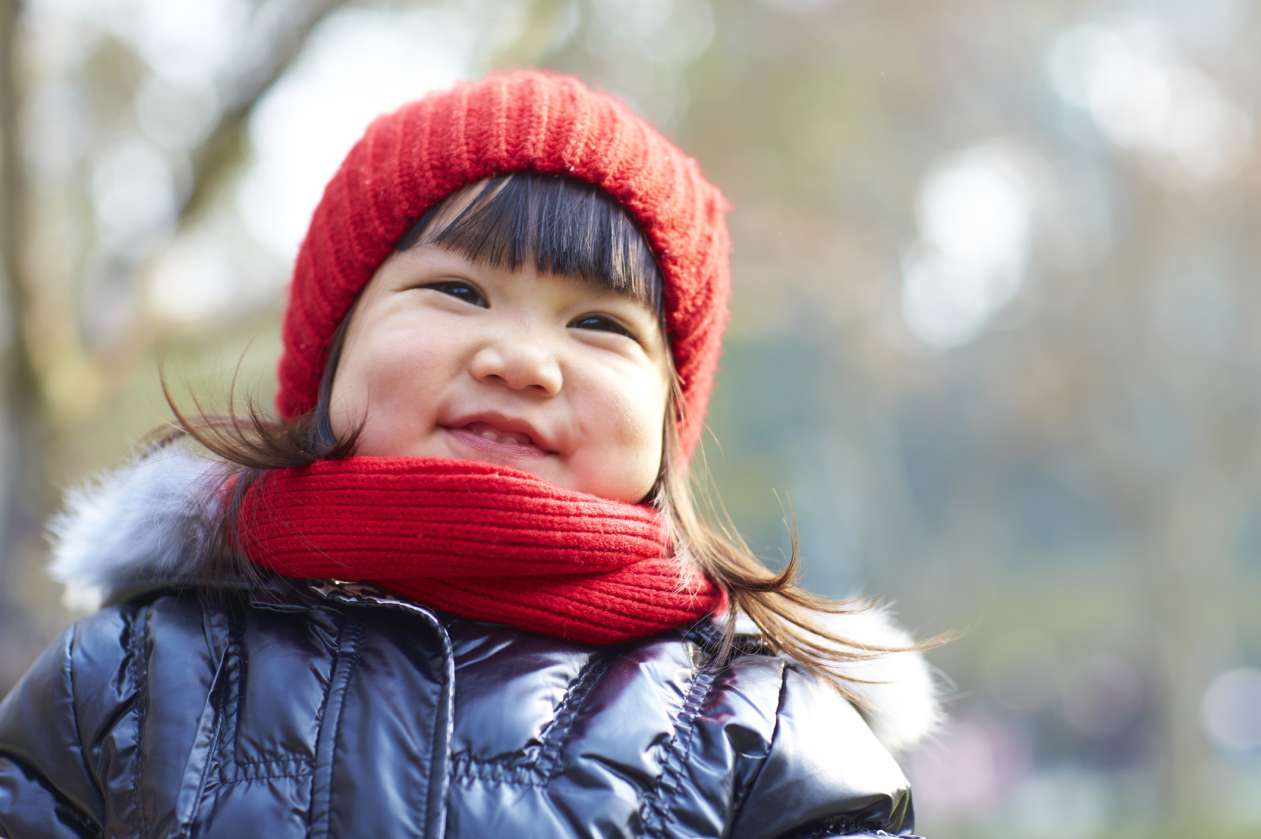
Seasonal fashion helps individuals adapt their wardrobes to different weather conditions while maintaining personal style.
Summer Fashion
Summer clothing generally focuses on lightweight fabrics, breathable materials, and comfortable silhouettes.
Cotton, linen, and lightweight blends are popular choices because they can support comfort during warmer weather.
Common summer essentials include:
Lightweight shirts and tops
Breathable trousers
Comfortable dresses
Relaxed shorts
Lightweight footwear
Soft colors and relaxed silhouettes can create fresh and effortless summer outfits.
Winter Fashion
Winter wardrobes emphasize warmth, layering, and fabric selection.
Sweaters, coats, jackets, scarves, and boots can help create practical cold-weather outfits.
Layering allows individuals to adjust clothing according to changing temperatures. For example, a thermal base layer, knitted sweater, and structured coat can create a functional winter combination.
Spring and Autumn Styling
Transitional seasons provide opportunities to experiment with lightweight jackets, cardigans, long-sleeved tops, and layered outfits.
These garments offer flexibility when temperatures change throughout the day.
Footwear and Accessories: Completing the Outfit
Footwear and accessories play an important role in creating a complete and coordinated appearance. Even a simple outfit can look more polished when paired with suitable finishing elements.
Essential Footwear Categories
Footwear options include sneakers, flats, boots, sandals, loafers, and formal shoes.
The right choice depends on the occasion, clothing style, weather, and comfort requirements.
Fashion Accessories
Accessories can enhance the visual appeal of clothing while providing practical benefits.
Common accessories include:
Handbags and backpacks
Belts
Scarves
Watches
Sunglasses
Hats and caps
Jewelry
Style Tip: Avoid adding too many statement accessories to one outfit. A balanced combination can create a more refined appearance.
Fabric Selection and Clothing Quality
Fabric selection directly influences comfort, durability, appearance, and garment maintenance. Understanding basic fabric characteristics can help shoppers make informed decisions.
Fabric | Key Characteristics | Common Uses |
|---|---|---|
Cotton | Soft and breathable | T-shirts, shirts, casual wear |
Linen | Lightweight and airy | Summer clothing |
Wool | Warm and insulating | Sweaters, coats, suits |
Silk | Smooth and elegant | Blouses, dresses, occasion wear |
Denim | Durable and structured | Jeans, jackets |
Polyester | Lightweight and easy-care | Blended clothing, activewear |
Viscose | Soft and fluid | Dresses, tops, trousers |
Fabric quality should be evaluated alongside construction, stitching, fit, and care requirements.
Building a Versatile and Timeless Wardrobe
A versatile wardrobe includes garments that can be combined in different ways. Instead of purchasing numerous similar items, individuals can focus on essential pieces that work across multiple occasions.
Wardrobe Essentials Checklist
Essential Item | Styling Benefit |
|---|---|
Basic neutral T-shirts | Easy everyday combinations |
Classic shirts | Casual and professional versatility |
Well-fitted denim | Reliable daily styling |
Tailored trousers | Polished appearance |
Lightweight jacket | Useful layering |
Comfortable sneakers | Everyday practicality |
Neutral sweater | Seasonal versatility |
Classic dress | Multiple occasion options |
Functional bag | Practical and stylish finishing |
Simple accessories | Outfit enhancement |
Practical Wardrobe Tips
Choose clothing that complements your lifestyle.
Prioritize quality and comfort.
Select colors that coordinate easily.
Avoid purchasing items solely because they are trending.
Review your wardrobe before shopping.
Consider garment care and long-term usability.
A carefully planned wardrobe can reduce unnecessary purchases and make outfit selection easier.
Modern Fashion Trends and Personal Expression
Fashion trends introduce new colors, silhouettes, textures, and styling ideas. However, following trends does not mean replacing an entire wardrobe every season.
Contemporary fashion often incorporates oversized silhouettes, minimalist styling, statement outerwear, textured fabrics, relaxed tailoring, and versatile layering.
How to Incorporate Trends Effectively
The best approach is to introduce trends through selected pieces rather than changing your entire personal style.
For example, a fashionable jacket can refresh a classic outfit, while a textured sweater can add personality to neutral clothing.
Personal style should remain the foundation of fashion choices. Trends are most useful when they complement existing preferences and lifestyle requirements.
Sustainable Fashion and Responsible Shopping
Responsible fashion encourages thoughtful purchasing decisions, better garment care, and reduced clothing waste.
Consumers can make more sustainable choices by selecting durable garments, reusing clothing, repairing damaged items, and exploring secondhand fashion.
Simple Ways to Improve Clothing Sustainability
Buy fewer but more versatile garments.
Choose durable fabrics and construction.
Follow washing and care instructions.
Repair minor damage instead of discarding clothing.
Donate or resell wearable garments.
Avoid unnecessary impulse purchases.
Extending the useful life of clothing can help reduce waste while supporting a more thoughtful approach to fashion.
Choosing the Right Fashion for Your Lifestyle
Fashion choices should reflect individual needs, daily routines, comfort preferences, and personal expression.
Someone working in a professional environment may prioritize tailored clothing and structured outfits. Individuals with active lifestyles may prefer breathable fabrics, relaxed silhouettes, and practical footwear.
For travel, versatile garments that can be combined into multiple outfits are particularly useful. For special occasions, elegant clothing and coordinated accessories can create a memorable appearance.
The most effective wardrobe is one that supports everyday activities while allowing individuals to feel confident and comfortable.
This list highlights practical options for Fashion & Apparel Discover Style, and Everyday Elegance, with a focus on speed, usefulness, and how easy each option is to apply.
Top picks
Best overall: Choose this when you want the simplest reliable workflow.
Best for speed: Choose this when the task is urgent and low-risk.
Best for control: Choose this when formatting, privacy, or accuracy matters most.
Selection criteria
Useful result without unnecessary setup.
Clear output that readers can check quickly.
Good fit with related AltFTool tools and guides.
Final recommendation
Pick the option that matches your task size and risk level. When in doubt, start with the simplest workflow and move up only if you need more control.
It includes clothing, footwear, accessories, casual wear, formal wear, seasonal clothing, and various styles designed for different occasions.
Basic T-shirts, classic shirts, denim, tailored trousers, sweaters, jackets, comfortable footwear, and simple accessories are useful wardrobe essentials.
Choose comfortable clothing, coordinate complementary colors, select suitable footwear, and add a few accessories for a balanced appearance.
Cotton, linen, denim, and selected fabric blends are common everyday options. The best fabric depends on weather, comfort, garment construction, and intended use.
Purchase versatile garments, care for clothing properly, repair damaged items, reuse existing pieces, and avoid unnecessary shopping.
Sources and review notes
References used to check facts, freshness, and reader-safe recommendations in this guide.
Source note: Fashion category structure and apparel types were reviewed from the provided website's navigation and clothing collections. The article content is written generically and does not include brand names or promotional links.
Discussion
0 comments
No comments yet
Discussion will appear here once it loads.