Persistent indigestion, heartburn and acid reflux are common digestive complaints. Most cases are linked to conditions such as acid reflux, gastro-oesophageal reflux disease (GERD) or other non-cancerous problems. However, when symptoms continue for a long time, change unexpectedly or become difficult to manage, doctors may recommend further investigations.
One test attracting attention in the early-detection field is the Cytosponge test, also known as the capsule sponge test or “sponge on a string” test. It is designed to collect cells from the lining of the oesophagus (food pipe) so laboratories can look for changes associated with Barrett’s oesophagus and, in some testing pathways, signs of abnormal or cancerous cells.
The test is particularly relevant to discussions about long-term acid reflux and indigestion because repeated exposure to stomach acid can sometimes lead to changes in the oesophageal lining. Understanding how the Cytosponge works, who may be offered it and what its results mean can help people make informed decisions about their digestive health.
What Is the Cytosponge Cancer Test?
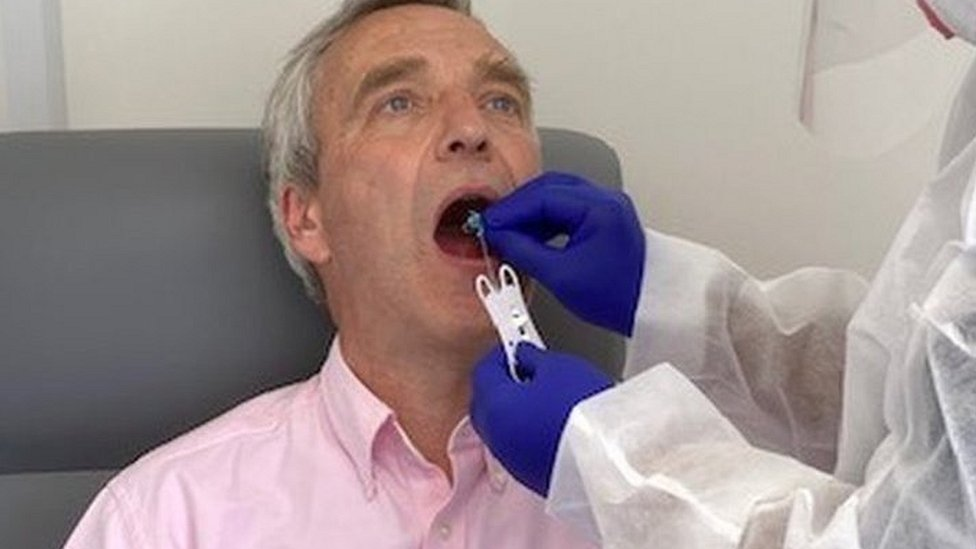
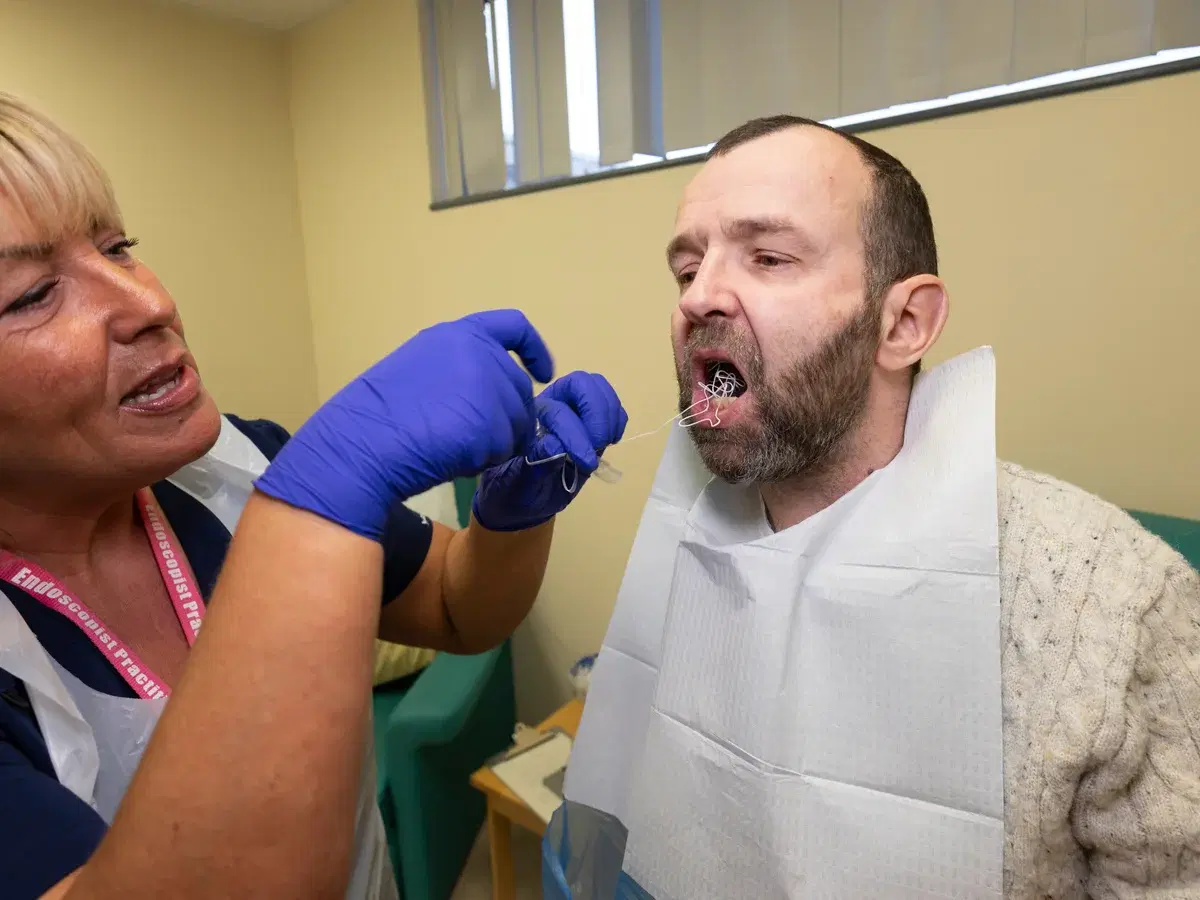
The Cytosponge is a small, swallowable capsule containing a compressed sponge attached to a thin thread. Once swallowed, the capsule dissolves in the stomach and releases the sponge. A trained healthcare professional then gently pulls the sponge back through the oesophagus using the thread.
As it passes through the food pipe, the sponge collects cells from its lining. These cells are sent to a laboratory for examination.
The test is designed mainly to help identify Barrett’s oesophagus, a condition in which the normal lining of the oesophagus changes after long-term exposure to stomach acid. Barrett’s oesophagus can increase the risk of developing oesophageal cancer, although most people with the condition do not develop cancer.
The Cytosponge is not a general cancer screening test. It does not check the entire digestive system, and it cannot independently confirm that someone has cancer. Further investigations, often including an endoscopy, may be needed if the results are abnormal.
How Is Indigestion Connected to Oesophageal Cancer?
Indigestion can cause discomfort in the upper abdomen, bloating, burping, nausea and a feeling of fullness after eating. Heartburn and acid reflux may also create a burning sensation in the chest or throat.
When stomach acid repeatedly flows back into the oesophagus, it can irritate the lining. This long-term condition is known as gastro-oesophageal reflux disease (GERD or GORD).
In some people, years of reflux can contribute to Barrett’s oesophagus. This involves changes in the cells lining the lower part of the food pipe. Although Barrett’s oesophagus is not cancer, certain cell changes can increase the possibility of cancer developing over time.
Digestive Condition | What Happens | Possible Symptoms | Connection to Cancer |
|---|---|---|---|
Indigestion | Discomfort in the upper digestive system | Bloating, burping and fullness | Usually not cancer |
Acid Reflux | Stomach acid moves into the oesophagus | Heartburn and sour taste | Repeated reflux can cause irritation |
GERD or GORD | Frequent or persistent acid reflux | Regular heartburn and regurgitation | Can contribute to Barrett’s oesophagus |
Barrett’s Oesophagus | Cells in the oesophageal lining change | Often no noticeable symptoms | Can increase the risk of oesophageal cancer |
It is important to remember that indigestion alone does not mean a person has cancer. Most digestive symptoms have non-cancerous causes, but persistent or unusual symptoms should be assessed by a healthcare professional.
How Does the Cytosponge Test Work?
The Cytosponge procedure is designed to collect oesophageal cells without requiring a traditional camera examination at the beginning of the process.
Step 1: Swallowing the Capsule
The patient is asked to swallow a small capsule with water. The capsule contains a compressed sponge connected to a thin thread.
Step 2: Allowing the Capsule to Dissolve
The capsule dissolves after reaching the stomach, releasing the sponge. The sponge expands inside the stomach.
Step 3: Removing the Sponge
A trained healthcare professional gently pulls the thread to bring the sponge back through the oesophagus and out of the mouth.
Step 4: Collecting Cells
As the sponge travels through the food pipe, it collects cells from the oesophageal lining.
Step 5: Laboratory Examination
The collected sample is sent to a laboratory. Depending on the testing method, specialists look for biomarkers and cellular changes associated with Barrett’s oesophagus.
Test Stage | What Happens | Main Purpose | Expected Outcome |
|---|---|---|---|
Capsule swallowing | Small capsule is swallowed with water | Introduce the device | Capsule reaches the stomach |
Capsule dissolving | Sponge is released | Prepare the collection device | Sponge expands |
Sponge removal | Thread is gently pulled | Collect oesophageal cells | Sample is obtained |
Laboratory testing | Cells are examined | Identify abnormal changes | Laboratory report |
Follow-up | Doctor reviews the result | Decide whether more tests are needed | Further assessment if indicated |
The procedure is generally quicker and less invasive than a traditional gastroscopy, although some people may experience discomfort or gagging when the sponge is removed.
Who May Need a Cytosponge Test?
The test may be considered for selected people who have a higher risk of Barrett’s oesophagus or oesophageal cancer, particularly those with long-term reflux symptoms.
Doctors may consider factors such as:
A history of persistent heartburn or acid reflux.
Long-term gastro-oesophageal reflux disease.
A previous diagnosis of Barrett’s oesophagus.
Other risk factors that may increase the likelihood of oesophageal disease.
The need for further assessment based on symptoms and medical history.
The test is not automatically recommended for everyone experiencing indigestion. A healthcare professional must decide whether it is appropriate based on the person's symptoms, age, risk factors and local medical guidance.
What Can the Cytosponge Test Detect?
The main purpose of the Cytosponge is to collect cells that can help identify Barrett’s oesophagus. Certain laboratory methods use a biomarker called Trefoil Factor 3 (TFF3), which can help identify cells associated with Barrett’s tissue.
The test may help identify people who need a closer examination. However, it does not provide the same direct view of the oesophagus as an endoscopy.
Possible Finding | Meaning | Why It Matters | Possible Next Step |
|---|---|---|---|
Normal sample | No relevant abnormality identified | Reassuring result, but not a guarantee | Follow medical advice |
Barrett’s-related cells | Changes associated with Barrett’s oesophagus | May require monitoring | Specialist assessment |
Abnormal cell changes | Possible signs of dysplasia | May need closer investigation | Endoscopy and biopsy |
Suspicious findings | Results need further assessment | Cancer cannot be confirmed by this test alone | Specialist investigations |
A negative result does not rule out every oesophageal condition. If symptoms continue or become more concerning, a doctor may recommend additional tests even after a negative result.
Cytosponge Test vs. Traditional Endoscopy
Both Cytosponge and endoscopy can play a role in investigating oesophageal conditions, but they work differently.
An endoscopy uses a flexible tube with a camera to allow a specialist to examine the oesophagus, stomach and upper part of the small intestine. It can also allow tissue samples to be collected directly.
The Cytosponge collects cells without using a camera. It may be useful as an initial assessment for selected patients, but it cannot replace endoscopy in every situation.
Comparison Point | Cytosponge Test | Traditional Endoscopy |
|---|---|---|
Procedure | Swallowable capsule and sponge | Flexible camera tube |
Main Purpose | Collects oesophageal cells | Examines the upper digestive tract |
Invasiveness | Less invasive | More involved procedure |
Tissue Collection | Collects surface cells | Can collect targeted biopsies |
Direct Visual Examination | No | Yes |
Follow-up | May require endoscopy | Further treatment or testing may be arranged |
The choice between these procedures depends on clinical needs. If a patient has difficulty swallowing, unexplained weight loss or other concerning symptoms, a doctor may recommend direct investigation rather than relying on a sponge test.
Benefits and Limitations of the Cytosponge Test
The capsule sponge approach has attracted interest because it may make certain investigations easier to access and more acceptable to patients.
Potential Benefits
Less invasive: It does not require a camera to be passed through the throat.
Quick procedure: The sample collection process generally takes only a short time.
No routine sedation: The procedure usually does not require sedation.
Early identification: It may help identify Barrett’s oesophagus in selected people.
Laboratory assessment: Collected cells can be examined for relevant biomarkers.
Important Limitations
Not completely accurate: Some cases of Barrett’s oesophagus may be missed.
Not a final cancer diagnosis: Abnormal findings need further assessment.
Not suitable for everyone: Some people may have difficulty swallowing the capsule.
Possible discomfort: A sore throat, gagging or mild discomfort can occur.
Limited examination: It does not provide a complete visual assessment of the digestive tract.
A positive result does not automatically mean cancer is present, and a negative result should not be used to ignore ongoing symptoms.
Warning Signs of Oesophageal Cancer That Should Not Be Ignored

Indigestion and heartburn are common and usually have causes other than cancer. However, certain symptoms deserve medical attention, particularly when they are new, persistent or getting worse.
Important symptoms include:
Difficulty swallowing food or liquids.
Pain or discomfort when swallowing.
Food feeling stuck in the throat or chest.
Frequent or persistent heartburn.
Unexplained weight loss.
Repeated vomiting or ongoing nausea.
Pain in the chest or upper abdomen.
A cough or hoarse voice that does not improve.
Black or tar-like stools, which can sometimes indicate bleeding.
Warning Sign | What It May Indicate | Recommended Action | Why It Matters |
|---|---|---|---|
Difficulty swallowing | A problem affecting the food pipe | Seek prompt medical assessment | Needs investigation |
Persistent heartburn | Ongoing reflux or another condition | Discuss with a doctor | May require further testing |
Unexplained weight loss | An underlying health problem | Arrange medical assessment | Should not be ignored |
Pain when swallowing | Irritation or disease in the oesophagus | Contact a healthcare professional | May need examination |
Black stools or vomiting blood | Possible digestive tract bleeding | Seek urgent medical care | Can indicate serious bleeding |
These symptoms do not confirm cancer. However, medical assessment is important because early investigation can help identify the actual cause.
Is the Cytosponge Test Available Everywhere?
The availability of Cytosponge and other capsule sponge tests varies between countries and healthcare systems.
In the United Kingdom, capsule sponge testing has been used, piloted and evaluated in different clinical settings. Cancer Research UK reports that it is being assessed for identifying Barrett’s oesophagus, supporting surveillance and helping prioritise some patients with reflux symptoms.
Its availability and eligibility criteria are not identical across all regions. In other countries, including India, patients should not assume that the test is routinely available or that it is the standard first investigation for indigestion.
A gastroenterologist can explain which tests are accessible locally and whether a capsule sponge test, endoscopy or another investigation is more suitable.
What Happens After a Cytosponge Test?
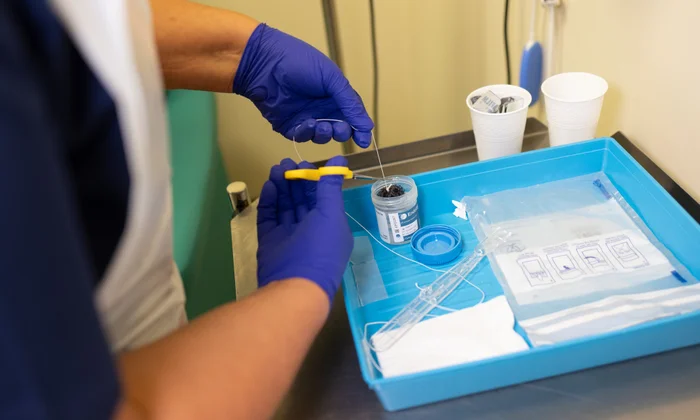
After the sample has been collected, it is sent to a laboratory for examination. The healthcare team reviews the result and decides whether further assessment is required.
A normal result may mean that no additional investigation is needed immediately, depending on the person's symptoms and medical history. However, persistent symptoms still need attention.
If the result suggests Barrett’s oesophagus or abnormal cells, a doctor may recommend an endoscopy. This allows the specialist to examine the oesophagus directly and take a biopsy if necessary.
A biopsy is a small tissue sample that can be examined under a microscope. It helps doctors confirm the nature of abnormal changes and determine whether further treatment or monitoring is required.
Patients should discuss their results with their healthcare professional rather than interpreting laboratory findings independently.
How Can People Support Better Digestive Health?
Although lifestyle changes cannot replace medical assessment, certain habits may help reduce common reflux symptoms.
Eat smaller meals instead of very large portions.
Avoid lying down immediately after eating.
Identify foods and drinks that trigger heartburn.
Maintain a healthy body weight.
Avoid smoking.
Limit alcohol if it worsens reflux.
Follow prescribed treatment and medical advice.
Seek medical attention if symptoms persist or change.
These steps may help manage everyday digestive discomfort, but they should never be used as a substitute for investigating warning signs.
For readers researching health information and planning educational content, they can also explore useful digital tools on AltFTool for everyday research, writing and productivity tasks.
The Future of Sponge-Based Cancer Detection
Research into capsule sponge testing is continuing, particularly around its role in detecting Barrett’s oesophagus and identifying people who may need further investigation.
Large studies, including the BEST4 trial programme in the UK, are examining how the approach could support earlier detection and monitoring. Researchers are also exploring whether biomarkers and laboratory analysis can improve the identification of people at higher risk.
However, more evidence is needed to understand the long-term impact of these testing pathways on cancer outcomes. The test should be viewed as one part of a wider diagnostic process rather than a replacement for established investigations.
Final Thoughts
The Cytosponge test is an important development in the search for less invasive ways to identify Barrett’s oesophagus and possible early changes in the food pipe. Its connection to indigestion and acid reflux comes from the fact that long-term reflux can sometimes lead to changes in the oesophageal lining.
However, ordinary indigestion does not mean someone has cancer, and the Cytosponge is not a universal cancer test. It collects cells for laboratory analysis and may help doctors decide who needs further investigation.
Anyone experiencing persistent heartburn, worsening indigestion, difficulty swallowing or unexplained weight loss should speak with a healthcare professional. The right assessment depends on symptoms, risk factors and local medical guidance.
FAQs
It is a capsule sponge test that collects cells from the lining of the oesophagus. Laboratory analysis can help identify Barrett’s oesophagus and related abnormal changes.
Persistent indigestion or heartburn can occur with oesophageal cancer, but these symptoms are much more commonly caused by other conditions. Ongoing or changing symptoms should be checked by a doctor.
No. A positive result may indicate Barrett’s-related or abnormal cells. Further tests, often including an endoscopy and biopsy, may be needed to establish a diagnosis.
The procedure is generally less invasive than endoscopy, but some people may experience gagging, discomfort or a sore throat when the sponge is removed.
Sources and notes
Links the author listed for this post.
Content prepared using information from Cancer Research UK, NICE, and the NHS guide to oesophageal cancer symptoms. This article is for educational purposes and is not a substitute for professional medical advice.
More on AltFTool
- AltFTool (opens in a new tab)
altftool.com

Discussion
0 comments
No comments yet
Discussion will appear here once it loads.