Arts and crafts are a lovely way for children to spend their free time being creative. From colourful drawing books and painting sets to DIY jewellery kits and clay modelling, there’s plenty to help kids explore their imagination. Instead of passing every spare hour in front of the TV or a phone, children can enjoy making something with their own hands. But picking the right kit isn’t simple, because a toy store or online shop can throw hundreds of options at you. Some kits are made for toddlers, while others suit older kids who love detailed projects. So think about your child’s age, interests, safety and skill level before you buy, and here’s what to know before choosing the best arts and crafts kits for kids in 2026.
A kit that looks great on the packaging may not suit your child’s age or interests. Whether you’re after a birthday present, a weekend activity or an educational toy, the right kit can make creative time far more enjoyable.
Why Are Arts & Crafts Kits Important for Kids?
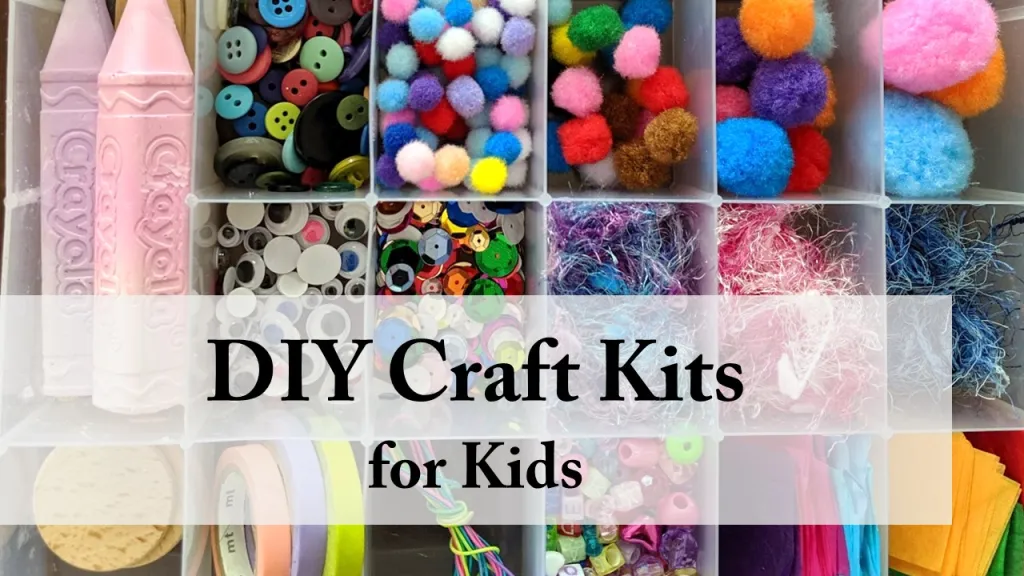
Children naturally love exploring colours, shapes, textures and different materials. Arts and crafts let them experiment without worrying much about mistakes. Even something as simple as painting a flower or making a paper animal can keep a child busy while they share their own ideas.
One of the biggest benefits of creative activities is that they spark imagination. When kids get a craft kit, they don’t always want to follow the instructions to the letter. Sometimes they’d rather mix colours, change the design or make something totally different.
These activities also build useful everyday skills. Drawing, cutting paper, arranging beads and shaping clay all involve hand movements that improve coordination and fine motor skills. Children also learn patience, because some projects take time to finish.
Arts and crafts can be a family activity too. Parents can sit with their kids, make greeting cards or decorate small household items together. These simple moments often make creative play more meaningful.
1. Choose an Arts & Crafts Kit According to Your Child’s Age
Age is one of the first things to think about when buying creative toys. Every child develops at their own pace, so a kit should match their current skills and not just look interesting.
Age group | Good options | What to watch out for |
|---|---|---|
Toddlers | Chunky crayons, washable finger paints, large paper, simple colouring books | Tiny beads, sharp tools and small decorative pieces |
Preschoolers | Paper crafts, sticker books, washable paints, play dough kits | Instructions that are too complicated |
School-age kids | DIY jewellery kits, advanced painting sets, origami, creative building activities | Kits that are too basic to hold their interest |
Arts and Crafts for Toddlers
For toddlers, pick simple activities with large, easy-to-handle materials. Chunky crayons, washable finger paints, big paper sheets and beginner-friendly colouring books work well.
Stay away from kits with tiny beads, sharp tools or small decorative pieces that could be choking hazards. At this age, adult supervision matters, especially during painting and modelling.
Craft Kits for Preschoolers
Preschoolers usually like activities that let them try different materials. Paper crafts, sticker books, washable painting sets and simple play dough kits can keep them interested.
Look for products with colourful instructions and easy projects. For example, a child might enjoy making a paper butterfly, decorating a cardboard house or shaping simple forms with modelling clay.
Arts and Crafts for School-Age Kids
Older children can handle more detailed projects. DIY jewellery-making kits, advanced painting sets, origami collections and creative building activities are all good picks.
They may also enjoy projects that give them something to use or show off, such as handmade bookmarks, photo frames, friendship bracelets or decorative room accessories.
2. Understand Different Types of Arts & Crafts Kits
Explore Arts & Crafts Kits
Discover creative kits that encourage children to draw, paint, make handmade crafts and explore their imagination.

1. Drawing & Colouring Kits
Crayons, pencils, sketchbooks and colouring supplies.
Drawing & Colouring Kits
Give children a fun way to express their ideas through drawing, colouring and everyday creative activities.
- Colour pencils and crayons
- Drawing books and sketch pads
- Markers and colouring sheets

2. Painting & Watercolour Kits
Paints, brushes, palettes and canvas.
Painting & Watercolour Kits
Painting kits help children experiment with colours, learn simple techniques and create their own artwork.
- Watercolour and poster paints
- Paint brushes and palettes
- Canvas and painting sheets

3. DIY Craft Kits
Paper crafts, handmade jewellery and decorations.
DIY Craft Kits
These kits introduce children to hands-on projects where they can make useful and decorative items.
- Paper and origami crafts
- Beads and jewellery-making sets
- Decorative and handmade projects

4. Clay & Modelling Kits
Modelling clay, play dough and colourful shapes.
Clay & Modelling Kits
Modelling kits let children shape, mould and create different objects while enjoying hands-on play.
- Soft modelling clay
- Colourful play dough
- Moulds and shaping tools
1. Drawing & Colouring Kits
Crayons, pencils, sketchbooks and colouring supplies.
Drawing & Colouring Kits
Encourage children to express their ideas through drawing and colouring.
- Colour pencils and crayons
- Drawing books and sketch pads
- Markers and colouring sheets
2. Painting & Watercolour Kits
Paints, brushes, palettes and canvas.
Painting & Watercolour Kits
Help children explore colours and create their own artwork.
- Watercolour and poster paints
- Paint brushes and palettes
- Canvas and painting sheets
3. DIY Craft Kits
Paper crafts, handmade jewellery and decorations.
DIY Craft Kits
Make creative projects using simple craft materials.
- Paper and origami crafts
- Beads and jewellery-making sets
- Decorative handmade projects
4. Clay & Modelling Kits
Modelling clay, play dough and colourful shapes.
Clay & Modelling Kits
Let children shape, mould and create different objects.
- Soft modelling clay
- Colourful play dough
- Moulds and shaping tools
Before buying, look at the different types of creative kits out there. Each one offers a different experience, so choose based on what your child enjoys doing.
Drawing and Colouring Kits
Drawing and colouring kits are among the easiest options for children who like working with colours. They may include crayons, coloured pencils, sketchbooks, markers, erasers and colouring sheets.
They’re great for everyday creative time because kids can start drawing whenever they have a few free minutes. Beginners can use simple colouring books, while children who enjoy sketching may prefer a set with different pencil shades.
Painting and Watercolour Kits
Painting kits let children try out colours, brushes and different techniques. Watercolour sets suit beginners, while older kids may enjoy acrylic paints and small canvas projects.
Check whether the kit comes with brushes, mixing palettes and suitable paper. Washable, non-toxic paints are a sensible choice for younger children, because spills are common during creative play.
DIY Craft Kits
DIY craft kits are a good choice for children who like making things from scratch. Depending on the product, they may include materials for paper decorations, handmade jewellery, greeting cards or small decorative items.
These kits are especially fun because kids get to see a finished product at the end. They also make thoughtful birthday gifts for children who love hands-on activities.
Clay and Modelling Kits
Clay and modelling kits encourage children to explore shapes and textures. They can make animals, flowers, small toys and imaginative characters in different colours.
For beginners, soft modelling dough is usually easier to handle. Older children may enjoy air-dry clay projects, but parents should check the product instructions and age recommendations before buying.
3. Check the Quality and Safety of Materials
Safety should never be overlooked when buying arts and crafts supplies. Children often touch their faces, hands and clothes while painting or crafting, so the materials need to suit their age.
Before choosing a kit, check the packaging for age recommendations and safety information. Look for non-toxic paints, child-friendly glue, washable colours and materials made for children.
Pay attention to the tools in the box. Scissors should have suitable safety features, and younger children shouldn’t use sharp cutting tools without an adult nearby.
It’s also worth checking whether the materials have a strong chemical smell and whether the packaging gives clear instructions. If a kit has small decorative pieces, keep it away from toddlers and younger children.
A slightly pricier kit with good-quality materials can sometimes be a better buy than a cheaper set with items children can’t use comfortably.
4. Consider Your Child’s Personal Interests
Not every child likes the same creative activities. Some love painting, while others prefer making jewellery, decorating objects or building things with their hands.
If your child often draws, a sketching or colouring kit may be a good fit. Kids who like dressing up dolls might prefer jewellery-making or fashion design sets. Those who enjoy experimenting with shapes may find clay modelling more interesting.
Think about what your child naturally picks during playtime. Their existing interests can help you choose a craft kit they’ll actually use.
It’s also fine to try something new. A child who usually draws may discover a love of paper folding or painting after giving it a go.
5. Look for Educational Benefits
Arts and crafts aren’t only about fun. Many creative activities also introduce basic learning concepts without feeling like a classroom lesson.
For example, counting beads while making a bracelet builds simple number skills. Mixing yellow and blue paint shows children how colours combine. Following a step-by-step craft project encourages listening, observation and problem-solving.
STEM-inspired craft kits are also worth a look. These may combine creativity with simple building, design and science activities.
When comparing educational craft kits, choose activities that encourage children to experiment instead of just repeating instructions. Learning gets more interesting when kids have room to make their own decisions.
6. Compare Prices and What Each Kit Includes
The price of arts and crafts kits can vary depending on the brand, materials, size and number of activities. A big box doesn’t necessarily mean better value.
Before buying, check exactly what’s inside the package. Some kits include everything needed for several projects, while others may need extra paper, glue, paint or tools.
Think about how often your child will use the materials. A basic colouring set may be enough for occasional activities, while a child who paints regularly may benefit from a more complete painting kit.
You can compare products at toy stores and online retailers, including The Entertainer. Read product descriptions carefully and check customer reviews when available.
It’s also useful to compare refill options. Some craft kits let you buy extra colours or materials later, which makes them more practical for regular use.
7. Choose Craft Kits That Encourage Independent Creativity
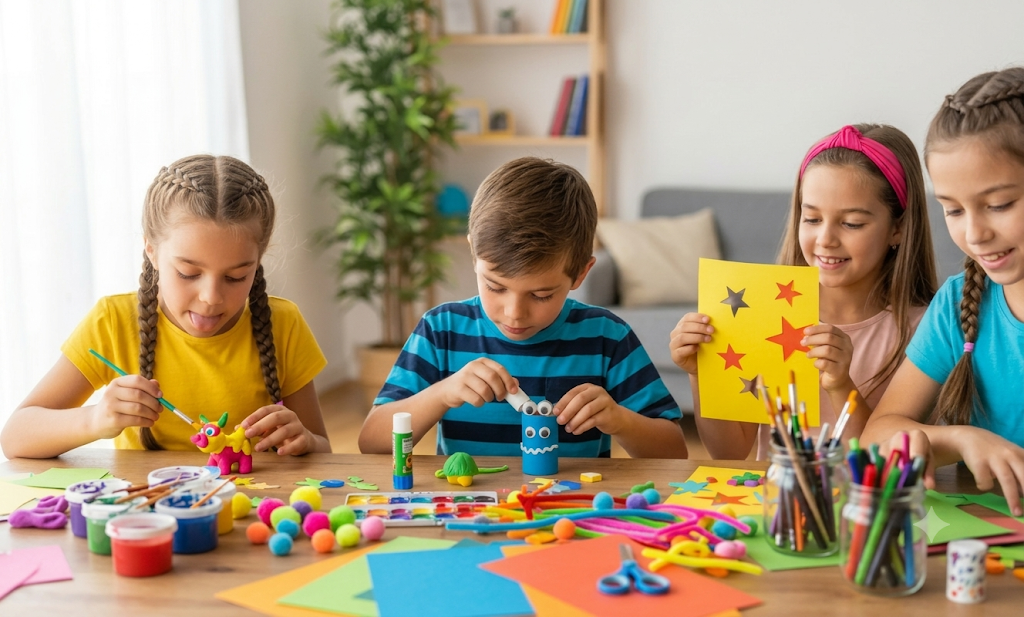
A good arts and crafts kit should give children enough guidance to get started without controlling every step.
Some kits give detailed instructions for making a specific object. These help beginners who need a little direction. But children should also get chances to create their own designs.
For example, a bracelet-making kit may include suggested patterns, but kids can pick their own bead combinations. Similarly, a painting kit may offer sample pictures while letting children make original artwork.
This freedom helps children grow more confident in their ideas. They begin to understand that creativity doesn’t always need a perfect result.
8. Make Storage and Clean-Up Easier
One practical detail parents often overlook is storage. Craft materials can quickly spread across tables, floors and cupboards if they don’t have a proper place.
Choose kits that come with storage boxes, reusable containers or separate compartments for small materials. These make it easier for children to organise their supplies after an activity.
Washable paints, reusable tools and easy-to-clean materials can also make a big difference at home.
If your child enjoys regular craft sessions, set up a small creative corner with paper, crayons, glue and other frequently used supplies. Keeping everything organised makes it easier to start the next project without hunting for missing items.
Best Arts & Crafts Kit Ideas for Different Occasions
Arts and crafts kits make useful gifts for birthdays, school holidays and family celebrations. The right choice depends on the occasion and the child’s interests.
For a birthday gift, a DIY jewellery kit, painting set or creative activity box can be a fun surprise. During school holidays, larger craft kits with multiple projects can keep kids busy for several days.
For Christmas and other festive occasions, children may enjoy making handmade decorations, greeting cards and personalised gifts. These activities also let them share something they’ve made with family members.
If you’re buying a gift for a child whose interests you don’t know well, a beginner-friendly drawing or colouring kit is often a practical option.
Final Thoughts
Choosing the best arts and crafts kits for kids in 2026 gets much easier when you understand your child’s age, interests and creative abilities. From simple colouring sets to detailed DIY projects, there are plenty of options for different skill levels and budgets.
Instead of buying a kit just because it looks attractive, think about what your child will enjoy making and whether the materials are safe and easy to use. A well-chosen craft kit can turn an ordinary afternoon into an enjoyable creative session.
Most importantly, let children experiment, make mistakes and come up with their own ideas. Their finished artwork doesn’t need to look perfect. Sometimes the most valuable part of arts and crafts is the fun, imagination and confidence they build along the way.
Drawing kits, painting sets, DIY craft kits, clay modelling kits, and jewellery-making kits are popular choices for children.
Children can start with simple, age-appropriate craft kits from around 2–3 years, with adult supervision.
Consider your child's age, interests, creativity level, safety requirements, and the materials included in the kit.
Yes, they can improve creativity, imagination, hand-eye coordination, concentration, and problem-solving skills.
Check age recommendations, non-toxic materials, small parts, product quality, included supplies, and safety instructions.
Sources and review notes
References used to check facts, freshness, and reader-safe recommendations in this guide.
This article on the Best Arts and Crafts Kits for Kids: Buying Guide 2026 is based on general product knowledge, creative learning trends, and publicly available information about children's arts and crafts supplies. Product features, age recommendations, materials, and prices may vary by brand. Parents should always check product details and safety information before purchasing a craft kit for children.
- 1
- 2
Discussion
0 comments
No comments yet
Discussion will appear here once it loads.