Some stories are more than entertainment. They become part of our childhood, festivals, family conversations, and cultural traditions. The Ramayana is one such epic. Its characters, values, and unforgettable moments have been shared across generations through books, television, theatre, and cinema.
Now, the timeless story has returned to the big screen in a new cinematic adaptation: Ramayana: Rise of a Legend (2026), directed by Nitesh Tiwari and produced by Namit Malhotra.
Featuring Ranbir Kapoor as Rama, Sai Pallavi as Sita, Yash as Ravana, and Sunny Deol as Hanuman, the film brings together a major ensemble cast to present one of India's best-known epics for modern audiences.
The movie has attracted attention for its ambitious production, large-scale visual effects, international musical collaboration, and the responsibility of bringing a deeply respected story to cinema.
But what is the film about? Who plays the important characters? How does its story unfold, and what makes this adaptation different?
Here is a detailed guide to Ramayana: Rise of a Legend, including its cast, storyline, production, music, release information, and what viewers should know before watching.
1. What Is Ramayana: Rise of a Legend?
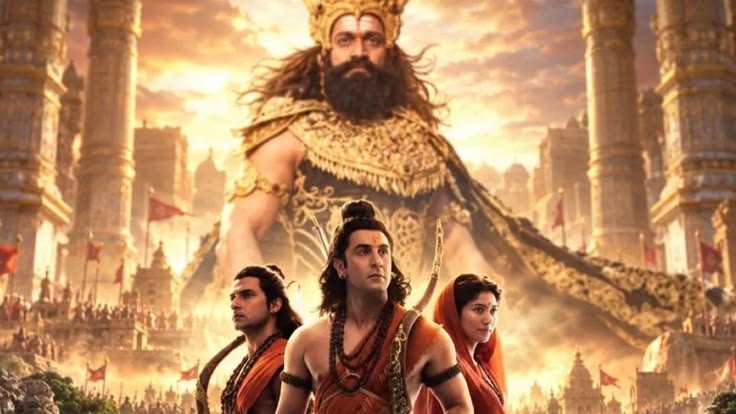
Ramayana: Rise of a Legend is a large-scale Indian mythological film based on the ancient epic Ramayana. Directed by Nitesh Tiwari, the project is planned as a two-part cinematic adaptation.
The film follows the story of Prince Rama, his wife Sita, his brother Lakshman, and the conflict with the powerful Lankan king Ravana.
The first instalment introduces audiences to the world of Ayodhya, Rama's journey into exile, the events surrounding Sita's abduction, and the growing conflict between Rama and Ravana.
Rather than treating the Ramayana as simply a story of a battle between two powerful figures, the film draws on themes of duty, loyalty, sacrifice, courage, family, and the difference between power and righteousness.
The production brings together Indian filmmakers, performers, musicians, and visual-effects artists to present the epic on an international cinematic scale.
2. Ramayana (2026): Movie Details at a Glance
Movie Detail | Information |
|---|---|
Film | Ramayana: Rise of a Legend |
Release year | 2026 |
Theatrical release | 5 November 2026 |
Director | Nitesh Tiwari |
Producer | Namit Malhotra |
Production companies | Prime Focus Studios and Monster Mind Creations |
Lead actors | Ranbir Kapoor, Sai Pallavi, Yash |
Music | A. R. Rahman and Hans Zimmer |
Genre | Mythological, Action, Adventure, Drama |
Runtime | Approximately 195 minutes |
Languages | Hindi, Tamil, Telugu, Kannada and Malayalam |
Film format | 2D, 3D and selected premium formats |
The film was released worldwide in cinemas on 5 November 2026. Its theatrical presentation includes premium formats, with availability depending on the cinema and location.
3. Meet the Main Cast of Ramayana
Meet the Main Cast
of Ramayana
An ensemble cast takes on characters that have stayed familiar to Indian audiences for generations.
Ranbir Kapoor
The central character of the epic.
Know the character
Sai Pallavi
Central to the epic's emotional journey.
Know the character
Yash
The powerful king of Lanka.
Know the character
Sunny Deol
One of the most loved characters.
Know the character
Ravie Dubey
Rama's younger brother.
Know the character
Which Character Shines in You?
Tap the quality you value most.
The Wider Cast
Different families, kingdoms, relationships and conflicts shape the epic.
One of the biggest attractions of this adaptation is its ensemble cast. Several well-known performers take on characters that have remained familiar to Indian audiences for generations.
4. What Is the Story of Ramayana (2026)?
The Ramayana is a familiar story to many viewers, but the film presents its events through a large cinematic production.
The first part begins in the world of Ayodhya, where Rama is respected for his character and his commitment to his responsibilities.
However, palace politics and family decisions change the future of the kingdom. Rama accepts exile rather than challenge the decision affecting his father's promise. Sita and Lakshman choose to accompany him.
Rama's Journey Into Exile
Rama's departure from Ayodhya is one of the defining moments of the epic.
Instead of allowing personal ambition to take priority, he accepts his responsibility and leaves the kingdom. Sita and Lakshman stand beside him, beginning a journey that tests their patience, courage, and relationships.
The Forest and the Turning Point
Life in the forest brings new challenges and encounters. The events surrounding Surpanakha and the conflict involving Rama and Lakshman eventually lead to a chain of consequences.
Ravana becomes involved, and Sita is abducted.
This changes the direction of the story and sets the foundation for the larger conflict.
The Search for Sita
After Sita's abduction, Rama's mission becomes finding her and bringing her home.
Hanuman and his allies become important to this journey. Their loyalty and determination help move the story towards the confrontation with Lanka.
The Conflict With Ravana
Rama's conflict with Ravana is the central struggle of the epic.
The confrontation represents more than a clash between two powerful individuals. It explores the consequences of pride, misuse of power, injustice, and the importance of standing against wrongdoing.
The first part establishes this larger conflict and the journey leading towards it, with the second instalment intended to continue the cinematic adaptation.
5. Why Is This Ramayana Adaptation Special?
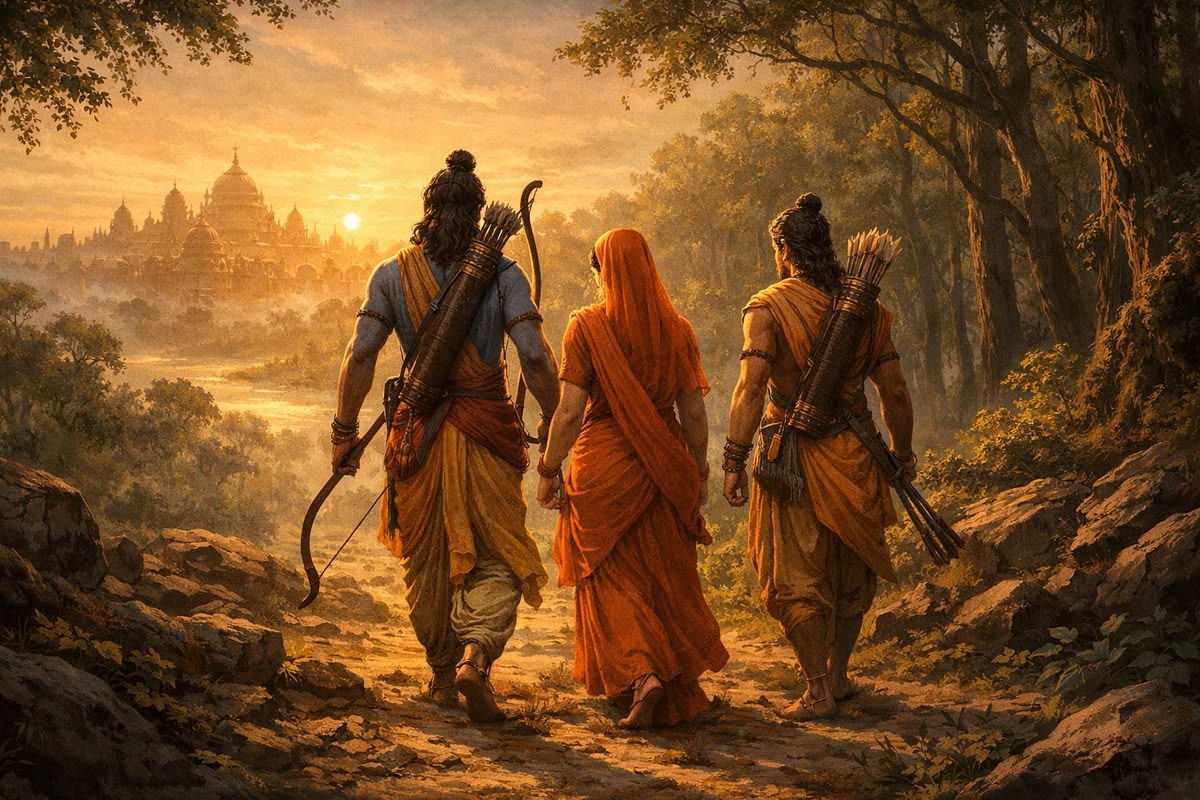
There have been several television and film adaptations of the Ramayana. Each has introduced the epic to a different generation.
The 2026 film takes a different approach by combining a major Indian cast with international filmmaking resources and modern cinematic technology.
Here are some elements that make this production worth discussing.
A Two-Part Cinematic Story
The makers have planned the adaptation across two films rather than trying to fit the entire epic into one release.
This gives the filmmakers more room to develop important characters, relationships, and major events.
Large-Scale Visual Effects
The production involves DNEG, an internationally recognised visual-effects company.
Visual effects are especially important for a story that includes ancient kingdoms, forests, Lanka, large-scale battles, and mythological settings.
The challenge is to make these environments visually impressive while maintaining the emotional and cultural character of the story.
An International Music Collaboration
The film brings together two major composers, A. R. Rahman and Hans Zimmer.
Their collaboration is one of the most discussed aspects of the production. The music combines Indian musical traditions with a broader cinematic approach.
A Major Ensemble Cast
The film brings together actors from different backgrounds and generations.
This allows the story to include the important characters surrounding Rama, Sita, Lakshman, and Ravana rather than focusing only on the central conflict.
6. Music of Ramayana: A. R. Rahman and Hans Zimmer
Music has always played an important role in Indian mythological storytelling. From devotional songs to powerful background scores, it helps audiences connect emotionally with the characters and events.
Ramayana brings together A. R. Rahman and Hans Zimmer for its music.
A. R. Rahman is known for combining Indian musical traditions with contemporary sounds, while Hans Zimmer is internationally recognised for his cinematic compositions.
Their collaboration creates considerable interest because the Ramayana has a musical identity that is deeply connected with Indian culture.
The soundtrack is presented by T-Series, with lyrics by Kumar Vishwas.
The music is expected to serve several purposes throughout the story:
Build an emotional connection with the main characters.
Support the spiritual and devotional atmosphere.
Create tension during major conflicts.
Give large-scale sequences a stronger cinematic identity.
Connect traditional Indian musical elements with modern orchestration.
For viewers, the musical collaboration is one of the most interesting creative aspects to explore while watching the film.
7. Visual Effects, Cinematography and Production Design
A mythological film of this scale needs more than impressive costumes and performances. It must also create a convincing world for its characters.
Ramayana uses large-scale production design and visual-effects work to present its settings and important moments.
The World of Ayodhya
Ayodhya is central to Rama's early story. Its presentation helps establish the royal environment, family relationships, and the world from which Rama begins his journey.
The Forest Environment
The forest is an important setting because it represents a major change in the lives of Rama, Sita, and Lakshman.
It also provides the background for several important events that shape the story.
The Kingdom of Lanka
Lanka is closely connected with Ravana's character and power.
Its visual presentation is important because it represents the world of the film's central antagonist and the setting for the larger conflict.
Large-Scale Action Sequences
The epic includes battles, powerful characters, and dramatic confrontations. Visual effects and action choreography help translate these events into a cinematic experience.
The film is also presented in IMAX and other premium formats in selected cinemas, allowing viewers to experience its visuals on larger screens.
8. Ramayana Part 1 and Part 2: What Is the Difference?
The film is planned as a two-part adaptation. This approach allows the story to develop across two theatrical releases.
Part | Main focus | Release information |
|---|---|---|
Ramayana: Part 1 | Rama's early journey, exile, Sita's abduction and the growing conflict with Ravana | 5 November 2026 |
Ramayana: Part 2 | Continuation of the epic and the larger conflict | Planned for Diwali 2027 |
The first film establishes the central characters and major events that lead towards the conflict. The second part is expected to continue the story.
The final details of the second film, including its exact release date and promotional schedule, should be checked through official announcements.
9. Where Can You Watch Ramayana (2026)?
Ramayana was released in cinemas worldwide on 5 November 2026.
Depending on your location, you may find screenings in standard 2D, 3D, IMAX, and other premium formats.
For viewers in India, online ticketing platforms can help check available cinemas, languages, showtimes, and ticket prices.
Before booking, consider:
Choose your language: Check the available dubbed or original-language version.
Select your format: Compare standard, 3D, and premium-screening options.
Check the runtime: The listed runtime is approximately 195 minutes.
Review showtimes: Choose a screening that suits your schedule.
Check cinema facilities: Premium formats and seating options differ between theatres.
10. What Makes the Ramayana Relevant to Modern Audiences?
Although the Ramayana is an ancient epic, many of its central themes remain meaningful today.
Its story explores questions that people continue to face in everyday life.
Responsibility: Rama's decision to accept exile highlights the importance of duty and keeping one's commitments.
Family relationships: The relationships between Rama, Sita, Lakshman, Dasharatha, and the other members of the royal family show how personal decisions can affect an entire family.
Courage: The journey through difficult circumstances demonstrates the importance of determination.
Devotion and loyalty: Hanuman's dedication to Rama is one of the most recognised examples of selfless service in the epic.
Consequences of pride: Ravana's story explores how power and ambition can become destructive when they are not balanced by wisdom and restraint.
These themes are part of the reason the Ramayana continues to be discussed, performed, and retold across generations.
11. Things to Know Before Watching
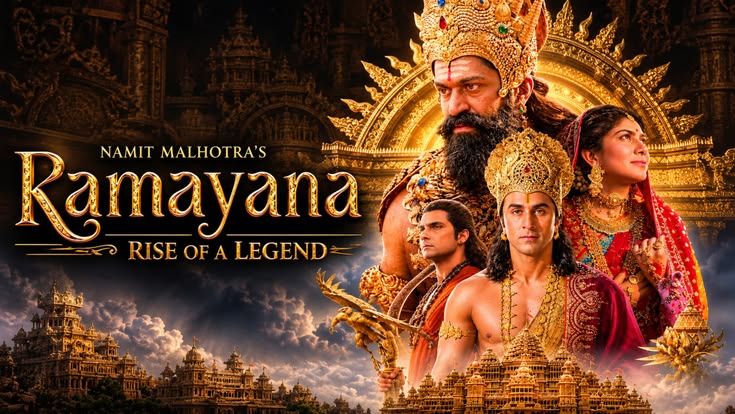
If you are planning to watch Ramayana, a little preparation can help you follow the story more comfortably.
Familiarise yourself with the main characters, especially Rama, Sita, Lakshman, Hanuman, and Ravana.
Remember that this is the first part of a planned two-film adaptation.
Expect a long theatrical experience, with a listed runtime of around three hours and fifteen minutes.
Check the language and format before booking tickets.
If you are watching with children, consider whether the film's battle scenes and dramatic moments are appropriate for them.
Keep in mind that cinematic adaptations may make creative choices in storytelling, dialogue, and presentation.
Viewers who already know the epic may notice differences in interpretation, while first-time viewers can use the film as an introduction to its central characters and themes.
12. Why Ramayana Is One of the Major Indian Film Releases of 2026
Ramayana has attracted attention because of the combination of its subject, cast, production scale, and creative team.
It brings together an internationally recognised visual-effects company, a major ensemble of Indian performers, and composers from different musical backgrounds.
The film also takes on a story that holds deep cultural and religious significance for many people.
That makes the project more than a conventional fantasy or action film. It is an attempt to bring a familiar cultural epic to a global cinema audience.
Its success as an adaptation will ultimately depend on how effectively it balances visual spectacle with the emotional depth and values of the original story.
Final Thoughts
Ramayana: Rise of a Legend (2026) brings one of India's most enduring epics back to cinemas through a large-scale production led by Nitesh Tiwari.
With Ranbir Kapoor as Rama, Sai Pallavi as Sita, Yash as Ravana, and Sunny Deol as Hanuman, the film brings together a notable cast. Its collaboration between A. R. Rahman and Hans Zimmer, ambitious visual-effects work, and two-part storytelling approach add to the interest surrounding the project.
For viewers who grew up hearing the Ramayana, the film offers an opportunity to revisit familiar characters in a new cinematic setting. For younger audiences and international viewers, it provides another way to discover a story that has influenced Indian culture for generations.
Ultimately, the lasting value of the Ramayana lies not only in its battles and larger-than-life characters, but also in its lessons about responsibility, courage, loyalty, sacrifice, and the importance of doing what is right.
FAQ's
Ramayana (2026) is a mythological film based on the ancient Indian epic, following Lord Rama’s journey, his exile, Sita’s abduction, and the battle against Ravana.
The reported cast includes Ranbir Kapoor as Rama, Sai Pallavi as Sita, Yash as Ravana, and Sunny Deol as Hanuman.
The film is directed by Nitesh Tiwari and produced by Namit Malhotra.
The film’s reported music collaboration includes A. R. Rahman and Hans Zimmer.
Yes, the film is planned as a two-part cinematic adaptation, with the second part expected to continue the epic story.
Sources and review notes
References used to check facts, freshness, and reader-safe recommendations in this guide.
The article uses publicly available information from the following sources, including official production announcements, film details, and promotional material.
- 1
- 2
- 3
Discussion
0 comments
No comments yet
Discussion will appear here once it loads.