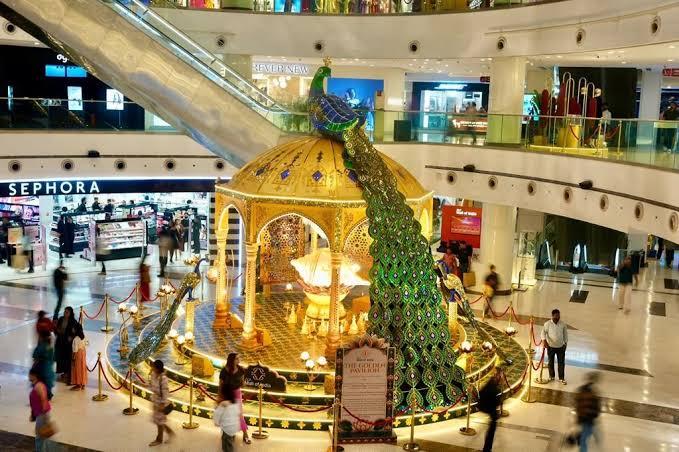
Shopping centres have traditionally been places where people visited to purchase clothing, electronics, groceries, accessories, and other everyday essentials. Customers arrived with a shopping list, visited a few stores, completed their purchases, and returned home. However, changing lifestyles and evolving consumer expectations are reshaping this familiar retail experience.
Today, many shoppers want more than products and discounts. They are looking for places where they can enjoy a meal, watch a movie, meet friends, explore new brands, attend events, or simply spend quality time with family. Shopping centres are increasingly becoming destinations that combine retail with entertainment, dining, leisure, and social interaction.
Shop Simon, associated with Simon Property Group, reflects this broader retail environment. Simon operates shopping, dining, entertainment, and mixed-use destinations, positioning its properties as places for shopping as well as community experiences. Its portfolio includes malls, premium outlets, and other retail destinations.
This shift raises an interesting question: Are shopping centres becoming experience destinations rather than just retail spaces? The answer is increasingly yes, as retailers and property operators look for ways to make physical visits more engaging, convenient, and memorable.
Why the Traditional Shopping Centre Is Changing
The growth of online shopping has changed how consumers discover and purchase products. Many shoppers can now compare prices, browse collections, and order items from their homes. As a result, physical shopping centres need to offer something that digital platforms cannot fully reproduce.
A shopping centre can provide an atmosphere, a sense of discovery, and opportunities for real-world interaction. Visitors can try products, explore different stores, enjoy restaurants, and experience the environment around them.
Changing expectations of shoppers
Traditional Shopping Visit | Modern Shopping Experience |
|---|---|
Focused mainly on buying products | Combines shopping with leisure |
Visits planned around specific stores | Visits include discovery and exploration |
Limited time spent outside shopping | Dining, entertainment, and social activities |
Product-focused experience | Experience-focused environment |
Individual shopping trips | Family and group outings |
This does not mean shopping itself is becoming less important. Instead, shopping is becoming part of a larger experience.
Important pointer: A successful shopping centre should make the visit valuable even when customers do not arrive with a specific purchase in mind.
Shopping Centres as Social Gathering Places

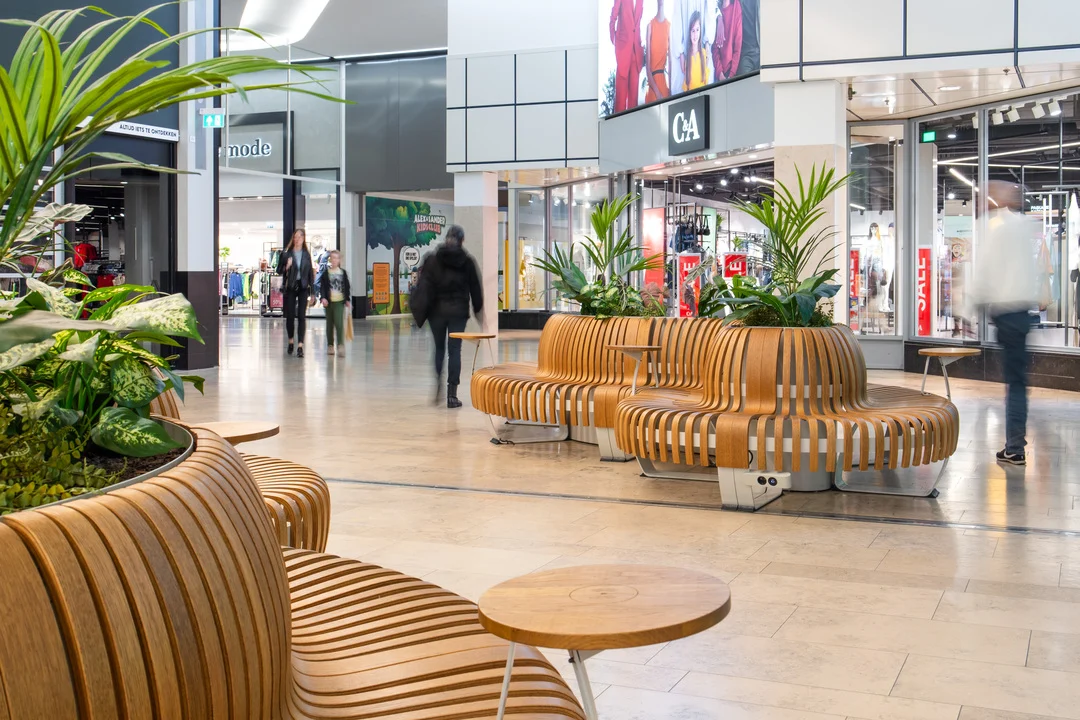
One of the most noticeable changes in retail destinations is their growing social role. Shopping centres often provide comfortable spaces where people can meet friends, spend time with family, or enjoy a casual outing.
Food courts, cafés, restaurants, open seating areas, and entertainment zones can encourage visitors to stay longer. These spaces also make shopping centres relevant to people who may not be actively looking for products.
Why social experiences matter
They create reasons to visit beyond shopping.
They encourage visitors to spend time together.
They make shopping centres more welcoming to different age groups.
They support casual visits and spontaneous activities.
They help create memories associated with a destination.
Simon describes its properties as community gathering places where people shop, dine, enjoy entertainment, and connect with friends, family, and their communities.
For modern retail destinations, this social connection can be an important part of their identity.
Entertainment Is Becoming an Important Attraction
Entertainment can transform a shopping visit into a complete day out. Movie theatres, gaming areas, family attractions, interactive experiences, and seasonal activities can bring additional energy to a retail environment.
These attractions appeal to visitors who want something enjoyable to do before or after shopping.
Examples of entertainment-led experiences
Experience | How It Adds Value |
|---|---|
Cinema | Encourages evening and weekend visits |
Arcade or gaming zone | Creates activities for friends and families |
Children's attractions | Makes destinations more family-friendly |
Seasonal celebrations | Adds excitement during holidays |
Interactive installations | Encourages exploration and memorable moments |
Some Simon destinations feature attractions such as aquariums, arcade games, and Ferris wheels, although the facilities available differ by property.
Entertainment helps shopping centres appeal to a wider audience and gives visitors additional reasons to return.
Dining Is More Than a Break Between Stores
Food has become a major part of the shopping experience. Visitors may plan their trip around a restaurant, meet friends for coffee, or enjoy a meal after browsing stores.
Dining options also help shopping centres serve different occasions. A quick snack may suit a short visit, while a restaurant meal can make the destination suitable for a longer outing.
How dining supports the retail environment
Convenience: Visitors can eat without leaving the destination.
Variety: Different cuisines and price ranges serve different preferences.
Social connection: Restaurants and cafés create meeting points.
Longer visits: Dining can encourage customers to explore more stores.
Special occasions: Restaurants can support celebrations and family gatherings.
A well-planned dining mix can make a shopping centre feel more complete rather than simply functional.
Brand Discovery and Experiential Retail
Shopping centres also offer opportunities for customers to discover brands in person. A visitor may enter a store for one product and discover a new collection, a different style, or an unfamiliar brand.
Physical retail allows customers to interact with products directly. They can examine materials, test certain items, compare options, and receive assistance from store associates.
What makes in-person brand discovery valuable?
Customers can experience products before purchasing.
Store displays can inspire new ideas.
Staff can answer questions and provide guidance.
Customers can discover products they did not initially plan to buy.
Retail environments can create stronger brand impressions.
Simon continues to highlight brand variety and curated retail experiences across its destinations. Its online marketplace, ShopSimon, also extends product discovery beyond physical visits by offering merchandise from participating retailers.
The combination of physical and digital discovery helps shoppers move between browsing, researching, and purchasing.
Technology Is Making Visits More Convenient
Experience-focused shopping does not mean ignoring convenience. Visitors still want to find stores easily, understand parking options, locate services, and access useful information.
Digital tools can make a physical visit smoother by helping shoppers plan before arriving and navigate once they are inside.
Useful retail technologies
Technology | Customer Benefit |
|---|---|
Digital directories | Helps visitors locate stores |
Interactive maps | Makes navigation easier |
Mobile shopping platforms | Supports browsing and product discovery |
Loyalty programs | Offers rewards and member benefits |
Online event information | Helps visitors plan activities |
Digital promotions | Makes offers easier to discover |
Simon has reported improvements to digital directories and its consumer-facing digital ecosystem as part of its efforts to enhance the shopping experience.
Technology works best when it simplifies shopping rather than adding unnecessary steps. A convenient digital experience can support the physical destination instead of replacing it.
Events and Seasonal Activities Create Fresh Reasons to Visit
A shopping centre can feel different from one visit to another when it offers events, seasonal decorations, exhibitions, or community activities.
Holiday celebrations, fashion events, family workshops, local performances, and promotional weekends can introduce new experiences throughout the year.
Why events are useful
They create excitement around specific dates.
They attract visitors who may not otherwise plan a shopping trip.
They support local communities and cultural activities.
They encourage repeat visits.
They give retailers opportunities to connect with customers.
Simon has highlighted community events, art installations, and other placemaking initiatives across its properties as ways to create welcoming destinations.
Events can help shopping centres remain dynamic and relevant rather than feeling exactly the same every time visitors arrive.
The Role of Outlet Shopping in the Experience Economy
Outlet shopping has traditionally been associated with discounts and value. However, outlet destinations can also offer dining, entertainment, brand discovery, and travel-related experiences.
Visitors may plan a trip around finding deals, exploring multiple stores, and enjoying the destination itself.
Simon Premium Outlets and The Mills combine retail with dining and entertainment offerings at various locations. Simon's travel information also presents its destinations as part of visitors' broader travel plans.
What shoppers may value at outlet destinations
Access to multiple brands in one location
Opportunities to compare products
Value-focused shopping
Dining and refreshment options
Convenient destinations for group visits
A shopping experience that can be part of a day trip
The experience becomes more appealing when value, convenience, and leisure work together.
What the Future of Shopping Centres Could Look Like
The future of shopping centres is likely to involve a balanced mix of retail, services, entertainment, dining, and community spaces. Not every destination will offer the same features, but the overall direction is toward creating more reasons for people to visit.
Potential developments
More flexible spaces for pop-up stores and emerging brands
Improved digital navigation and personalized information
More dining and lifestyle options
Community-focused events and public spaces
Greater integration of online and in-person shopping
Environments designed for different visitor needs
The strongest destinations will understand that shoppers have different motivations. Some come for convenience, others for entertainment, and many for a combination of both.
A shopping centre that adapts to these needs can remain relevant in a retail landscape shaped by digital commerce and changing lifestyles.
FAQs
It is a retail destination that combines shopping with activities such as dining, entertainment, events, and social spaces to make visits more engaging.
Entertainment gives visitors additional reasons to come, encourages longer visits, and makes destinations appealing to families and groups.
Digital directories, maps, mobile platforms, and loyalty programs can make visits easier to plan and navigate.
Dining provides convenience, supports social gatherings, and can make a shopping visit feel like a complete outing.
ShopSimon is Simon's online marketplace, offering merchandise from participating retailers and extending product discovery beyond physical shopping destinations.
Sources and notes
Links the author listed for this post.
This article uses general retail and consumer-experience insights, along with information from Simon's official website and company materials.


Discussion
0 comments