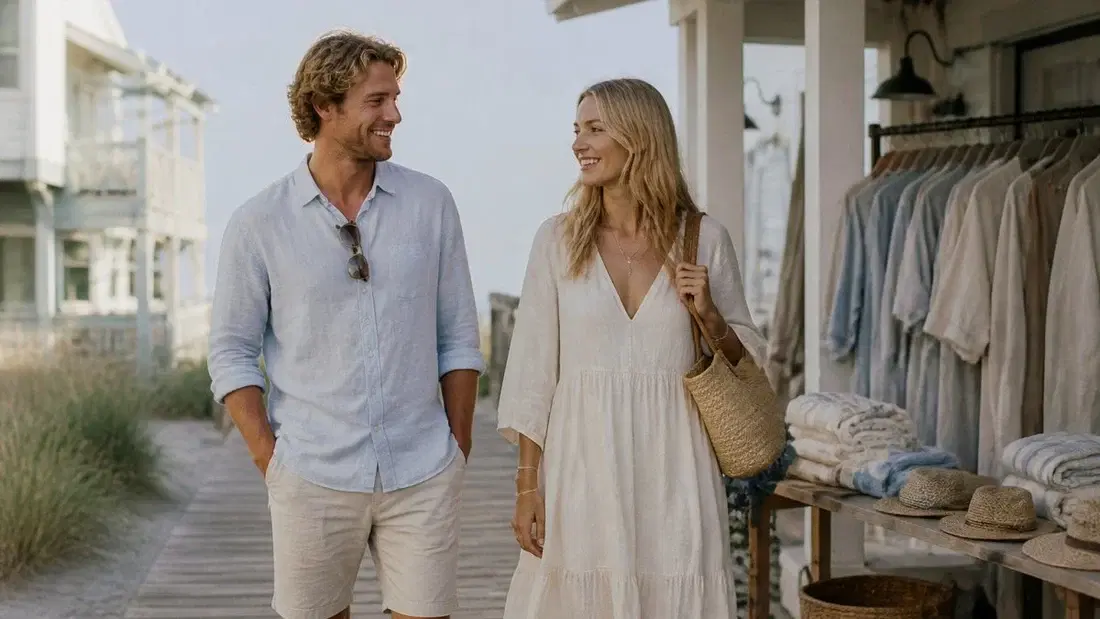
Coastal style has become one of the most recognizable influences in modern everyday fashion. Known for its relaxed silhouettes, comfortable fabrics, nautical details, and fresh colour combinations, this style brings the atmosphere of seaside living into ordinary wardrobes. What once developed from practical clothing worn by sailors, fishermen, and people living near the coast has gradually become a popular fashion direction across different countries and generations.
Explore AltFTool for useful fashion resources, free online tools, and digital utilities that make everyday lifestyle planning simpler and more convenient.
Today, coastal-inspired clothing is not limited to beach holidays or summer destinations. People wear striped T-shirts, linen shirts, lightweight trousers, cotton dresses, boat shoes, and simple accessories in their everyday lives. These pieces are popular because they combine comfort with an appearance that feels clean, effortless, and timeless.
Brands such as Nautica have helped make nautical-inspired fashion familiar to a wider audience. By combining traditional maritime influences with modern casual clothing, this fashion direction has remained relevant beyond seasonal trends.
Understanding how coastal style developed helps explain why it continues to influence the way people dress today.
The Origins of Coastal Style
Coastal fashion has its roots in clothing designed for life near the sea. Sailors, fishermen, and maritime workers needed garments that were practical, durable, and comfortable enough for long hours outdoors. Their clothing was influenced by weather conditions, working environments, and the need for freedom of movement.
Traditional maritime clothing often included striped shirts, sturdy trousers, knitted sweaters, lightweight jackets, and practical footwear. Navy blue, white, and other simple colours were common because they created a recognizable nautical appearance.
Over time, these practical garments began attracting attention outside working environments. Their simple designs and relaxed appearance made them suitable for casual everyday dressing.
The transition from functional maritime clothing to mainstream fashion happened gradually. Coastal communities influenced regional clothing traditions, while travel, photography, popular culture, and fashion designers helped introduce nautical-inspired looks to wider audiences.
How Nautical Clothing Entered Mainstream Fashion
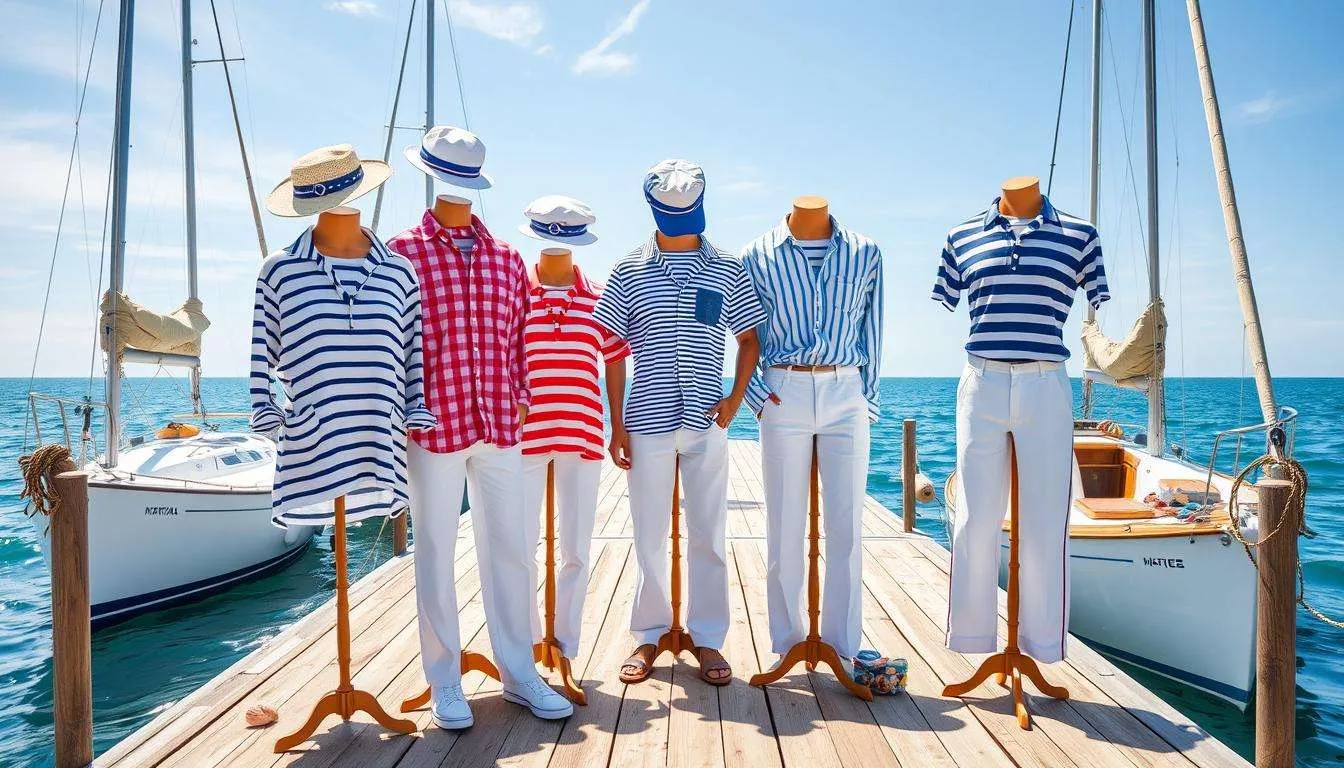
Nautical clothing became more widely recognized when elements of traditional sailor uniforms started appearing in everyday wardrobes. Striped tops, sailor-inspired collars, navy jackets, and white trousers moved from practical clothing into casual fashion.
The appeal was largely connected to the clean and balanced appearance of these garments. Unlike heavily decorated clothing, nautical-inspired pieces often relied on simple shapes, familiar colours, and subtle details.
Fashion designers also began experimenting with maritime references. They adapted traditional garments into more comfortable and versatile designs suitable for modern lifestyles.
Several elements helped coastal style become a regular part of fashion:
Striped shirts became popular everyday wardrobe pieces.
Navy and white combinations created a recognizable visual identity.
Lightweight fabrics supported comfortable dressing.
Relaxed fits made clothing suitable for different activities.
Simple designs allowed people to combine pieces easily.
As these elements became familiar, coastal fashion developed beyond a specific seaside identity. It became a broader approach to casual dressing.
The Role of Nautica in Popularising Coastal Fashion
Nautica is one of the brands associated with bringing maritime inspiration into contemporary casual clothing. Its design direction reflects elements of sailing, ocean life, and coastal environments while adapting them for everyday use.
The brand's nautical identity has helped make classic maritime references recognizable in mainstream fashion. Its clothing collections have included casual shirts, polo shirts, jackets, knitwear, trousers, and accessories that reflect a relaxed coastal aesthetic.
Rather than treating nautical fashion as clothing only for sailors or beach destinations, this approach makes it suitable for ordinary activities such as travelling, meeting friends, shopping, or spending time outdoors.
Nautica's influence also demonstrates how a clear design identity can remain recognizable while fashion trends change. Ocean-inspired colours, clean patterns, and comfortable silhouettes continue to appeal to people who prefer practical clothing with a classic appearance.
The lasting popularity of coastal fashion is not dependent on one brand alone. However, brands that consistently use maritime references have helped maintain interest in this style across different generations.
Why Coastal Colours Remain Popular
Colour is one of the most important features of coastal fashion. Traditional nautical clothing frequently uses shades inspired by the sea, sky, sand, and sailing equipment.
Navy blue and white are particularly recognizable because they create a clean contrast. These colours are easy to combine and can work across different types of clothing.
Other coastal shades include light blue, beige, cream, sea green, soft grey, and occasional red accents. Together, they create a relaxed appearance without requiring complicated styling.
Coastal Colour | Common Clothing Uses | Style Impression | Easy Pairing |
|---|---|---|---|
Navy Blue | Shirts, jackets, trousers | Classic and refined | White, beige, grey |
White | T-shirts, dresses, shirts | Fresh and simple | Navy, blue, tan |
Light Blue | Shirts, polos, dresses | Relaxed and airy | White, cream, denim |
Beige | Trousers, shorts, knitwear | Natural and understated | Navy, white, olive |
Sea Green | Shirts, casual tops | Calm and refreshing | Cream, grey, white |
Red | Small accents and stripes | Traditional nautical character | Navy, white, denim |
These colours remain popular because they are adaptable. A navy polo shirt can be worn with denim, while a white linen shirt can work with tailored trousers or casual shorts.
The colour palette also makes coastal clothing useful throughout the year. Although lighter shades are especially common during warmer months, darker nautical colours can be incorporated into autumn and winter outfits.
The Importance of Comfortable Fabrics
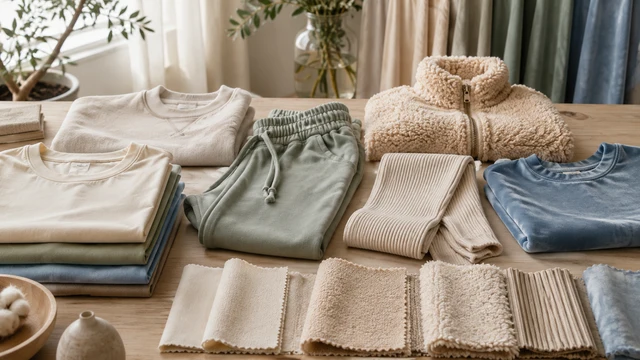
Comfort has played a major role in the lasting popularity of coastal style. Clothing inspired by seaside living often uses fabrics that feel breathable, lightweight, and easy to wear.
Cotton is one of the most common choices. It is suitable for T-shirts, polo shirts, casual shirts, and lightweight trousers. Its familiar texture and versatility make it useful for everyday wardrobes.
Linen is another important fabric associated with coastal dressing. It is appreciated for its airy feel and relaxed appearance, particularly during warm weather. Linen shirts and trousers often create an effortless look without requiring elaborate styling.
Knitted cotton, lightweight wool, and blended fabrics also appear in coastal-inspired clothing. These materials make the style adaptable to cooler temperatures.
Fabric | Common Garments | Main Advantage | Suitable Season |
|---|---|---|---|
Cotton | T-shirts, polos, shirts | Soft and versatile | All year |
Linen | Shirts, trousers, dresses | Lightweight and breathable | Spring and summer |
Cotton Knit | Sweaters, cardigans | Comfortable layering | Autumn and winter |
Lightweight Wool | Sweaters, jackets | Warmth without excessive weight | Cooler months |
Cotton Blends | Casual trousers, tops | Practical everyday wear | Multiple seasons |
Fabric selection influences not only comfort but also the overall appearance of an outfit. Natural-looking textures, relaxed finishes, and breathable materials help create the easygoing character associated with coastal fashion.
Stripes: A Recognisable Feature of Coastal Clothing
Stripes are among the most recognizable patterns in nautical fashion. Their connection with maritime clothing has made them a lasting part of coastal-inspired wardrobes.
Horizontal navy and white stripes are particularly familiar. They are often seen on T-shirts, long-sleeved tops, sweaters, and casual dresses.
However, modern coastal fashion uses more than traditional striped patterns. Thin stripes, wide stripes, multicoloured designs, and subtle variations provide different styling possibilities.
Striped clothing is popular because it can add visual interest without making an outfit appear overly complicated. A striped T-shirt with plain trousers, for example, creates a balanced casual look.
The pattern also works with different age groups and personal styles. Some people prefer bold nautical stripes, while others choose smaller patterns that create a more understated appearance.
How Coastal Style Became Suitable for Everyday Wear
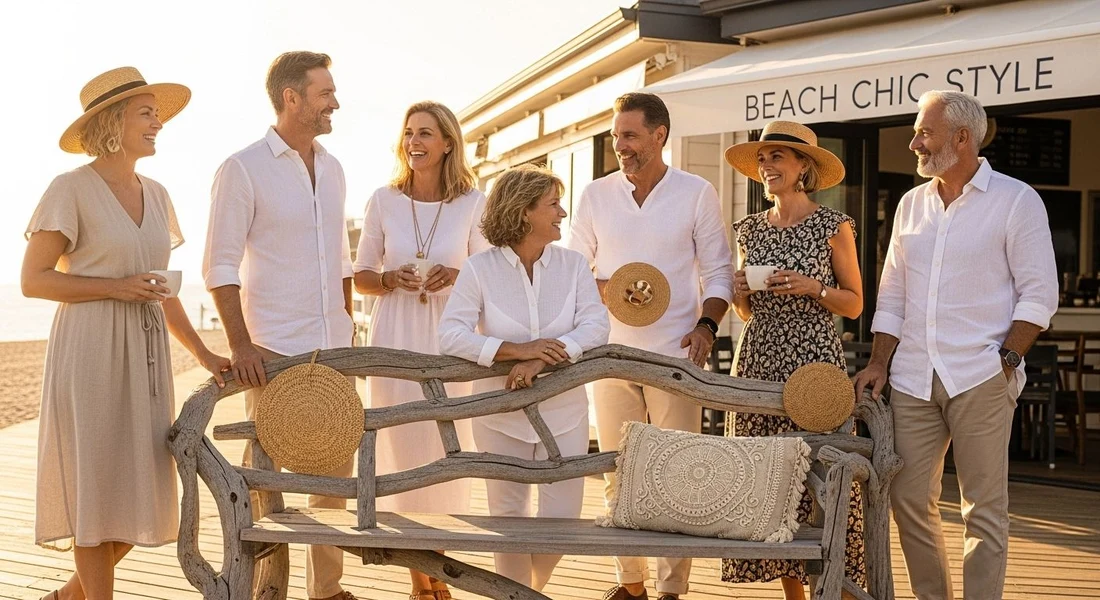
One of the biggest reasons coastal fashion has lasted is its ability to fit into ordinary routines. Modern clothing needs to work across different situations, including work, travel, social activities, and relaxed weekends.
Coastal-inspired garments are often simple enough to be worn in several combinations. A cotton polo shirt can be paired with jeans, chinos, or shorts. A lightweight jacket can be worn over a T-shirt, while a linen shirt can function as both a standalone garment and a layering piece.
This flexibility makes coastal fashion practical for people who do not want to create complicated outfits every day.
The style also avoids depending heavily on temporary fashion trends. Classic colours, familiar patterns, and comfortable silhouettes can remain useful for years.
For everyday dressing, coastal fashion offers several practical advantages:
Comfortable clothing for long hours of wear.
Simple combinations that require minimal effort.
Versatile pieces suitable for different occasions.
Colours that work well with existing wardrobe items.
Timeless designs that do not rely on seasonal trends.
These qualities have helped transform coastal style from a location-inspired look into a widely accepted everyday fashion choice.
Coastal Fashion Across Different Seasons
Although coastal style is strongly associated with summer, it can be adapted to different weather conditions. The key is choosing appropriate fabrics and layering pieces while keeping the overall appearance relaxed.
During spring, lightweight sweaters, cotton shirts, and chinos can create comfortable outfits. Summer dressing often includes linen shirts, cotton T-shirts, shorts, and breathable footwear.
When temperatures become cooler, coastal fashion can include knitted sweaters, lightweight jackets, long-sleeved shirts, and darker trousers.
The style remains recognizable because its main colours and design details can be maintained throughout the year.
Season | Recommended Clothing | Popular Colours | Styling Approach |
|---|---|---|---|
Spring | Cotton shirts, light sweaters | White, blue, beige | Light layering |
Summer | Linen shirts, shorts, T-shirts | White, light blue, cream | Breathable and relaxed |
Autumn | Knitwear, chinos, casual jackets | Navy, olive, grey | Comfortable layers |
Winter | Sweaters, heavier jackets, trousers | Navy, charcoal, cream | Warm and classic |
This seasonal flexibility makes coastal fashion more than a summer trend. It can provide inspiration for an entire wardrobe.
The Influence of Coastal Style on Men's Fashion
Coastal fashion has had a noticeable influence on men's everyday clothing. Polo shirts, striped T-shirts, relaxed shirts, chinos, and lightweight jackets have become familiar wardrobe essentials.
Men's coastal-inspired outfits often focus on simplicity. A navy polo shirt with beige chinos, for example, creates a balanced combination that works for casual outings and informal gatherings.
Linen shirts are another popular choice. They can be worn with tailored shorts during summer or paired with trousers for a slightly more polished appearance.
Footwear also contributes to the overall style. Boat shoes, canvas sneakers, loafers, and simple sandals can complement coastal-inspired outfits depending on the occasion.
The style is particularly appealing because it does not require many statement pieces. A few well-chosen garments can create several combinations.
Coastal Style in Women's Everyday Fashion
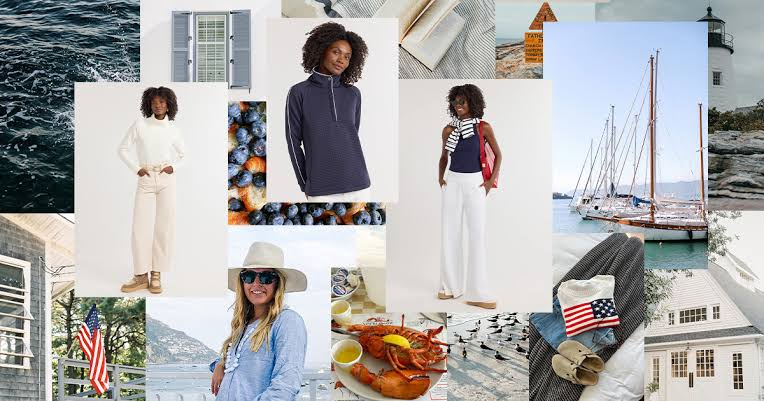
Coastal influences are also widely visible in women's clothing. Relaxed dresses, striped tops, linen trousers, lightweight cardigans, and simple skirts reflect the same comfortable approach.
Women's coastal fashion often combines soft silhouettes with natural-looking fabrics. A loose linen shirt can be worn with wide-leg trousers, while a striped top can be paired with denim or a simple skirt.
Accessories usually remain understated. Canvas bags, simple jewellery, woven textures, sunglasses, and comfortable sandals can complete the look without making it overly decorative.
The appeal comes from balancing practicality with personal expression. Coastal-inspired clothing can be casual, elegant, minimal, or playful depending on the colours, cuts, and accessories selected.
The Role of Travel and Popular Culture
Travel has helped coastal style reach people who may not live near the sea. Holidays, seaside photography, resort destinations, and coastal communities have introduced maritime-inspired clothing to wider audiences.
People often associate coastal clothing with relaxed holidays and outdoor activities. Lightweight shirts, comfortable trousers, and simple dresses create a visual connection with seaside environments.
Films, television, magazines, and celebrity fashion have also contributed to the popularity of nautical-inspired outfits. When familiar coastal elements appear in everyday settings, they become easier to adopt outside holiday destinations.
Social media has further expanded the style's reach. Outfit inspiration featuring neutral colours, linen garments, striped tops, and relaxed silhouettes has introduced coastal dressing to younger audiences.
However, the style's popularity is not based only on visual trends. Its practical features continue to make it useful in everyday life.
Minimalism and the Appeal of Timeless Clothing

Modern fashion increasingly includes interest in versatile clothing, simpler wardrobes, and pieces that can be worn repeatedly. Coastal style naturally fits this approach.
Its focus on classic colours and practical garments makes it easy to create a wardrobe with fewer but more useful items.
A navy sweater, white shirt, striped T-shirt, beige trousers, and lightweight jacket can form the foundation of several outfits. Each item can be combined with other pieces without requiring a completely different wardrobe for every occasion.
This approach can also reduce unnecessary clothing purchases. Instead of buying every new trend, people can focus on garments that suit their daily routines and personal preferences.
Coastal fashion is therefore connected to the broader appeal of timeless dressing. It offers a way to look put together while keeping clothing comfortable and uncomplicated.
How to Build a Coastal-Inspired Wardrobe
Creating a coastal-inspired wardrobe does not require buying an entirely new collection of clothes. The easiest approach is to begin with versatile basics and gradually add pieces that reflect the style.
Start with neutral colours such as navy, white, beige, and light blue. These shades create a consistent foundation and are easy to coordinate.
Choose comfortable garments that can be used for multiple occasions. A cotton T-shirt, striped top, linen shirt, and well-fitting trousers can provide several outfit combinations.
Footwear and accessories should support the same relaxed direction. Simple sneakers, loafers, canvas bags, and understated sunglasses are practical options.
Some useful wardrobe essentials include:
A classic navy or white polo shirt.
A striped cotton T-shirt.
A lightweight linen shirt.
Comfortable chinos or casual trousers.
Neutral-coloured shorts.
A simple knitted sweater.
A lightweight casual jacket.
Comfortable everyday footwear.
The aim is not to follow a strict uniform. Coastal fashion works best when its traditional influences are adapted to individual preferences, local weather, and everyday activities.
Coastal Fashion and Modern Lifestyle Changes
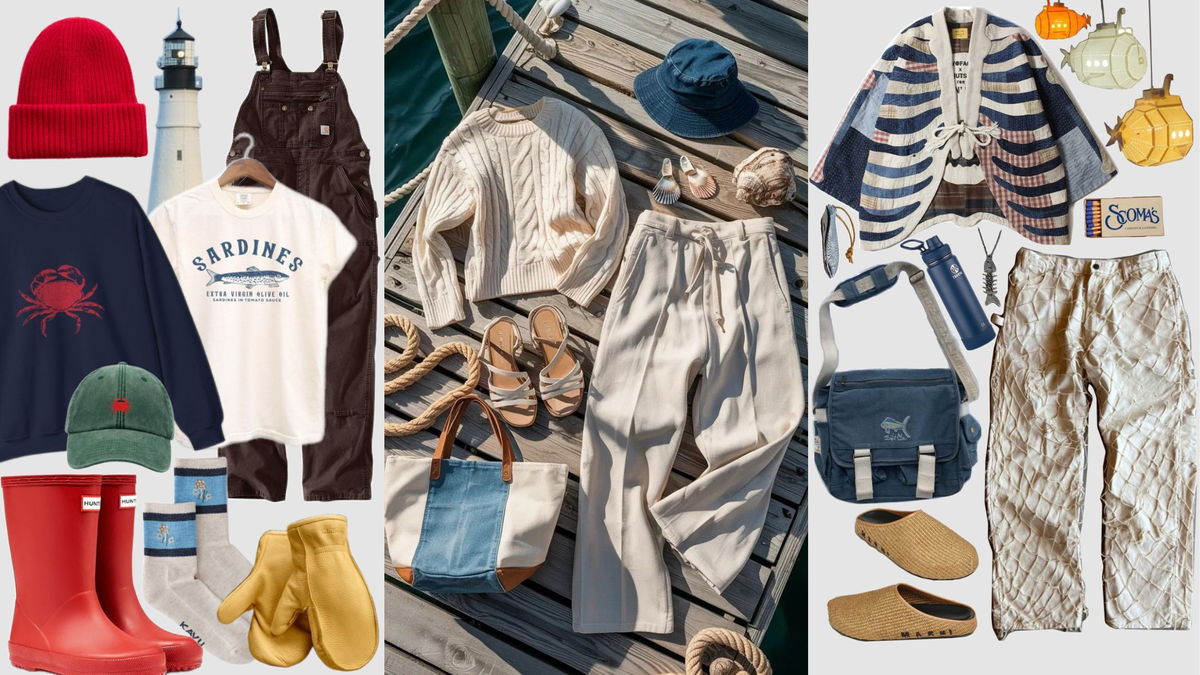
Everyday fashion has changed as people increasingly look for clothing that supports different activities. Many wardrobes now need to accommodate work-from-home routines, travel, casual meetings, shopping, and social occasions.
Coastal style fits these changing requirements because it combines comfort with a presentable appearance.
For example, a lightweight shirt and tailored trousers can look appropriate for a relaxed workplace, while the same shirt can be worn with shorts during a weekend outing.
This ability to move between different settings has helped coastal-inspired clothing remain relevant.
Consumers are also paying greater attention to fabric quality, garment durability, and versatility. Classic coastal pieces often fit these preferences because they can be worn across multiple seasons and combined with different wardrobe essentials.
The style continues to evolve, but its central principles remain familiar: comfort, simplicity, practical design, and a connection with maritime influences.
FAQ's
Coastal style is a fashion approach inspired by seaside living and maritime traditions. It features comfortable fabrics, relaxed silhouettes, nautical colours, striped patterns, and simple everyday clothing.
Coastal style became popular when practical maritime clothing, such as striped shirts, navy jackets, and lightweight sweaters, gradually entered mainstream fashion through designers, travel, and popular culture.
Yes. Lightweight linen and cotton garments work well in warmer months, while knitted sweaters, casual jackets, and layered outfits make coastal fashion suitable for cooler seasons.
Cotton, linen, cotton knits, and lightweight wool are popular choices. They provide comfort, versatility, and suitability for different weather conditions.
You can combine a striped T-shirt, navy polo shirt, linen shirt, or lightweight sweater with chinos, jeans, or casual trousers. Simple footwear and minimal accessories complete the look.
Sources and notes
Links the author listed for this post.
This article is based on general fashion history, maritime clothing traditions, coastal fashion trends, and publicly available information about nautical-inspired everyday wear and the influence of brands such as Nautica.
More on AltFTool
- AltFTool (opens in a new tab)
altftool.com


Discussion
0 comments