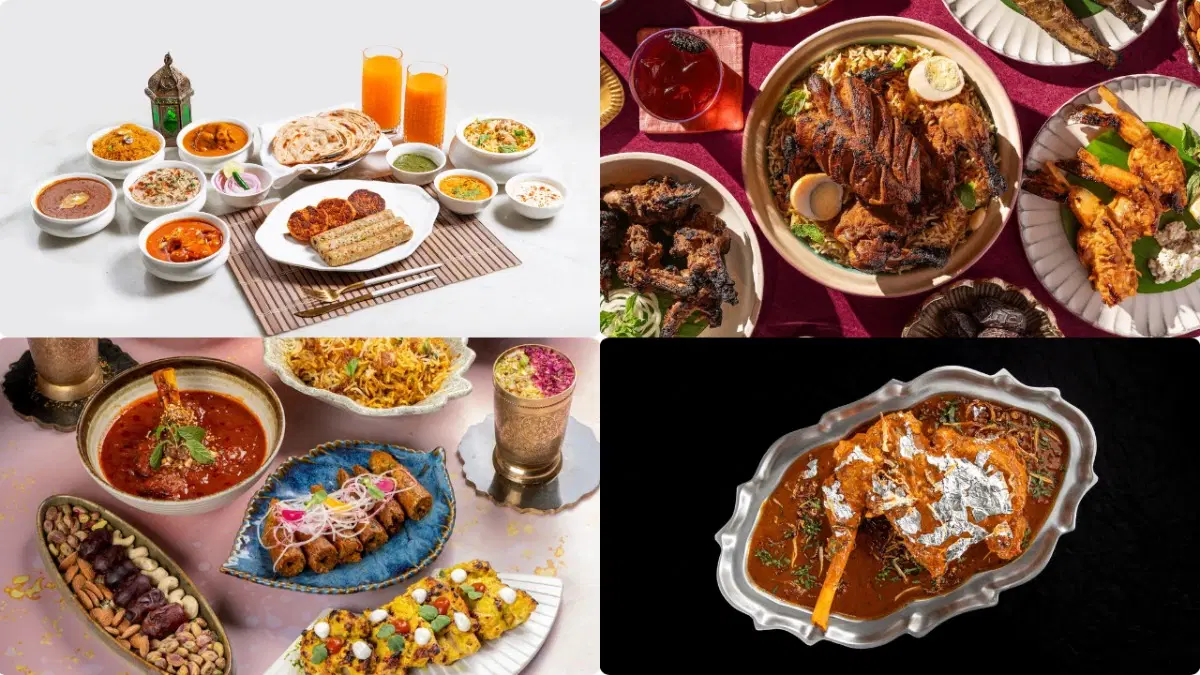
Food is one of the most enjoyable ways to explore different cultures, traditions and lifestyles. Every country has its own cooking methods, ingredients and traditional dishes that reflect its history and local identity. From spicy Asian curries and Italian pasta to Mexican street food and Middle Eastern specialities, global cuisine offers something for every taste.
In 2026, international food continues to attract travellers, home cooks and food lovers who want to discover new flavours. People are becoming more interested in traditional recipes, regional ingredients, healthy eating habits and creative food combinations. Restaurants are also introducing dishes that combine local cooking traditions with modern techniques.
Exploring world cuisine is not just about enjoying delicious meals. It is also an opportunity to understand how people celebrate festivals, welcome guests and preserve their cultural heritage through food. Whether you enjoy trying street food, visiting fine-dining restaurants or preparing international recipes at home, discovering global dishes can make every meal more interesting.
1. Italian Cuisine: A Celebration of Simple Ingredients
Italian cuisine is famous for its comforting flavours, fresh ingredients and traditional cooking techniques. It focuses on using quality ingredients such as tomatoes, olive oil, cheese, herbs, pasta and fresh vegetables.
Pasta is among the most recognised Italian foods around the world. Popular varieties include spaghetti, penne, lasagna and fettuccine. Each type can be prepared with different sauces, vegetables, meats and cheeses.
Pizza is another internationally loved Italian dish. Traditional Italian pizza often features a thin base, tomato sauce, mozzarella cheese and fresh toppings. Regional recipes also offer different flavours and preparation styles.
Risotto, a creamy rice dish, is another speciality worth exploring. It is usually prepared with rice, broth, cheese and other ingredients such as mushrooms or seafood.
Italian food is popular because it combines simplicity with flavour. It also offers many vegetarian options, making it suitable for different food preferences.
2. Indian Cuisine: Rich Spices and Regional Flavour
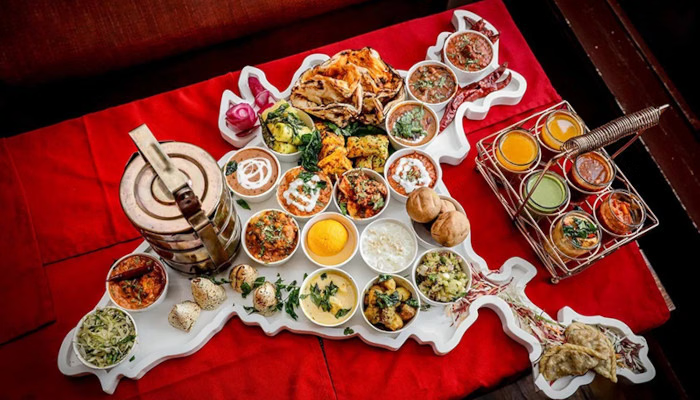
Indian cuisine is known for its variety of spices, cooking techniques and regional specialities. Every part of the country has its own food traditions, influenced by local ingredients, climate, history and culture.
North Indian cuisine includes popular dishes such as butter chicken, chole bhature, dal makhani, paneer tikka and different varieties of naan. These meals are often prepared with aromatic spices, dairy products and rich gravies.
South Indian food offers a different range of flavours. Idli, dosa, sambar, uttapam and coconut-based curries are common favourites. Rice, lentils, curry leaves and regional spices are important ingredients in many South Indian recipes.
Eastern India is known for dishes such as fish curry, traditional rice preparations and sweets like rasgulla. Western India offers specialities such as dhokla, pav bhaji, dal baati churma and Gujarati thali.
Indian cuisine also includes a wide selection of vegetarian and vegan dishes. Its regional diversity makes it one of the most interesting food cultures to explore.
3. Japanese Cuisine: Freshness and Balance
Japanese cuisine focuses on fresh ingredients, balanced flavours and careful presentation. Many traditional dishes are prepared using rice, seafood, vegetables, soy products and seasonal ingredients.
Sushi is one of Japan's most famous dishes. It generally combines seasoned rice with ingredients such as seafood, vegetables and seaweed. Different varieties include nigiri, maki and temaki.
Ramen is another popular Japanese meal. It consists of noodles served in a flavourful broth with toppings such as eggs, vegetables, meat or seafood. Each region has its own ramen styles and broth recipes.
Tempura is made by coating vegetables or seafood in a light batter and frying them until crisp. Another traditional favourite is miso soup, which is commonly prepared with miso paste, tofu and seaweed.
Japanese food is appreciated for its attention to detail and the way it highlights the natural flavours of ingredients.
4. Mexican Cuisine: Colourful and Full of Flavour
Mexican cuisine is known for bold flavours, fresh ingredients and traditional cooking methods. Corn, beans, tomatoes, chillies, avocados and herbs are commonly used in everyday meals.
Tacos are among the most popular Mexican foods. They are made using soft or crispy tortillas filled with ingredients such as vegetables, beans, meat, cheese and salsa.
Burritos are another well-known dish, usually prepared with a large flour tortilla wrapped around rice, beans, vegetables and other fillings.
Guacamole, made mainly from mashed avocado, lime juice, onion and herbs, is a popular accompaniment. Enchiladas, quesadillas and tamales are also important parts of Mexican food culture.
Mexican cuisine offers a combination of spicy, tangy and savoury flavours. Its traditional dishes are enjoyed in homes, restaurants and street markets across the world.
5. Chinese Cuisine: Variety Across Different Regions
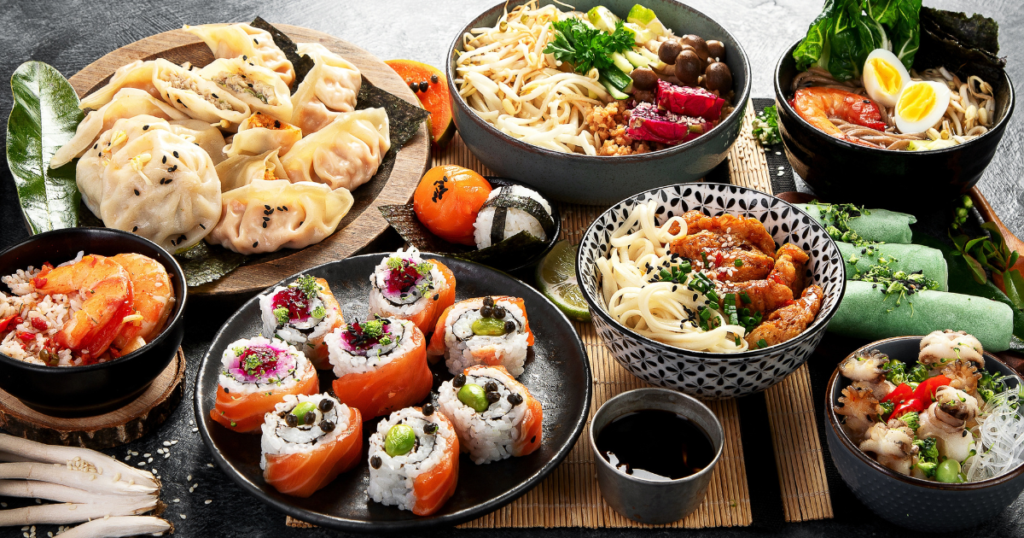
Chinese cuisine has a long history and includes several regional cooking traditions. Cantonese, Sichuan, Hunan and Shandong cuisines are among the well-known styles, each offering distinctive flavours and ingredients.
Dumplings are a popular Chinese food prepared with different fillings, including vegetables, meat and seafood. They can be steamed, boiled or pan-fried.
Fried rice is another familiar dish made using cooked rice, vegetables, eggs and seasonings. It is a versatile meal that can be adapted according to personal preferences.
Sichuan cuisine is particularly famous for its bold flavours and use of Sichuan peppercorns and chillies. Dishes such as mapo tofu and kung pao chicken are recognised internationally.
Noodles, stir-fried vegetables, hot pot and steamed buns are also important parts of Chinese food culture.
6. French Cuisine: Traditional Cooking and Fine Dining
French cuisine is widely recognised for its culinary techniques, regional specialities and attention to presentation. It has influenced professional cooking traditions in many parts of the world.
Croissants are among the most famous French bakery products. These buttery, flaky pastries are commonly enjoyed for breakfast with coffee or tea.
French onion soup is another traditional dish prepared using slowly cooked onions, broth and toasted bread, often topped with melted cheese.
Ratatouille is a vegetable-based speciality made with ingredients such as tomatoes, zucchini, eggplant and peppers. It highlights the importance of seasonal vegetables in French cooking.
Crepes are thin pancakes that can be served with sweet fillings such as chocolate, fruit and cream or savoury ingredients such as cheese and vegetables.
French cuisine demonstrates how careful preparation and quality ingredients can turn simple dishes into memorable meals.
7. Thai Cuisine: A Balance of Sweet, Sour and Spicy Flavours
Thai cuisine is popular for combining different flavours in a single dish. Sweet, sour, salty and spicy ingredients are often used together to create distinctive meals.
Pad Thai is one of the most recognised Thai dishes. It is a stir-fried noodle preparation made with rice noodles, eggs, vegetables, peanuts and a flavourful sauce. Depending on the recipe, it may also include tofu, chicken or seafood.
Tom Yum is a traditional hot and sour soup prepared with ingredients such as lemongrass, lime leaves, galangal, mushrooms and chillies.
Green curry is another well-known speciality made with green curry paste, coconut milk and vegetables or protein ingredients.
Thai cuisine also features mango sticky rice, a popular dessert combining sweet mango with sticky rice and coconut milk.
8. Middle Eastern Cuisine: Aromatic Spices and Traditional Meals
Middle Eastern food brings together a wide range of regional cooking traditions. Rice, chickpeas, lentils, olive oil, herbs, yoghurt and aromatic spices are commonly used.
Hummus is a popular preparation made from chickpeas, tahini, lemon juice and garlic. It is often served with bread, vegetables or other side dishes.
Falafel consists of seasoned chickpea or fava bean mixtures shaped into small balls or patties and fried until crisp.
Shawarma is another widely enjoyed dish, traditionally made with seasoned meat cooked on a rotating spit and served with bread, vegetables and sauces.
Other popular specialities include kebabs, tabbouleh, baba ganoush and different rice-based dishes. Middle Eastern cuisine is especially appreciated for its generous use of herbs and flavourful combinations.
9. Korean Cuisine: Fermented Foods and Modern Food Culture
Korean cuisine has gained international attention through restaurants, popular culture and social media. It combines traditional recipes with modern food experiences.
Kimchi is one of Korea's most recognised foods. It is a fermented vegetable preparation, commonly made using cabbage or radish with seasonings and spices.
Bibimbap is a rice-based meal served with vegetables, sauces and optional meat or eggs. The ingredients are usually arranged separately before being mixed together.
Korean barbecue is another popular dining experience in which diners cook different ingredients at a table grill. It is often accompanied by small side dishes known as banchan.
Tteokbokki, a popular street food, consists of chewy rice cakes cooked in a spicy sauce. Korean fried chicken and traditional noodle dishes are also enjoyed internationally.
10. Mediterranean Cuisine: Fresh and Balanced Meals
Mediterranean cuisine is influenced by food traditions from countries such as Greece, Italy, Spain and parts of North Africa and the Middle East.
It commonly features vegetables, fruits, whole grains, legumes, nuts, olive oil and seafood. These ingredients form the foundation of many traditional Mediterranean meals.
Greek salad is a familiar dish made with tomatoes, cucumber, olives, feta cheese and olive oil. It is often served as a refreshing side dish or light meal.
Paella, traditionally associated with Spain, is a rice-based dish that may include seafood, vegetables, chicken and saffron.
Falafel, grilled vegetables, hummus and different grain-based salads are also popular across Mediterranean-inspired menus.
This food culture is appreciated for its variety of fresh ingredients and its emphasis on balanced meals.
11. Brazilian Cuisine: Traditional Dishes and Comfort Food
Brazilian cuisine reflects the country's diverse cultural influences, local ingredients and regional traditions. Beans, rice, meat, cassava, tropical fruits and seafood are common ingredients.
Feijoada is one of Brazil's most famous traditional dishes. It is a slow-cooked black bean stew commonly prepared with different cuts of pork or beef. It is traditionally served with rice and side dishes.
Pão de queijo, or Brazilian cheese bread, is another popular speciality. These small baked snacks are made using cheese and tapioca flour, giving them a distinctive chewy texture.
Moqueca is a traditional seafood stew prepared with ingredients such as fish, tomatoes, peppers, coconut milk and herbs. Regional versions may use different ingredients and cooking techniques.
Brazilian cuisine also includes tropical fruit juices, grilled meats and a variety of sweet desserts.
12. Street Food: Discovering Local Flavours
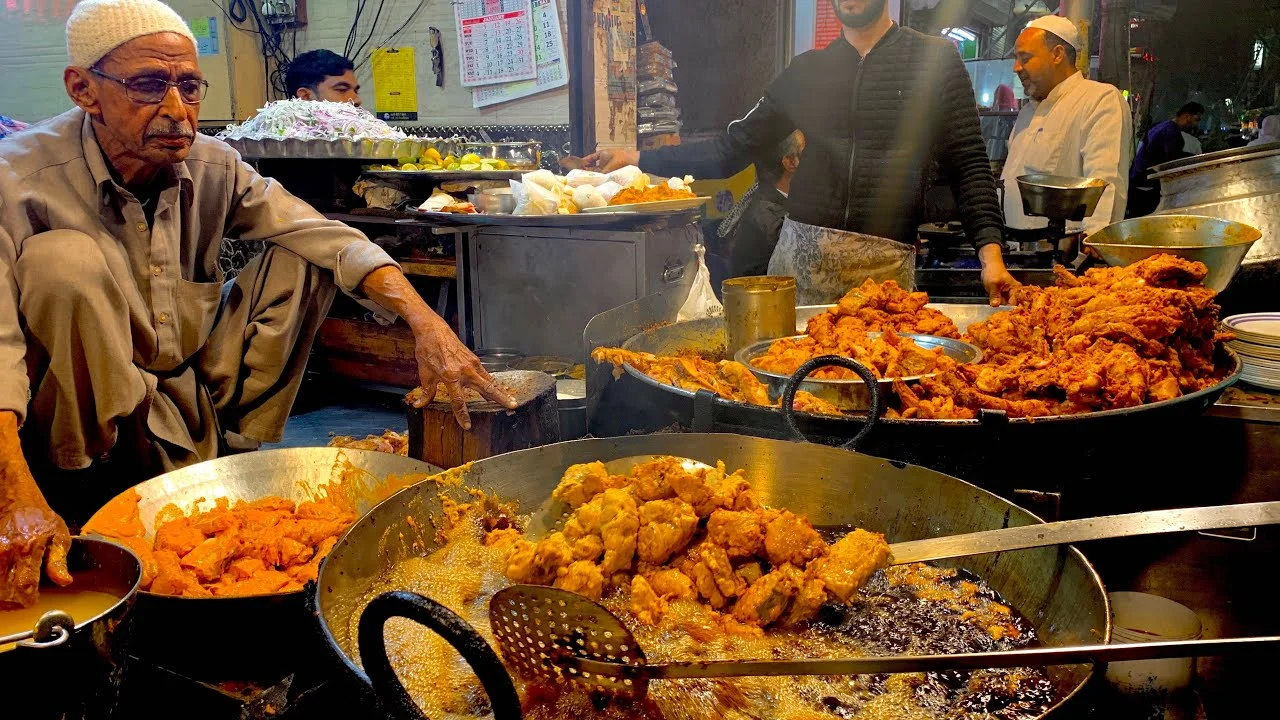
Street food is an important part of food culture in many countries. It offers travellers an opportunity to experience everyday local dishes without visiting expensive restaurants.
From Indian samosas and Thai noodles to Mexican tacos and Turkish kebabs, street food reflects the ingredients and cooking traditions of different communities.
Street markets also provide a lively atmosphere where visitors can discover regional specialities and interact with local vendors.
However, travellers should choose food stalls carefully. Check whether food is freshly prepared, properly cooked and served in clean conditions. Drinking safe water and paying attention to food hygiene can help reduce the risk of illness during travel.
Popular International Dishes to Try in 2026
Country or Region | Famous Dish | Main Ingredients |
|---|---|---|
Italy | Pizza | Dough, tomato, cheese |
India | Butter Chicken | Chicken, tomatoes, spices |
Japan | Sushi | Rice, seafood, vegetables |
Mexico | Tacos | Tortillas, fillings, salsa |
China | Dumplings | Dough, vegetables or meat |
France | Croissants | Flour, butter |
Thailand | Pad Thai | Rice noodles, vegetables, peanuts |
Middle East | Hummus | Chickpeas, tahini, lemon |
South Korea | Bibimbap | Rice, vegetables, sauce |
Brazil | Feijoada | Black beans, meat |
How to Explore Global Cuisine at Home
You do not need to travel internationally to experience different food cultures. Many traditional dishes can be prepared at home using ingredients available in local supermarkets and grocery stores.
Start with recipes that use familiar ingredients. For example, homemade pasta, vegetable tacos, fried rice and simple Mediterranean salads are good options for beginners.
Before preparing an unfamiliar dish, learn about its traditional ingredients and cooking method. Following an authentic recipe can help you understand the flavours that make the dish special.
You can also explore international grocery stores to discover new sauces, spices, noodles and other ingredients. Experimenting with small quantities is a good way to find flavours you enjoy.
Cooking international food with family and friends can make the experience even more enjoyable. It also provides an opportunity to learn about the traditions and cultures behind different recipes.
Conclusion
World cuisine offers an incredible variety of flavours, ingredients and cooking traditions. From Italian pasta and Indian curries to Japanese sushi, Mexican tacos and Brazilian feijoada, every food culture has something unique to offer.
In 2026, exploring global cuisine is easier than ever. Travellers can discover local specialities, restaurants are introducing international dishes, and home cooks can experiment with recipes from different countries.
Global cuisine refers to traditional and popular foods from different countries.
Italy is famous for its traditional pasta and pizza.
Butter chicken, biryani, dosa, chole bhature and dal makhani are popular Indian dishes.
Sushi, tacos, ramen, pizza, dumplings and Korean dishes are popular worldwide.
Try international recipes, use traditional ingredients and experiment with different cooking styles.
Sources and notes
Links the author listed for this post.
Information is based on international food traditions, culinary research and trusted food resources, including UNESCO, National Geographic Food and BBC Good Food.


Discussion
0 comments