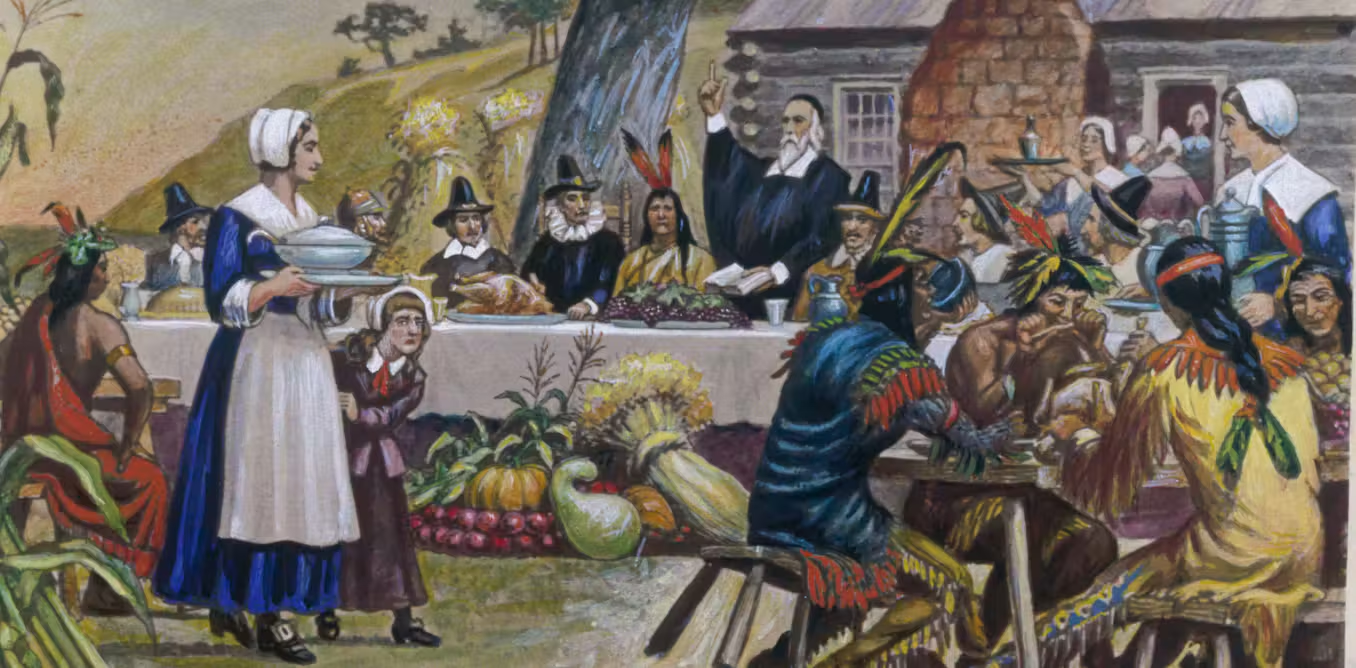
Thanksgiving 2026 will be celebrated in the United States on Thursday, November 26, 2026. It is one of America's most recognised holidays, bringing families and friends together for a day of gratitude, traditional food, shared memories, and meaningful conversations.
For many people, Thanksgiving is associated with a beautifully prepared dinner featuring roast turkey, mashed potatoes, stuffing, cranberry sauce, and pumpkin pie. However, the celebration is about much more than what appears on the dining table. It represents gratitude, family connections, generosity, cultural traditions, and the importance of appreciating the people and experiences that make life meaningful.
Explore AltFTool for free online tools, useful calculators, and digital resources that make everyday tasks easier, faster, and more convenient.
Every year, millions of Americans travel to spend the holiday with loved ones. Some follow traditions that have continued for generations, while others create new ways to celebrate. Whether it involves preparing a large family meal, volunteering in the community, watching a parade, or simply enjoying a quiet day at home, Thanksgiving holds a special place in American culture.
Understanding the history and meaning behind this holiday helps explain why it remains such an important occasion. Its traditions have changed over time, but its central message of gratitude and togetherness continues to bring people closer.
When Is Thanksgiving 2026 Celebrated?
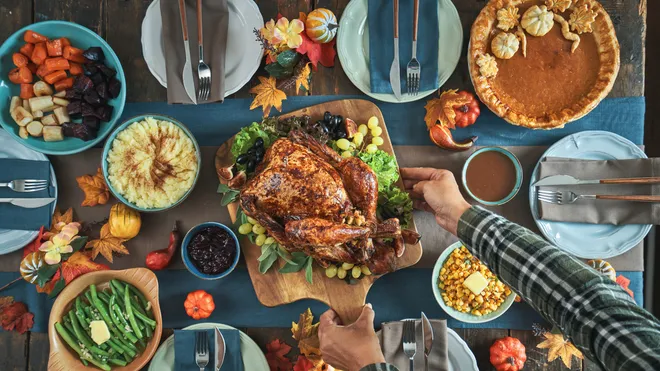
Thanksgiving is observed on the fourth Thursday of November every year in the United States. In 2026, that date falls on November 26. Unlike holidays that follow a fixed calendar date, Thanksgiving changes its date annually while remaining within the final part of November.
The holiday is recognised as a federal public holiday, meaning federal government offices and many businesses close for the day. Schools and workplaces may also schedule breaks around Thanksgiving, making it a popular time for family visits and travel.
For many households, preparations begin several days before the celebration. Families plan their menus, purchase ingredients, decorate their homes, and arrange travel schedules. Some people also use the extended holiday weekend to meet relatives, go shopping, or take short trips.
Thanksgiving Detail | Information | 2026 Schedule | Significance |
|---|---|---|---|
Holiday | Thanksgiving Day | November 26 | National day of gratitude |
Day | Thursday | Fourth Thursday of November | Annual celebration |
Main Activity | Family gathering | Throughout the day | Togetherness and connection |
Traditional Meal | Thanksgiving dinner | Usually afternoon or evening | Shared food and traditions |
Following Day | Black Friday | November 27 | Major shopping day |
Thanksgiving is not celebrated in exactly the same way by every American family. Traditions depend on personal preferences, regional customs, family backgrounds, and cultural experiences. Nevertheless, gratitude and spending time with others remain central themes.
The History Behind Thanksgiving
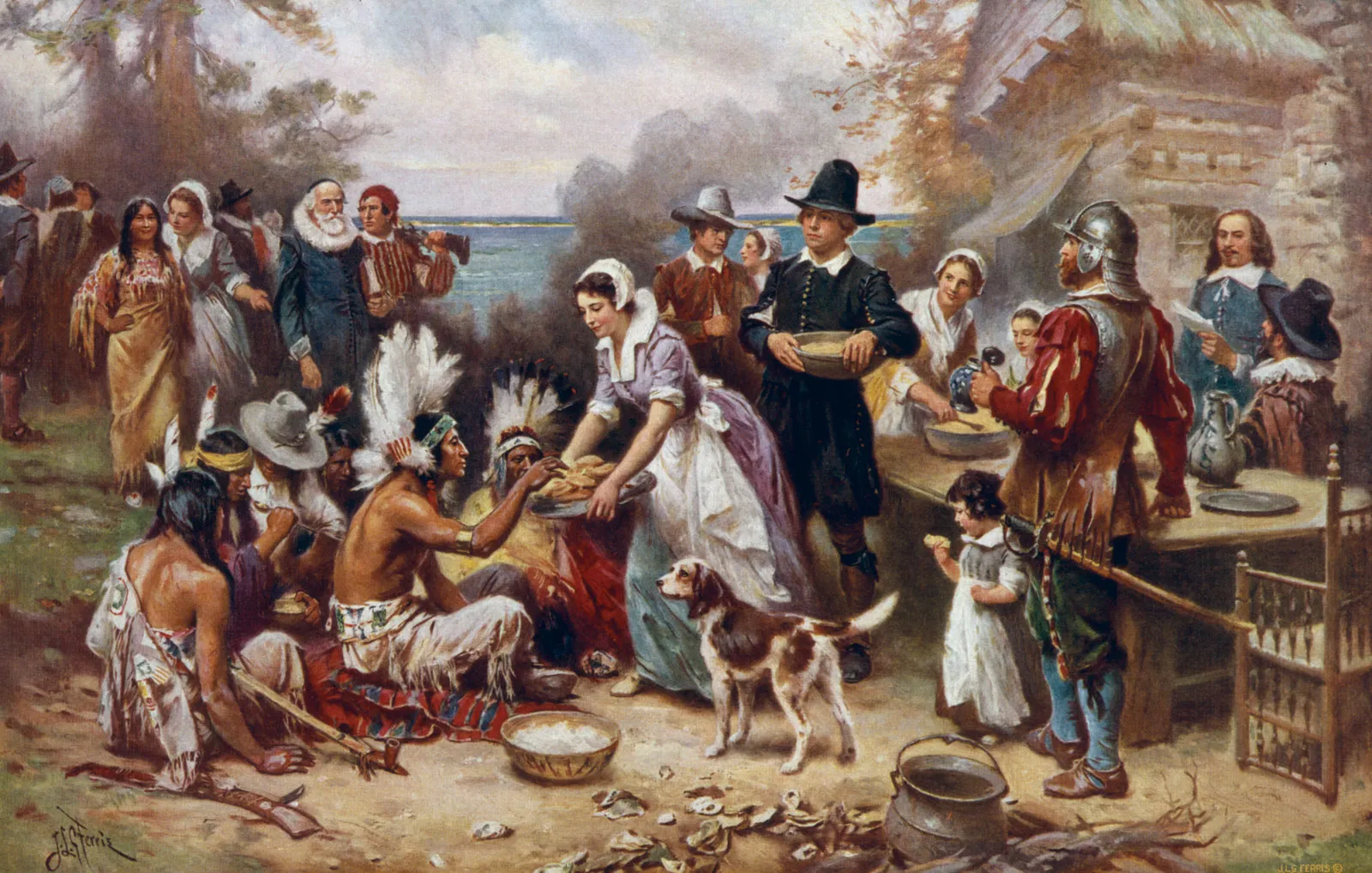
The history of Thanksgiving is often connected with the 1621 harvest gathering between English colonists at Plymouth and members of the Wampanoag people in present-day Massachusetts. The gathering took place after a difficult period for the colonists, who had faced illness, food shortages, and challenging living conditions.
The Wampanoag people had lived in the region for generations and possessed extensive knowledge of the local environment, farming, fishing, and seasonal food sources. Their assistance played an important role in the colonists' ability to survive. Historical accounts describe a shared harvest gathering involving members of both communities.
However, the familiar story of Thanksgiving is more complicated than a simple celebration of friendship. The relationship between European settlers and Indigenous communities was affected by colonisation, land disputes, disease, displacement, and violence. These events had lasting consequences for Native American nations.
The 1621 gathering is therefore an important historical reference, but it should not be understood as the complete story of Thanksgiving or the beginning of a peaceful relationship that continued unchanged.
Over the following centuries, different communities held days of thanksgiving for harvests, military events, and other occasions. The modern national holiday developed gradually rather than beginning as one single annual celebration.
How Thanksgiving Became a National Holiday
Thanksgiving became a nationally recognised American holiday through a series of historical developments. During the American Civil War, President Abraham Lincoln issued a proclamation in 1863 calling for a national day of thanksgiving to be observed on the final Thursday of November.
The proclamation encouraged Americans to recognise the country's blessings while also reflecting on the difficulties caused by the ongoing conflict. It helped establish a more consistent national tradition.
The date was later changed during the presidency of Franklin D. Roosevelt. In 1939, Roosevelt moved Thanksgiving one week earlier in an effort to extend the Christmas shopping season and support economic activity. The decision created confusion because different states followed different dates.
In 1941, Congress passed legislation establishing Thanksgiving as the fourth Thursday of November. This provided a consistent date for the national holiday and created the schedule that Americans follow today.
Historical Period | Important Development | Key Figure or Group | Long-Term Impact |
|---|---|---|---|
1621 | Harvest gathering at Plymouth | English colonists and Wampanoag people | Became a major historical reference |
1863 | National Thanksgiving proclamation | Abraham Lincoln | Strengthened the national observance |
1939 | Thanksgiving date moved earlier | Franklin D. Roosevelt | Created public debate and confusion |
1941 | Fourth Thursday established | U.S. Congress | Standardised the annual date |
Today, Thanksgiving is recognised as an important part of American national and cultural life. Its history includes different perspectives, and understanding those perspectives provides a fuller picture of the holiday.
Why Thanksgiving Is More Than a Feast
Food is one of the most visible parts of Thanksgiving, but the deeper meaning of the celebration goes beyond preparing and sharing a meal. The holiday encourages people to pause during their busy lives and recognise the things they appreciate.
For some, gratitude means appreciating family members who provide support and encouragement. For others, it means recognising good health, meaningful friendships, career opportunities, personal achievements, or the simple comfort of having a safe place to live.
Thanksgiving also offers an opportunity to reconnect with people. Modern lifestyles can make it difficult for families and friends to spend time together. Work responsibilities, school schedules, long distances, and everyday commitments often reduce opportunities for meaningful conversations.
The holiday creates a reason to put aside some of those distractions and spend time with people who matter.
Its meaning can also extend beyond personal relationships. Communities use the occasion to support people experiencing financial difficulties, provide meals to those in need, and organise charitable activities.
In this way, Thanksgiving represents three important ideas:
Gratitude: Appreciating the positive things and people in everyday life.
Togetherness: Building and maintaining relationships through shared experiences.
Generosity: Helping others and sharing resources with people who need support.
These values help explain why Thanksgiving continues to matter even to families whose celebrations look very different from traditional holiday images.
Traditional Thanksgiving Foods and Their Meaning
Thanksgiving dinner is an important part of the celebration. Many American households prepare traditional dishes that have become closely associated with the holiday. Recipes may be passed down through generations, with family members contributing their own special preparations.
Roast turkey is perhaps the most recognised Thanksgiving food. It is commonly served as the centrepiece of the dinner table, although some families prefer ham, chicken, seafood, or vegetarian alternatives.
Stuffing, mashed potatoes, gravy, cranberry sauce, and seasonal vegetables are also popular. Desserts such as pumpkin pie and pecan pie often complete the meal.
Traditional Food | Common Ingredients | Role in the Meal | Why It Is Popular |
|---|---|---|---|
Roast Turkey | Turkey, herbs, butter, seasoning | Main dish | Traditional holiday centrepiece |
Mashed Potatoes | Potatoes, milk, butter | Side dish | Comforting and easy to share |
Cranberry Sauce | Cranberries, sugar, water | Side dish | Adds a sweet and tangy flavour |
Pumpkin Pie | Pumpkin, spices, pastry | Dessert | Strong seasonal association |
Stuffing | Bread, herbs, vegetables, broth | Side dish | Traditional family recipe |
Not every household follows the same menu. Regional preferences and cultural backgrounds influence the food served at Thanksgiving. Some families prepare dishes inspired by Mexican, Italian, Caribbean, Asian, African American, or other culinary traditions.
For example, a household may serve traditional turkey alongside rice dishes, roasted vegetables, spicy side dishes, or recipes that have been part of its family history for decades.
This variety demonstrates how Thanksgiving traditions continue to develop while maintaining the idea of sharing food with others.
Family Traditions That Make Thanksgiving Special
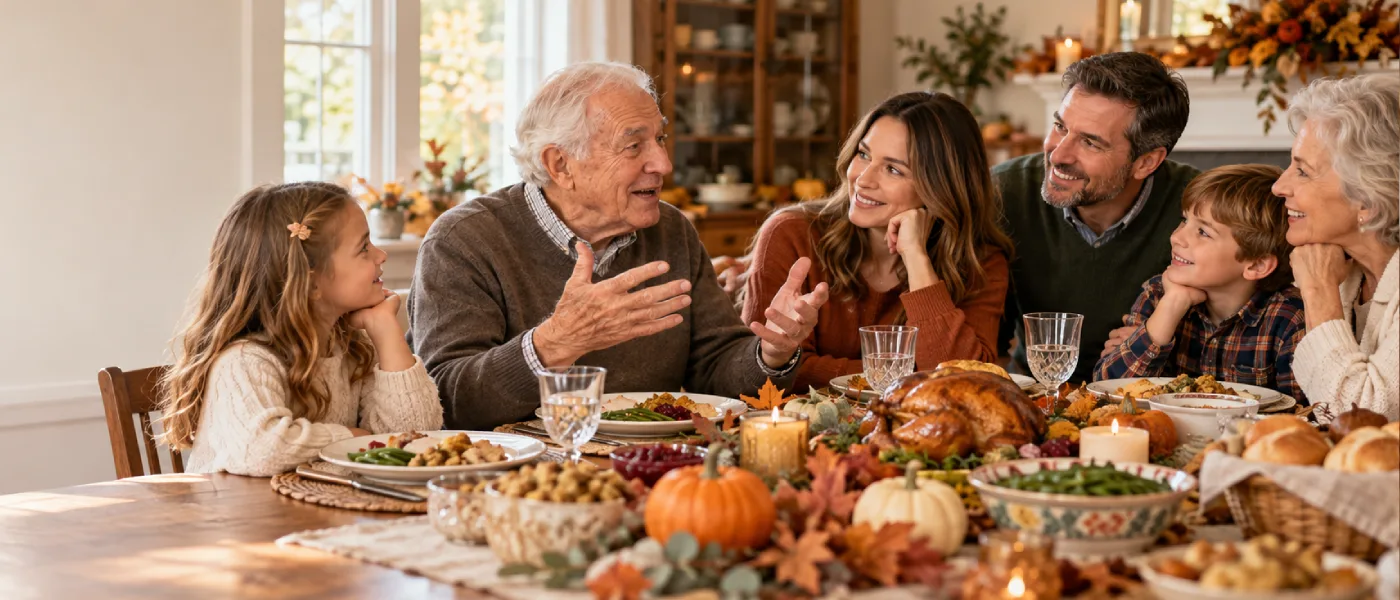
Family traditions are among the most meaningful parts of Thanksgiving. While the dinner may receive the most attention, small activities often create the memories people remember long after the holiday ends.
Some families begin the day by preparing food together. Children may help decorate the dining table, while older relatives prepare dishes using recipes that have been passed down through generations.
Other families follow traditions that are not directly connected to food. They may take a group photograph, share stories, play board games, watch holiday entertainment, or spend time outdoors.
One popular tradition is going around the dinner table and asking everyone to share something they are thankful for. The answers may be simple, emotional, funny, or deeply personal. The activity encourages people to reflect on positive experiences and appreciate one another.
Common Thanksgiving family traditions include:
Preparing traditional recipes together.
Decorating the home with autumn-themed items.
Sharing personal stories and memories.
Watching Thanksgiving Day parades.
Playing football or family games.
Taking photographs with relatives.
Expressing gratitude before the meal.
Enjoying desserts and conversations after dinner.
These activities may appear simple, but they help strengthen family relationships. They also allow younger generations to understand and continue traditions that are important to their families.
Thanksgiving Parades, Football and Entertainment
Thanksgiving is also associated with public celebrations and entertainment. Large parades, sporting events, and television programmes have become familiar parts of the holiday experience.
One of the best-known traditions is the Macy's Thanksgiving Day Parade in New York City. The event features giant character balloons, decorated floats, marching bands, musical performances, and appearances by entertainers. It attracts spectators along the parade route and millions of television viewers.
The parade has become a symbol of the holiday season for many American households. Families often watch it together while preparing their Thanksgiving meals.
American football is another major Thanksgiving tradition. Professional football games are traditionally scheduled on Thanksgiving Day, allowing sports fans to enjoy matches while spending time with family and friends.
Thanksgiving Activity | Where It Happens | Main Attraction | Why People Enjoy It |
|---|---|---|---|
Macy's Thanksgiving Day Parade | New York City | Balloons, floats and performances | Holiday entertainment |
NFL Thanksgiving Games | Different stadiums | Professional football | Sports and family viewing |
Community Events | Local neighbourhoods | Festivals and gatherings | Community participation |
Family Movie Time | Homes | Films and television shows | Relaxed family entertainment |
These activities add excitement to the holiday and provide entertainment for people who may not participate in every traditional Thanksgiving custom.
Thanksgiving and the Importance of Giving Back
Thanksgiving is often described as a holiday of gratitude, but it is also closely associated with generosity. Many people use the occasion to support individuals and families who may be struggling financially or experiencing difficult circumstances.
Food banks, community organisations, religious groups, and charities often organise special activities during the holiday season. Volunteers may prepare meals, distribute groceries, collect donations, or help organise community dinners.
Some families make charitable activities part of their regular Thanksgiving tradition. Instead of focusing only on their own celebrations, they encourage children to participate in helping others.
Giving back does not always require a large financial contribution. People can offer their time, share extra food, donate useful household items, or simply check on neighbours who may be spending the holiday alone.
Small acts of kindness can make a meaningful difference, especially for people who do not have the opportunity to celebrate with family.
Thanksgiving reminds people that gratitude is not only about recognising what they have. It can also inspire them to help others and contribute positively to their communities.
How to use this guide
Start with the outcome. Decide what you need from why thanksgiving is more than a feast: history & traditions.
Check the important details. Review the examples, warnings, and linked resources.
Take action. Apply the best option and save the result for later use.
FAQ's
Friendsgiving is a modern Thanksgiving celebration organised among friends. People usually gather for a shared meal, exchange stories, and enjoy activities together.
Thanksgiving represents gratitude, family connections, generosity, and community support. It encourages people to appreciate their relationships and help those who may be in need.
Thanksgiving is traditionally connected with a 1621 harvest gathering involving English colonists and Wampanoag people. It later developed into a national holiday through historical proclamations and legislation.
Thanksgiving is celebrated to express gratitude, appreciate blessings, and spend quality time with family and friends. Its historical origins are commonly associated with the 1621 harvest gathering at Plymouth.
Popular Thanksgiving foods include roast turkey, mashed potatoes, stuffing, cranberry sauce, gravy, pumpkin pie, and seasonal vegetables. Families often add their own traditional dishes.
Sources and notes
Links the author listed for this post.
This article is based on historical records, publicly available information about American Thanksgiving traditions, cultural practices, and historical perspectives on Native American communities.
More on AltFTool
- AltFTool (opens in a new tab)
altftool.com

Discussion
0 comments