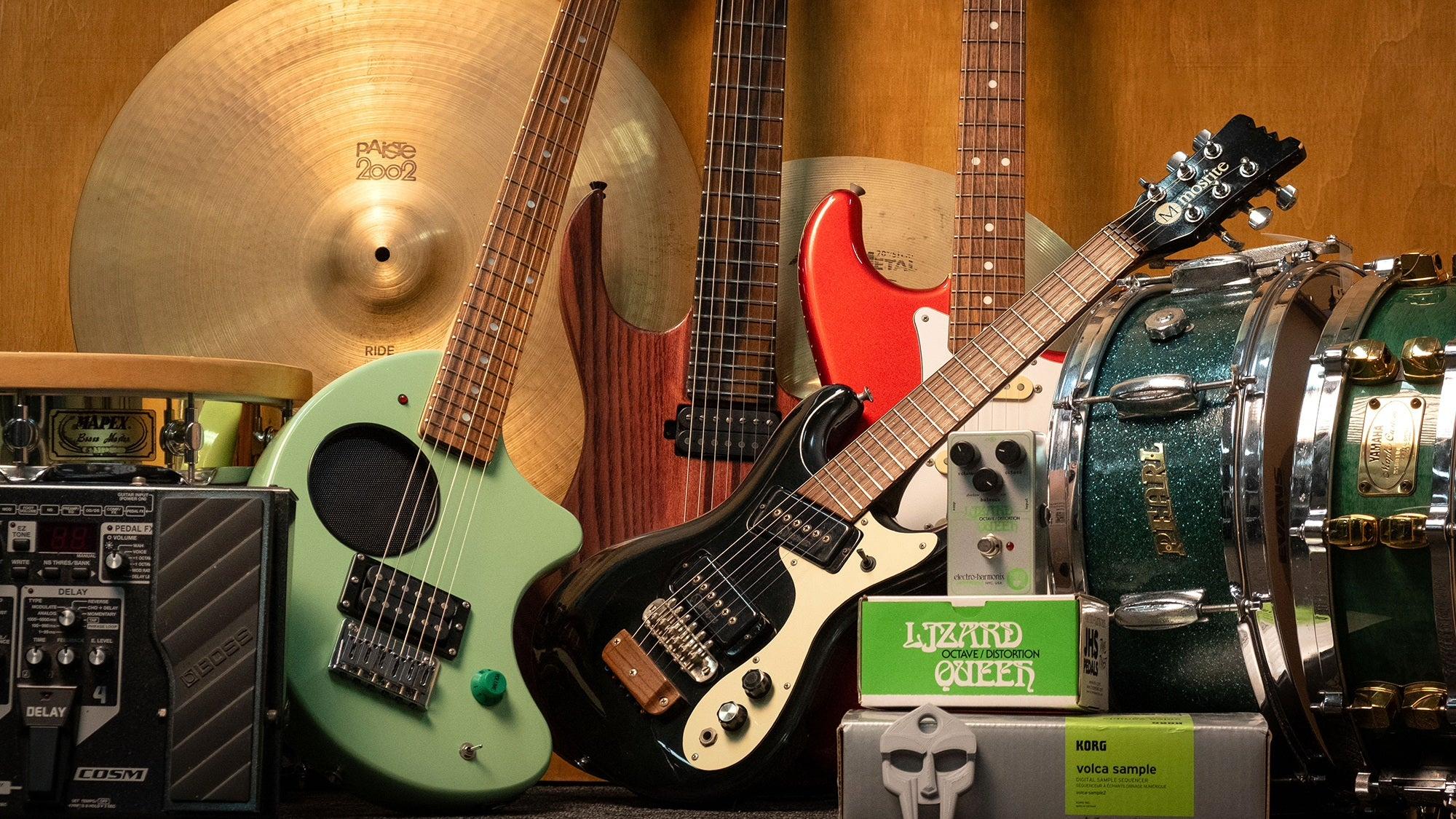
When I first started paying attention to music gear, I used to think that buying new equipment was always the better option. A brand-new guitar, keyboard, microphone or audio interface simply felt more exciting.
But after looking at how musicians actually build their setups, I started seeing the value of the second-hand music gear market.
For many artists, buying used equipment is not just about saving money. It can be a practical way to find professional-quality gear, discover older models, experiment with different sounds and build a setup without spending a huge amount.
This is especially useful for beginners and independent musicians who may have a limited budget.
So, why does the second-hand music gear market matter to artists? The answer goes much deeper than simply getting something cheaper.
What Is the Second-Hand Music Gear Market?
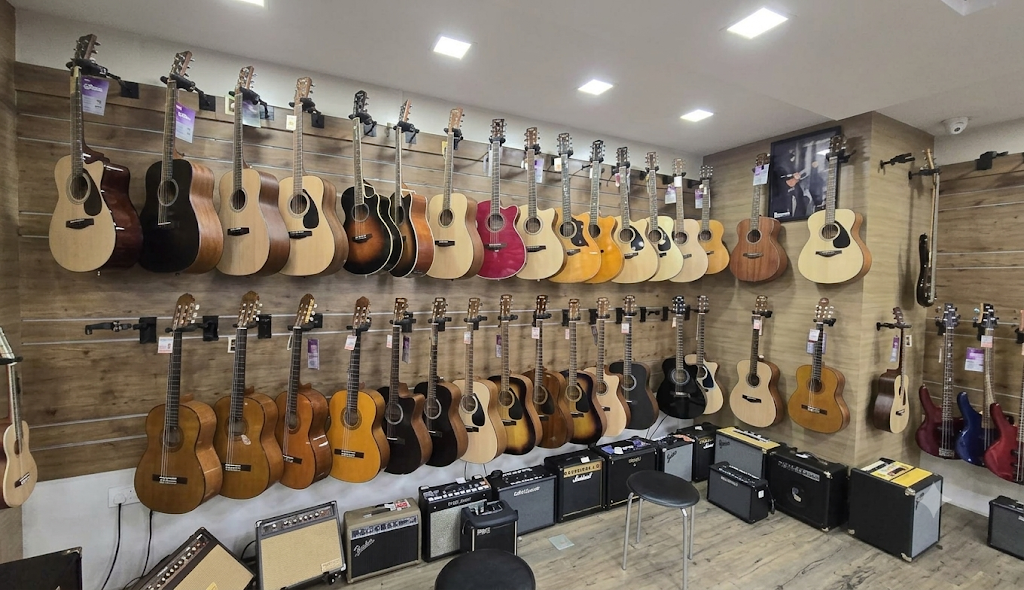
The second-hand music gear market includes musical instruments, recording equipment and accessories that have already been owned or used by someone else and are now being sold again.
This can include:
Guitars and bass guitars
Keyboards and synthesizers
Drums and percussion equipment
Microphones
Audio interfaces
Studio monitors
Amplifiers
Pedals and effects
DJ equipment
MIDI controllers
Mixing equipment
Cables and accessories
Some used equipment may be several years old, while other items may have been purchased recently and barely used.
New vs Second-Hand Music Gear
Feature | New Gear | Second-Hand Gear |
|---|---|---|
Price | Usually higher | Often lower |
Condition | New | Varies |
Warranty | More likely | May be limited or absent |
Model availability | Current models | Current and older models |
Resale potential | Can depreciate quickly | May hold value well |
Choice | New releases | Wider range of older and newer gear |
The important thing is that used does not automatically mean poor quality.
A carefully maintained second-hand instrument can still perform extremely well.
Why Artists Buy Used Music Gear
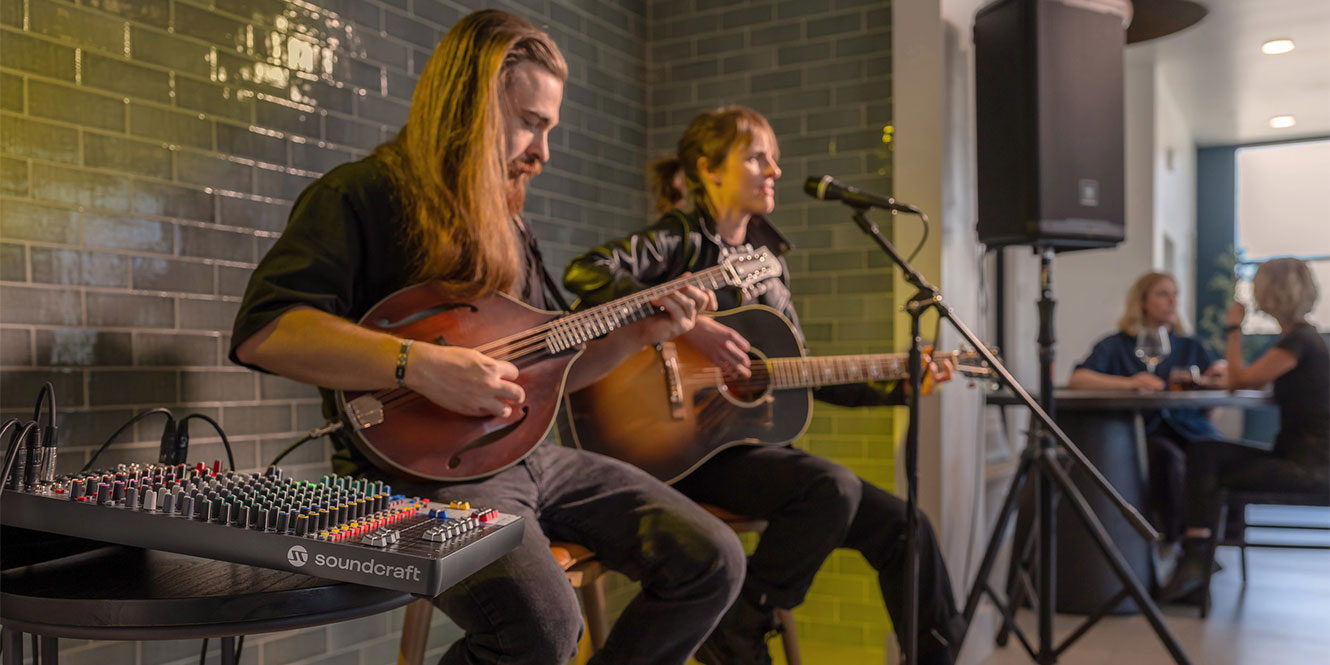
The biggest reason is obvious: cost.
Music equipment can become expensive very quickly. Someone may start with a guitar and amplifier, then realise they also need pedals, cables, recording equipment, microphones and other accessories.
For an independent artist, those costs can become difficult to manage.
Buying used can make the same setup more affordable.
A Simple Example
Imagine you want to build a basic home recording setup.
Instead of buying every item brand new, you could look for quality used equipment.
Equipment | New Purchase | Possible Used Option |
|---|---|---|
Audio interface | Higher cost | Older well-maintained model |
Microphone | Full retail price | Used studio microphone |
MIDI keyboard | New model | Previous-generation model |
Studio monitors | Full price | Carefully checked used pair |
Guitar | New retail | Pre-owned instrument |
The exact savings depend on the product, condition and seller, but the basic idea is simple: your budget can stretch further when you consider used gear.
It Gives Beginners More Opportunities
Starting music can be expensive, and that can discourage people before they even begin.
A beginner may not know whether they will continue playing guitar, producing music or recording vocals for years.
Buying everything new can feel like a big financial commitment.
Second-hand equipment provides another option.
Instead of spending a large amount on a premium new instrument immediately, a beginner can purchase a good used model and learn with it.
If their interests change later, they may also be able to resell the equipment.
Why This Matters for Beginners
Lower initial investment
More opportunities to experiment
Access to better-quality equipment
Easier to upgrade gradually
Less financial pressure while learning
For me, this is one of the strongest arguments for the used gear market.
Older Gear Can Still Be Valuable
One thing I find interesting about music equipment is that newer does not always mean better for every musician.
Some older guitars, synthesizers, drum machines, amplifiers and studio devices have become popular because musicians like their particular sound or feel.
A discontinued product may even become difficult to find.
This is where the second-hand market becomes especially useful.
Vintage and Older Gear
Artists may search for used equipment because they want:
A specific sound
An older design
A discontinued model
A particular build quality
A familiar playing experience
A unique recording character
In other words, the second-hand market can give artists access to equipment that they simply cannot buy new anymore.
It Encourages Experimentation
Music is creative, and creativity often comes from experimentation.
If an artist spends their entire budget on one expensive piece of equipment, they may have less money left to explore other sounds.
Used gear can make experimentation more accessible.
For example, a producer might try a used synthesizer they would never have considered buying at its original price.
A guitarist might experiment with different pedals.
A singer might try a different microphone.
Sometimes those experiments lead to a sound that becomes part of an artist's identity.
Second-Hand Gear Can Help Build a Personal Sound
Artists often talk about developing their own sound.
That does not always come from having the newest technology.
Sometimes it comes from finding equipment that feels right.
A particular guitar may respond differently to a player's style. A certain microphone may work especially well with their voice. A specific synthesizer may produce a sound that becomes part of their music.
Your Setup Does Not Have to Be Expensive
A professional-looking studio is not automatically a creative studio.
What matters more is whether the equipment helps you create the music you want.
Focus Less On | Focus More On |
|---|---|
Brand-new equipment | Useful equipment |
Latest release | Suitable sound |
Expensive setup | Effective setup |
Perfect appearance | Reliability |
Trends | Personal creativity |
It Supports a More Circular Music Economy
There is another side of the second-hand market that I think is easy to overlook.
When musicians sell equipment they no longer use, that equipment gets another chance to be useful.
Instead of sitting unused in a cupboard or studio, an instrument can move to another musician.
One artist's old gear can become another artist's first serious instrument.
The Cycle Looks Like This
Artist buys gear → uses it → upgrades → sells old gear → another artist buys it → gear continues being used
This creates a more circular approach to music equipment.
It Can Be Helpful for Independent Musicians
Independent musicians often have to manage their own expenses.
There may be costs for recording, promotion, travel, instruments, software, artwork and live performances.
Because of this, every purchase matters.
The second-hand market gives independent artists another way to control equipment costs.
Instead of spending the entire music budget on new gear, they can sometimes purchase reliable used equipment and put the remaining money toward recording, marketing or performances.
But Buying Used Requires Care
The second-hand market has many advantages, but I would never recommend buying used equipment without checking it properly.
A low price is not automatically a good deal.
The condition of the equipment matters.
Things to Check Before Buying
1. Physical condition
Look for cracks, dents, rust, loose parts or signs of serious damage.
2. Functionality
Ask whether every important feature works properly.
3. Age
Find out when the item was purchased and whether it has been heavily used.
4. Repairs
Ask whether the equipment has ever been repaired or modified.
5. Accessories
Check whether important cables, power supplies, cases or other parts are included.
6. Seller reputation
If buying online, look at seller ratings and previous reviews where available.
7. Return policy
A return option can provide additional protection when buying remotely.
A Used Gear Checklist
Check | Why It Matters |
|---|---|
Serial number | Helps identify the product |
Physical condition | Shows signs of wear or damage |
Working condition | Confirms functionality |
Original accessories | Prevents additional expenses |
Repair history | Reveals previous problems |
Seller reputation | Helps assess reliability |
Current market price | Shows whether the deal is actually good |
Beware of Deals That Look Too Good
This is probably the most important point for anyone new to second-hand shopping.
If a piece of equipment is being offered at an unusually low price, take a moment before paying.
Compare the price with similar listings.
Ask questions.
Request clear photographs.
If possible, test the equipment before purchasing it.
Red Flags to Watch For
Extremely low prices
Pressure to pay immediately
Missing product information
Poor-quality photographs
No explanation of defects
Unclear seller identity
Requests for unusual payment methods
A good deal should still make sense after you check the details.
How Artists Can Shop Smarter
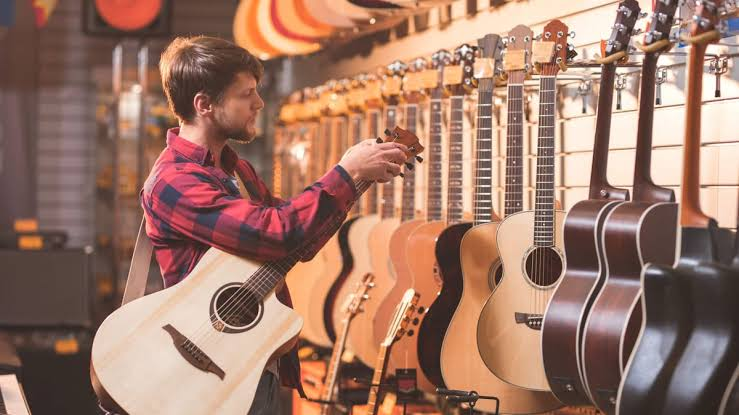
I think the best approach is to treat second-hand shopping as research rather than impulse buying.
Before purchasing, decide what you actually need.
For example, instead of searching for "best used guitar," search for a specific model that matches your playing style and budget.
Then compare several listings.
My Simple Buying Process
Step 1: Decide what you need.
Step 2: Research the original model.
Step 3: Check its current used-market price.
Step 4: Compare several sellers.
Step 5: Ask about condition and repairs.
Step 6: Check accessories and compatibility.
Step 7: Test the equipment whenever possible.
Step 8: Buy only when the price and condition make sense.
This approach can help prevent unnecessary purchases.
Is Second-Hand Gear Only for Beginners?
Not at all.
Experienced musicians, producers, collectors and professional studios also buy used equipment.
In fact, experienced musicians may have a better idea of exactly what they want.
A professional might specifically search for an older microphone, amplifier or synthesizer because they already know how it works with their setup.
Collectors may also look for discontinued or historically important instruments.
So the second-hand market serves very different types of buyers.
Why Collectors Care About Used Music Gear
Collectors often look beyond functionality.
They may care about:
Rarity
Age
Brand history
Limited production
Condition
Original parts
Historical importance
A particular instrument can have value because of its history as much as its technical specifications.
This makes the second-hand market important not only for working musicians but also for people interested in music history.
The Future of the Second-Hand Music Gear Market
As more musicians look for affordable ways to create music, the used equipment market is likely to remain important.
Online marketplaces have also made it easier for buyers and sellers to find each other.
At the same time, buyers are becoming more informed.
People can compare prices, research models and read reviews before making a purchase.
This makes the market more accessible than it was when musicians had to rely mainly on local shops or word-of-mouth connections.
Conclusion
The second-hand music gear market matters because it makes music more accessible, affordable, and personal for artists. From saving money on quality equipment to discovering vintage sounds and experimenting with different setups, used gear can open up opportunities that new equipment may not always provide. For me, the biggest advantage is that artists can build their own sound without always needing to spend a huge amount. With careful research and proper testing, second-hand gear can be a smart choice for beginners, independent musicians, collectors, and experienced artists alike.
FAQ's
Yes, if the equipment is in good condition and the price is reasonable. Used gear can provide excellent value for musicians.
Many musicians buy used instruments because they can cost less and may provide access to older, discontinued or unique models.
It can be, but buyers should research the seller, check the equipment's condition and understand the platform's payment and return policies.
Yes. Used equipment can be a practical way for beginners to start making music without spending too much initially.
Not necessarily. Second-hand simply means previously owned, while vintage generally refers to older equipment that may have particular historical or collectible value.
Sources and notes
Links the author listed for this post.
This article discusses the practical role of the second-hand music gear market for musicians and collectors.


Discussion
0 comments