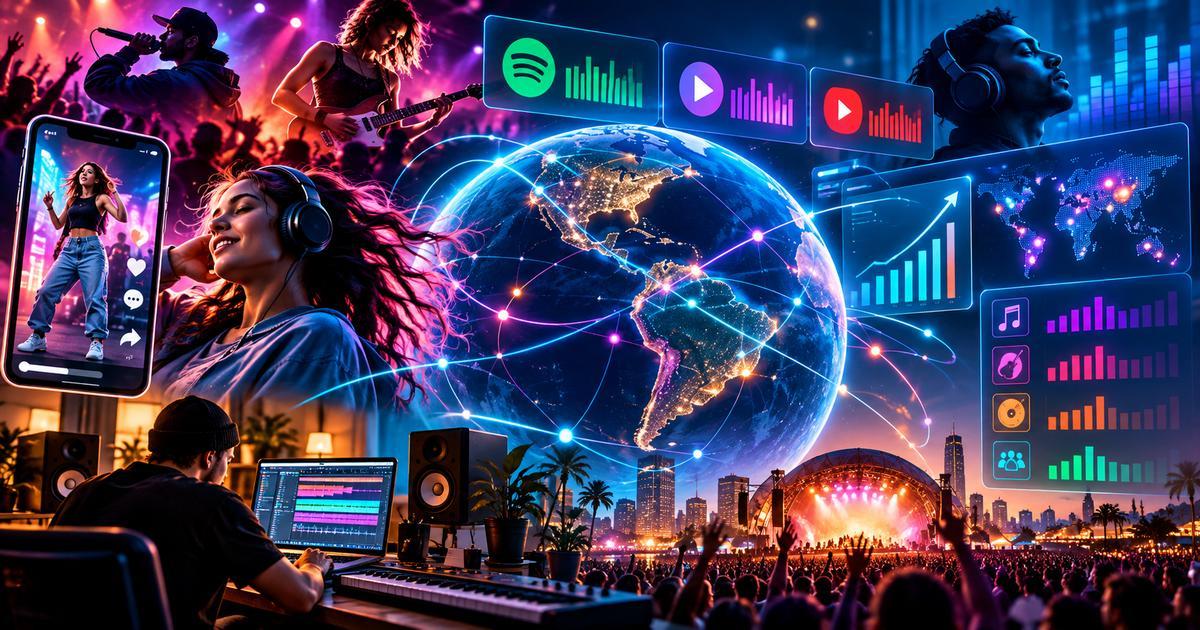
Music has always been a powerful part of human culture, bringing people together through emotions, creativity, and shared experiences. However, in 2026, the global music industry is changing faster than ever. From international music festivals and viral streaming hits to artificial intelligence and cross-cultural collaborations, new trends are transforming how people discover, enjoy, and experience music.
Today, listeners are no longer limited to artists from their own countries. A Korean pop song can become popular in Europe, an Indian music collaboration can attract international audiences, and Latin music can dominate playlists across multiple continents. Digital platforms have made music more accessible, allowing artists from different backgrounds to reach millions of listeners.
These developments are also creating new opportunities for record labels, streaming services, event organizers, independent musicians, and entertainment businesses.
Let's explore the biggest global music trends in 2026 and understand how they are reshaping the entertainment industry.
1. International Music Is Reaching Wider Audiences

One of the biggest changes in the music industry is the growing popularity of international music. Listeners are increasingly exploring songs in different languages, discovering new genres, and following artists from different parts of the world.
K-pop, Latin pop, Afrobeats, Indian music, and other regional styles are attracting audiences beyond their traditional markets.
Artists such as BTS and Bad Bunny demonstrate how music can cross geographical and language barriers.
Why International Music Is Becoming Popular
Digital accessibility: Streaming services make international songs easier to discover.
Social media exposure: Viral videos introduce unfamiliar music to new listeners.
Cultural curiosity: Audiences enjoy exploring different languages and musical traditions.
Global collaborations: Artists combine different musical styles to attract wider audiences.
This international growth is helping the entertainment industry become more diverse and culturally connected.
2. Music Streaming Continues to Dominate the Industry
Music streaming has become one of the most important forces behind the growth of the global entertainment industry. Instead of purchasing individual albums or downloading songs, millions of listeners now use digital platforms to access their favourite music whenever they want.
Platforms such as Spotify, Apple Music and YouTube Music have transformed music consumption.
According to IFPI's Global Music Report 2026, global recorded music revenue reached $31.7 billion in 2025, representing 6.4% growth. Paid subscription streaming revenue increased by 8.8%, demonstrating the importance of digital listening.
ČNS IFPI+1
How Streaming Is Changing Music Consumption
Listeners can access millions of songs through subscriptions.
Independent artists can distribute music without depending entirely on traditional record labels.
Personalised playlists help audiences discover emerging musicians.
Streaming analytics help artists understand listener preferences.
Older songs can become popular again through playlists and online trends.
Streaming is also changing how artists earn money. Musicians increasingly combine streaming revenue with concerts, merchandise, brand partnerships, and exclusive fan experiences.
3. Social Media Is Creating Global Music Hits

Social media has become a major promotional tool for the music industry. Platforms such as TikTok, Instagram and YouTube help songs reach audiences within hours.
A short dance challenge, creative video, or memorable music clip can turn an unfamiliar track into an international hit.
The Power of Viral Music Trends
Social media influences music discovery in several ways:
Dance challenges: Users create videos using popular songs, increasing their visibility.
Short music clips: Catchy hooks encourage people to explore complete tracks.
Creator collaborations: Influencers introduce music to their established communities.
Fan-generated content: Covers, remixes, reactions, and edits increase engagement.
Artist promotion: Musicians communicate directly with audiences through posts and live sessions.
The impact is significant because music promotion is no longer controlled exclusively by record labels and traditional media. Fans and independent creators can also influence which songs become popular.
4. International Music Festivals Are Becoming Bigger Entertainment Experiences
Music festivals are becoming more than events where people gather to watch performances. In 2026, they are increasingly recognised as complete entertainment experiences combining music, travel, fashion, food, technology, and cultural activities.
Popular festivals such as Tomorrowland, Coachella and Glastonbury Festival attract international audiences and create opportunities for artists to connect with fans.
What Makes Modern Music Festivals Different?
International artist lineups featuring different musical genres.
Advanced lighting, stage production, and visual effects.
Food courts featuring local and international cuisines.
Fashion, lifestyle, and brand experiences.
VIP areas and premium hospitality packages.
Social media-friendly installations and interactive activities.
Festivals also generate business for hotels, restaurants, transport providers, tourism companies, and local retailers.
According to Live Nation's September 2026 research across 13 countries, 73% of surveyed live music fans travelled to explore new destinations, while 91% said a live event played an important role in their first visit.
news.livenationentertainment.com
This demonstrates how music festivals are becoming an important part of the wider travel and entertainment economy.
5. Artificial Intelligence Is Transforming Music Production

Artificial intelligence is becoming an important part of modern music creation. Musicians, producers, and entertainment companies are exploring AI-powered tools to simplify creative processes and improve production workflows.
AI can help with sound editing, mastering, music recommendations, background arrangements, and promotional content.
Important Uses of AI in the Music Industry
AI application | How it helps |
Music production | Supports sound creation and editing |
Audio mastering | Helps improve recording quality |
Music recommendations | Suggests songs based on listening habits |
Marketing | Assists with promotional visuals and campaigns |
Audience analytics | Identifies listening patterns |
Copyright monitoring | Helps identify potentially unauthorised music usage |
However, AI-generated music also creates important questions about copyright, ownership, transparency, and artist compensation.
In November 2026, Deezer announced plans to introduce a feature allowing listeners to filter fully AI-generated songs from search results. The company reported receiving nearly 90,000 fully AI-generated tracks daily.
Reuters
The future of music will likely involve a balance between technological innovation and protecting human creativity.
6. Independent Artists Are Gaining More Opportunities
The traditional music industry once depended heavily on record labels, professional studios, and large promotional budgets. Today, independent musicians have more ways to publish their work and connect with audiences.
Digital distribution platforms and social media have made it easier for emerging artists to build their own identities.
Why Independent Artists Are Growing
They can release music without waiting for traditional record-label approval.
Social media provides direct access to potential fans.
Digital tools make home recording and production more accessible.
Independent merchandise and memberships create additional income.
International streaming audiences can discover local musicians.
This development is encouraging more diversity in the entertainment industry. Artists from smaller cities and emerging music markets can now compete for attention alongside established international performers.
7. Music Collaborations Are Breaking Cultural Boundaries
Cross-border music collaborations are another important global trend. Artists are increasingly working with musicians from different countries to combine languages, instruments, rhythms, and cultural influences.
For example, collaborations between Indian singers and international pop artists can introduce regional sounds to new audiences. Similarly, Latin and African musical influences continue to inspire international pop and electronic productions.
Benefits of International Collaborations
Larger audiences: Artists can introduce their music to each other's fan communities.
Creative experimentation: Different musical styles produce fresh sounds.
Cultural exchange: Collaborations introduce listeners to new traditions.
Commercial opportunities: International releases can support tours and brand partnerships.
Industry connections: Musicians develop relationships across global markets.
These partnerships are helping make the music industry more connected and culturally diverse.
8. Electronic Music and Dance Genres Continue to Evolve
Electronic music remains an important part of global entertainment. House, techno, Afro House, drum and bass, and other dance genres continue to influence clubs, festivals, and digital playlists.
Electronic music also benefits from its ability to bring together listeners from different countries without relying heavily on language.
The International Music Summit's 2025/26 business report highlights the continued international reach of electronic music, with Afro House emerging as a particularly dynamic area of growth.
IMS Electronic Music Business Report 2025/26+1
What Is Driving Electronic Music's Popularity?
Large-scale international DJ performances.
Social media clips featuring festival drops and performances.
Collaborations between DJs, singers, and producers.
Growing interest in underground electronic music scenes.
Immersive sound and visual experiences.
These developments are encouraging event organisers to experiment with new festival formats and musical experiences.
9. Physical Music Formats Are Making a Comeback
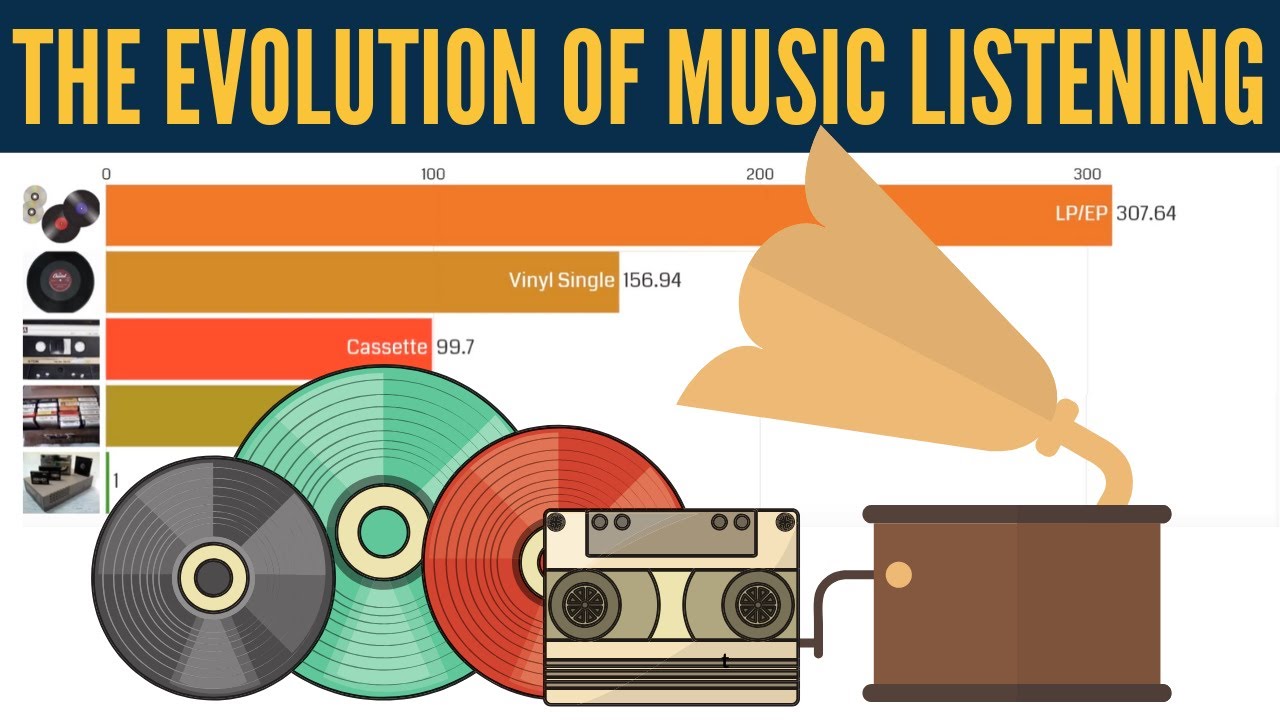
Although streaming dominates everyday listening, physical music formats are attracting renewed attention.
Vinyl records, CDs, special-edition albums, and artist merchandise appeal to collectors and dedicated fans who want something more personal than a digital playlist.
Physical releases also provide musicians with another way to build stronger relationships with their audiences.
Why Fans Still Buy Physical Music
Collectible album artwork and packaging.
Limited-edition releases.
Signed copies and exclusive merchandise.
Emotional connections with favourite artists.
Support for musicians beyond streaming.
The IFPI Global Music Report 2026 recorded an 8% increase in physical music revenue in 2025, showing that physical formats continue to have a place in the industry.
IFPI
10. Music Is Becoming a Powerful Part of Digital Entertainment
Music is no longer limited to albums, radio, and live performances. It has become an essential part of gaming, movies, television, online videos, and virtual entertainment.
Video games use licensed soundtracks, interactive music events, and live virtual performances to keep players engaged. Similarly, films and streaming series can introduce older songs to entirely new audiences.
How Music Connects With Other Entertainment Industries
Entertainment sector | Role of music |
Movies | Creates emotional connections through soundtracks |
Video games | Improves gameplay and immersive experiences |
Social media | Supports viral videos and creator content |
Television | Promotes artists through performances and soundtracks |
Virtual events | Connects fans through digital performances |
Advertising | Helps brands create memorable campaigns |
This connection is creating new commercial opportunities for musicians, production companies, streaming platforms, and entertainment businesses.
11. The Biggest Challenges Facing the Global Music Industry
Despite its growth, the global music industry faces several challenges. New technologies and changing audience expectations have created opportunities, but they have also introduced complex problems.
Some of the major challenges include:
1. Music Copyright Issues
Unauthorised music usage, digital piracy, and AI-generated content create concerns about ownership and fair compensation.
2. Streaming Revenue Distribution
Independent artists sometimes struggle to earn meaningful income from streaming, particularly when their listener numbers are relatively small.
3. Increasing Competition
Millions of songs are released across digital platforms, making it difficult for emerging musicians to attract attention.
4. Rising Festival Costs
Venue expenses, travel, production, security, and ticketing costs can make large events financially challenging.
5. Maintaining Authenticity
As AI-generated music becomes more common, audiences and artists are increasingly interested in transparency and human creativity.
Addressing these challenges will be important for building a sustainable and fair entertainment ecosystem.
12. What Does the Future of Global Music Look Like?
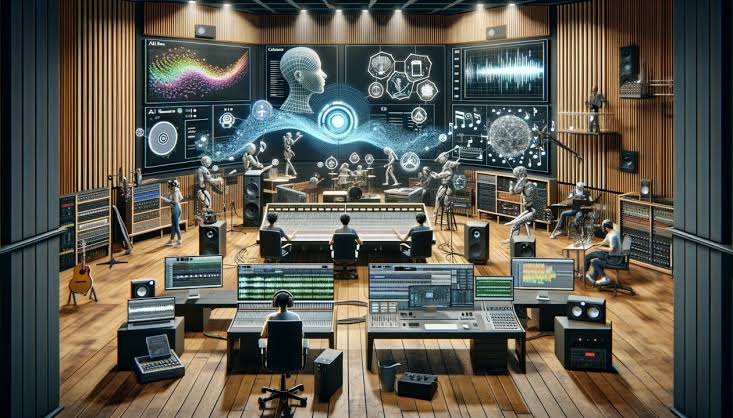
The future of global music will likely be shaped by technology, cultural diversity, and stronger artist-fan relationships.
Streaming platforms will continue improving music discovery, while AI tools may become more integrated into production and marketing. International collaborations will also create opportunities for regional musicians to reach wider audiences.
Some developments to watch include:
More international music collaborations.
Growth in regional-language music consumption.
AI-assisted production and personalised listening.
More immersive concerts and festival experiences.
Direct-to-fan memberships and exclusive releases.
Greater demand for collectible physical music.
Stronger connections between music, travel, gaming, and fashion.
The entertainment industry will increasingly focus on creating experiences rather than simply distributing songs.
13. How Global Music Trends Are Impacting the Entertainment Industry

Global music trends are influencing several business areas simultaneously. The following table highlights some of the biggest changes in 2026.
Industry area | Major change | Business opportunity |
Streaming | Personalised music discovery | Subscription growth |
Live events | International festival audiences | Ticket and hospitality sales |
Social media | Viral music promotion | Digital advertising |
Technology | AI-assisted production | Creative software |
Tourism | Concert-based travel | Hotel and travel bookings |
Fashion | Artist-inspired styles | Merchandise and partnerships |
Gaming | Music-based experiences | Virtual entertainment |
These changes demonstrate that music is not operating as an isolated entertainment category. It is influencing a much larger creative and commercial ecosystem.
FAQ'S
Major trends include international music collaborations, streaming growth, viral music, electronic music, AI-powered production, and large-scale music festivals.
Streaming platforms make music accessible worldwide, help listeners discover new artists, and provide musicians with additional distribution opportunities.
They offer live performances, cultural experiences, travel opportunities, food, fashion, and opportunities to connect with fans from different countries.
AI supports music production, audio editing, recommendations, and marketing. However, it also raises questions about copyright and artist compensation.
The industry is expected to become more digital, internationally connected, and experience-focused, with growing opportunities for independent artists and innovative entertainment businesses.
Sources and notes
Links the author listed for this post.
IFPI – Global Music Report 2026 Luminate – 2026 Midyear Report Live Nation – Global Live Music Travel Research International Music Summit – Electronic Music Report Reuters – AI-Generated Music and Streaming
More on AltFTool
- AltFTool (opens in a new tab)
altftool.com


Discussion
0 comments