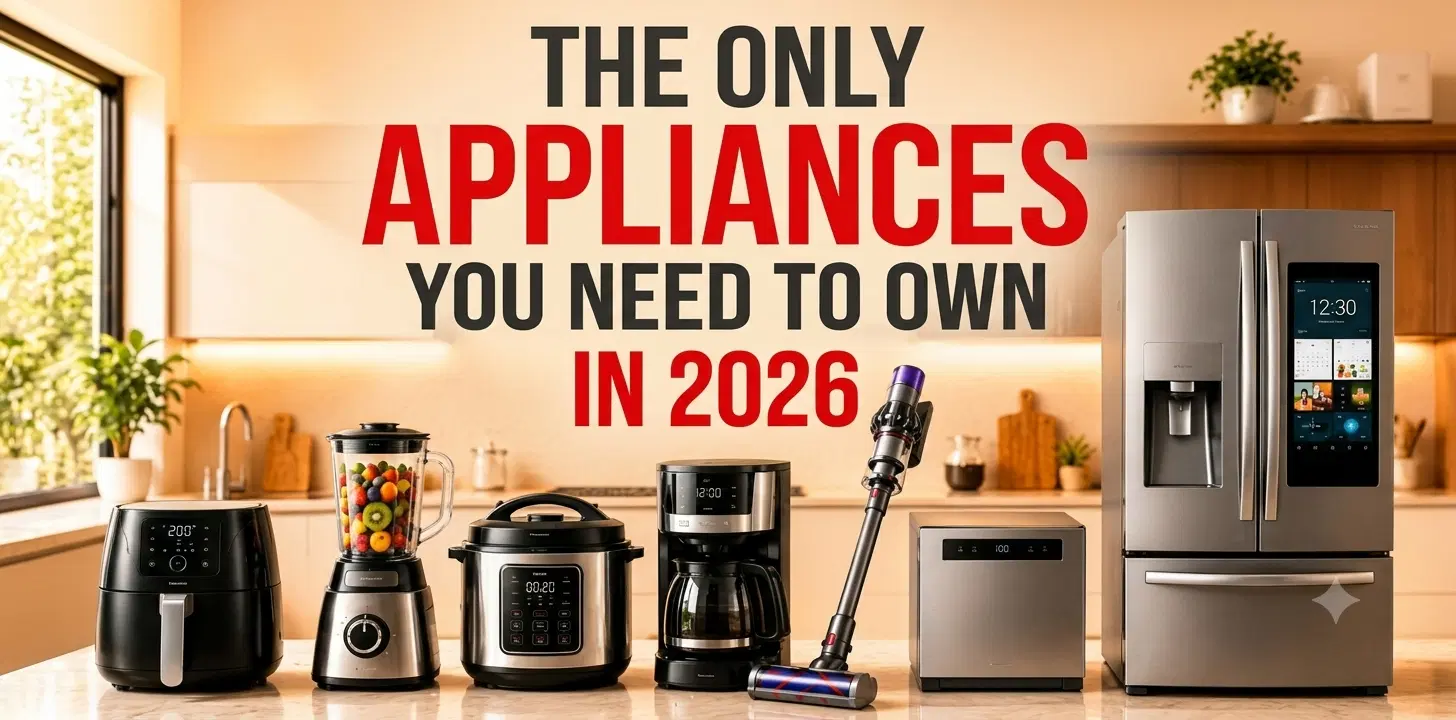
Home appliances have quietly become a huge part of our everyday lives. From refrigerators and washing machines to air conditioners and microwave ovens, they make household work easier and save us a lot of time. But buying a new one is never as simple as it sounds. With so many brands, models, features and price ranges in 2026, picking the right one takes a bit of homework. Most of us have felt that confusion while scrolling through endless options online. And it gets even harder when the old appliance has just stopped working and you need a replacement fast.
Many people replace an appliance when it starts making strange noises, uses more electricity or needs repairs again and again. Others upgrade because their household needs have changed. Whatever the reason, spending money without comparing the important details can lead to regret later. It's a bit like buying shoes without trying them on. They might look great in the shop, but you only find out the truth after a few weeks of use.
Before replacing any appliance, look beyond its appearance and advertised features. Energy efficiency, capacity, maintenance costs, warranty and durability all deserve your attention. A slightly pricier model may give better value in the long run, while an expensive one packed with unneeded features may not be worth it.
Here's what to compare before replacing home appliances in 2026.
1. Compare Energy Efficiency and Electricity Consumption
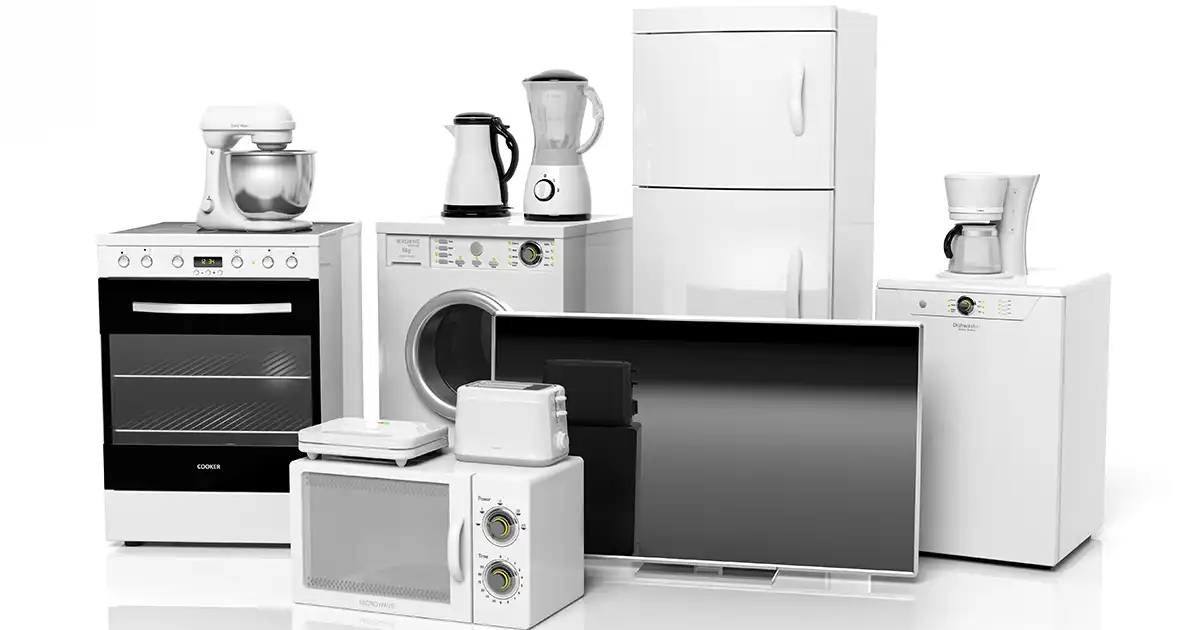
Electricity use should be one of the first things you check. Refrigerators, air conditioners and washing machines run often, so they can add quite a bit to your monthly bill. In 2026, energy-efficient appliances matter more than ever for households trying to manage regular expenses.
Before buying, check the energy rating and the estimated annual consumption. In India, the Bureau of Energy Efficiency (BEE) star label helps you compare the energy performance of eligible appliances. When two refrigerators have similar storage, the one with a better rating may help cut your electricity use over time.
Still, don't rely on the stars alone. Look at the actual consumption printed on the label and think about how often you'll use the appliance. Here's what to compare:
BEE star rating, where applicable
Annual electricity consumption
Power-saving or eco modes
Inverter technology
Expected running costs
2. Check the Appliance Size and Capacity
An appliance may look wonderful in a showroom, but its size and capacity need to suit your household. Too small and it causes daily trouble, too large and you pay more upfront and in running costs. A small family may not need a huge refrigerator, while a bigger family will probably want extra storage.
The same goes for washing machines. If the capacity is too low, you may need several cycles, which uses more water and electricity. Think about the number of family members, the space you have and how you use the appliance. Things worth considering include:
Refrigerator storage in litres
Washing machine capacity in kilograms
Air conditioner capacity according to room size
Microwave oven capacity according to your cooking
Space for installation and ventilation
Measure the area before you buy, and check door clearance, delivery access and where the electrical connections are.
3. Compare the Purchase Price and Overall Budget
Price matters, of course, but the cheapest option doesn't always save money. A low-priced appliance may have fewer features, higher electricity use or a shorter warranty. A premium one may come with functions you'll barely touch. The smarter approach is to compare total value instead of just the sticker price.
Imagine two washing machines. One costs less but uses more electricity and water, while the other costs a little more but runs efficiently and has useful programmes. Over several years, the second one may turn out to be the better deal. When planning your budget, include:
The initial purchase price
Delivery and installation charges
Additional accessories
Electricity and water consumption
Regular maintenance expenses
Possible repair costs
Keeping all of this in mind helps you pick something that fits your budget without causing financial stress.
4. Look at Features That Actually Make Daily Life Easier

Modern appliances come loaded with advanced features, such as smart connectivity, touch controls, automatic programmes, voice assistance and mobile apps. They can be handy, but not every household needs them. A smart refrigerator with an internet-connected display looks impressive, yet someone who simply wants reliable food storage may be happier with better cooling and a practical layout.
A washing machine with many wash programmes helps when different fabrics need different care, but paying extra for programmes you'll never use makes little sense. Here are some useful features to compare:
Refrigerators: Adjustable shelves, inverter compressors, separate storage compartments and temperature controls.
Washing machines: Multiple wash programmes, quick wash, child lock and automatic load sensing.
Air conditioners: Inverter compressors, sleep mode, adjustable cooling and air filters.
Microwave ovens: Convection cooking, defrost settings, preset menus and easy-to-clean interiors.
Choose features based on your daily routine, not on how shiny the advertisement looks.
5. Compare Brand Reputation and Product Reliability
A familiar brand name can make a purchase feel safer, but it shouldn't be your only reason for choosing a product. Brands differ in quality, after-sales service and replacement support, and even within one brand, individual models can perform very differently.
So research the specific model you're considering. Read customer reviews and notice repeated complaints. If several buyers mention weak cooling, unusual noise or delayed repairs, take those warnings seriously. Also find out how long the brand has been supporting spare parts and servicing. A reliable appliance should perform well when new and stay reasonably easy to maintain after years of regular use.
6. Check Warranty and After-Sales Service
Warranty becomes especially important with expensive appliances. A refrigerator, washing machine or air conditioner is expected to last for years, and if a major part fails, repair costs can climb quickly. Before buying, understand what the warranty really covers.
Some manufacturers give different warranty periods for the full product and for selected parts. A refrigerator may have a separate compressor warranty, and a washing machine may have extra coverage for its motor. Don't assume every repair will be free. Check these details:
The standard product warranty
The motor or compressor warranty
Coverage for electronic components
Conditions for free servicing
Availability of authorised service centres
Charges for extended protection
Also check whether technicians are available in your area. Good after-sales support makes a big difference when something goes wrong.
7. Compare Maintenance and Cleaning Requirements
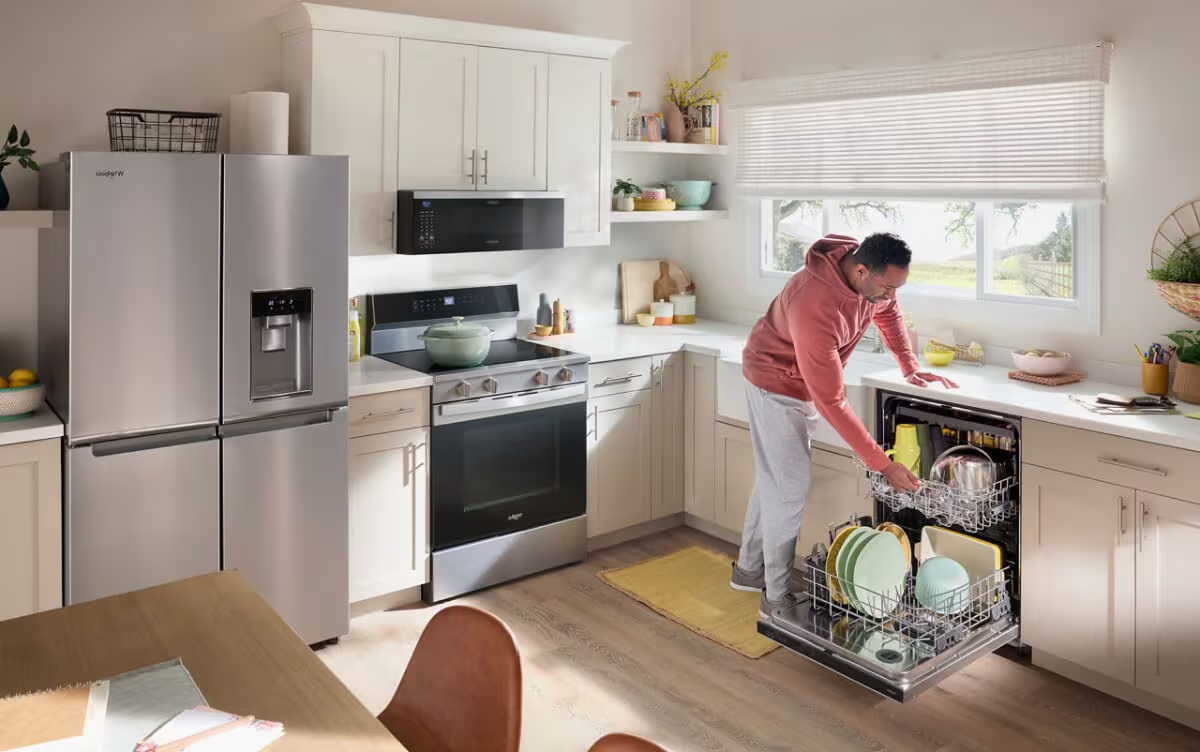
An appliance that looks great in the showroom still needs regular care to work well. Dust, moisture and food particles affect performance, so maintenance should be part of your decision. Air conditioners need regular filter cleaning and servicing, refrigerators need cleaning and enough ventilation, and washing machines may need drum cleaning to avoid smells and residue.
Look for designs that make these jobs easier, such as removable filters, accessible cleaning sections and easy-to-clean surfaces. Ask about the recommended servicing schedule and the approximate cost of common repairs. An appliance that's easy to maintain is far more convenient in the long run.
8. Consider Smart Technology and Connectivity
Smart technology is becoming common, and some refrigerators, air conditioners and washing machines now connect to mobile apps through Wi-Fi. They let you monitor settings, get notifications and control certain functions remotely. A compatible smart air conditioner, for example, can cool your room before you reach home, and some washing machines tell you when a cycle is done.
Still, treat smart features as a bonus, not the main reason to buy. Check whether the app works with your phone, whether the appliance needs a stable internet connection and whether the essential functions still work without it. Software support and data privacy deserve a thought too.
9. Check Installation Requirements and Available Space
Installation is another detail people often overlook. A new refrigerator may not fit comfortably in your kitchen, an air conditioner may need extra electrical work, and a washing machine needs suitable water connections and drainage. These small things can lead to unexpected costs after delivery.
Measure the installation area carefully before ordering, and use the dimensions given by the manufacturer instead of guessing from photos. Confirm whether installation is included in the price. For larger appliances, ask about delivery conditions, installation charges, electrical needs and any extra accessories.
10. Compare Environmental Impact and Product Durability
Buying an appliance also affects household waste and resource use. Replacing products too often adds to electronic waste, while durable, energy-efficient appliances support more responsible consumption. Look for good build quality, replaceable parts and accessible repair services.
Energy-efficient models cut electricity use, and water-saving washing machines help with water consumption. You can also check whether the maker offers exchange, recycling or responsible disposal programmes. And instead of replacing an appliance just because a newer design has arrived, think about whether repairing the current one makes more sense.
11. Compare Customer Reviews Before Finalising Your Choice
Online reviews can tell you things advertisements never mention. Buyers often share their experiences with real performance, installation quality, noise levels and customer service. But don't decide based on a single glowing or terrible review.
Read several reviews from verified buyers and look for common patterns. Give more weight to people who've used the appliance for months instead of those who reviewed it right after delivery. You can also compare the same model across different shopping platforms to see price history, offers and feedback. This extra research can save you from buying something that looks impressive online but disappoints in daily use.
Final Thoughts
Replacing home appliances in 2026 is about finding the right balance between price, performance, convenience and long-term value. A good-looking product with fancy features may catch your eye, but energy use, capacity, durability and maintenance matter far more in everyday life.
Before you buy, take time to compare models and think about what your household really needs. Check the warranty, read reviews and work out the approximate running costs. And don't rush into a replacement if a simple repair can fix the problem, because sometimes keeping your existing appliance is the cheaper choice.
A thoughtful decision can save you money, cut unnecessary electricity use and make daily chores easier. The best appliance isn't always the most expensive or the newest one. It's the one that works reliably and suits the way you live.
Compare price, energy efficiency, capacity, features and warranty.
Check BEE star ratings and annual electricity consumption.
No, choose based on performance and household needs.
It helps protect against eligible repair and replacement costs.
Replace it when repairs become frequent or performance declines.
Sources and notes
Links the author listed for this post.
Information is based on general appliance-buying guidelines, energy-efficiency considerations and consumer product research.


Discussion
0 comments