Sustainability has become an important consideration in the hospitality industry. Travellers are increasingly interested in how hotels manage energy, water, waste, food, and the environment. At the same time, hotel businesses must maintain comfort, service quality, and financial performance.
This creates an important question: Can hotels become more environmentally responsible without compromising the guest experience?
Nordic hospitality offers useful ideas for answering this question. Across the Nordic region, sustainability is often connected with practical design, efficient use of resources, and a strong relationship with the surrounding environment.
Scandic Hotels, one of the well-known hotel groups in the Nordic region, has made sustainability a visible part of its hospitality approach. Its experience highlights how hotels can integrate environmental responsibility into operations, guest services, and long-term business planning.
You can also explore Scandic Hotels to learn more about its hotel offerings and sustainability approach.
What Makes Nordic Hospitality Different?

Nordic hospitality is often associated with simplicity, comfort, functionality, and a connection to nature.
Instead of focusing only on luxury or extravagant facilities, many Nordic-inspired hospitality concepts emphasise creating welcoming spaces that are practical, comfortable, and thoughtfully designed.
Sustainability can naturally fit into this approach.
For example, energy-efficient lighting, durable furniture, responsible food choices, and reduced waste can support environmental goals while improving the overall experience for guests.
Nordic Hospitality Principle | Hotel Application | Guest Benefit | Sustainability Value |
|---|---|---|---|
Functional design | Practical room layouts | Comfortable stays | Efficient space use |
Connection with nature | Natural materials and outdoor spaces | Relaxing atmosphere | Encourages responsible design |
Resource efficiency | Energy-saving systems | Consistent comfort | Lower resource consumption |
Responsible consumption | Reduced food and material waste | Thoughtful service | Less environmental impact |
These principles demonstrate that sustainability does not always require expensive or complicated changes. Sometimes, it begins with making everyday hotel operations more efficient.
1. Energy Efficiency Should Be Part of Hotel Design
Hotels operate throughout the day and night. Heating, cooling, lighting, laundry, kitchens, and guest facilities require significant energy.
In Nordic countries, where seasonal temperatures can vary considerably, efficient energy management is particularly important.
Hotels can learn from this approach by making energy efficiency a priority during both construction and renovation.
Practical Energy-Saving Measures
Hotels can introduce several measures to improve energy performance:
Use energy-efficient lighting throughout guest rooms and common areas.
Install smart temperature controls where suitable.
Maintain heating, ventilation, and air-conditioning systems.
Use energy-efficient appliances in kitchens and laundry facilities.
Monitor energy consumption to identify unnecessary usage.
Energy Measure | Hotel Application | Expected Benefit | Implementation Priority |
|---|---|---|---|
LED lighting | Rooms and corridors | Reduced electricity use | High |
Smart controls | Heating and cooling | Better energy management | High |
Equipment maintenance | HVAC and kitchen systems | Improved efficiency | High |
Energy monitoring | Entire property | Identifies usage patterns | Medium |
Energy-saving systems should be designed to maintain guest comfort. A sustainable hotel should still provide comfortable room temperatures, suitable lighting, and reliable services.
You can also explore free online tools on AltFTool to discover useful utilities for everyday digital tasks and productivity.
2. Water Conservation Can Improve Hotel Operations
Water is essential in hospitality, from guest showers and swimming pools to kitchens, laundry, and cleaning.
Hotels can reduce unnecessary water consumption without making guests feel that their comfort is being restricted.
Smarter Water Management
Water-efficient showerheads, taps, and toilets can help reduce water use. Regular maintenance is equally important because leaking pipes and fixtures can waste substantial amounts of water over time.
Hotels can also review laundry practices and encourage guests to reuse towels when appropriate.
Water-Saving Practice | Where It Applies | Main Advantage | Guest Consideration |
|---|---|---|---|
Low-flow fixtures | Bathrooms | Reduced water use | Maintain comfortable flow |
Leak detection | Pipes and fittings | Prevents water loss | No impact on service |
Towel reuse options | Guest rooms | Less laundry demand | Keep participation optional |
Efficient laundry systems | Laundry facilities | Saves water and energy | Maintain hygiene standards |
Water conservation works best when supported by maintenance, staff training, and clear communication.
3. Food Sustainability Starts With Better Planning

Food is an important part of the hotel experience. Breakfast buffets, restaurants, room service, and events can generate considerable food waste if quantities are not managed carefully.
Nordic hospitality provides a useful reminder that responsible food service can combine quality, seasonal ingredients, and efficient planning.
Reduce Food Waste Without Reducing Choice
Hotels can analyse guest consumption patterns to understand which dishes are popular and which items are frequently left unused.
Smaller buffet batches, flexible food preparation, and better inventory management can help reduce waste.
Hotels may also work with local suppliers when practical, supporting regional food businesses and reducing certain transportation requirements.
Food Sustainability Practice | Hotel Example | Business Benefit | Environmental Benefit |
|---|---|---|---|
Seasonal menus | Use seasonal ingredients | Menu variety | Supports seasonal sourcing |
Portion planning | Prepare suitable quantities | Better cost control | Less food waste |
Smaller buffet batches | Refill as needed | Fresher presentation | Reduces leftovers |
Inventory tracking | Monitor food supplies | Fewer expired products | Less waste |
Local sourcing does not automatically guarantee a lower environmental impact. Hotels should consider transportation, production methods, seasonality, and supplier practices when making purchasing decisions.
4. Sustainable Materials and Thoughtful Interior Design
Hotel design influences both guest comfort and environmental impact.
Nordic-inspired interiors often use simple layouts, natural-looking materials, comfortable furniture, and practical lighting.
Hotels can apply these ideas by choosing durable products that remain useful for longer periods.
Design for Longevity
Replacing furniture, flooring, textiles, and decorative items frequently can create unnecessary costs and waste.
Instead, hotels can prioritise materials that are durable, repairable, and easy to maintain.
Design Choice | Hotel Application | Practical Advantage | Sustainability Consideration |
|---|---|---|---|
Durable furniture | Guest rooms and lounges | Longer product life | Less frequent replacement |
Repairable fittings | Bathrooms and rooms | Easier maintenance | Reduced material waste |
Efficient lighting design | Rooms and public areas | Better atmosphere | Lower energy demand |
Reusable décor | Seasonal decoration | Flexible styling | Less disposable material |
Sustainable design should not feel cold or uncomfortable. A welcoming atmosphere, good lighting, and practical furniture remain essential to hospitality.
5. Make Sustainability Part of the Guest Experience

A hotel can introduce many environmental initiatives, but guests should understand them without feeling pressured.
Sustainability becomes more meaningful when it is integrated into normal hotel services.
For example, guests may be offered optional towel reuse, refillable water stations where appropriate, or information about responsible food choices.
The key is to communicate clearly and make participation convenient.
Small Changes Can Create Better Habits
Hotels can encourage responsible behaviour through simple actions:
Provide clear information about recycling.
Offer water refill facilities where safe and practical.
Explain optional linen and towel reuse.
Highlight seasonal or responsibly sourced menu items.
Share sustainability progress using accurate information.
These measures can help guests participate while maintaining a comfortable and enjoyable stay.
6. Staff Training Makes Sustainability Work
Sustainability is not only about equipment or hotel architecture. Employees play an important role in maintaining responsible practices.
Housekeeping teams, kitchen staff, maintenance workers, reception teams, and managers all influence how resources are used.
For example, housekeeping staff may identify leaking fixtures, kitchen employees may reduce food waste, and maintenance teams may detect inefficient equipment.
Hotel Team | Sustainability Responsibility | Example Action | Operational Impact |
|---|---|---|---|
Housekeeping | Responsible room cleaning | Follow efficient linen practices | Reduced laundry demand |
Kitchen | Food waste management | Track leftovers | Better inventory control |
Maintenance | Equipment efficiency | Repair leaks and faults | Improved resource use |
Reception | Guest communication | Explain hotel initiatives | Better guest awareness |
Training should be practical and ongoing. Employees need to understand why sustainability measures matter and how to apply them during daily work.
7. Measure Sustainability Instead of Making Broad Claims
One of the most important lessons for the global hotel industry is the value of measurement.
Hotels should track their environmental performance rather than relying only on statements about being green or eco-friendly.
Useful indicators include energy consumption per occupied room, water use per guest night, food waste quantities, and waste diversion rates.
Sustainability Metric | What It Measures | Why It Matters | Reporting Frequency |
|---|---|---|---|
Energy per occupied room | Energy efficiency | Identifies energy trends | Monthly |
Water per guest night | Water efficiency | Tracks conservation progress | Monthly |
Food waste volume | Kitchen waste | Supports better planning | Weekly or monthly |
Waste recycling rate | Waste management | Measures material recovery | Monthly |
The exact metrics depend on hotel size, facilities, location, and reporting standards.
Hotels should also be transparent about their methods and avoid making environmental claims that cannot be supported by evidence.
What Global Hotels Can Learn From Scandic Hotels
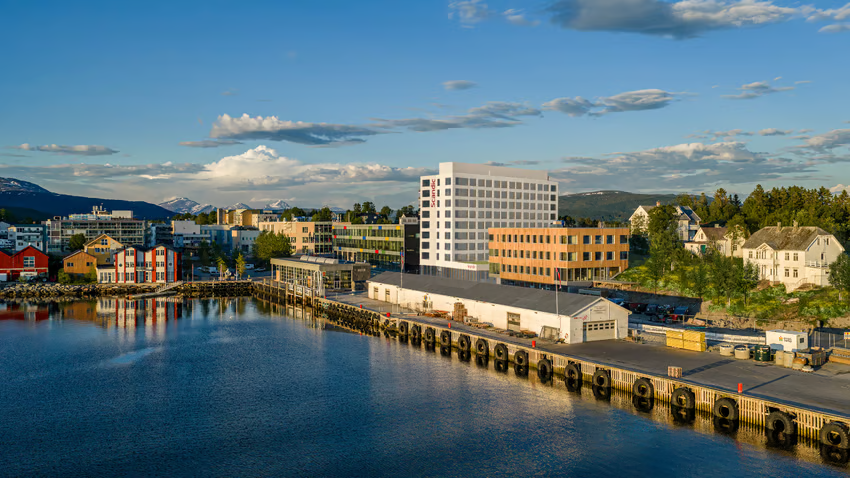
Scandic Hotels demonstrates how sustainability can be connected with hospitality operations and brand identity.
The broader lesson is that environmental responsibility should not be treated as a separate activity performed only during campaigns or special events.
Instead, it can become part of how hotels manage rooms, food, energy, water, purchasing, and guest communication.
For hospitality businesses worldwide, the most useful approach is to begin with measurable improvements and gradually expand successful practices.
You can also explore Scandic Hotels to learn more about its hotel offerings and sustainability approach.
FAQs
Nordic hospitality is commonly associated with practical design, comfort, simplicity, and a connection with nature. Sustainability is often an important consideration in Nordic-inspired hospitality.
Hotels can improve energy efficiency, conserve water, reduce food waste, use durable materials, and monitor resource consumption.
Scandic Hotels is a Nordic hotel group known for its hospitality services and sustainability initiatives.
Yes. Sustainability can support comfortable stays through efficient systems, thoughtful design, quality materials, and responsible services.
Sources and notes
Links the author listed for this post.
This article is based on information from Scandic Hotels Group's official sustainability resources and its 2025 Annual and Sustainability Report.
More on AltFTool
- AltFTool (opens in a new tab)
altftool.com


Discussion
0 comments