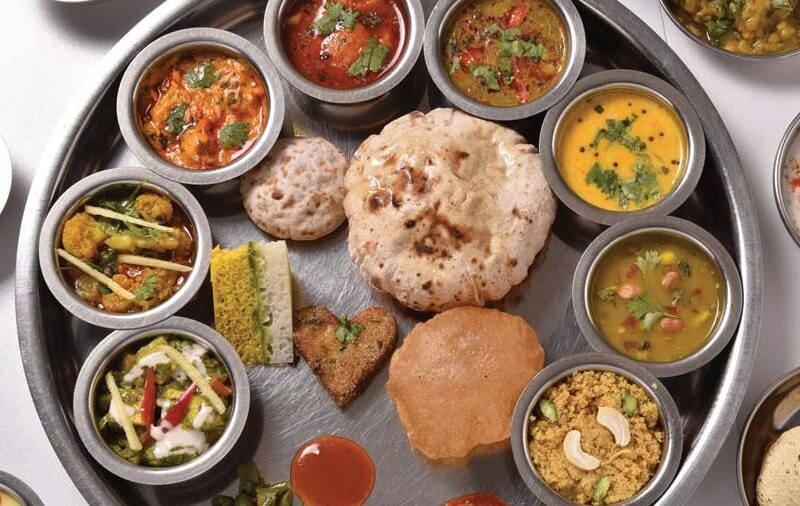
North Indian cuisine is more than just food; it is a beautiful part of India's culture, traditions, and everyday life. From the aroma of freshly prepared parathas in the morning to a comforting bowl of dal makhani at dinner, the food of North India has something special for everyone.
Known for its rich gravies, aromatic spices, tandoori dishes, delicious breads, and tempting desserts, North Indian food has earned a special place in Indian households and restaurants around the world.
One of the best things about this cuisine is its variety. Every region has its own cooking style, favourite ingredients, and traditional recipes. Some dishes are rich and creamy, while others are simple, homemade, and full of comforting flavours.
Whether it is a plate of chole bhature, a bowl of rajma chawal, or hot butter naan served with paneer curry, North Indian cuisine brings people together over good food.
1. What Makes North Indian Cuisine Special?
North Indian cuisine is popular for its combination of flavour, texture, and aroma. Its cooking style is influenced by regional traditions, climate, local ingredients, and centuries of culinary exchange.
Unlike a single fixed food tradition, North Indian cuisine includes several regional styles, including Punjabi, Kashmiri, Rajasthani, Uttar Pradesh, and Mughlai cooking.
Here are some features that make it stand out:
Rich and aromatic gravies: Many popular dishes use tomato, onion, yoghurt, cream, and traditional spices to create flavourful sauces.
Variety of breads: Roti, naan, kulcha, paratha, and puri are common parts of everyday meals.
Use of dairy products: Ghee, butter, paneer, milk, and yoghurt play an important role in many recipes.
Traditional cooking methods: Tandoor cooking, slow simmering, roasting, and tempering add depth to different dishes.
Balanced flavours: Sweet, spicy, tangy, smoky, and savoury flavours come together in interesting ways.
2. Popular Dishes That Define North Indian Food
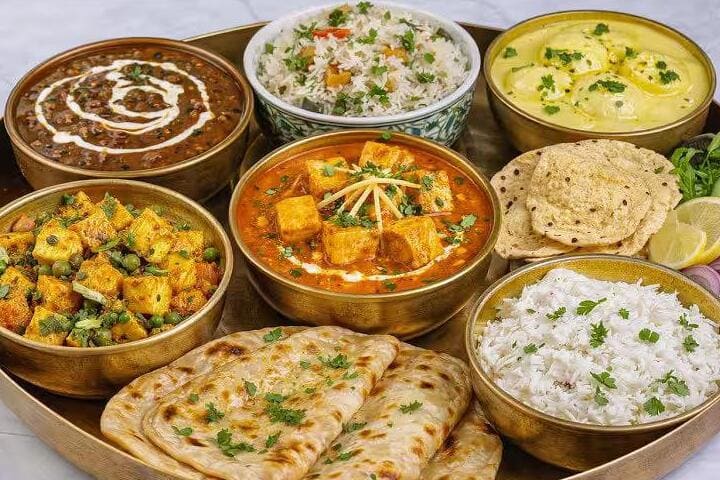
North Indian cuisine offers plenty of dishes that are loved across the country. Some are popular restaurant favourites, while others are everyday comfort foods prepared in family kitchens.
A. Punjabi Food
Punjabi cuisine is one of the most recognised parts of North Indian food culture. It is known for hearty meals, generous flavours, tandoori cooking, and delicious combinations of breads and curries.
Popular Punjabi dishes include:
Sarson ka saag with makki di roti
Chole bhature
Amritsari kulcha
Dal makhani
Butter chicken
Punjabi chole
Paneer tikka
These dishes are often enjoyed with homemade butter, pickles, onions, and refreshing lassi.
B. Mughlai Cuisine
Mughlai cuisine is known for its aromatic spices, rich gravies, slow-cooked meat dishes, and elaborate preparation techniques. It reflects the influence of Mughal-era royal kitchens.
Some popular Mughlai dishes are:
Chicken korma
Mutton biryani
Shahi paneer
Seekh kebab
Chicken tikka
Mughlai paratha
Rogan josh
The use of saffron, cardamom, cloves, nuts, and yoghurt gives many Mughlai dishes their distinctive taste.
C. Rajasthani Cuisine
Rajasthani food reflects the state's desert environment and traditional lifestyle. Many recipes use ingredients that can be stored for longer periods and require less fresh water.
Popular dishes include:
Dal baati churma
Gatte ki sabzi
Ker sangri
Bajra roti
Laal maas
Pyaaz kachori
Ghevar
Rajasthani cuisine is a wonderful example of how local conditions influence traditional cooking.
D. Kashmiri Cuisine
Kashmiri cuisine is famous for its fragrant spices, traditional cooking techniques, and distinctive dishes. It includes both vegetarian and non-vegetarian preparations.
Some well-known dishes are:
Rogan josh
Dum aloo
Yakhni
Nadru yakhni
Haak saag
Gushtaba
Kashmiri pulao
Kashmiri food often uses ingredients such as fennel, dry ginger, saffron, and Kashmiri red chilli to create its characteristic flavours.
3. Everyday North Indian Meals
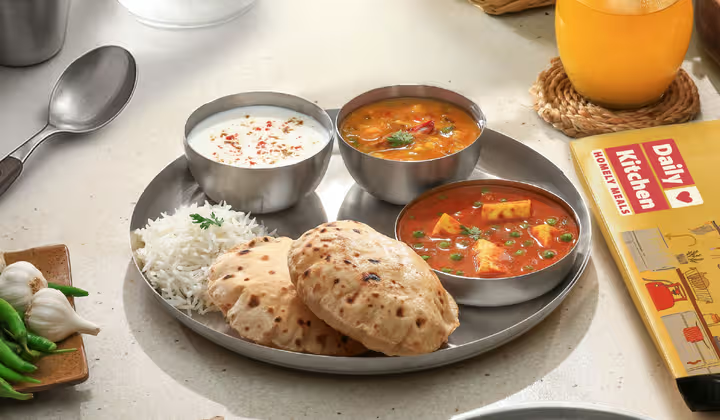
Not every North Indian meal needs to be rich or restaurant-style. In fact, some of the most loved dishes are simple meals prepared at home.
A typical North Indian household meal often includes roti or rice, dal, seasonal vegetables, yoghurt, and a little pickle. These combinations are filling, familiar, and easy to prepare.
Here are some everyday favourites:
Dish | Main Ingredients | Common Pairing |
Rajma Chawal | Kidney beans, tomato, spices | Steamed rice |
Dal Tadka | Lentils, garlic, cumin | Roti or rice |
Aloo Paratha | Potato, wheat flour, spices | Curd and pickle |
Kadhi Pakora | Yoghurt, gram flour | Rice |
Jeera Aloo | Potato, cumin, spices | Chapati |
Chana Masala | Chickpeas, onion, tomato | Puri or rice |
These meals show that North Indian cooking is not always about complicated recipes. Simple ingredients can create some of the most satisfying food.
4. The Importance of Indian Breads
Bread is an important part of North Indian food culture. From breakfast to dinner, different types of Indian breads are served with vegetables, lentils, curries, and chutneys.
Some popular varieties include:
Roti: A simple whole-wheat flatbread commonly prepared at home.
Butter Naan: A soft, leavened bread traditionally cooked in a tandoor.
Lachha Paratha: A layered flatbread with a crisp and flaky texture.
Aloo Paratha: A stuffed flatbread filled with seasoned potatoes.
Missi Roti: A traditional bread made using gram flour and wheat flour.
Amritsari Kulcha: A stuffed bread usually served with spicy chickpea curry.
Puri: A deep-fried bread that is often enjoyed with potato curry.
Each bread has its own taste and texture, making it easy to create different meal combinations.
5. Spices and Ingredients Used in North Indian Cooking
Spices are the heart of North Indian cuisine. They bring colour, aroma, and flavour to everyday recipes. However, the secret is not simply adding more spices. It is about using the right combination in the right quantity.
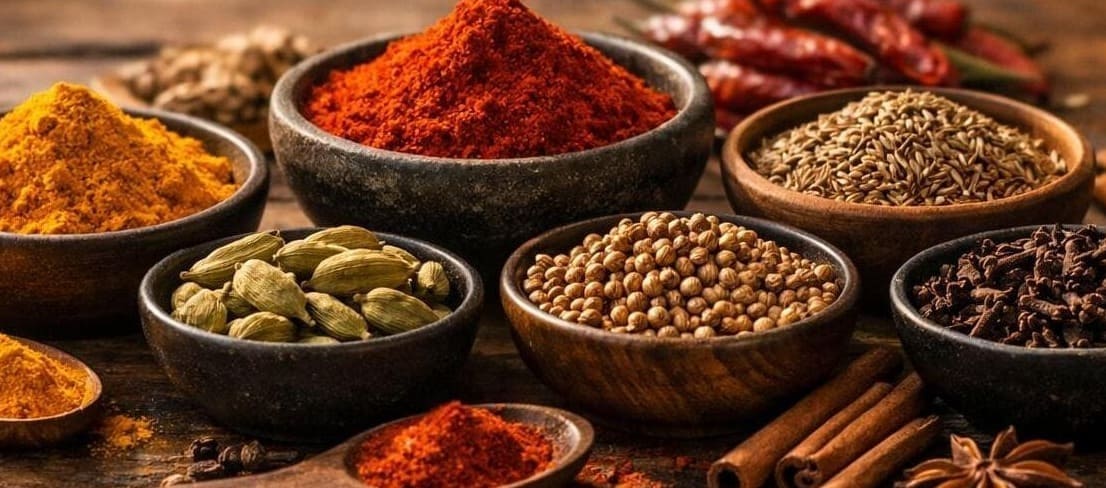
Some commonly used ingredients include:
Ingredient | How It Is Used |
Cumin | Adds an earthy flavour to dals and curries |
Coriander Powder | Gives dishes a warm, mild flavour |
Turmeric | Adds colour and earthy notes |
Garam Masala | Brings warmth and aroma |
Red Chilli Powder | Adds heat and colour |
Cardamom | Used in curries, rice, and desserts |
Ginger and Garlic | Create a flavourful base for many recipes |
Kasuri Methi | Adds a distinctive aroma to gravies |
Apart from spices, ingredients such as tomatoes, onions, yoghurt, ghee, butter, paneer, and fresh coriander are frequently used.
6. North Indian Street Food Everyone Loves
One cannot talk about North Indian cuisine without mentioning street food. Busy markets, small food stalls, and local shops serve delicious snacks that attract people throughout the day.
The best part about street food is its variety. You can enjoy something spicy, crunchy, tangy, or sweet without sitting down for a full meal.
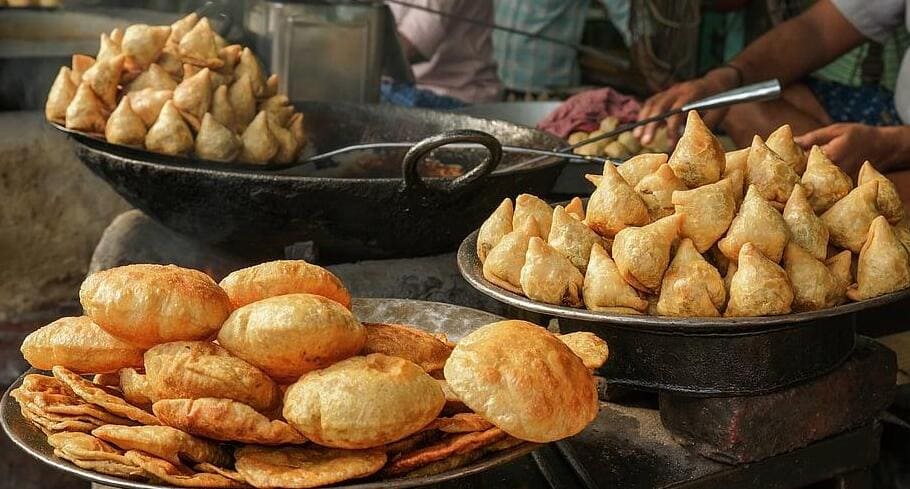
Some popular street food options are:
Golgappa: Crispy puris filled with flavoured water, potatoes, and chickpeas.
Aloo Tikki: Shallow-fried potato patties served with chutneys and yoghurt.
Samosa: A crispy pastry filled with spiced potatoes and peas.
Dahi Bhalla: Soft lentil dumplings topped with yoghurt and chutneys.
Papdi Chaat: A crunchy snack prepared with papdi, potatoes, yoghurt, and chutneys.
Kachori: A deep-fried snack filled with spiced lentils or other savoury fillings.
Street food is also a reflection of local identity. The taste of chaat in Delhi may be different from the version found in Lucknow or Jaipur.
7. Traditional North Indian Sweets and Desserts
North Indian cuisine has a special connection with sweets. Festivals, weddings, family celebrations, and religious occasions often include traditional desserts.
Many of these sweets are made using milk, khoya, sugar, flour, nuts, and aromatic ingredients such as cardamom and saffron.
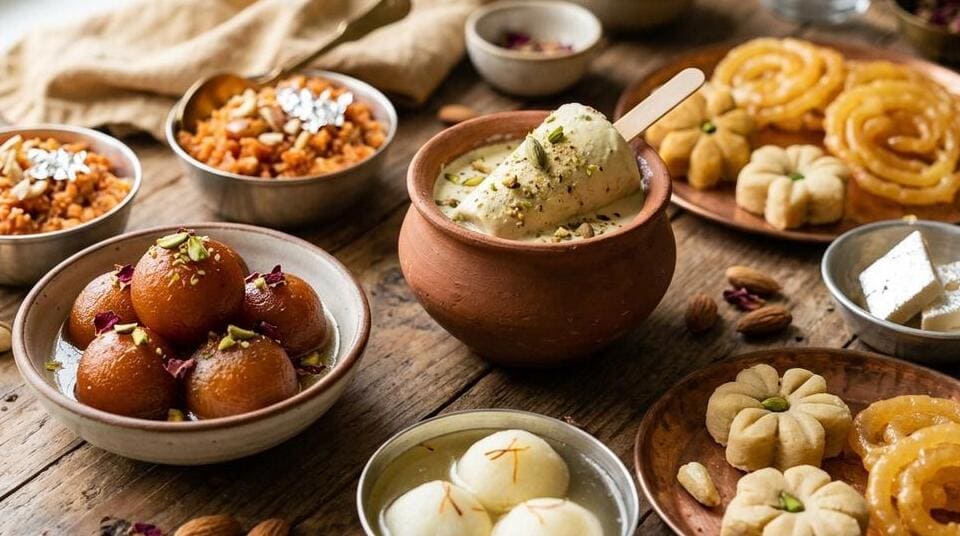
Here are some favourites:
Sweet Dish | What Makes It Special |
Gulab Jamun | Soft milk-solid balls soaked in sugar syrup |
Jalebi | Crispy, spiral-shaped sweet soaked in syrup |
Gajar Ka Halwa | Carrot dessert cooked with milk and ghee |
Rasmalai | Soft cheese patties served in sweetened milk |
Kheer | Creamy rice pudding flavoured with cardamom |
Ghevar | Traditional Rajasthani sweet with a honeycomb texture |
Peda | Milk-based sweet with a rich, soft texture |
These desserts are more than just a way to finish a meal. They are connected to family memories and celebrations.
8. North Indian Food and Its Regional Diversity
North India is a large and culturally diverse region. Its food traditions change from one state to another, depending on local ingredients, climate, history, and lifestyle.
Here is a quick look at some regional specialities:
Region | Famous Dishes | Food Identity |
Punjab | Makki di roti, sarson ka saag | Hearty and rich meals |
Rajasthan | Dal baati churma, gatte ki sabzi | Traditional desert cuisine |
Uttar Pradesh | Galouti kebab, bedmi puri | Awadhi and local flavours |
Kashmir | Rogan josh, dum aloo | Aromatic regional cooking |
Himachal Pradesh | Dham, siddu | Mountain food traditions |
Haryana | Bajra roti, kadhi | Simple and wholesome meals |
Delhi | Chole bhature, chaat | Diverse street food culture |
This regional variety makes North Indian cuisine interesting. Even when two states prepare similar dishes, their ingredients and cooking methods can create very different flavours.
9. Traditional Cooking Methods That Give North Indian Food Its Taste
The taste of North Indian food comes not only from ingredients but also from the way dishes are prepared.
Some traditional cooking methods have been passed down through generations and are still widely used.
Popular cooking techniques include:
Tandoor Cooking: A traditional clay oven is used to cook naan, roti, kebabs, and tandoori dishes.
Slow Cooking: Curries and meat dishes are cooked slowly to develop deeper flavours.
Tempering (Tadka): Spices are heated in oil or ghee and added to dals and other preparations.
Roasting: Ingredients such as spices, vegetables, and meats are roasted to enhance their flavour.
Dum Cooking: Food is cooked in a sealed pot over low heat, allowing flavours to develop gradually.
These techniques help create the familiar aroma and taste associated with traditional North Indian food.
10. North Indian Cuisine During Festivals and Celebrations
Food plays an important role in North Indian festivals and family celebrations. Special dishes are prepared during occasions such as Diwali, Holi, Lohri, Karva Chauth, and weddings.
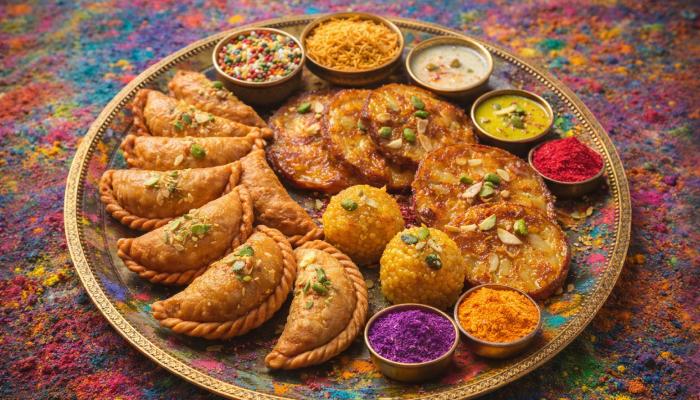
Different celebrations have their own food traditions.
Diwali: Kaju katli, ladoo, gujiya, and other sweets are commonly prepared or shared.
Holi: Gujiya, dahi bhalla, malpua, and refreshing drinks are popular.
Lohri: Makki di roti, sarson ka saag, jaggery, peanuts, and popcorn are associated with celebrations.
Weddings: Elaborate food spreads may include paneer dishes, kebabs, pulao, naan, curries, and desserts.
Karva Chauth: Traditional festive foods and special meals are part of family celebrations.
These food traditions bring families together and help keep regional recipes alive.
11. Why North Indian Cuisine Is Loved Around the World
North Indian food has become popular in many countries because of its variety and distinctive flavours. Indian restaurants across the world serve dishes such as butter chicken, naan, chicken tikka, dal makhani, and paneer butter masala.
There are several reasons behind its popularity:
A wide variety of dishes: There are options for vegetarian and non-vegetarian food lovers.
Distinctive flavours: Traditional spices and cooking techniques create memorable tastes.
Comforting meals: Simple combinations such as dal, rice, and roti are satisfying and familiar.
Flexible recipes: Many dishes can be adjusted according to individual spice preferences.
Cultural connection: Traditional recipes carry stories of family, festivals, and regional heritage.
Another reason is that North Indian food is easy to enjoy in different settings. It can be served as a simple homemade meal, a restaurant dinner, or part of a large festive gathering.
12. How to Enjoy North Indian Cuisine at Home
You do not need to visit a restaurant to enjoy authentic North Indian flavours. Many popular dishes can be prepared in an ordinary home kitchen using easily available ingredients.
If you are new to North Indian cooking, start with simple recipes before trying more elaborate dishes.
A few easy ideas for beginners:
Prepare dal tadka with steamed rice for a comforting lunch.
Try making aloo paratha with fresh curd for breakfast.
Cook paneer bhurji and serve it with chapati.
Make homemade chole with puri for a weekend meal.
Prepare jeera rice and pair it with rajma curry.
Try a simple kheer when you want something sweet.
A simple North Indian weekly meal idea
Day | Meal Idea | Food Type |
Monday | Dal Tadka and Roti | Everyday Meal |
Tuesday | Aloo Paratha and Curd | Breakfast |
Wednesday | Rajma Chawal | Lunch |
Thursday | Paneer Bhurji and Chapati | Dinner |
Friday | Chole and Rice | Lunch |
Saturday | Kadhi Pakora and Rice | Traditional Meal |
Sunday | Chole Bhature | Special Meal |
The best approach is to experiment with different ingredients and cooking styles while keeping traditional flavours in mind.
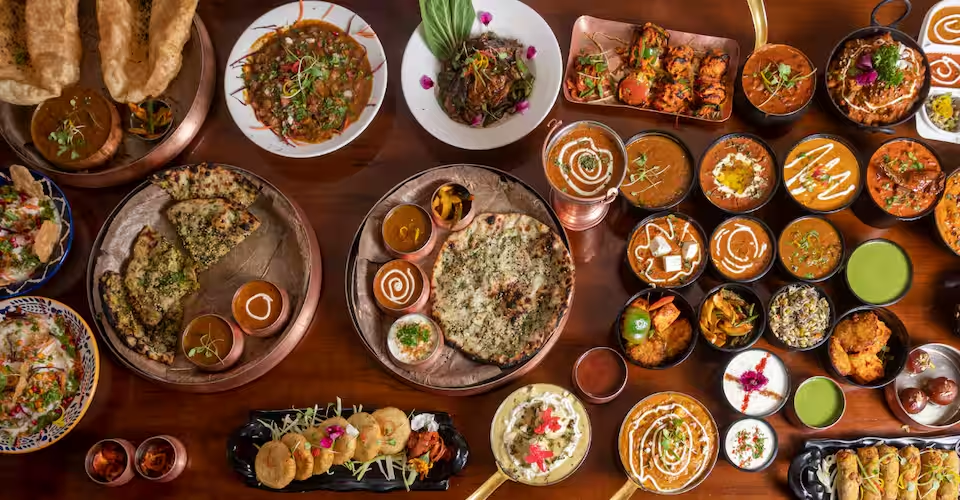
North Indian cuisine is a wonderful combination of regional diversity, traditional recipes, and comforting flavours. From the rich curries of Punjab and aromatic dishes of Kashmir to the traditional recipes of Rajasthan and Uttar Pradesh, every region brings something different to the table.
What makes this cuisine truly special is its connection with everyday life. A homemade plate of rajma chawal, freshly prepared parathas, or a bowl of warm kheer can bring the same happiness as an elaborate restaurant meal.
Whether you enjoy spicy street food, traditional vegetarian dishes, rich Mughlai recipes, or homemade sweets, North Indian cuisine offers endless possibilities to explore.
Its flavours, cooking traditions, and cultural importance continue to make it one of the most loved food traditions in India.
Frequently Asked Questions
North Indian cuisine is famous for butter chicken, paneer dishes, naan, parathas, dal makhani, biryani, and traditional sweets.
Some popular dishes include chole bhature, rajma chawal, dal makhani, sarson ka saag, and aloo paratha.
Cumin, coriander, turmeric, garam masala, cardamom, cloves, and red chilli are commonly used.
No. It includes a wide variety of vegetarian and non-vegetarian dishes, depending on regional food traditions.
Gulab jamun, jalebi, kheer, gajar ka halwa, rasmalai, and ghevar are popular traditional desserts.
Sources and notes
Links the author listed for this post.
Based on traditional North Indian cooking practices, regional food traditions, popular dishes, and culinary heritage.
- 1scribd.com (opens in a new tab)
scribd.com
Discussion
0 comments
No comments yet
Discussion will appear here once it loads.