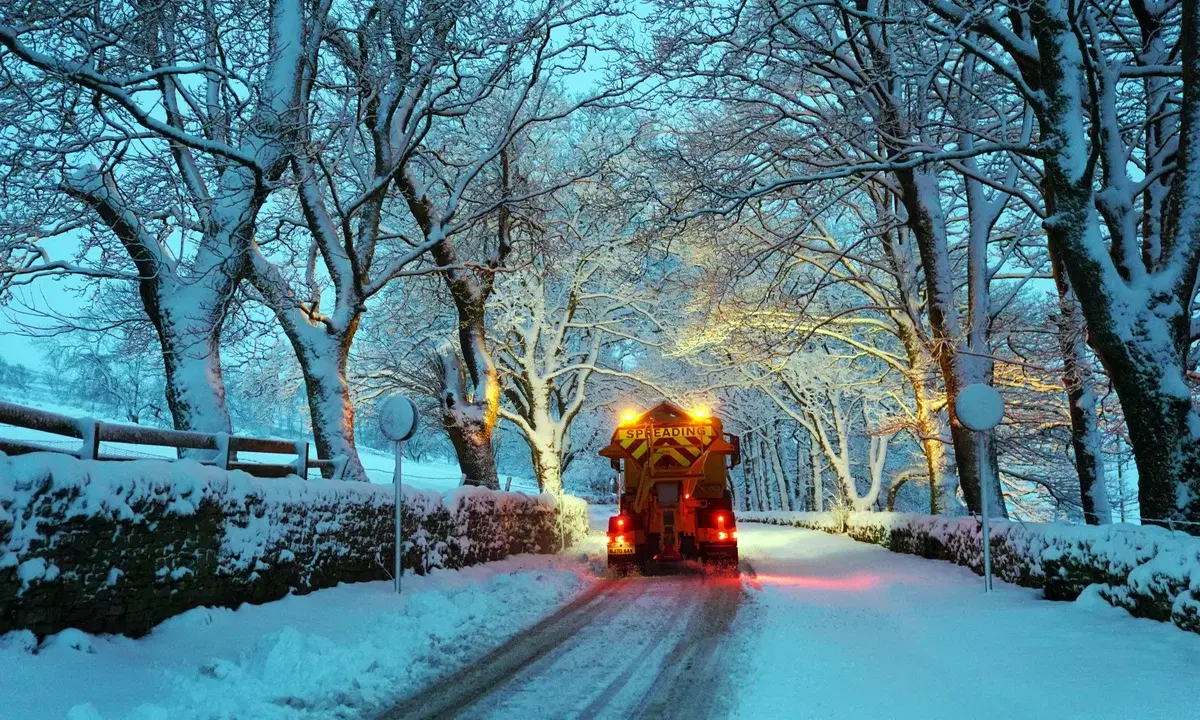
Snow in the UK brings a special kind of winter atmosphere. From snow-covered mountains in Scotland to frosty countryside landscapes in England and Wales, snowfall can transform familiar destinations into beautiful winter scenes. However, snow is not equally common across the country. While some highland areas experience regular snowfall, many southern cities may go through an entire winter with little or no settled snow.
Whether you are planning a winter holiday, hoping to experience a white Christmas, or simply curious about British weather, understanding the UK's snowfall patterns can help you plan better.
When Does It Snow in the UK?
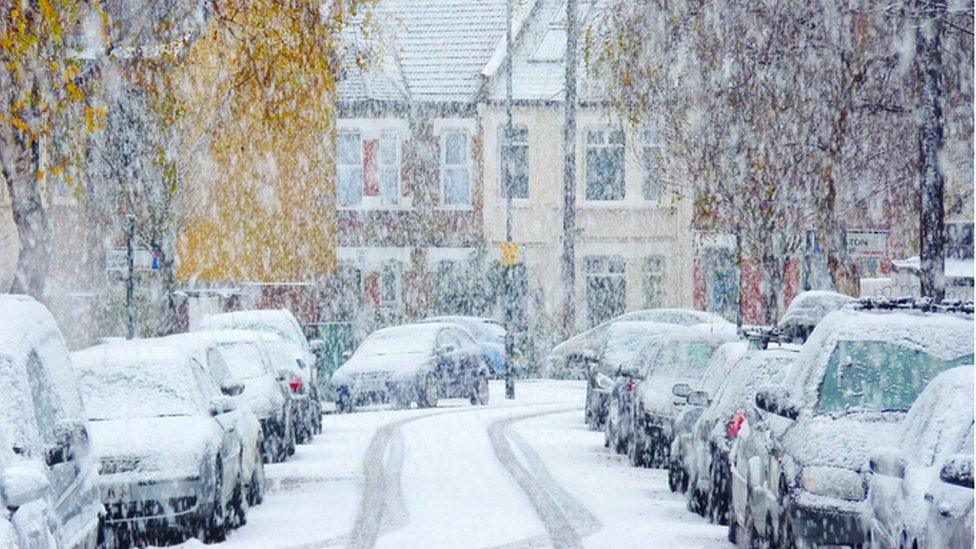
The main snowfall season in the UK generally runs from November to March, although snow can occasionally occur outside these months, particularly at higher elevations. December, January and February are the core winter months, with January and February often offering better opportunities to see snow lying on the ground.
The weather varies considerably from year to year. Some winters bring several cold spells and widespread snowfall, while others remain relatively mild, wet and windy.
According to the Met Office, the UK averages approximately 13 days of lying snow each year based on the 1991–2020 climate period. Scotland experiences more settled snow than other parts of the country, particularly in mountainous locations.
UK Snowfall by Month
Month | Typical Conditions | Snowfall Chances | What to Expect |
|---|---|---|---|
November | Becoming colder | Low to moderate | Occasional snow on higher ground |
December | Winter conditions develop | Moderate | Snow is possible, especially in Scotland |
January | Usually one of the coldest months | Moderate to high in uplands | Better chances of settled snow |
February | Cold winter weather continues | Moderate to high in uplands | Snowy mountain landscapes |
March | Gradually becoming milder | Low to moderate | Snow may remain on Scottish mountains |
These are general seasonal patterns, not guaranteed forecasts. Actual snowfall depends on temperature, moisture, wind direction and altitude.
Why Does It Snow in the UK?
The UK has a maritime climate because it is surrounded by the Atlantic Ocean and other relatively mild waters. This means winters are often wetter and less consistently cold than those in continental European countries.
For snow to fall, the atmosphere needs two important ingredients: sufficiently cold air and moisture. When these conditions come together, rain-bearing weather systems or showers can produce snowfall.
The Met Office explains that precipitation can fall as snow when the air temperature is around 2°C or below. It does not always need to be below freezing at ground level.
Factors That Influence UK Snowfall
1. Cold air from the north and east
Northerly winds can bring cold Arctic air towards Britain, while easterly winds may transport cold air from mainland Europe. These weather patterns can increase the possibility of snow.
2. Altitude and elevation
Higher locations are generally colder than lower areas. This is why mountain peaks may be covered in snow while nearby towns experience rain.
3. Moisture in the atmosphere
Cold temperatures alone are not enough. Moisture must also be present for snow to develop. When cold air meets a moisture-rich weather system, snowfall becomes more likely.
4. Changing temperatures
Small temperature differences can determine whether precipitation reaches the ground as rain, sleet or snow. This makes snowfall forecasting particularly challenging.
Best Places to See Snow in the UK
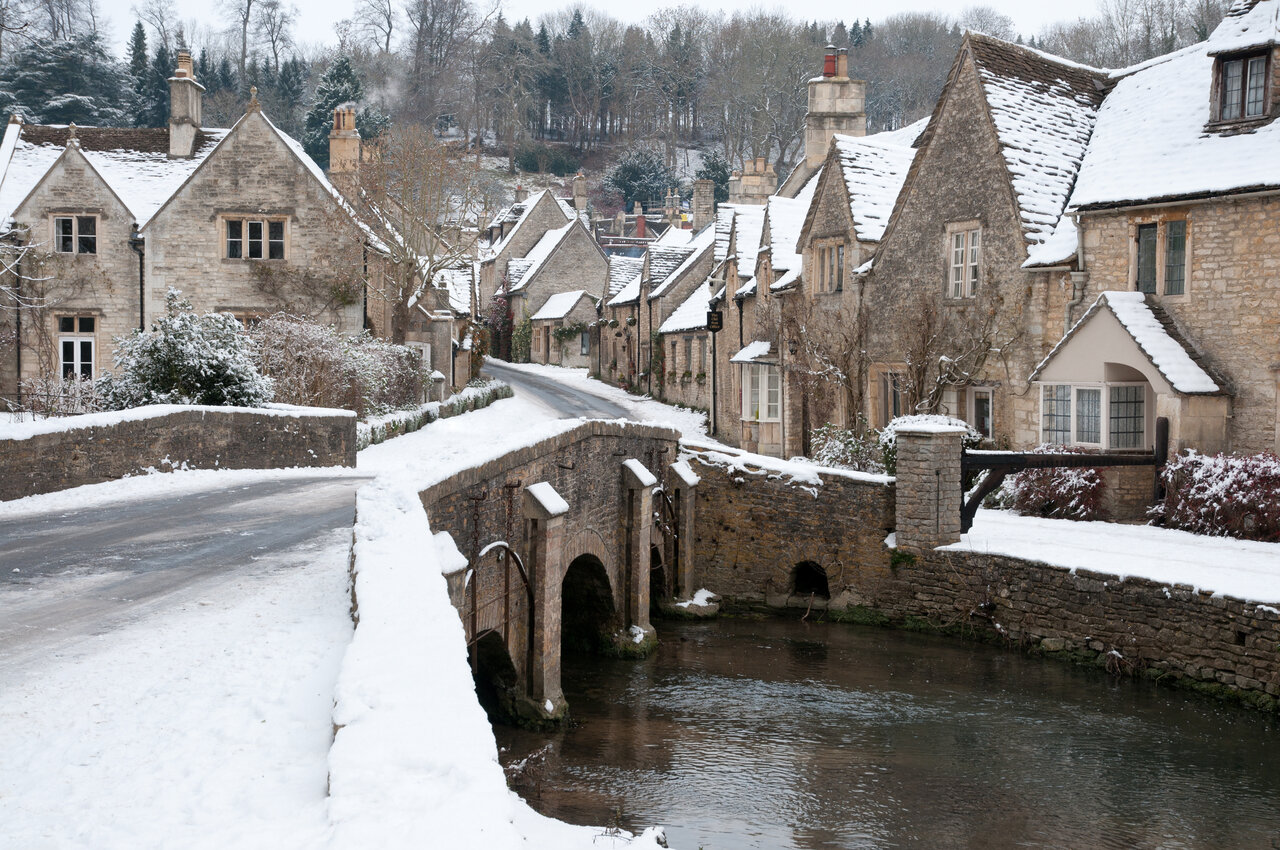
If you want to experience snowy landscapes, choosing the right destination is important. Higher elevations and northern regions generally offer better opportunities than lowland and southern coastal areas.
Here are some popular destinations to consider.
1. Cairngorms, Scotland
The Cairngorms are among the UK's most reliable areas for winter snow. Located in the Scottish Highlands, the region features dramatic mountains, snowy forests and opportunities for winter activities.
Cairngorm Mountain is particularly popular with visitors interested in skiing, snowboarding and winter scenery. Nearby Aviemore provides a convenient base for exploring the area.
2. Glencoe, Scotland
Glencoe is known for its dramatic mountain scenery and beautiful winter landscapes. During colder periods, its surrounding peaks can become covered in snow, creating excellent opportunities for photography and sightseeing.
Visitors can enjoy scenic drives and explore suitable walking routes, although mountain conditions may require specialist equipment and experience.
3. Lake District, England
The Lake District in Cumbria offers some of England's most attractive winter scenery. Its mountains, lakes and valleys create beautiful views when snowfall arrives.
Higher areas around Helvellyn and Scafell Pike are more likely to receive snow than the lower lakeside villages. Winter hiking should only be attempted with appropriate preparation.
4. Peak District, England
The Peak District is another popular destination for winter landscapes. Its open countryside, valleys and elevated areas can receive snow during cold weather.
Locations around Kinder Scout and the higher parts of the national park may experience wintry conditions. Visitors can also enjoy villages, local cafés and scenic countryside when mountain conditions are unsuitable.
5. Eryri (Snowdonia), Wales
Eryri, formerly known as Snowdonia, is one of Wales's most impressive mountain regions. Its higher peaks can receive significant snowfall during colder spells.
Yr Wyddfa (Snowdon), the Glyderau and the Carneddau are notable areas for winter mountain scenery. However, snow and ice can make mountain routes dangerous, so visitors should check conditions before setting out.
6. Mourne Mountains, Northern Ireland
The Mourne Mountains in County Down offer beautiful natural scenery and occasional winter snowfall. Higher elevations have a better chance of seeing snow than nearby coastal areas.
The region is suitable for visitors interested in countryside views, photography and outdoor exploration, provided weather conditions are safe.
Popular Snow Destinations at a Glance
Destination | Country | Main Attraction | Best For |
|---|---|---|---|
Cairngorms | Scotland | Mountain snow and winter sports | Skiing and snowboarding |
Glencoe | Scotland | Dramatic snowy mountains | Photography and sightseeing |
Lake District | England | Snowy peaks and lakes | Winter scenery |
Peak District | England | Open countryside and hills | Scenic walks |
Eryri | Wales | Snow-covered mountain landscapes | Mountain views |
Mourne Mountains | Northern Ireland | Winter mountain scenery | Nature and photography |
Does It Snow in London and Other Major UK Cities?
Snow can fall in major UK cities, but it does not always settle for long. Urban areas often experience milder temperatures than surrounding countryside, and snowfall may quickly turn into rain or melt after reaching the ground.
London, for example, occasionally experiences snowfall during colder winter weather. However, heavy or long-lasting snow is less common than in Scotland's higher mountain regions.
Snowfall in Different UK Regions
Region | Snowfall Pattern | General Snow Chances | Key Observation |
|---|---|---|---|
London and South East England | Occasional | Lower | Snow often melts quickly |
Northern England | More frequent in uplands | Moderate | Pennines can receive settled snow |
Scotland | Frequent in highland areas | Higher | Mountains have longer-lasting snow |
Wales | Occasional to regular on high ground | Moderate | Eryri receives mountain snowfall |
These comparisons describe broad climate patterns rather than the conditions expected on a particular date.
Can You Enjoy Winter Activities in the UK?
Yes. The UK offers several winter activities, particularly in Scotland, where mountain resorts and highland destinations attract visitors during snowy periods.
Skiing and Snowboarding
Scotland has several established snowsport areas, including Cairngorm Mountain, Glenshee, Glencoe, Nevis Range and The Lecht. Their operations depend on snow conditions, weather and available facilities, so checking official updates before travelling is essential.
Winter Walking
Snow-covered countryside can make winter walks memorable. Choose suitable low-level routes if you are inexperienced, and avoid exposed mountain paths during severe weather.
Snow Photography
Snow creates excellent opportunities for landscape photography. Frozen lakes, mountain peaks, forests and historic villages can all provide beautiful winter scenes.
Family Snow Activities
When local conditions allow, families can enjoy simple activities such as building snowmen, making snow angels and having snowball games. Always choose safe, permitted areas away from roads, steep slopes and frozen water.
How to Prepare for Snowy Weather in the UK
Snow can be enjoyable, but it may also affect roads, public transport and everyday activities. Preparing in advance can help make winter travel safer and more comfortable.
Here are some useful tips:
Wear warm clothing: Use thermal layers, insulated jackets, gloves, scarves and winter footwear.
Check weather forecasts: Follow the latest Met Office updates before travelling.
Plan your journey: Allow extra time because snow and ice can affect roads and public transport.
Carry essential supplies: Keep water, snacks, a phone charger and basic emergency items when travelling in remote areas.
Choose suitable footwear: Waterproof boots with good grip can help reduce the risk of slipping.
Check mountain conditions: High-altitude routes may require specialist winter equipment and navigation skills.
Avoid frozen lakes: Never assume that ice covering a lake or pond is strong enough to walk on.
How to Check the Latest Snow Forecast in the UK
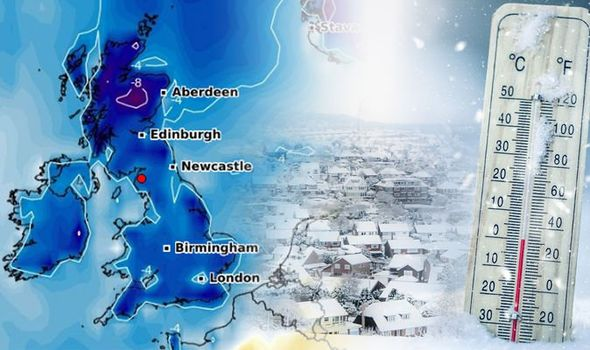
Snow forecasts can change quickly, particularly when temperatures are close to freezing. Checking reliable weather sources before making travel plans is therefore important.
The Met Office provides weather forecasts, warnings and information about winter conditions across the UK.
You can also check:
Met Office: Official UK weather forecasts and snow updates.
BBC Weather: Local forecasts and changing weather conditions.
Traffic England: Road conditions and travel information for England.
Traffic Scotland: Information about road conditions and disruptions in Scotland.
Transport for Wales: Travel updates for rail and transport services in Wales.
For mountain visits, also check the relevant destination's official weather, lift and access updates.
Is Snowfall in the UK Becoming Less Common?
The UK's changing climate has influenced winter temperatures and snowfall patterns. Warmer average temperatures generally make widespread and long-lasting lowland snow less likely.
However, this does not mean that the UK will stop experiencing significant snowfall. Cold air outbreaks can still bring heavy snow when atmospheric conditions are suitable, especially across northern and mountainous regions.
The Met Office highlights the importance of natural weather variability. Even during a generally warmer climate period, individual winters can still bring substantial snowfall.
Frequently Asked Questions
January and February are generally good months to look for snow, especially in Scotland's Highlands and other elevated areas. Snowfall is never guaranteed.
The Scottish Highlands, particularly the Cairngorms, receive some of the UK's most frequent and persistent settled snow.
Snow can fall in London during winter, but settled snow is not guaranteed every year and may melt quickly.
Yes, but a white Christmas is not guaranteed. Snow is generally more likely in higher parts of Scotland than in southern England.
Sources and notes
Links the author listed for this post.
This article uses information from the UK Met Office and VisitBritain, including long-term snowfall averages, winter climate information and UK winter travel guidanceLearn when snow falls in the UK, discover the snowiest regions and winter destinations, and get practical tips for enjoying snowy weather safely.
More on AltFTool
- AltFTool (opens in a new tab)
altftool.com
Discussion
0 comments
No comments yet
Discussion will appear here once it loads.