Health and wellness have become essential parts of modern living. With busy schedules, changing lifestyles, and increasing awareness of personal well-being, people are looking for smarter ways to understand their bodies and improve their daily habits. From sleep quality and physical activity to nutrition, recovery, and stress management, wellness now involves more than simply following a fitness routine. Modern wearable wellness technology is helping individuals gain valuable insights into their health patterns and develop more informed approaches to everyday well-being.
Technology is transforming the way individuals approach personal health. Smart wearable devices, digital wellness applications, fitness trackers, and health monitoring tools are making it easier to observe daily patterns and develop a better understanding of lifestyle habits. These innovations provide useful insights that can help people make more informed choices about movement, rest, nutrition, and overall wellness.
Modern wellness technology focuses on combining convenience with meaningful information. Rather than relying only on occasional observations, individuals can explore patterns related to their sleep, activity levels, and recovery over time. Platforms such as Ultrahuman reflect this growing interest in wearable health technology, sleep tracking, metabolic insights, and personalized wellness experiences.
The goal of smart wellness is not to achieve perfection. It is to build sustainable habits, understand personal needs, and create a healthier balance between physical activity, rest, and everyday responsibilities.
The Growing Importance of Personal Wellness

Personal wellness includes several interconnected aspects of everyday life. Physical activity, nutrition, sleep, emotional well-being, and lifestyle choices all contribute to how people feel and function.
A balanced approach to wellness encourages individuals to pay attention to their habits and make gradual improvements. Small changes, such as maintaining a consistent sleep schedule, walking regularly, drinking adequate water, and taking breaks during work, can support a healthier lifestyle.
Why Wellness Awareness Matters
Understanding daily habits can help people identify areas where improvements may be useful.
Better lifestyle awareness: Recognize patterns in sleep, movement, and daily routines.
Healthy habit development: Build consistency through manageable changes.
Improved activity planning: Balance exercise with rest and recovery.
Personalized routines: Adapt habits to individual preferences and schedules.
Long-term well-being: Focus on sustainable lifestyle choices instead of short-term goals.
Wellness is highly individual. A routine that works for one person may not be suitable for another. Personal preferences, age, activity levels, environment, and professional guidance can all influence lifestyle decisions.
Smart Wearable Technology for Everyday Wellness
Smart wearable technology has become an increasingly popular way to observe daily activity and wellness-related patterns. These devices may use sensors to collect information such as movement, heart rate, sleep-related signals, and skin temperature trends.
Depending on the device, the collected information may be displayed through a mobile application, dashboard, or personalized report.
Smart Rings
Smart rings are compact wearable devices designed to provide health and activity-related insights without the appearance of a traditional smartwatch.
Their small form makes them convenient for individuals who prefer minimal accessories. Depending on the model, smart rings may track sleep patterns, movement, heart rate, and other wellness-related signals.
Smart rings can be useful for people interested in observing trends throughout the day and night.
Fitness Trackers
Fitness trackers are designed to monitor physical activity and support exercise-related goals.
Common features may include step counting, workout tracking, heart rate monitoring, distance estimation, and activity summaries.
These devices can encourage individuals to remain active by providing measurable feedback on their movement habits.
Smartwatches
Smartwatches combine fitness-related functions with communication and digital convenience.
Many models offer activity tracking, workout modes, sleep features, notifications, and access to applications.
Their versatility makes them suitable for people who want both wellness-related insights and everyday digital functionality.
Comparing Wearable Wellness Devices
Device Type | Common Features | Suitable For |
|---|---|---|
Smart Ring | Sleep, movement, heart-rate trends | Minimal wearable preferences |
Fitness Tracker | Steps, workouts, activity summaries | Fitness-focused routines |
Smartwatch | Activity, notifications, applications | Everyday multifunctional use |
Sleep Monitor | Sleep-related environmental or behavioral insights | Sleep awareness |
Wellness App | Habit tracking, reports, routine planning | Digital wellness management |
Features differ between products. Wearable measurements are estimates and should not be considered a substitute for professional medical evaluation.
Sleep Tracking and the Importance of Rest
Sleep plays an important role in everyday well-being. A consistent sleep routine can support energy, concentration, mood, and physical recovery. However, modern lifestyles often involve late-night screen use, irregular schedules, and demanding work routines that may interfere with healthy sleep habits.
Sleep tracking technology can provide an overview of sleep-related patterns. Some wearable devices estimate sleep duration, sleep stages, movement during the night, and other signals associated with rest.
Understanding Sleep Patterns
Sleep tracking can help individuals observe patterns over several nights instead of focusing on a single reading.
For example, someone may notice that their sleep schedule changes on weekends or that late-night activities coincide with shorter sleep durations.
These observations may encourage healthier routines, such as reducing evening screen time or maintaining a more consistent bedtime.
Creating a Better Sleep Environment
A comfortable sleep environment can contribute to a relaxing bedtime routine.
Important considerations include:
Maintaining a comfortable bedroom temperature.
Reducing unnecessary noise.
Keeping the bedroom sufficiently dark.
Establishing a regular bedtime.
Limiting stimulating activities before sleep.
Choosing comfortable bedding.
Sleep trackers may offer useful estimates, but they cannot perfectly measure every aspect of sleep. Persistent sleep difficulties should be discussed with a qualified healthcare professional.
Physical Activity and Daily Movement
Physical activity is an important part of a balanced lifestyle. Regular movement can include walking, cycling, stretching, strength training, recreational sports, or other activities suited to individual abilities.
Wearable technology can help individuals monitor movement and maintain awareness of their daily activity.
Tracking Everyday Movement
Many fitness devices provide activity summaries that include steps, movement duration, workout information, or estimated energy expenditure.
These features can help people identify whether their routines involve enough movement and encourage them to establish realistic goals.
For individuals with sedentary work schedules, short walking breaks or simple stretching activities may be practical ways to incorporate more movement into the day.
Building a Consistent Fitness Routine
A sustainable fitness routine should consider personal preferences, fitness levels, and available time.
Activity | Potential Lifestyle Benefit | Practical Approach |
|---|---|---|
Walking | Supports regular daily movement | Include short walks |
Cycling | Provides an active transportation or exercise option | Choose suitable routes |
Strength Training | Helps develop muscular strength | Follow an appropriate routine |
Yoga | Combines movement and flexibility | Practice according to ability |
Stretching | Encourages mobility | Include gentle sessions |
Recreational Sports | Adds enjoyable physical activity | Participate regularly |
The most effective activity routine is one that can be maintained comfortably over time.
Recovery and Personalized Wellness Insights
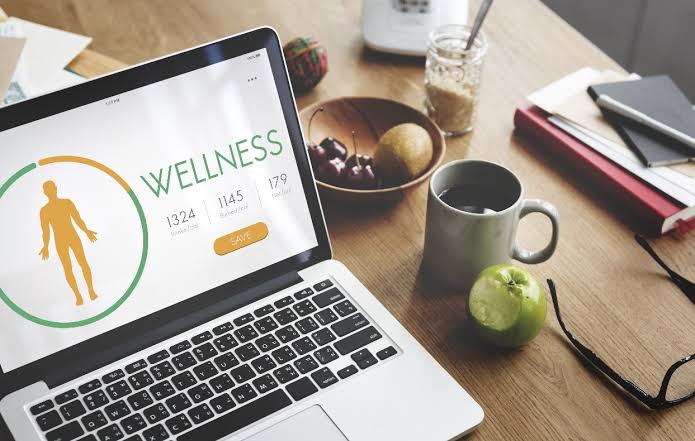
Recovery is an important consideration when balancing exercise, work, and daily responsibilities. After physical activity, the body requires time to rest and adapt.
Some wearable devices provide recovery-related estimates using signals such as resting heart rate, heart-rate variability, sleep patterns, and activity data.
Why Recovery Matters
A balanced lifestyle includes both activity and rest. Consistently intense exercise without adequate recovery may contribute to fatigue or discomfort.
Recovery-related insights can encourage individuals to reflect on their routines and consider whether they need additional rest.
Understanding Wellness Data
Wearable devices often present information through scores, charts, and summaries. These features can make complex measurements easier to understand.
However, a score should not determine every lifestyle decision. Personal feelings, physical condition, and professional advice remain important.
Important wellness pointers
Use wearable data to observe trends, not diagnose conditions.
Consider how you feel alongside device readings.
Avoid comparing wellness scores with other people.
Prioritize rest when experiencing unusual fatigue.
Seek professional guidance for persistent health concerns.
Nutrition Awareness and Metabolic Wellness
Nutrition is another important component of personal wellness. Food choices, meal timing, hydration, and individual dietary needs can influence daily energy and overall lifestyle.
Metabolic wellness is a broad topic involving how the body processes and uses energy. Some digital health technologies provide tools for observing glucose-related patterns and exploring how meals, activity, and other factors may relate to those measurements.
Understanding Nutrition Habits
Maintaining a balanced eating routine may involve including a variety of foods, such as vegetables, fruits, whole grains, protein sources, and appropriate fats.
Nutrition needs differ from person to person. Factors such as age, activity, medical history, and personal dietary preferences should be considered.
Continuous Glucose Monitoring Technology
Continuous glucose monitoring devices use sensors to measure glucose levels over time. Some wellness platforms integrate these measurements with other lifestyle-related information.
These tools may provide educational insights into glucose patterns, but readings require careful interpretation. Glucose monitoring is not necessary for every person, and wellness technology should not replace medical guidance.
People with diabetes or other relevant health conditions should follow recommendations from their healthcare professionals.
Developing Healthy Eating Habits
Practical nutrition habits may include:
Planning balanced meals.
Maintaining adequate hydration.
Eating a variety of nutrient-rich foods.
Paying attention to individual dietary needs.
Avoiding extreme or restrictive eating approaches without guidance.
The objective is to develop a sustainable relationship with food rather than rely on rigid rules.
Personalization in Modern Wellness Technology
Personalized wellness technology aims to make information more relevant to individual routines and preferences. Instead of providing only general summaries, some applications combine multiple measurements to display patterns and recommendations.
Data-Driven Lifestyle Insights
A wellness application may present information related to sleep, physical activity, recovery, and other measurements in one place.
This can help users understand how their habits change over time. For example, reviewing activity and sleep trends may encourage someone to establish a more consistent daily routine.
Customizable Wellness Goals
Different people have different wellness priorities. Some may focus on daily movement, while others may be interested in sleep consistency or workout recovery.
Customizable goals can help make wellness technology more useful and less overwhelming.
The Role of Mobile Applications
Mobile applications often act as the central interface for wearable devices. They may provide charts, notifications, daily summaries, and historical data.
Application Feature | Purpose |
|---|---|
Daily Dashboard | Displays wellness-related summaries |
Trend Charts | Helps observe changes over time |
Goal Setting | Supports personal routine planning |
Activity Reports | Organizes movement information |
Sleep Summaries | Presents sleep-related estimates |
Notifications | Provides reminders or updates |
Users should review privacy settings and understand how their personal data is collected, stored, and shared.
How to Choose the Right Wellness Technology
Choosing a wellness device requires considering more than its appearance or number of features.
Evaluate Your Lifestyle Needs
Start by identifying your main objective. If you are interested in sleep awareness, look for devices that offer relevant sleep features. If your priority is exercise, consider activity tracking and workout functionality.
Consider Comfort and Design
Wearable devices are often used throughout the day or night. Comfortable materials, appropriate sizing, and a design that suits your preferences can influence how consistently you use the device.
Review Battery Life and Compatibility
Battery life, charging requirements, smartphone compatibility, and application availability can affect everyday convenience.
Compare Features Carefully
Consideration | What to Check |
|---|---|
Comfort | Fit, weight, and materials |
Tracking Features | Sleep, movement, and wellness measurements |
Battery | Charging frequency |
Compatibility | Supported smartphones and applications |
Privacy | Data handling and security information |
Cost | Device price and optional recurring services |
Usability | Clear reports and easy navigation |
A device should support your lifestyle rather than create unnecessary pressure to monitor every activity.
Challenges of Smart Wellness Technology
Although wellness technology can be useful, it also has limitations.
Too Much Data
Constantly reviewing measurements can become overwhelming.
Solution: Focus on a few meaningful trends instead of checking every metric throughout the day.
Inaccurate or Incomplete Measurements
Wearable sensors may produce estimates that vary depending on device fit, movement, and measurement conditions.
Solution: Treat readings as general information and avoid making major health decisions based solely on them.
Overdependence on Scores
A low wellness score may cause unnecessary concern, while a high score may create a false sense of certainty.
Solution: Use scores as one source of information alongside personal experiences and professional advice.
Privacy Concerns
Health-related information can be sensitive.
Solution: Review privacy policies, app permissions, account security, and data-sharing settings before using a wellness platform.
The Future of Smart Wellness
Smart wellness technology is continuing to develop through sensor innovation, connected applications, and data analysis.
More Connected Health Experiences
Future wellness systems may bring together wearable measurements, lifestyle information, and environmental data to provide a more comprehensive picture of everyday habits.
Improved Personalization
Advancements in software may help applications provide more relevant summaries based on individual routines and preferences.
Greater Focus on Preventive Awareness
Wellness technology may encourage people to become more aware of their habits and discuss relevant concerns with healthcare professionals.
However, awareness tools should not be confused with medical diagnosis or treatment.
Wellness as a Lifestyle
The future of wellness is not only about advanced devices. It is also about building consistent habits, maintaining balance, and making thoughtful everyday choices.
Technology can support this process, but healthy routines remain the foundation of personal well-being.
This list highlights practical options for Smart Wellness: Technology for Better Everyday Health, with a focus on speed, usefulness, and how easy each option is to apply.
Top picks
Best overall: Choose this when you want the simplest reliable workflow.
Best for speed: Choose this when the task is urgent and low-risk.
Best for control: Choose this when formatting, privacy, or accuracy matters most.
Selection criteria
Useful result without unnecessary setup.
Clear output that readers can check quickly.
Good fit with related AltFTool tools and guides.
Final recommendation
Pick the option that matches your task size and risk level. When in doubt, start with the simplest workflow and move up only if you need more control.
Smart wellness technology includes wearable devices and digital applications that help people observe lifestyle-related information such as activity, sleep, and wellness patterns.
Smart rings may track sleep-related patterns, movement, heart rate, and other wellness measurements, depending on their features.
Sleep tracking can help users observe sleep-related trends and identify habits that may be worth adjusting.
Not necessarily. Many wearable wellness devices provide general wellness information and are not intended to diagnose, treat, or prevent medical conditions.
Consider comfort, tracking features, battery life, smartphone compatibility, privacy, and overall cost.
Sources and review notes
References used to check facts, freshness, and reader-safe recommendations in this guide.
This article is based on general topics related to wearable wellness technology, sleep tracking, physical activity, recovery, nutrition awareness, and digital health applications.
Discussion
0 comments
No comments yet
Discussion will appear here once it loads.