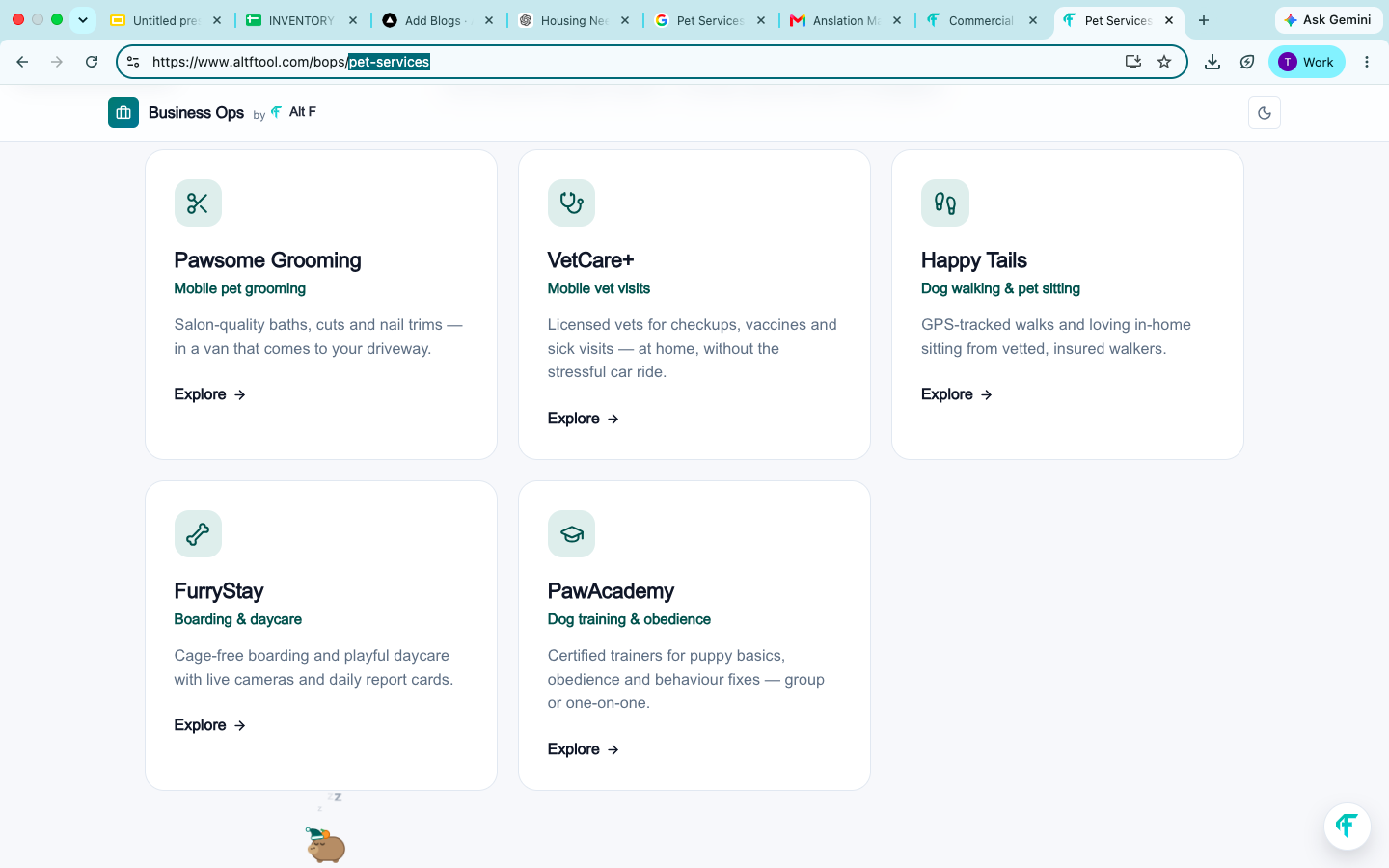
Pets are an important part of everyday life, and giving them the right care goes far beyond food and shelter. From routine veterinary checkups and grooming to training, walking, daycare, boarding, and pet sitting, the right pet services can make a real difference in a pet’s comfort and well-being. With busy lifestyles making professional support increasingly useful, pet owners now have more options to manage their animals’ daily needs.
Pet Services 2026 brings together the essential care and support options pet owners can explore for different stages of their pets’ lives. Whether you are welcoming a new pet, managing a busy routine, planning a trip, or simply looking for better ways to care for your companion, understanding these services can help you make more informed and practical choices.
What Are Pet Services?
Pet services include professional products and services designed to support the health, comfort, safety, grooming, training, and daily care of pets.
Some services are occasional, such as grooming or veterinary visits, while others can be scheduled regularly, such as dog walking, pet sitting, or daycare.
Common Pet Services
Service | What It Usually Includes |
|---|---|
Veterinary Care | Checkups, vaccinations, diagnosis, and treatment |
Grooming | Bathing, brushing, nail trimming, and coat care |
Pet Sitting | Feeding, supervision, and companionship |
Dog Walking | Scheduled walks and exercise |
Pet Boarding | Temporary accommodation and daily care |
Pet Training | Obedience, behavior, and socialization |
Pet Daycare | Supervised daytime activities and care |
Dental Care | Oral hygiene and professional dental services |
Pet Transportation | Safe transportation for appointments or travel |
Pet Supplies | Food, toys, beds, grooming items, and accessories |
Why Professional Pet Services Matter
Taking care of a pet involves more than providing food and water. Pets need exercise, grooming, social interaction, preventative healthcare, mental stimulation, and a safe environment.
Professional services can be especially helpful when owners have busy schedules, travel frequently, or need specialized support.
For example, a dog walker can help provide regular exercise when an owner is working long hours, while a pet sitter can care for a pet during a short trip.
Veterinary Care and Preventive Health
Routine veterinary care is an important part of responsible pet ownership. Regular checkups can help identify potential health concerns and keep vaccinations and other preventive care up to date.
Pet owners should work with a qualified veterinarian to determine an appropriate healthcare routine based on the animal's species, age, lifestyle, and individual needs.
Keep Important Records
It can be useful to maintain records of:
Vaccinations
Veterinary visits
Medications prescribed by a veterinarian
Allergies or known sensitivities
Microchip information
Previous medical procedures
Having these details available can make future veterinary visits easier.
Grooming Services
Grooming is not simply about making pets look clean. Regular grooming can support coat care, hygiene, nail maintenance, and general comfort.
Depending on the animal and breed, grooming may include bathing, brushing, hair trimming, ear cleaning, and nail trimming.
Some pets may require more frequent professional grooming than others. Owners should choose services appropriate for the pet's coat, temperament, and individual needs.
Dog Walking and Exercise
Regular physical activity is important for many pets, particularly dogs. A suitable walking routine can provide exercise as well as opportunities for exploration and mental stimulation.
Professional dog walking services can be useful for owners who are working, traveling, or unable to provide walks during certain parts of the day.
When selecting a dog walker, consider:
Experience: Look for someone comfortable handling your dog's size and temperament.
Safety: Ask how dogs are supervised during walks.
Schedule: Confirm the walking duration and frequency.
Communication: Find out how updates or concerns will be shared.
Pet Sitting and Boarding
Traveling does not always mean pets have to stay alone. Pet sitters and boarding facilities provide different options depending on the animal and owner's preferences.
Pet Sitting
A pet sitter may visit the home or stay with the pet, depending on the arrangement. This can be useful for pets that are more comfortable in their familiar environment.
Pet Boarding
Boarding facilities provide temporary accommodation and care. Before booking, owners should ask about feeding schedules, exercise, supervision, sleeping arrangements, emergency procedures, and vaccination requirements.
Visiting a facility beforehand can also help you understand the environment.
Pet Training and Behavior Support
Training can help pets learn useful behaviors and make everyday interactions easier. Professional trainers may work on obedience, leash behavior, socialization, or specific behavioral concerns.
Training methods should be appropriate for the individual animal and should prioritize safe, humane, and consistent handling.
Pet owners should also remember that training is not always an instant solution. Consistency at home is often an important part of maintaining learned behaviors.
Choosing the Right Pet Service
There are many pet service providers available, but not every provider will be suitable for every animal.
Before choosing a service, consider the following:
Factor | What to Check |
|---|---|
Experience | Experience with your type of pet |
Safety | Supervision and emergency procedures |
Credentials | Relevant qualifications or licenses |
Environment | Clean, secure, and suitable facilities |
Reviews | Experiences from other customers |
Pricing | Clear and understandable service costs |
Communication | Updates and contact options |
Availability | Schedule and booking flexibility |
For veterinary services, always verify that the professional is properly qualified and licensed where required.
Technology and Pet Care in 2026
Technology is also becoming part of modern pet care. Digital tools can help owners organize appointments, track routines, communicate with caregivers, and monitor pets remotely.
Examples include:
Digital veterinary records
Pet activity trackers
Smart feeding devices
GPS trackers
Pet cameras
Online appointment booking
Digital pet-care reminders
These tools can make pet care more convenient, but they work best as support for responsible everyday care rather than replacements for professional attention when an animal needs it.
Pet Services 2026: Complete Guide to Pet Care & Support often comes down to choosing the right option for the job. Use this comparison to scan the trade-offs before you commit.
Quick comparison
Option | Best use | Watch out for |
|---|---|---|
Fast method | Simple one-time tasks | Limited control over fine details |
Advanced method | Repeatable or professional workflows | More settings to review |
Manual method | High-control edits | Slower and easier to repeat mistakes |
How to choose
Choose speed when the task is low-risk and easy to verify.
Choose control when quality, formatting, or privacy matters.
Choose a reusable workflow when you repeat the same task often.
Bottom line
Start with the simplest option that produces a result you can trust. Upgrade to a more advanced workflow only when the task needs more control.
How to Prepare for a Pet Service
Before using a new service, provide the caregiver with important information about your pet.
A simple pet-care profile can include:
Basic information: Name, age, breed or species, and identification details.
Routine: Feeding times, walking schedule, sleeping habits, and preferred activities.
Health information: Relevant veterinary details, medications, allergies, and emergency contacts.
Behavior: Triggers, fears, social preferences, and important behavioral information.
Emergency plan: Veterinarian contact details and instructions for unexpected situations.
Clear information helps caregivers understand your pet's routine and needs.
Pet Service Costs
Pet service prices can vary significantly depending on location, service type, duration, provider experience, pet size, and the level of care required.
Instead of choosing a service based only on price, compare what is included. A slightly different price may reflect differences in supervision, experience, facilities, service duration, or additional support.
Always ask for the complete pricing structure before booking.
Common Mistakes to Avoid
Pet owners can make the process easier by avoiding a few common mistakes:
Choosing a provider without checking their experience.
Not explaining the pet's routine or behavior.
Failing to discuss emergency procedures.
Not checking facility safety and cleanliness.
Assuming every service is suitable for every pet.
Not confirming prices and included services beforehand.
Waiting until the last minute to arrange boarding or pet sitting.
Taking a little time to research a provider can help create a better experience for both the pet and owner.
Building a Simple Pet Care Routine
Good pet care does not have to be complicated. A consistent routine can help owners stay organized.
Daily
Provide appropriate food and fresh water, exercise, interaction, and basic observation of your pet's behavior and condition.
Weekly
Check grooming needs, clean relevant pet areas, wash bedding where appropriate, and review supplies.
Regularly
Schedule veterinary care as recommended, maintain grooming appointments when needed, review identification information, and replace worn-out supplies.
Pet services include professional care such as veterinary visits, grooming, walking, training, daycare, boarding, and pet sitting.
Common services include grooming, veterinary care, dog walking, pet sitting, boarding, training, and daycare.
Consider their experience, qualifications, safety practices, reviews, pricing, availability, and how well they meet your pet’s specific needs.
Not necessarily. The services a pet needs depend on its species, age, health, lifestyle, and the owner's ability to provide daily care.
Who should use Other
Pet Services 2026: Complete Guide to Pet Care & Support is built for readers who want a faster way to finish everyday web tasks. The main goal is shorter workflows, clearer outputs, and reusable tool habits, so the guide focuses on practical choices instead of broad theory.
Use it when you need one of these outcomes:
- testing a task before choosing a heavier app
- saving time on a repeated browser workflow
- combining a guide with a related AltFTool utility
How to get a better result
- Read the core use case and decide what output you need.
- Open the related AltFTool utility and test it with a small sample.
- Review the result, adjust settings, and repeat only if needed.
- Continue with related tools or guides for the next step in the workflow.
Start small, check the first output, and only then repeat the workflow with the full file, text, media, or game session. That gives you a quick quality check before you spend more time.
Quality checks before you trust the output
- the input is clean before running the tool
- the output matches the format you need
- private details are removed before sharing or downloading
Do not overcomplicate a simple task. Start with the smallest sample that proves the workflow, then scale up once the output looks right.
Continue your workflow
If you want to try the workflow now, open the related AltFTool tool area. For more reading, continue through the Other archive or the AltFTool tools directory.
This creates a cleaner path from explanation to action: read the guide, test the tool, compare the output, and move into the next related AltFTool resource only when it helps the task.
Sources and review notes
References used to check facts, freshness, and reader-safe recommendations in this guide.
Based on information and pet care service resources available on the Pet Services page at AltFTool.
- 1AltFTool Other archive
AltFTool
- 2AltFTool tools directory
AltFTool
Discussion
0 comments
No comments yet
Discussion will appear here once it loads.