
Luxury shopping has changed significantly with the growth of online platforms. In the past, discovering luxury fashion often meant visiting exclusive boutiques, attending fashion events, or relying on established fashion magazines. Independent designers had fewer opportunities to introduce their collections to a wider audience because traditional retail spaces were expensive and difficult to access.
Today, online luxury shopping is creating new possibilities for both shoppers and emerging fashion labels. Customers can explore different styles, compare collections, discover creative designers, and purchase distinctive pieces without visiting multiple physical stores. This shift is changing how people understand luxury fashion and what they expect from premium shopping experiences.
Explore AltFTool for useful digital tools and online resources that make everyday tasks easier while supporting a smarter, more convenient shopping experience.
Independent designers are benefiting from this transformation because digital platforms can introduce their work to customers who may never have discovered their brands through traditional retail channels. Instead of competing only for attention in major fashion capitals, smaller labels can reach international audiences and develop their own identities.
Platforms such as Farfetch reflect this changing shopping environment by bringing together products from different luxury brands, boutiques, and designers. This gives shoppers access to a wider selection of fashion while creating more opportunities for independent labels to become visible.
The Growth of Online Luxury Shopping
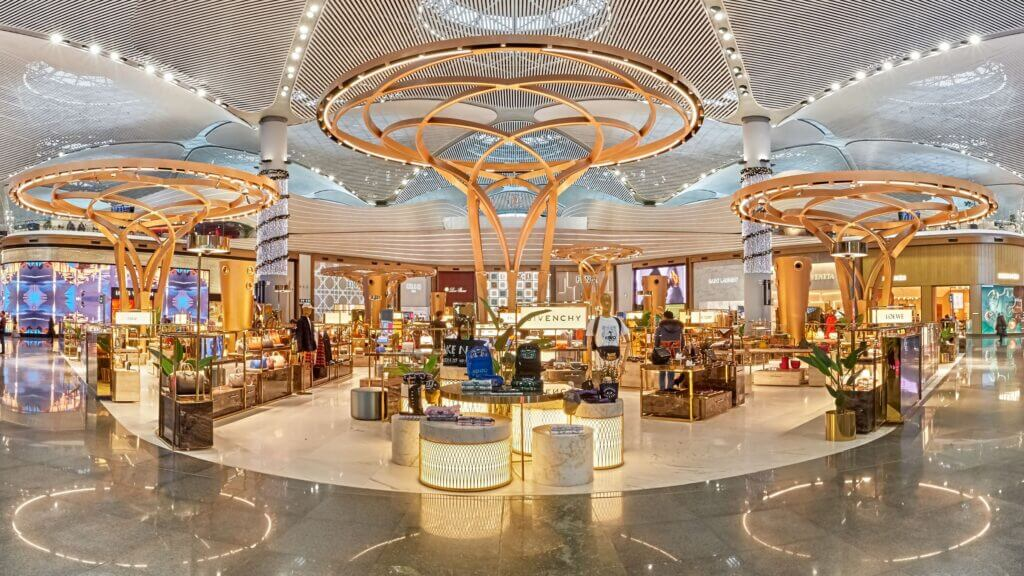
Online luxury shopping has developed from a convenient alternative into an important part of the fashion industry. Customers increasingly expect premium brands to provide digital shopping experiences that are easy to navigate, visually appealing, and informative.
Earlier, luxury purchases were strongly connected with physical experiences. Customers visited boutiques to examine fabrics, understand product quality, receive styling advice, and experience the atmosphere associated with a particular brand.
Digital shopping has introduced another way to explore these products. Detailed photographs, product descriptions, designer information, editorial content, and customer support help shoppers understand collections before making a purchase.
This development is particularly valuable for independent designers. A smaller label can present its designs alongside products from more established fashion houses, giving customers an opportunity to discover different creative approaches.
The expansion of online luxury retail also means that shoppers are no longer limited to the designers available in their local shopping areas. Someone living in a city with limited luxury boutiques can explore collections from international designers through digital platforms.
Making Independent Designers More Discoverable
One of the biggest changes in online luxury shopping is the increased visibility of independent designers.
Independent fashion labels often introduce distinctive ideas through unusual silhouettes, experimental materials, handcrafted details, and culturally influenced designs. However, attracting attention can be difficult when a brand has a limited marketing budget or a small physical retail presence.
Online shopping platforms can help reduce some of these barriers by presenting independent designers to a larger audience.
Greater Visibility Beyond Traditional Fashion Capitals
Fashion discovery was traditionally concentrated in major cities such as Paris, Milan, London, and New York. Designers based outside these locations often faced additional challenges when trying to reach international customers.
Digital retail has made geographical location less restrictive. Customers can discover designers from different countries and fashion communities through the same online shopping experience.
This creates opportunities for labels working in smaller creative markets. A designer producing limited collections in an emerging fashion destination can potentially attract attention from customers who are interested in original designs.
Exposure Alongside Established Luxury Brands
Independent designers may find it difficult to compete with internationally recognised luxury brands in traditional advertising and retail environments.
Online luxury platforms can introduce customers to a combination of established labels and less familiar names. This creates a discovery experience where shoppers can move beyond brands they already know.
For example, someone searching for a designer jacket may also discover a smaller label offering a different interpretation of tailoring, fabric, or construction.
This type of exposure can help independent designers build recognition without depending entirely on their own retail infrastructure.
A More Personalised Fashion Discovery Experience
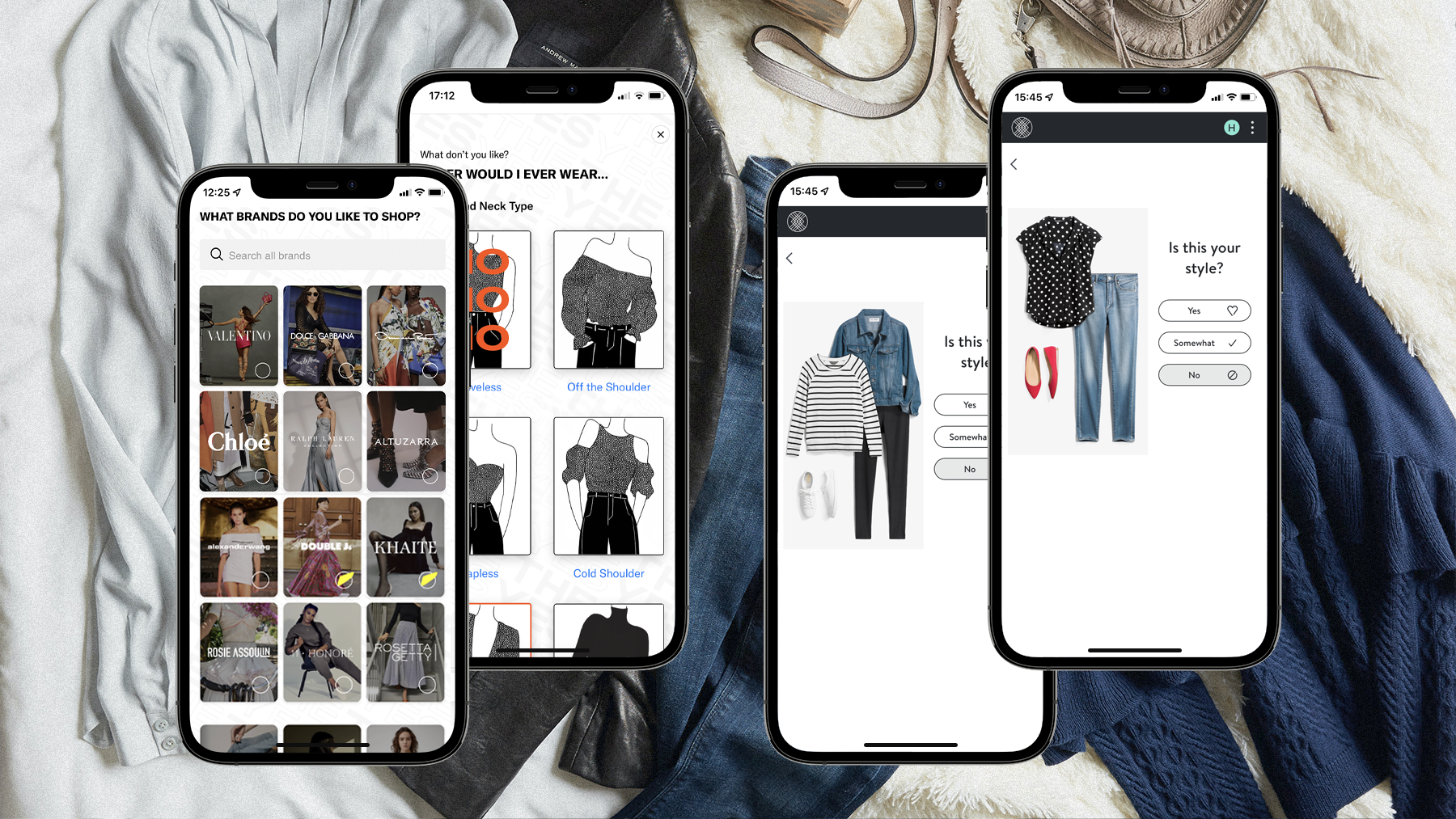
Personalisation is becoming an important part of online luxury shopping. Modern digital platforms can organise products according to customer interests, preferred categories, browsing activity, and shopping preferences.
Instead of exploring thousands of unrelated products, shoppers may find collections that are more closely connected to their individual tastes.
This can also help independent designers reach the right audiences. A customer interested in sustainable materials, experimental fashion, or minimal design may be more likely to appreciate labels working in those areas.
Personalised discovery can make shopping feel more relevant while helping customers find brands that match their style.
Recommendations Based on Shopping Interests
Online platforms can use browsing and shopping signals to recommend related products and designers. These recommendations may introduce customers to labels they would not have searched for independently.
For example, someone exploring handmade leather accessories may receive suggestions for independent designers specialising in small-batch bags, wallets, or other handcrafted products.
The benefit is not limited to convenience. Relevant recommendations can encourage shoppers to explore different creative perspectives and become familiar with emerging fashion labels.
Discovering Fashion Through Categories and Styles
Organised product categories make it easier to explore luxury fashion based on specific interests.
Customers may search for clothing, footwear, bags, jewellery, or accessories. They can also explore different styles, materials, occasions, and design characteristics.
This structure helps independent designers become visible to shoppers who are already interested in a particular type of product.
How Digital Platforms Support Independent Fashion Labels
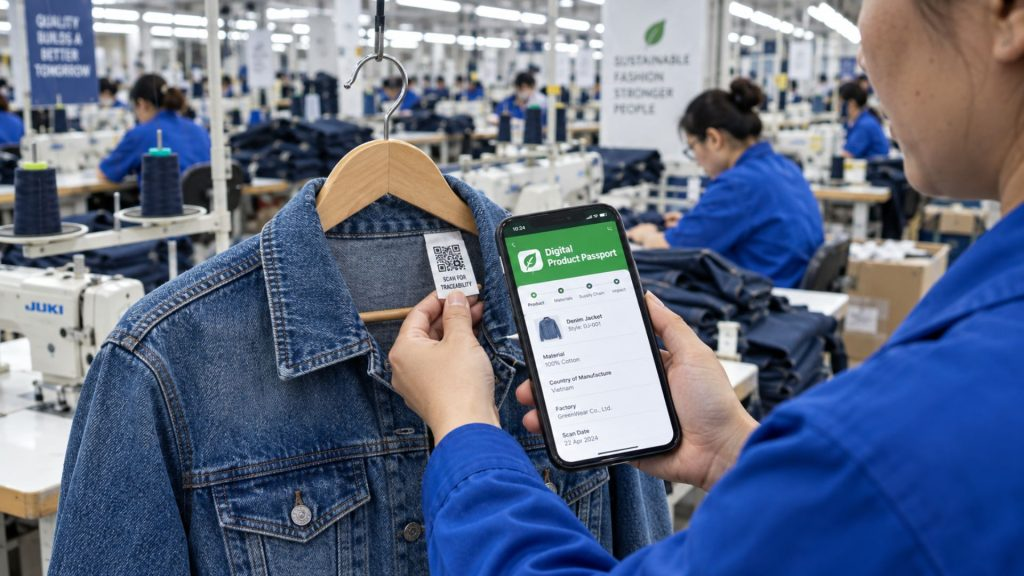
Independent designers often operate with smaller teams and limited resources compared with major fashion houses. Managing production, marketing, distribution, customer service, and international sales can require significant investment.
Digital luxury marketplaces can provide an additional retail channel through which designers and boutiques can present their products.
However, the level of support varies between platforms, and not every marketplace operates under the same business model. Some work with boutiques and retail partners, while others provide direct brand marketplaces or curated shopping experiences.
Wider Customer Reach
An independent designer may have a strong local customer base but limited international recognition. Online retail can introduce the label to shoppers in different countries.
International visibility can help designers test demand for their products and understand which collections attract attention beyond their original market.
However, reaching customers internationally does not automatically guarantee sales. Designers still need suitable pricing, reliable fulfilment, strong product presentation, and customer confidence.
Opportunities for Smaller Boutiques
Independent boutiques play an important role in discovering and supporting emerging fashion talent. They often select collections based on creative direction, craftsmanship, and customer interests.
Online luxury shopping can extend the reach of these boutiques by making selected products available to a wider audience.
This can help customers discover designers through the retailers that already recognise their creative value.
Building Brand Recognition
Digital product pages, designer profiles, collection descriptions, and editorial features can help communicate a label's identity.
Customers may learn about the inspiration behind a collection, the materials used, and the design philosophy that makes a brand different.
For independent designers, communicating this identity is important because shoppers may not have encountered the label before.
The Role of Storytelling in Luxury Fashion Discovery
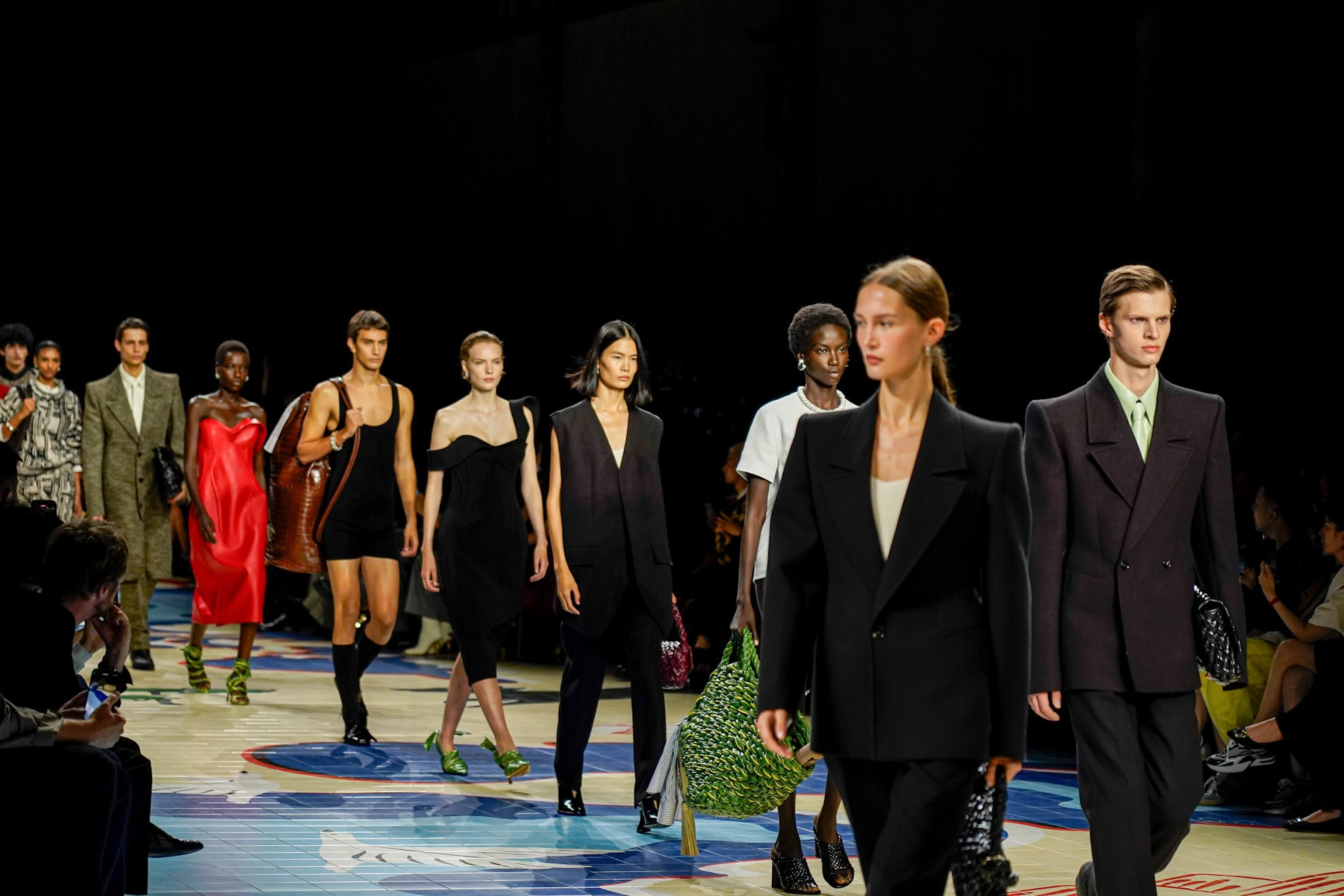
Luxury fashion is not only about purchasing expensive products. Customers may also be interested in the ideas, craftsmanship, culture, and creative vision behind a design.
Storytelling helps independent designers communicate these elements.
A product can become more meaningful when customers understand why a particular material was selected, how a silhouette was developed, or what inspired the collection.
Designer Identity and Creative Vision
Independent designers often build their labels around a clear creative direction. Some focus on traditional craftsmanship, while others experiment with modern tailoring, unusual textures, or contemporary interpretations of cultural influences.
Digital platforms can introduce these creative identities through brand descriptions, designer information, collection presentations, and product details.
This allows shoppers to understand more than the appearance of an item. They can also explore the thinking and creative process behind it.
Craftsmanship and Product Details
Luxury customers frequently pay attention to the quality of materials, finishing, construction, and design details.
Clear product information helps shoppers evaluate these characteristics before purchasing.
For independent designers, explaining craftsmanship can be especially useful because their products may not have the same level of public recognition as established luxury labels.
Comparing Traditional and Online Luxury Shopping
Traditional luxury shopping and digital shopping offer different advantages. Physical boutiques provide direct interaction with products, while online platforms offer broader access and convenient discovery.
Shopping Factor | Traditional Luxury Shopping | Online Luxury Shopping | Benefit for Independent Designers |
|---|---|---|---|
Product Discovery | Mostly limited to available local stores | Access to products from multiple locations | Wider audience exposure |
Shopping Convenience | Requires visiting physical stores | Products can be explored remotely | More opportunities for customer discovery |
Brand Information | Usually provided through store staff | Available through digital descriptions and profiles | Easier communication of brand identity |
Product Experience | Customers can inspect items physically | Customers rely on images and product details | Requires stronger digital presentation |
Product Selection | Depends on boutique inventory | Can include a broader range of collections | Greater visibility for niche designs |
International Reach | Depends on retail locations | Can connect shoppers across countries | Potential access to international customers |
Both shopping methods remain relevant. Customers may discover a designer online and later visit a boutique to experience the products in person. Others may prefer completing the entire purchase digitally.
Social Media and the Changing Fashion Discovery Journey

Social media has become another important influence on how customers discover luxury fashion.
Fashion creators, stylists, independent designers, celebrities, and everyday shoppers share outfits, product reviews, styling ideas, and collection previews. These posts can introduce unfamiliar labels to audiences who may not follow traditional fashion publications.
For independent designers, social media can provide a way to communicate directly with potential customers.
Visual Content Creates Interest
Fashion is highly visual, making photographs and short videos useful for presenting collections. Designers can show how garments fit, how materials move, and how individual pieces can be styled.
Behind-the-scenes content can also introduce audiences to the creative process, including sketches, fabric selection, production, and finishing.
This type of content may help customers develop an emotional connection with a brand before visiting its online store or product listing.
Fashion Communities Encourage Discovery
Online fashion communities bring together people with similar interests. Some focus on sustainable clothing, vintage fashion, experimental design, streetwear, or independent labels.
These communities can help smaller designers reach audiences who actively look for distinctive products.
Recommendations from stylists, creators, and customers may also introduce a label to people outside its existing customer base.
However, social media attention does not always translate into long-term brand growth. Designers need consistent product quality, customer service, and a clear identity to build lasting relationships.
The Importance of Sustainability and Responsible Fashion
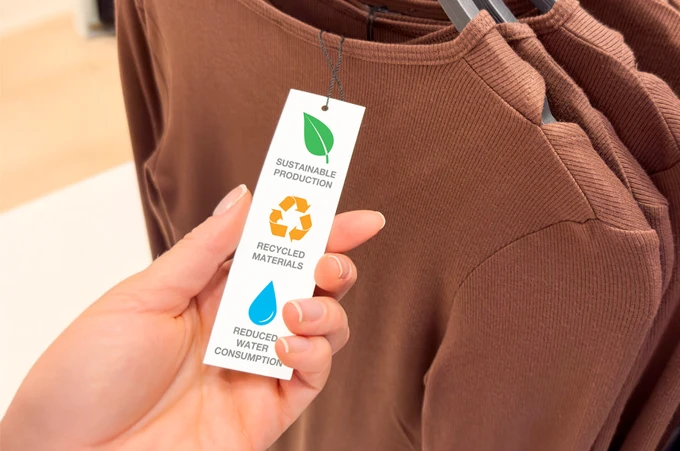
Sustainability is becoming an important consideration for many luxury fashion shoppers. Customers may want to understand where products are made, what materials are used, and whether a brand follows responsible production practices.
Independent designers sometimes work with smaller production quantities, local manufacturers, traditional techniques, or carefully selected materials. These approaches can appeal to customers interested in more thoughtful fashion choices.
However, independent status alone does not guarantee sustainable production. Shoppers should look for clear information about materials, manufacturing, sourcing, and environmental claims.
Small-Batch Production
Some independent labels produce limited quantities rather than manufacturing large collections. This approach may help manage inventory and reduce the risk of producing more items than customers purchase.
Small-batch production can also allow designers to pay closer attention to details and experiment with specialised designs.
However, limited production does not automatically mean that a product has a lower environmental impact. Materials, transportation, manufacturing methods, and product durability also matter.
Interest in Long-Lasting Products
Luxury shopping is increasingly connected with the idea of buying fewer but more considered pieces.
Customers may prefer garments and accessories that offer lasting style, quality construction, and versatility.
Independent designers can benefit from this interest when they communicate the durability, craftsmanship, and practical value of their products accurately.
How Technology Is Improving Online Luxury Shopping
Technology is making digital fashion retail more interactive and informative. Better product photography, improved search functions, personalised recommendations, and virtual shopping tools can help customers make more confident decisions.
Advanced Search and Product Filters
Search filters allow customers to narrow their choices by category, size, colour, designer, price, and other product characteristics.
These features are especially useful when a shopper is exploring unfamiliar labels. Instead of searching for a specific brand, customers can begin with a product type or style and discover designers through the available results.
Detailed Product Photography
Online shoppers cannot physically touch or inspect products before purchasing them. High-quality photographs therefore play an important role in communicating product details.
Images showing different angles, fabric textures, stitching, proportions, and product styling can help customers understand what they are considering.
Accurate descriptions of materials, measurements, fit, and care requirements are equally important.
Personalised Recommendations
Recommendation systems can help customers discover products related to their browsing interests.
For independent designers, these systems may create additional opportunities to appear in relevant shopping journeys.
However, recommendations should support discovery rather than limit customers to a narrow selection of familiar brands.
Challenges Independent Designers Face in Online Luxury Retail
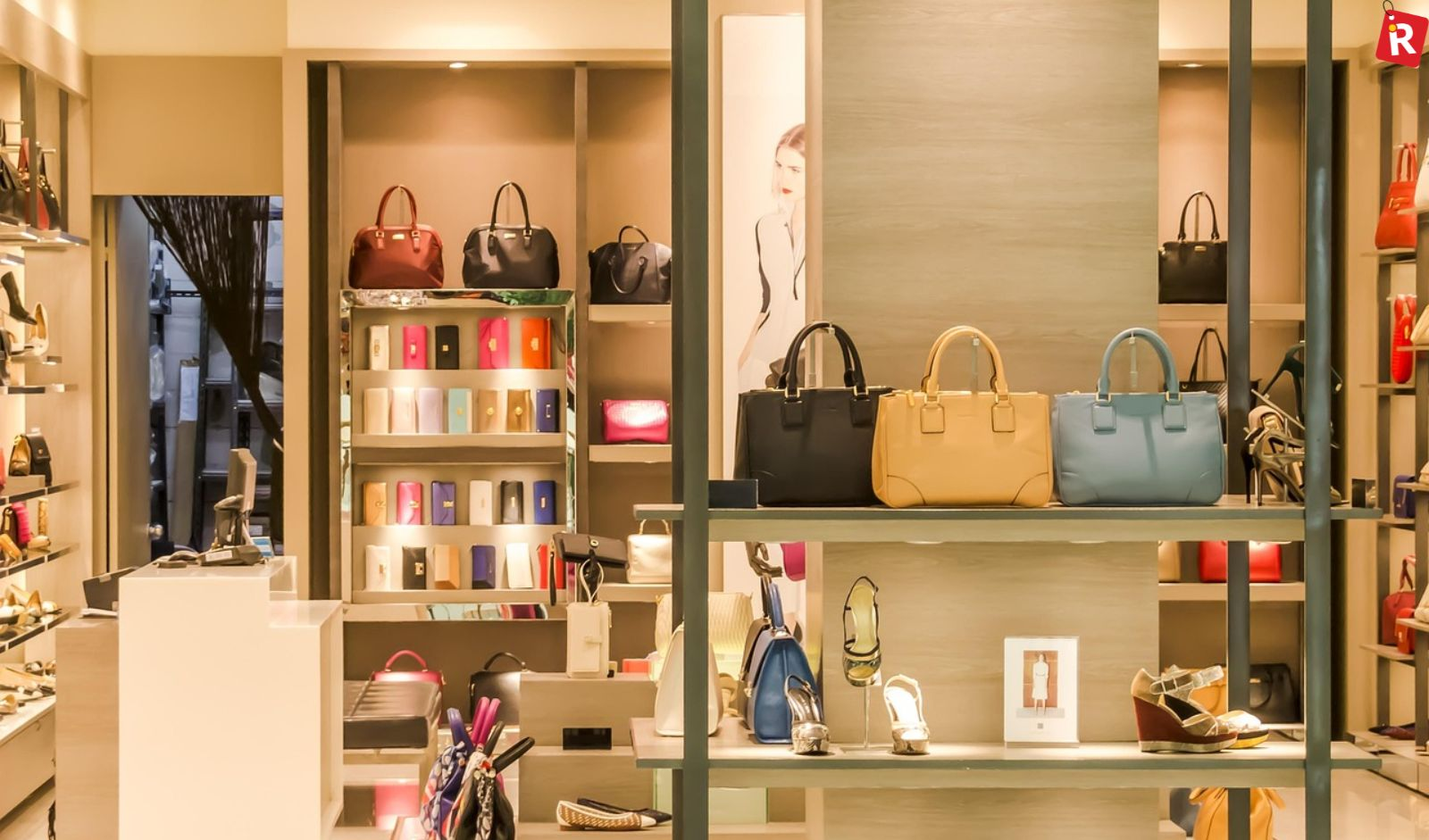
Although digital platforms create new opportunities, independent designers still face several challenges.
Online visibility can be competitive, and a smaller brand may struggle to attract attention among hundreds of products. Customer trust, pricing, fulfilment, and product presentation also influence purchasing decisions.
Competition for Digital Attention
Established luxury brands often have larger marketing budgets, stronger brand recognition, and substantial customer communities.
Independent designers may need to invest more time in creating content, communicating their creative identity, and building relationships with customers.
Being listed on an online marketplace can improve exposure, but it does not guarantee that shoppers will discover or purchase a product.
Maintaining Luxury Brand Identity
Luxury brands often rely on a consistent visual identity and carefully developed customer experience.
Independent designers need to maintain this identity across product descriptions, photography, packaging, communication, and customer service.
A strong online presentation should explain what makes the label distinctive without relying on exaggerated claims.
Pricing and Production Costs
Independent labels may have higher production costs because they manufacture smaller quantities or work with specialised materials and techniques.
Customers may compare their prices with those of larger brands, making it important for designers to explain the value behind their products.
Clear information about materials, craftsmanship, design, and production can help shoppers understand why a product is priced at a particular level.
International Shipping and Returns
Selling internationally can introduce additional responsibilities. Shipping costs, customs duties, delivery times, returns, and local regulations may affect the shopping experience.
Customers should have access to clear information about these conditions before completing a purchase.
Reliable fulfilment and transparent policies are important for building confidence in independent luxury labels.
What Luxury Shoppers Should Consider When Discovering Independent Designers
Discovering a new designer can make online luxury shopping more interesting, but customers should evaluate products carefully before purchasing.
A brand's visual identity or social media popularity does not necessarily indicate product quality. Shoppers should review the information available and consider whether the item meets their expectations.
Shopping Consideration | What to Check | Why It Matters | Helpful Customer Action |
|---|---|---|---|
Product Quality | Fabric, stitching, construction, and finishing | Helps evaluate durability | Read detailed descriptions |
Designer Background | Brand identity and creative approach | Provides context about the label | Explore designer information |
Material Details | Fabric composition and sourcing information | Helps understand product characteristics | Check material descriptions |
Sizing and Fit | Measurements and size guidance | Reduces sizing uncertainty | Compare measurements carefully |
Pricing | Product value and additional charges | Helps assess overall cost | Review the full purchase amount |
Return Policy | Eligibility, conditions, and deadlines | Provides clarity if an item is unsuitable | Read the policy before ordering |
Taking time to review these details can help customers make more informed luxury purchases.
The Future of Independent Designer Discovery

Online luxury shopping is likely to continue developing as customer expectations and digital technology evolve.
Independent designers may benefit from better discovery tools, improved product storytelling, more personalised shopping experiences, and stronger connections with international customers.
More Attention to Emerging Designers
Customers are increasingly able to explore fashion beyond familiar luxury names. Digital marketplaces, social media communities, and independent retail platforms can introduce shoppers to designers with different creative perspectives.
This may encourage more experimentation and make luxury fashion discovery less dependent on traditional brand recognition.
Growth of Digital Storytelling
Future shopping experiences may include richer designer profiles, collection videos, production information, and interactive product presentations.
These features can help shoppers understand the people and creative ideas behind independent labels.
More Informed Purchasing Decisions
Customers may increasingly expect transparent details about materials, manufacturing, sourcing, and product care.
Designers who communicate these details clearly can build stronger relationships with customers who value both creative design and responsible purchasing.
A Combination of Online and Physical Experiences
Digital and physical retail are likely to work together rather than replace one another completely.
Customers may discover a designer through an online platform, explore the collection digitally, and later visit a physical boutique. Others may prefer online shopping because it offers access to designers who are not available in their local area.
This combination gives independent labels more ways to introduce their work and connect with different types of shoppers.
FAQ's
Online luxury shopping helps independent designers reach international customers, showcase their collections, build brand awareness, and connect with shoppers beyond traditional retail locations.
Independent designers often focus on distinctive creative ideas, limited collections, unique materials, specialised craftsmanship, and individual design identities.
Online platforms use product categories, designer profiles, personalised recommendations, and curated collections to introduce shoppers to brands they may not know.
Farfetch provides access to luxury fashion products from different brands and boutiques, allowing customers to explore a diverse selection of designers and collections in one digital shopping experience.
Customers should review product materials, sizing information, craftsmanship, pricing, shipping charges, return policies, and available brand information before purchasing.
Sources and notes
Links the author listed for this post.
This article is based on general luxury fashion industry trends, online retail developments, independent designer practices, and publicly available information about digital fashion marketplaces, including Farfetch and AltFTool.com.
More on AltFTool
- AltFTool (opens in a new tab)
altftool.com


Discussion
0 comments