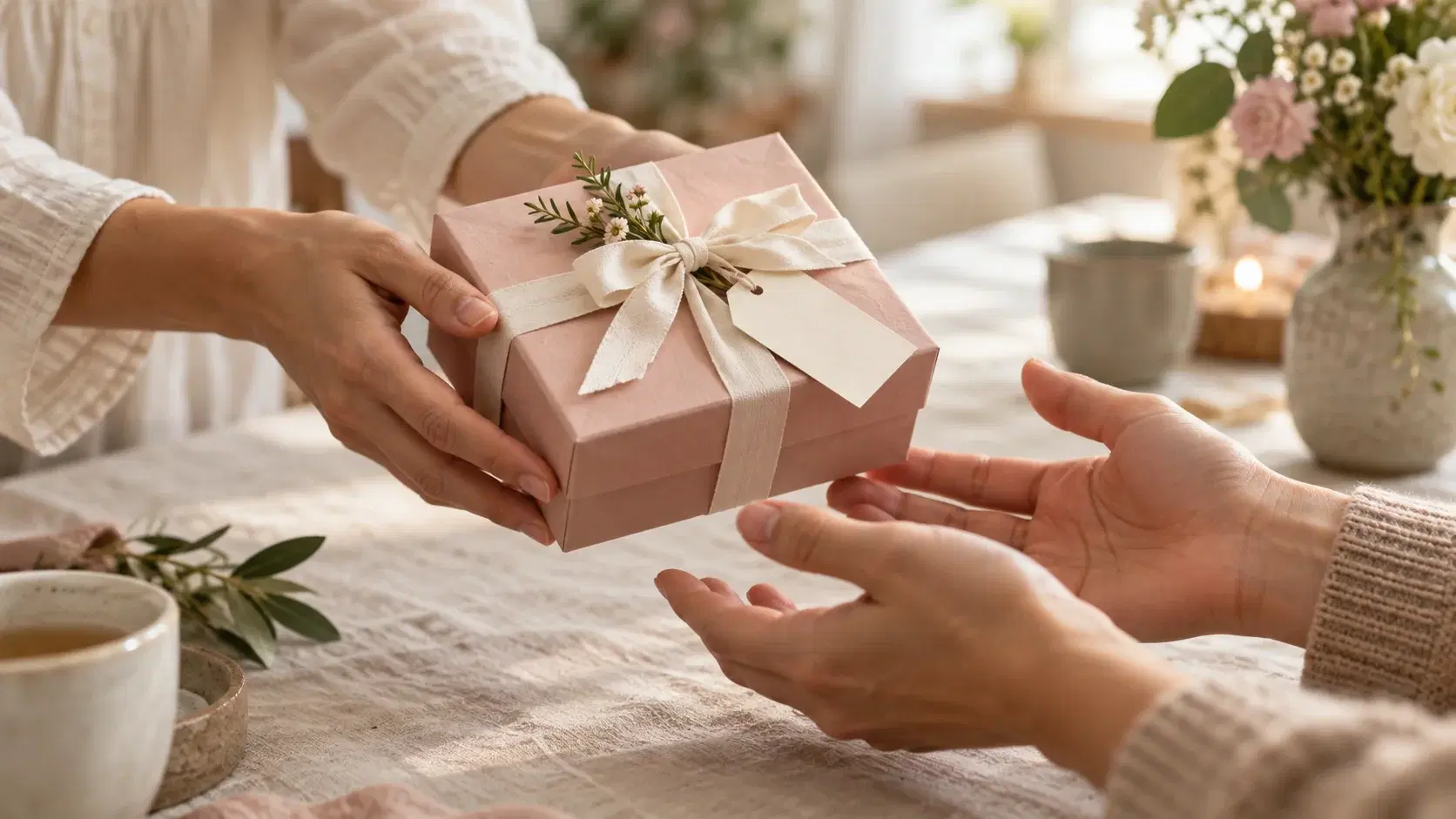
Giving a gift feels easy when we have a clear occasion in front of us. Birthdays, anniversaries, weddings, festivals, graduations, and special achievements all give us a reason to shop. But the real challenge is choosing something that does not become another forgotten item sitting in a cupboard.
For me, the best gifts are not always the most expensive ones. They are the gifts that make someone think, “This was chosen especially for me.” A meaningful gift can remind a person of a special memory, support something they love, or simply make their everyday life a little better.
If you want to choose a gift that lasts beyond the occasion, the key is to focus less on price and more on personality, usefulness, quality, and emotional value.
What Makes a Gift Truly Meaningful?

A meaningful gift usually has a connection to the person receiving it. It may reflect their interests, lifestyle, memories, dreams, or even a small conversation you had with them months ago.
Think about the difference between buying a random decorative item and choosing a beautiful notebook for someone who is always writing down ideas. Both are gifts, but the second one shows that you actually noticed something about them.
A Meaningful Gift Usually Has These Qualities
Quality | Why It Matters |
|---|---|
Personal | It feels selected specifically for the person |
Useful | The recipient can enjoy it regularly |
Durable | Good quality allows it to last longer |
Emotional | It creates a memory or reminds them of you |
Timeless | It does not become irrelevant after the occasion |
Thoughtful | It reflects their personality or interests |
The best combination is often personal + useful + durable. When a gift has all three, there is a better chance that it will remain valuable for years.
Start With the Person, Not the Occasion
One mistake I often see when people shop for gifts is starting with the occasion. They search for “birthday gifts” or “anniversary gifts” first and then choose something from a long list.
A better approach is to start with the person.
Ask yourself:
What does this person enjoy?
What do they use every day?
What have they recently become interested in?
Is there something they keep talking about?
What kind of things do they usually appreciate?
Do they prefer practical items or sentimental gifts?
Is there a memory between you that could inspire the gift?
This simple change can make your gift feel much more personal.
Pay Attention to Their Everyday Life
Sometimes the best gift idea is hiding in ordinary conversations.
Maybe your friend keeps saying that their old wallet is falling apart. Perhaps your sister loves making coffee at home. Maybe your partner has recently started reading more books. Or a family member has always wanted to learn photography.
These small details can become excellent gift ideas.
Look for These Clues
Their hobbies: Books, cooking, fitness, music, art, travel, gardening, gaming, or photography can give you plenty of ideas.
Their routine: Something that makes their daily routine easier or more enjoyable can become a gift they genuinely use.
Their style: Notice whether they prefer simple, classic, colourful, modern, or traditional products.
Their needs: Sometimes a practical gift can be more meaningful than something purely decorative.
Their memories: Places, songs, photographs, trips, and shared experiences can inspire sentimental gifts.
Choose Quality Over Quantity
A meaningful gift does not need to be huge.
In fact, one well-made item can have much more value than a large gift basket filled with things the person may never use.
When choosing something intended to last, pay attention to:
Material quality
Craftsmanship
Durability
Warranty or after-sales support
Practicality
Ease of maintenance
Timeless design
For example, a good leather wallet, a quality watch, a durable handbag, a well-made piece of jewellery, or a classic home item can stay useful for years when chosen carefully.
Think About Long-Term Use
Before buying a gift, ask one simple question:
“Will they still want this six months or one year from now?”
This question can help you avoid many impulse purchases.
A trendy product might look exciting today but lose its appeal quickly. A timeless item may not create the same instant excitement, but it can remain useful for much longer.
A Simple Long-Term Gift Test
Before purchasing, consider:
Will they actually use it?
Does it match their lifestyle?
Is the quality good enough to last?
Does it have a timeless appeal?
Will it remind them of the person who gave it?
If most answers are yes, you are probably moving in the right direction.
Add a Personal Touch

Even a simple gift can become special when you add something personal.
A handwritten note is one of the easiest ways to do this. You do not need a long message. A few genuine lines about why you chose the gift can make the moment more memorable.
You can also consider:
Engraving their initials
Adding a meaningful date
Including a favourite photograph
Choosing their favourite colour
Creating personalised packaging
Adding a small handwritten card
Including something connected to a shared memory
The goal is not to make the gift complicated. It is to make the recipient feel seen.
Experiences Can Also Become Lasting Gifts
Not every meaningful gift needs to be a physical object.
Sometimes an experience can stay in someone's memory much longer than a product.
Depending on the person's interests, you could consider:
A weekend trip
A concert
A cooking class
A photography workshop
A spa experience
A museum or cultural experience
A special dinner
A hobby-based class
A planned day together
The important thing is to choose an experience that fits the person's personality rather than choosing something simply because it is popular.
Match the Gift With Their Personality
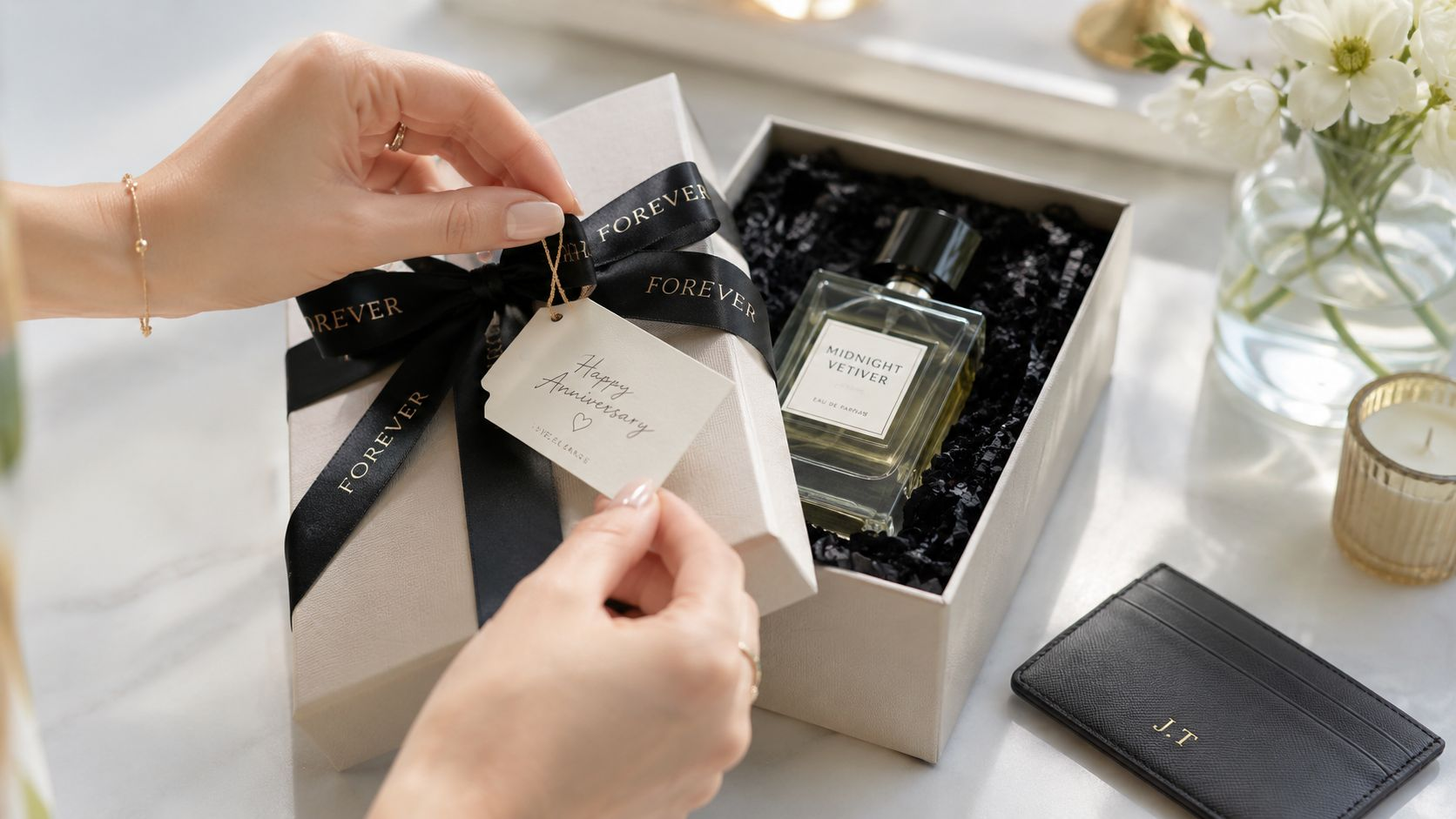
The same gift can feel perfect for one person and completely wrong for another.
Someone who loves minimalism may appreciate one elegant item. Someone who enjoys collecting things may prefer a unique addition to their collection.
Personality Type | Gift Direction |
|---|---|
Practical | Useful everyday products |
Sentimental | Personalised or memory-based gifts |
Creative | Art, craft, writing, or design items |
Adventurous | Travel or experience-based gifts |
Fashion-conscious | Timeless accessories |
Home lover | Quality décor or home essentials |
Book lover | Books, journals, or reading accessories |
This is why copying a generic “best gifts” list does not always work.
Avoid Gifts That Create Unnecessary Clutter
A gift should add value, not create another problem.
Decorative items can be lovely, but if you are unsure about someone's taste, choosing something useful may be safer.
Ask yourself whether the item will:
Be used regularly
Have a clear place in their home
Match their existing style
Solve a small problem
Bring genuine enjoyment
If you cannot imagine the person using or appreciating it, it may be better to keep looking.
Consider the Budget Without Losing the Meaning
A meaningful gift does not require an unlimited budget.
Instead of asking, “How expensive should my gift be?” ask:
“How thoughtful can I make this gift within my budget?”
For a smaller budget, you can choose a useful item and add a handwritten note. You could also create a personalised gift, prepare something yourself, or plan an experience together.
For a larger budget, focus on quality rather than simply choosing the most expensive option.
Smart Gift-Buying Rule
Spend according to your relationship, budget, and comfort level—not according to what you think a gift should cost.
The emotional meaning of a gift is rarely measured by its price tag.
Think About Sustainability
Another useful way to choose a lasting gift is to consider whether the item is made to be used for a long time.
Instead of buying several low-quality products, you can choose one durable item that the recipient will use repeatedly.
Look for:
Durable materials
Repairable products
Reusable items
Timeless designs
Responsible packaging
Products that are made to last
This approach can make your gift feel more thoughtful while also reducing unnecessary waste.
Common Gift-Giving Mistakes to Avoid
Even with good intentions, it is easy to choose the wrong gift.
1. Buying Only Because It Is Trending
Trends change quickly. Choose something that fits the person's personality instead.
2. Choosing Something Too Personal
Personalisation is great, but avoid making assumptions about someone's preferences, size, style, or lifestyle.
3. Ignoring Quality
A beautiful-looking product that breaks quickly may not create the lasting impression you wanted.
4. Buying for Yourself
It is easy to choose something because you personally love it. But remember that the gift is for them.
5. Overcomplicating the Gift
You do not need ten small items to make a gift meaningful. One thoughtful item can be enough.
FAQ's
A meaningful gift usually reflects the recipient's personality, interests, needs, or memories rather than being chosen randomly.
Not necessarily. Thoughtfulness, usefulness, personal connection, and quality can matter much more than price.
Consider an experience, personalised item, consumable product, or something connected to a hobby or shared memory.
It depends on the person. If they appreciate usefulness, choose something practical; if they value memories, a sentimental gift may be better.
Add a handwritten note, personalised detail, meaningful packaging, or a small item connected to a shared memory.
Sources and notes
Links the author listed for this post.
This article is based on general gift-giving principles focused on personalisation, usefulness, quality, durability, and emotional value.

Discussion
0 comments