Let's be honest: nobody wakes up excited to shop for socks. Shoes get all the attention, jerseys get the photos, and the small stuff gets tossed into the cart at the last minute. Then three weeks later you're limping home from a run with a blister the size of a coin, or your bag strap gives up halfway to the gym, and suddenly you care a lot.
That's what this guide is about. Nike's accessories range for 2026 is big, and most of it is perfectly fine. Some of it is genuinely worth your money. Below I've gone through the main categories, said what actually matters in each one, and pointed out where you can skip the upgrade.
A quick note before we start. Designs and stock change with the season and your region, so check the Nike website or app for what's available right now. I've left prices out on purpose, because they move around too much to be useful here.
Why the small stuff matters
A workout rarely falls apart because of your shoes. It falls apart because of something tiny. Wet socks that bunch up under your heel. A cap that traps heat. A bottle that leaks all over your notebook. None of it is dramatic, but it adds up, and it gives you an excuse to quit twenty minutes early.
Good accessories do four boring but useful jobs:
They keep you comfortable, so you can stay out longer.
They keep things steady, with better grip and a better fit.
They protect you from everyday knocks and scrapes.
They make life easier, so you actually turn up.
That last one is underrated. When your bag is packed and sitting by the door, you're far more likely to go.
Bags and backpacks
Duffel Bags

Roomy and practical: Choose a duffel with a spacious main compartment, separate shoe storage and a comfortable shoulder strap for gym sessions or team sports.
Backpacks
Built for busy days: A 20–25 litre backpack is a practical choice when you need to carry training clothes, everyday essentials and possibly a laptop from college or work to the gym.
Drawstring & Small Bags

Light and simple: Drawstring bags work well for short workouts when you only need essentials such as a towel, water bottle and spare socks.
Keep Your Bag Fresh

A simple habit: Empty your bag and let it air out after every workout, especially if you have carried a damp towel or sweaty clothes inside.
Sports Socks

Small upgrade, big difference: Look for sweat-managing fabric, useful cushioning and a secure arch fit, then choose the sock height that suits your activity.
Running Socks
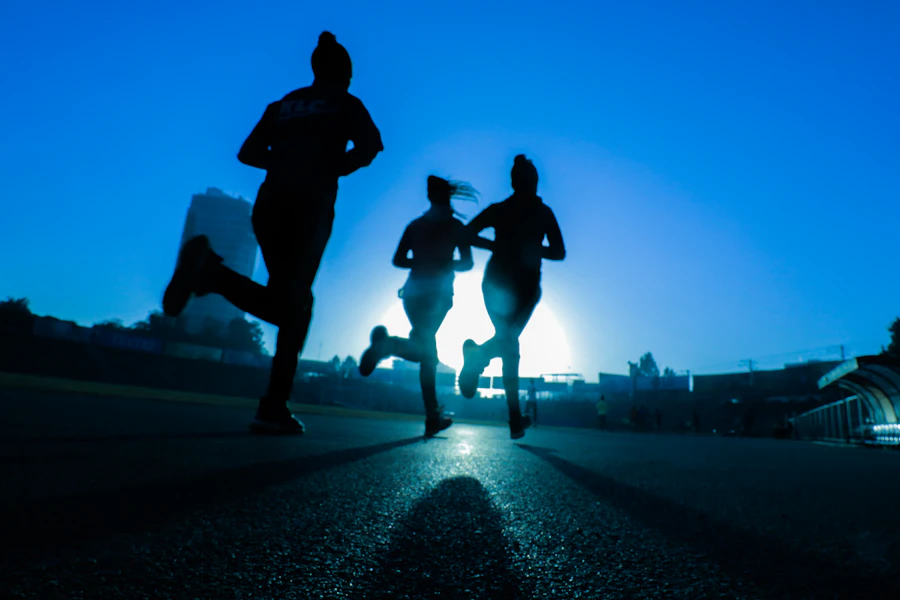
Keep it lightweight: Runners often prefer thinner socks with targeted cushioning that provide comfort without making the shoe feel unnecessarily tight.
Basketball Socks

Extra comfort for movement: Basketball players may prefer more cushioning because repeated jumps, quick stops and changes of direction put extra demand on the feet.
Gym & Training Socks
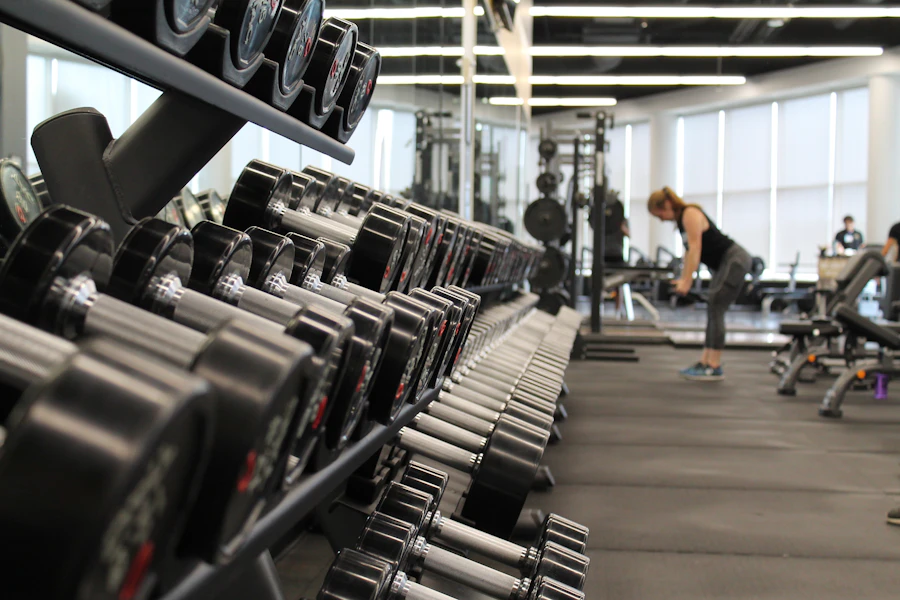
Balanced cushioning: For lifting and general gym sessions, medium cushioning with a secure fit can provide a comfortable and stable feel throughout the workout.
Pick the bag for your day, not for how it looks in the product photo.
Duffel bags
If you go to the gym or play on a team, a duffel is hard to beat. You want a roomy main compartment, a separate pocket for your shoes (your nose will thank you), and a padded shoulder strap. Check the stitching around the handles before you buy. That's where cheap bags give up first.
Backpacks
Going straight from college or the office to training? Get a backpack. Somewhere around 20 to 25 litres works for most people. Go much smaller and you'll be sitting on the bag to zip it. Padded straps matter more than a fancy logo, especially once there's a laptop inside.
Drawstring and small bags
These are light, cheap and perfect for a towel, a bottle and a spare pair of socks. They won't hold much, and the strings dig into your shoulders if you overload them, so save them for short sessions.
One small habit worth building: air your bag out after every workout. A damp towel zipped inside overnight is how you end up with a smell no wash can fix.
Socks
Yes, socks again. If you only upgrade one thing this year, make it these.
The things that count are simple. Look for fabric that pulls sweat away from your skin (Nike's version is called Dri-FIT), some cushioning under the heel and the ball of your foot, and a snug band around the arch so the sock stays where it belongs. Then pick the height that suits your sport: no-show for light workouts, crew for the gym and everyday wear, and long ones for football.
Runners usually like thin socks with padding in just the right places. Basketball players tend to want something thicker, because of all those hard stops. For lifting, medium cushioning feels stable. Whatever you choose, buy a few pairs and rotate them. Socks that get a day off last noticeably longer.
Caps, headbands and sweat control
Sweat in your eyes is annoying in a pickup game and miserable on a long run. A few cheap items fix most of it.
Caps and visors: Look for breathable panels and an adjustable strap. A good one blocks glare without feeling like a hat in a sauna.
Headbands and wristbands: These earn their place in tennis, badminton, basketball and any high-intensity class. Soft edges matter, because a tight band will give you a headache around minute 40.
Neck gaiters and beanies: Thin ones are great for cold mornings. You get the warmth without the bulk.
If you train somewhere hot and humid, don't go cheap in this category. You'll feel the difference within a couple of weeks.
Gloves and grip
Gloves are personal. Some people can't lift without them and others hate the feel. Here's the short version.
Training gloves protect your palms from calluses and help your grip during heavy sets or rope work. Football and goalkeeper gloves have textured palms made for ball control, and fit is everything there, so use the size chart instead of guessing. Running gloves are thin and light, and they're mostly there for cold weather.
Whatever you buy, make a fist with them on. If the material bunches up in your palm, they're the wrong size.
Water bottles
Not exciting, but you'll use it every single day, so it's worth getting right.
Squeeze bottles are light and easy to drink from while you're moving, which suits running and cycling. Insulated ones keep water cold for hours, which feels like a small luxury on a hot afternoon. Big bottles save you from refilling during a long tournament day.
Check the cap first. A leak-proof lid is the whole point. And wash the bottle properly, not just a quick rinse. Mild soap once a week keeps it from developing that strange taste.
Protection: shin guards, sleeves and the rest
You don't have to be a pro to get kicked in the shin. If you play football or soccer, wear proper shin guards. They should cover the bone, sit snug under your socks and stay put when you sprint. Sizing usually follows your height.
Compression sleeves for the arms, calves or knees give light support and keep your muscles warm. They're nice to have, but they aren't medical treatment. If you're dealing with a real injury, talk to a physiotherapist before leaning on a sleeve.
Playing a contact sport? A properly fitted mouthguard is cheap insurance.
Extras for home and gym training
You don't need a full gym to stay fit. A handful of small things go a long way.
Resistance bands: Light, easy to pack, and good for warm-ups and strength work.
Jump rope: Probably the best cardio value you can buy.
Exercise or yoga mat: Go for decent cushioning and a non-slip surface.
Gym towel: Small and quick-drying. Your hands and the equipment will thank you.
Quick comparison
If you just want a snapshot, this table sums up the main categories.
Accessory | Best for | What to look for | Who needs it most |
|---|---|---|---|
Duffel bag | Gym, travel, team sports | Big main section, shoe pocket, padded strap | Gym-goers, team players |
Backpack | Daily commute and training | Padded straps, 20 to 25 L, several pockets | Students, office workers |
Socks | Every sport | Moisture control, cushioning, arch band | Everyone |
Cap or headband | Outdoor and sweaty sessions | Breathable fabric, soft edges, secure fit | Runners, racquet and court players |
Gloves | Lifting, football, cold runs | Good grip, light padding, correct size | Lifters, goalkeepers, winter runners |
Water bottle | Daily hydration | Leak-proof cap, easy to clean, insulation if needed | Everyone who trains |
Shin guards and sleeves | Protection and light support | Snug fit, low weight, breathable material | Football players, active adults |
Bands, rope and mat | Home workouts | Portable, durable, non-slip | Beginners, home trainers |
What to pick for your sport
Running. Light socks, a breathable cap, a small belt or bag and a squeeze bottle. When it gets cold, add thin gloves and a neck gaiter.
Gym and strength training. A sturdy duffel, cushioned crew socks, gloves if you like them, a towel and a big bottle. Resistance bands are a handy bonus for warm-ups.
Football and soccer. Shin guards that fit, long socks, keeper gloves if you play in goal, and a bag with a separate compartment for boots.
Basketball. Thicker crew socks, a headband or wristbands, and a backpack tough enough to survive the trip from court to class.
Yoga and home fitness. A non-slip mat, a few bands, a towel and an insulated bottle. Keep it simple and add more as your routine grows.
How to buy without overspending
Think about how often you train. Someone working out five days a week needs tougher gear than someone playing a Sunday match.
Get the size right. Gloves, guards and socks only work when they fit. Use the size charts.
Think about your weather. Breathable and light for heat, thicker layers for cold mornings.
Choose things that do two jobs. A backpack that works for both the gym and your daily commute is better value than two separate bags.
Buy the basics first. Socks, a bag and a bottle cover most of what you need. Specialist gear can wait.
Buy from the right place. Stick to Nike's own website, its app or authorised retailers. Fakes can look convincing in photos, but they wear out fast and rarely feel the same.
Making your gear last
A little care saves a lot of money. Wash performance fabrics as the label says, usually cool or warm water, then air dry. Skip the fabric softener on sweat-wicking items, since it can clog the fibres and stop them absorbing moisture. Give your socks and gloves a rotation so each pair has time to bounce back. And keep mats, bands and gloves out of direct sun, because heat quietly ruins them.
Final though
The best sports accessories are rarely the ones that simply look impressive. They are the ones that quietly make your routine easier.
A backpack that carries everything without feeling awkward. Socks that stay comfortable through a workout. A cap that works when you're outside. A bottle you actually remember to bring. A towel that fits into your bag without taking up half the space. That is what makes Nike's sports accessories range worth exploring in 2026.
There is a lot to choose from, but you don't need everything. Start with your sport, your routine and the things you genuinely use. Build your kit slowly and choose accessories that have a purpose.
FAQ's
Nike sports accessories include bags, socks, caps, bottles, towels, sunglasses, sleeves, and other gear designed for sports and active lifestyles.
Running socks, caps, hydration bottles, waist packs, sunglasses, and lightweight bags can be useful for runners.
A Nike training bag, comfortable socks, water bottle, towel, and suitable training accessories can make gym sessions more convenient.
Choose accessories based on your sport, training routine, comfort, size, durability, and how frequently you plan to use them.
Yes, many Nike bags, caps, socks, bottles, and other accessories can be used for both sports activities and everyday routines.
Sources and notes
Links the author listed for this post.
The information in this article is based primarily on Nike’s official Accessories and Equipment collection, including its available categories for socks, bags and backpacks, headwear, sunglasses, towels, hydration products, gloves, protective gear, sleeves, and other sports accessories.
- 1


Discussion
0 comments
No comments yet
Discussion will appear here once it loads.