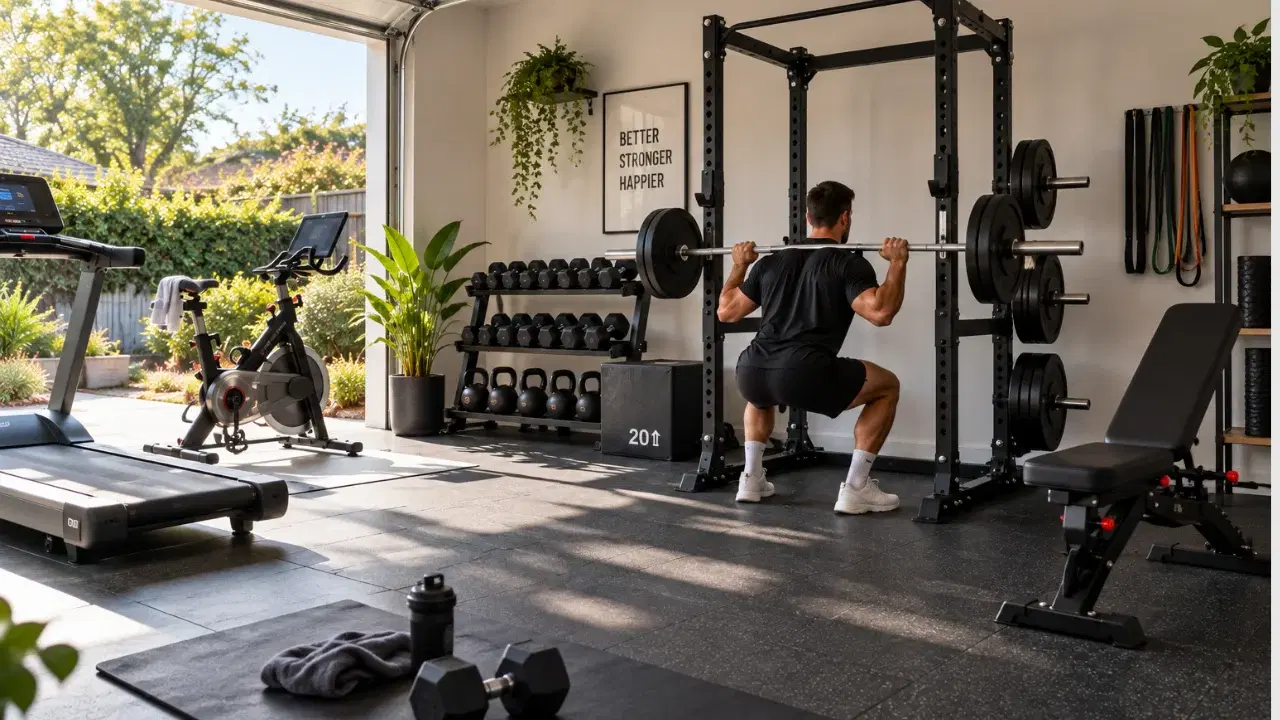
Starting a fitness journey does not always require an expensive gym membership or complicated exercise machines. With the right home workout equipment, beginners can build strength, improve flexibility and stay active without leaving their homes.Home workouts have become a convenient fitness option for people with busy schedules, limited space and different fitness goals. Whether you want to lose weight, build muscle, improve endurance or simply develop a healthier lifestyle, choosing suitable equipment can make your routine easier and more effective.
In 2027, beginners have access to a wide range of affordable and versatile fitness equipment, from resistance bands and yoga mats to adjustable dumbbells and exercise bikes. However, buying everything at once is unnecessary. Starting with a few essential items is often the best approach.
This guide explores the best home workout equipment for beginners in 2027, including its uses, benefits, buying considerations and simple exercises you can try at home.
Why Should Beginners Invest in Home Workout Equipment?
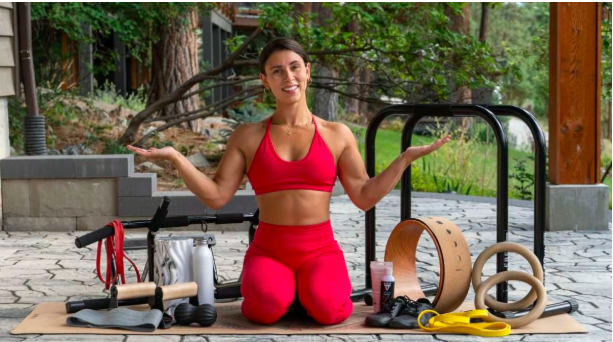
Home workout equipment makes it easier to follow a consistent exercise routine. Instead of travelling to a gym, you can exercise whenever your schedule allows.
Here are some important benefits of building a home workout setup:
Convenience: Exercise whenever you have free time without travelling to a fitness centre.
Cost Savings: Basic equipment can be more affordable than paying for a long-term gym membership.
Privacy: Beginners can practise exercises comfortably without feeling uncomfortable around others.
Flexible Training: You can combine strength training, cardio, stretching and flexibility exercises.
Space Efficiency: Many beginner-friendly fitness accessories are compact and easy to store.
Consistency: Having equipment at home can make it easier to maintain a regular fitness schedule.
10 Best Home Workout Equipment for Beginners in 2027
You do not need a complete home gym to start exercising. The following equipment offers practical options for beginners with different fitness goals and budgets.
1. Resistance Bands
Resistance bands are among the most useful pieces of equipment for beginners. They are lightweight, affordable and suitable for different types of strength-training exercises.
They provide resistance when stretched, helping you work different muscle groups without using heavy weights.
Best exercises:
Banded squats
Bicep curls
Glute bridges
Shoulder presses
Lateral band walks
Benefits:
Easy to carry and store.
Suitable for different fitness levels.
Useful for upper-body and lower-body training.
Multiple resistance levels are available.
Best for: Beginners who want affordable strength-training equipment.
2. Adjustable Dumbbells
Adjustable dumbbells are a practical choice for people who want to build strength at home. Instead of purchasing multiple pairs of weights, you can change the resistance according to your exercise and fitness level.
They are useful for training the arms, shoulders, chest, back and legs.
Best exercises:
Dumbbell squats
Shoulder presses
Dumbbell rows
Bicep curls
Chest presses
Benefits:
Support progressive strength training.
Offer several weight options.
Help train different muscle groups.
Can save storage space compared with multiple fixed-weight pairs.
Best for: Beginners interested in building muscle and improving strength.
3. Yoga Mat
A yoga mat is one of the first accessories beginners should consider buying. It provides a comfortable surface for floor exercises, stretching, yoga and bodyweight workouts.
A good-quality mat can also help improve grip and make exercise sessions more comfortable.
Best exercises:
Planks
Push-ups
Yoga poses
Crunches
Stretching routines
Benefits:
Provides cushioning for floor exercises.
Offers a designated workout space.
Easy to roll up and store.
Suitable for multiple fitness activities.
Best for: Beginners who want to practise yoga, stretching and floor workouts.
4. Skipping Rope
A skipping rope is an inexpensive piece of cardio equipment that can help improve coordination, endurance and cardiovascular fitness.
It is especially useful for people who want a simple workout without purchasing large exercise machines.
Best exercises:
Basic jumps
Alternate-foot jumps
Slow skipping intervals
Beginner jump-and-rest sessions
Benefits:
Compact and portable.
Supports cardiovascular exercise.
Helps develop coordination.
Requires very little storage space.
Best for: Beginners who enjoy cardio workouts and have enough safe jumping space.
5. Kettlebell
A kettlebell is a versatile strength-training tool with a rounded weight and handle. It allows beginners to perform exercises that involve multiple muscle groups.
Start with a manageable weight and learn the correct movement technique before increasing resistance.
Best exercises:
Goblet squats
Kettlebell deadlifts
Farmer carries
Kettlebell rows
Controlled kettlebell swings after learning proper technique
Benefits:
Supports full-body strength training.
Helps develop grip strength.
Offers several exercise variations.
Suitable for strength and conditioning workouts.
Best for: Beginners who want to explore full-body resistance training.
6. Exercise Bike
An exercise bike is a convenient option for people who prefer indoor cardio. It allows you to cycle at home regardless of outdoor weather conditions.
Many models offer adjustable resistance and different workout settings.
Benefits:
Supports cardiovascular fitness.
Provides low-impact exercise.
Allows adjustable workout intensity.
Suitable for regular indoor cycling sessions.
Best for: Beginners who prefer low-impact cardio workouts.
7. Foam Roller
A foam roller is a useful recovery accessory that can be included in a home fitness setup. It is commonly used for self-massage and to relieve the feeling of muscle tightness after exercise.
Common uses:
Rolling the thighs.
Releasing tension around the upper back.
Supporting post-workout recovery routines.
Complementing stretching exercises.
Benefits:
Lightweight and portable.
Easy to use at home.
Useful for mobility routines.
Available in different sizes and textures.
Best for: Beginners who want to include recovery and mobility work in their fitness routine.
8. Pull-Up Bar
A pull-up bar is useful for developing upper-body strength, particularly in the back, arms and shoulders.
Beginners can start with supported variations or resistance-band-assisted pull-ups rather than attempting difficult movements immediately.
Best exercises:
Assisted pull-ups
Dead hangs
Supported knee raises
Chin-up progressions
Benefits:
Supports upper-body training.
Requires relatively little space.
Offers different exercise variations.
Can complement bodyweight workouts.
Best for: Beginners interested in developing upper-body strength.
Always check the doorway compatibility, installation instructions and weight capacity before using a doorway-mounted bar.
9. Stability Ball
A stability ball can make basic home workouts more varied. It is commonly used for core exercises, balance training and stretching.
Beginners should choose the correct ball size according to their height and follow safe exercise instructions.
Best exercises:
Wall squats
Stability ball crunches
Glute bridges
Supported stretching
Seated balance exercises
Benefits:
Supports balance training.
Adds variety to core workouts.
Useful for stretching.
Can be used for several beginner-friendly exercises.
Best for: Beginners who want to improve balance, coordination and core strength.
10. Treadmill
A treadmill is a useful investment for people who enjoy walking or running indoors. It allows you to control your speed and workout duration while exercising at home.
Some compact models are designed specifically for walking and smaller living spaces.
Benefits:
Supports regular walking and running.
Allows controlled workout intensity.
Useful during unfavourable outdoor weather.
Makes it easier to track workout duration and distance.
Best for: Beginners who want a dedicated indoor walking or running option.
Comparison of the Best Home Workout Equipment
Equipment | Main Purpose | Space Required | Beginner Friendly |
|---|---|---|---|
Resistance Bands | Strength training | Very low | Yes |
Adjustable Dumbbells | Muscle building | Low | Yes |
Yoga Mat | Yoga and floor workouts | Very low | Yes |
Skipping Rope | Cardio | Very low | Yes |
Kettlebell | Full-body strength | Low | Yes, with guidance |
Exercise Bike | Cardio | Medium | Yes |
Foam Roller | Recovery and mobility | Low | Yes |
Pull-Up Bar | Upper-body strength | Low | With modifications |
Stability Ball | Core and balance | Medium | Yes |
Treadmill | Walking and running | High | Yes |
How to Choose the Right Home Workout Equipment
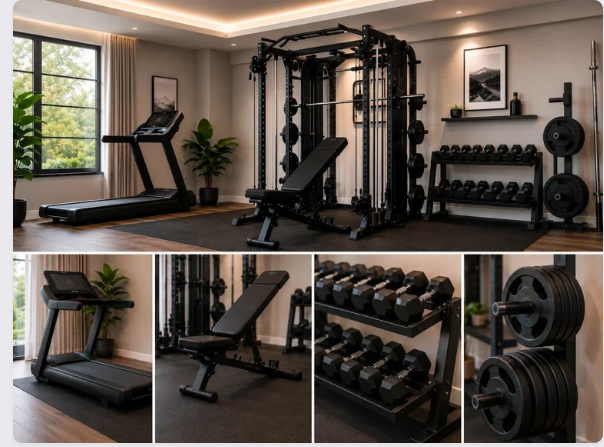
Buying fitness equipment without considering your needs can lead to unnecessary expenses. Before purchasing anything, think about your available space, fitness goals and experience level.
1. Identify Your Fitness Goals
Start by deciding what you want to achieve.
Weight management: Consider walking equipment, skipping ropes and resistance bands.
Muscle building: Adjustable dumbbells, resistance bands and kettlebells can be useful.
Flexibility: Yoga mats and foam rollers are good starting options.
Cardiovascular fitness: Exercise bikes, treadmills and skipping ropes are suitable choices.
General fitness: A combination of resistance bands, dumbbells and a yoga mat offers flexibility.
2. Consider Your Available Space
If you live in a small apartment, avoid buying large machines immediately. Compact accessories such as resistance bands, skipping ropes and yoga mats are easier to store.
Measure your available workout area before purchasing larger equipment.
3. Set a Realistic Budget
You do not need to spend a lot of money to start exercising. Focus on equipment that supports your immediate fitness goals.
A beginner can start with a yoga mat and resistance bands before investing in adjustable weights or cardio machines.
4. Check Quality and Safety
Always check the quality of fitness equipment before purchasing it.
Look for:
Durable materials.
Comfortable grips.
Stable construction.
Suitable weight capacity.
Clear assembly instructions.
Warranty and customer support where available.
5. Choose Equipment You Will Actually Use
The most expensive equipment is not necessarily the best choice. Select accessories that fit your lifestyle and make it easier to exercise consistently.
Best Budget-Friendly Home Workout Setup for Beginners
If you are starting with a limited budget, you can build a useful workout setup without purchasing every item listed above.
Equipment | Main Use | Priority |
|---|---|---|
Yoga Mat | Floor exercises and stretching | Essential |
Resistance Bands | Strength training | Essential |
Skipping Rope | Cardio workouts | Optional |
Light Dumbbells | Strength training | Useful |
Foam Roller | Recovery and mobility | Optional |
Start with the essentials and gradually add more equipment as your fitness routine develops.
Simple 7-Day Home Workout Plan for Beginners
Having equipment is only one part of starting a fitness journey. You also need a realistic workout schedule.
Here is a simple weekly routine for beginners.
Day | Workout | Duration |
|---|---|---|
Monday | Full-body strength training | 20–25 minutes |
Tuesday | Walking or light cardio | 20–30 minutes |
Wednesday | Yoga and stretching | 20 minutes |
Thursday | Resistance band exercises | 20–25 minutes |
Friday | Walking and core exercises | 20–30 minutes |
Saturday | Light strength training | 20 minutes |
Sunday | Rest or gentle mobility | 10–15 minutes |
Start slowly and adjust the duration according to your fitness level. Beginners should focus on proper technique rather than completing as many repetitions as possible.
If you experience pain, dizziness or unusual discomfort, stop exercising and seek appropriate medical advice.
Common Home Workout Mistakes Beginners Should Avoid
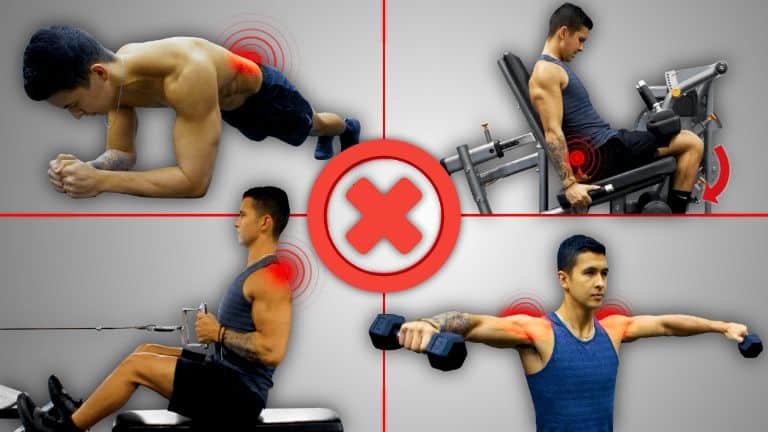
Starting a fitness routine is exciting, but certain mistakes can make it difficult to maintain progress.
1. Buying Too Much Equipment
Purchasing several machines and accessories before understanding your needs can waste money and space. Start with a few essential items.
2. Ignoring Warm-Ups
Beginning intense exercise without preparing your body can increase discomfort and injury risk. Spend a few minutes doing light movement before your workout.
3. Using Heavy Weights Too Early
Beginners should learn proper exercise techniques before increasing resistance. Start with manageable weights and progress gradually.
4. Following Unrealistic Workout Plans
Exercising intensely every day is not necessary. Allow your body enough time to recover between challenging sessions.
5. Ignoring Exercise Technique
Correct form is more important than lifting heavier weights or completing more repetitions. Follow reliable demonstrations or seek guidance from a qualified fitness professional.
6. Expecting Immediate Results
Fitness improvements take time. Focus on regular exercise, balanced nutrition and realistic goals instead of expecting dramatic changes within a few days.
Conclusion
Building a home fitness routine in 2027 does not require a large investment or an expensive gym setup. The right beginner-friendly equipment can help you exercise comfortably, develop strength and improve overall fitness.
Resistance bands, yoga mats, adjustable dumbbells and skipping ropes are excellent starting options because they are versatile and relatively easy to use. As your fitness level improves, you can gradually add equipment such as kettlebells, exercise bikes or treadmills.
Remember that consistency, proper exercise technique and recovery matter more than owning expensive fitness machines. Start with simple equipment, set realistic goals and develop a routine that fits your lifestyle.
Your fitness journey can begin right at home, one workout at a time.
FAQ'S
Resistance bands, yoga mats and adjustable dumbbells are excellent starting options. They are versatile, relatively affordable and suitable for several types of beginner workouts.
Yes. Beginners can develop strength and muscle at home using bodyweight exercises, resistance bands, dumbbells and kettlebells. Consistent training and gradual increases in resistance are important.
Resistance bands and skipping ropes are among the most affordable fitness accessories. A basic yoga mat is another useful option for home workouts.
A small, clear area is enough for many beginner exercises. However, larger equipment such as treadmills and exercise bikes requires additional space.
A yoga mat is not compulsory, but it provides cushioning and grip for floor exercises, stretching and yoga.
Sources and notes
Links the author listed for this post.
Prepared using general fitness guidance from the World Health Organization and the American College of Sports Medicine.

Discussion
0 comments
No comments yet
Discussion will appear here once it loads.