
Understanding taxes is an important part of managing personal finances and running a business. In the United Kingdom, one government organisation plays a central role in collecting taxes, administering certain benefits and managing customs duties: HMRC (HM Revenue & Customs).
Whether someone works as an employee, runs a small business, receives rental income or imports goods into the UK, they may need to interact with HMRC at different stages of their financial life.
HMRC provides a range of services, including tax registration, Self Assessment, PAYE, National Insurance, VAT administration and online tax accounts. It also helps eligible individuals access financial support and provides guidance to businesses about their tax responsibilities.
As the UK continues to modernise its tax administration, digital services are becoming increasingly important. Understanding how HMRC works can help individuals and organisations manage their responsibilities, avoid common mistakes and stay informed about tax-related changes.
What Is HMRC?
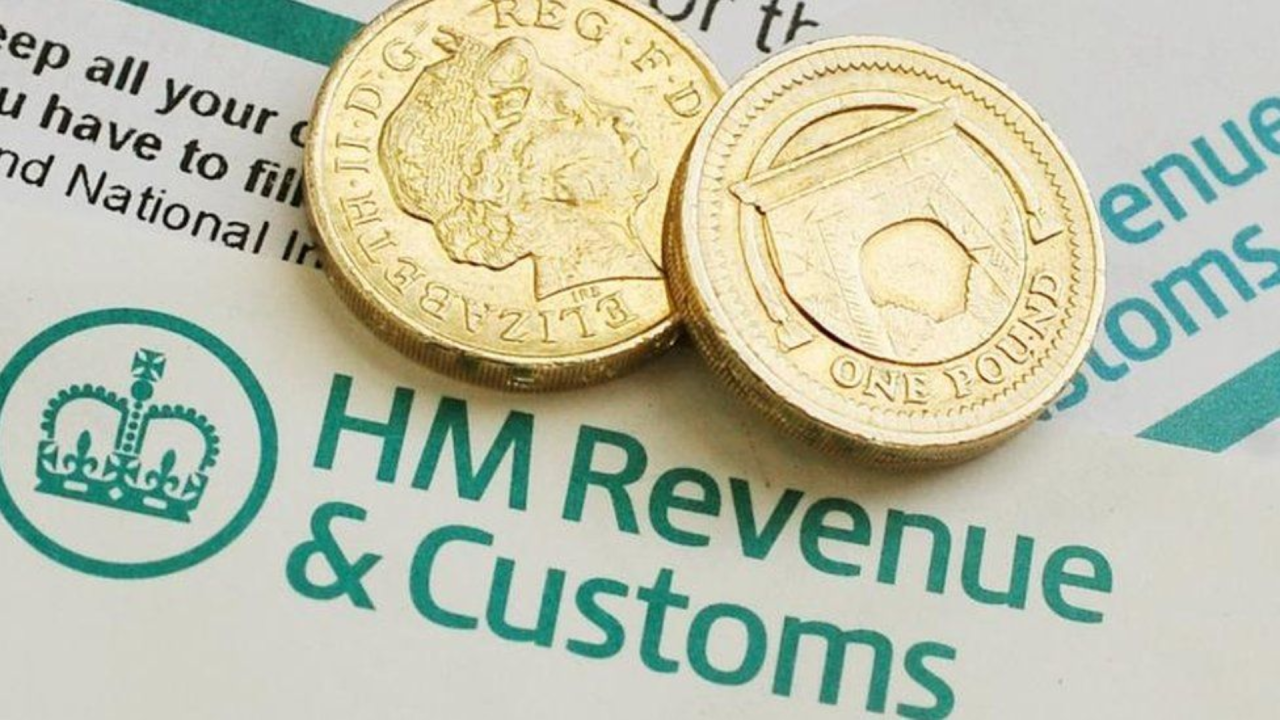
HMRC stands for His Majesty's Revenue and Customs. It is a non-ministerial UK government department responsible for collecting taxes and managing customs-related responsibilities.
The organisation was established in 2005 following the merger of the Inland Revenue and HM Customs and Excise. Its main purpose is to collect money that supports public services while helping individuals and businesses meet their tax obligations.
HMRC also administers selected financial support programmes, including Child Benefit and certain statutory payments.
Its responsibilities affect millions of people across the UK, from employees receiving monthly salaries to large companies managing complex tax requirements.
Key Facts About HMRC
Key Information | Details | Main Responsibility | Importance |
|---|---|---|---|
Full Name | HM Revenue & Customs | UK tax administration | Official government department |
Established | 2005 | Combined two former departments | Modern tax administration |
Headquarters | London, United Kingdom | National operations | Supports UK-wide services |
Main Purpose | Tax and customs administration | Collecting government revenue | Funds public services |
Official Website | GOV.UK | Online guidance and services | Access to tax information |
HMRC operates under government legislation and works alongside HM Treasury, which leads on strategic tax policy.
What Does HMRC Do?
HMRC manages several important areas of the UK's tax and customs system. Its work includes collecting revenue, supporting taxpayers, administering certain payments and ensuring that tax rules are followed.
1. Collecting Taxes
One of HMRC's primary responsibilities is collecting taxes from individuals and businesses.
These taxes contribute to public spending, including healthcare, education, infrastructure and other government services.
Major taxes administered by HMRC include:
Income Tax
Corporation Tax
Capital Gains Tax
Inheritance Tax
Value Added Tax (VAT)
National Insurance contributions
Certain environmental and excise taxes
2. Managing National Insurance
National Insurance contributions help fund certain UK social security benefits and the State Pension system.
Employees, employers and eligible self-employed individuals may need to make National Insurance contributions depending on their circumstances and applicable rules.
3. Managing Customs Duties
HMRC also handles customs responsibilities connected with goods entering and leaving the UK.
Its work includes collecting import duties, administering import VAT and supporting legitimate international trade.
4. Providing Financial Support
HMRC administers selected government support programmes, including Child Benefit and certain statutory payments.
These services help eligible individuals and families access financial support according to government rules.
Main Services Provided by HMRC
HMRC offers a variety of services designed to help people understand and manage their tax responsibilities.
HMRC Service | What It Does | Who May Need It | Main Benefit |
|---|---|---|---|
PAYE | Manages Income Tax through salaries | Employees and employers | Tax deducted from wages |
Self Assessment | Reports income and calculates tax | Self-employed people and other eligible taxpayers | Annual tax reporting |
VAT | Manages Value Added Tax | VAT-registered businesses | VAT reporting and payments |
National Insurance | Manages contribution records | Employees and eligible self-employed people | Contribution tracking |
Child Benefit | Administers eligible family payments | Eligible parents and guardians | Financial support |
Corporation Tax | Manages company profits taxation | Limited companies and certain organisations | Business tax compliance |
Each service has its own eligibility requirements, deadlines and reporting procedures. Users should check the latest official guidance before submitting information or making payments.
required | Creates access to the tax system | Complete HMRC registration | |
Income Records | Maintain income information | Supports accurate reporting | Keep relevant documents |
Tax Return | Report taxable income | Calculates tax liability | Submit the return |
Payment | Pay tax owed by the deadline | Avoids late-payment consequences | Check payment options |
Keeping organised financial records throughout the year can make the Self Assessment process easier.
What Is PAYE and How Does HMRC Manage It?

PAYE stands for Pay As You Earn. It is the system through which employers deduct Income Tax and National Insurance contributions from employees' salaries.
Instead of paying all their employment-related tax through an annual return, most employees have tax deducted before receiving their take-home pay.
Employers report payroll information to HMRC and use employees' tax codes to calculate deductions.
How PAYE Works
An employee receives a salary from their employer.
The employer calculates the required tax and National Insurance deductions.
The deductions are reported through the payroll system.
The employee receives their remaining salary.
HMRC uses reported information to maintain the employee's tax records.
Employees can check their tax codes, income details and employment information through HMRC's online services.
HMRC Online Services: Managing Tax Digitally
HMRC provides online services that allow individuals and businesses to manage many tax-related activities without relying entirely on paper forms or postal communication.
Users can access relevant services through the official GOV.UK website and the HMRC app.
Common Online Services
Online Service | Main Purpose | Suitable Users | Key Advantage |
|---|---|---|---|
Personal Tax Account | View personal tax information | Individuals | Centralised tax details |
Business Tax Account | Manage business tax services | Businesses | Business tax management |
HMRC App | Access selected tax services | Individuals | Convenient mobile access |
Self Assessment Online | Submit and manage tax returns | Eligible taxpayers | Digital tax reporting |
VAT Online Account | Submit VAT returns and manage VAT | VAT-registered businesses | Online VAT administration |
Online services can make routine tax administration more convenient. However, users should always access HMRC through official GOV.UK links and protect their account credentials.
Making Tax Digital: HMRC's Move Towards Digital Tax Reporting
Making Tax Digital (MTD) is one of the UK's major tax administration modernisation programmes.
Its aim is to encourage digital record-keeping and make tax reporting more accurate and efficient.
The programme is being introduced in stages, with requirements depending on the type of tax and the taxpayer's circumstances.
Making Tax Digital for Income Tax
In April 2026, HMRC launched Making Tax Digital for Income Tax for the first group of eligible taxpayers.
The programme initially applies to qualifying self-employed individuals and landlords whose qualifying income exceeds the relevant threshold.
Instead of relying only on a traditional annual tax return, affected taxpayers use compatible software to maintain digital records and submit quarterly updates.
HMRC reported that more than 590,000 customers had signed up by the end of September 2026.
Key Features of Making Tax Digital
Digital record-keeping for affected taxpayers.
Use of compatible accounting software.
Quarterly updates of income and expenses.
Improved access to financial information.
A more structured approach to tax reporting.
Feature | Traditional Approach | Making Tax Digital | Main Difference |
|---|---|---|---|
Record Keeping | Manual or digital records | Digital records required | More structured information |
Reporting | Annual tax return | Quarterly updates plus year-end obligations | More frequent reporting |
Software | Various methods | Compatible software required | Digital integration |
Information | Often reviewed annually | Updated throughout the year | Better visibility |
Administration | Can involve manual processes | Digital submission | Greater automation |
The exact requirements depend on eligibility and the relevant MTD rules. Taxpayers should check official HMRC guidance before changing their reporting process.
HMRC for Businesses and Employers

Businesses interact with HMRC for several important responsibilities, including payroll, VAT, Corporation Tax and employee-related reporting.
Employers must also meet specific obligations when hiring staff and operating payroll systems.
Important Responsibilities for Businesses
Registering for taxes: Businesses may need to register for VAT, Corporation Tax or PAYE depending on their activities.
Managing payroll: Employers must calculate and report employee payments and applicable deductions.
Submitting returns: Companies and VAT-registered businesses must submit relevant tax returns within the required deadlines.
Maintaining records: Accurate financial records help businesses prepare returns and respond to HMRC enquiries.
Paying tax: Businesses must pay their tax liabilities according to the applicable payment schedule.
Business Tax Responsibilities
Tax or Requirement | Applies To | Main Purpose | General Responsibility |
|---|---|---|---|
Corporation Tax | Companies with taxable profits | Tax on company profits | Report and pay applicable tax |
VAT | VAT-registered businesses | Tax on qualifying goods and services | Submit VAT returns |
PAYE | Employers | Payroll tax administration | Report employee payments |
National Insurance | Employers and eligible workers | Social security contributions | Pay applicable contributions |
Customs Duty | Relevant importers | Duties on imported goods | Meet customs requirements |
Understanding these responsibilities can help businesses maintain accurate records and avoid unnecessary compliance problems.
How to Contact HMRC
Individuals and businesses can contact HMRC through different channels depending on the service they need.
The GOV.UK website provides official contact details, online forms, guidance and service-specific support.
Available Contact Methods
Online services: Access tax accounts and submit relevant information.
HMRC app: Use selected mobile services.
Telephone support: Contact the relevant HMRC department using its official number.
Postal communication: Send documents where the service requires or permits it.
Online guidance: Find answers through official GOV.UK tax information.
Before contacting HMRC, it can be helpful to prepare relevant information such as a National Insurance number, tax reference or business details, depending on the enquiry.
People should never share passwords or security codes with someone claiming to represent HMRC.
Important HMRC Updates and Developments in 2026
HMRC continues to modernise tax administration and improve the way individuals and businesses interact with government services.
One significant development in 2026 has been the introduction of Making Tax Digital for Income Tax for the first eligible group.
HMRC has also reported improvements to its online PAYE services, including clearer information for pension customers and guidance on untaxed interest.
These developments reflect a wider move towards digital tax administration and more accessible online information.
Key Areas of Development
Development | Area | Main Objective | Potential Impact |
|---|---|---|---|
Making Tax Digital | Income Tax | Digital record-keeping and reporting | Changes for eligible taxpayers |
PAYE Improvements | Employment tax | Clearer online information | Better access to tax details |
Online Services | Digital administration | Improve customer experience | More convenient access |
Debt Management | Tax collection | Improve debt administration | More structured debt handling |
Tax rules and implementation dates can change. Individuals and businesses should review official announcements rather than relying on outdated information or unofficial social media posts.
Tips for Managing Your HMRC Tax Responsibilities
Managing tax responsibilities becomes easier when financial information is organised and important deadlines are monitored.
Here are some practical steps:
Keep accurate records: Save invoices, receipts, payroll details and relevant financial documents.
Check your tax code: Review your tax information to identify possible errors.
Know your deadlines: Understand when returns and payments are due.
Use official services: Access tax accounts through GOV.UK.
Keep information updated: Report relevant changes when required.
Use suitable accounting software: Digital tools can help organise business finances.
Check official guidance: Tax rules can change, so verify information regularly.
For additional digital productivity support, you can also explore free online tools on AltFTool to discover useful tools for calculations, document management and everyday online tasks.
Why Is HMRC Important for the UK Economy?
HMRC plays an essential role in supporting the UK's public finances. Taxes collected through its administration contribute to funding public services and government programmes.
Its customs responsibilities also support international trade by managing relevant duties and helping ensure that import and export requirements are followed.
For individuals, HMRC provides a framework for paying tax and accessing selected financial support. For businesses, it establishes reporting and payment responsibilities that help maintain a functioning tax system.
As digital services expand, HMRC's ability to provide accessible information and efficient administration will remain important for taxpayers across the country.
FAQs
Natalie Portman is an Israeli-born American actress, director and producer known for films such as Black Swan, Star Wars, Jackie and Thor.
She was born on June 9, 1981, in Jerusalem, Israel.
She won the Academy Award for Best Actress for her performance in Black Swan (2010), at the 2011 ceremony.
Yes. She graduated from Harvard University in 2003 with a bachelor's degree in psychology.
Sources and notes
Links the author listed for this post.
Information compiled from the Academy Awards, Golden Globes, Cannes Film Festival, Deauville American Film Festival and Tiffany & Co. newsroom
More on AltFTool
- AltFTool (opens in a new tab)
altftool.com


Discussion
0 comments
No comments yet
Discussion will appear here once it loads.