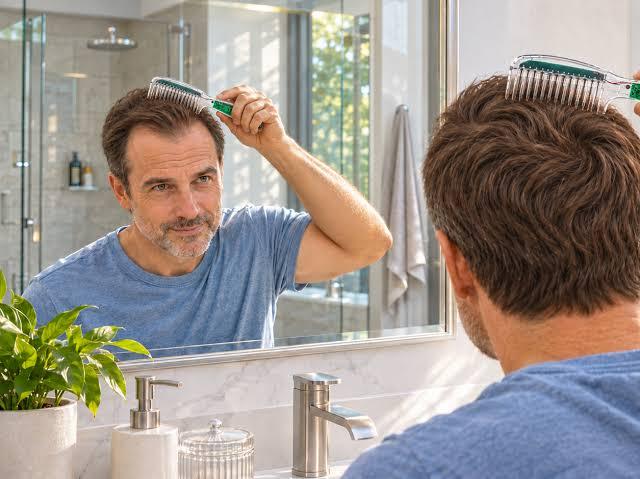
Hair thinning, excessive hair fall and slow hair growth are common concerns for people looking to maintain healthy, fuller-looking hair. With advancements in personal care technology, electric combs have become an interesting addition to modern hair-care routines. These devices are designed to make scalp care easier by combining traditional combing with features such as vibration, massage, heat or light-based technology.
But can an electric comb actually help with hair growth? The answer depends on the type of device. Some electric combs are primarily designed to massage the scalp, while specialised laser or red-light combs have been studied for certain types of hereditary hair loss.
Understanding how these devices work, what research says and how to choose the right option can help you make a more informed decision.
What Is an Electric Comb for Hair Growth?
An electric hair growth comb is a battery-powered or rechargeable grooming device designed to provide additional scalp-care functions beyond ordinary combing.
Depending on its technology, it may use gentle vibrations, massage movements, warming features or low-level light therapy. These functions are intended to improve the scalp-care experience, although their ability to encourage new hair growth varies.
Some devices are marketed as hair-growth solutions, but not every product has clinical evidence supporting its claims.
Different Types of Electric Hair Growth Combs
Comb Type | Main Technology | Intended Purpose | Evidence |
|---|---|---|---|
Vibrating Comb | Mechanical vibration | Scalp massage | Limited hair-growth evidence |
Electric Massage Comb | Moving massage nodes | Relaxation and scalp stimulation | Not established as a hair-loss treatment |
Laser Hair Comb | Low-level laser light | Support hair regrowth | Some clinical evidence |
Red-Light Comb | Red-light technology | Stimulate hair follicles | Promising but device-dependent |
Understanding these differences is important because an ordinary vibrating comb is not the same as a clinically studied laser hair-growth device.
How Does an Electric Hair Growth Comb Work?
Electric hair combs use different technologies depending on their design. Some focus on scalp massage, while others deliver light energy to the scalp.
1. Scalp Massage and Vibration
Electric massage combs use gentle vibrations or moving nodes to massage the scalp. The sensation can make hair-care routines more relaxing and help distribute pressure across different areas of the scalp.
Scalp massage is sometimes associated with improved circulation, but there is not enough strong clinical evidence to establish that ordinary electric massage combs independently produce meaningful hair regrowth.
2. Low-Level Laser Therapy (LLLT)
Laser hair-growth combs use low-level light energy to target the scalp. This technology is also called photobiomodulation.
Some clinical studies have found improvements in hair density among people with hereditary hair loss who used specific laser devices regularly.
The American Academy of Dermatology reports that research on at-home laser combs has shown promising results, although not everyone experiences hair regrowth and more research is needed.
3. Red-Light Technology
Certain electric combs use red-light technology rather than traditional laser-based systems.
Red-light devices are designed to deliver specific wavelengths of light to the scalp. Some devices have been cleared by the US FDA for particular hair-loss indications.
However, results depend on the device, its specifications, treatment schedule and the individual's hair-loss condition.
Potential Benefits of Using an Electric Comb
Electric combs can offer several hair-care benefits, although it is important to distinguish general scalp-care advantages from clinically demonstrated hair-growth results.
1. Convenient Scalp Care
An electric comb can make scalp massage easier compared with manually massaging the scalp using your fingertips. Rechargeable designs also make these devices convenient for regular home use.
2. Relaxing Massage Experience
Vibrating and massage-based combs can provide a relaxing sensation. Some users may find them helpful as part of a regular self-care routine.
3. Potential Support for Hair Regrowth
Specialised low-level laser combs have demonstrated potential benefits for people experiencing hereditary hair loss.
However, these results should not be applied to every electric comb available in the market.
4. Easy Home Treatment
Certain laser and red-light devices allow users to follow a treatment schedule at home without regularly visiting a clinic.
5. Additional Hair-Care Features
Some models include rechargeable batteries, adjustable vibration settings and other convenience features. These additions may improve usability but do not automatically make a product more effective for hair growth.
Electric Comb vs Traditional Hair Comb
Both traditional and electric combs can be part of a hair-care routine, but they serve different purposes.
Feature | Traditional Comb | Electric Comb | Laser Hair Comb |
|---|---|---|---|
Power Source | Manual | Battery or USB | Battery or electrical |
Main Function | Detangling | Massage or vibration | Light therapy |
Scalp Massage | Manual | Often available | Depends on design |
Hair Growth Evidence | No direct treatment evidence | Limited | Some clinical evidence |
Maintenance | Simple cleaning | Cleaning and charging | Device-specific care |
A traditional comb is generally sufficient for everyday grooming. An electric massage comb adds convenience, while a specialised laser comb is intended for a different purpose.
How to Choose the Right Electric Comb for Hair Growth
Choosing an electric hair comb requires more than looking at its appearance or advertised features. Consider the technology, safety information, comfort and evidence behind its claims.
1. Identify the Technology
First, determine whether the device uses vibration, massage, heat, LED light or laser technology.
If your primary goal is addressing hereditary hair thinning, look for a device with clinical evidence for its specific light-based technology.
2. Check Product Specifications
Review the product's technical information before purchasing. For light-based devices, check the wavelength, power specifications and treatment instructions.
Avoid products that advertise guaranteed hair regrowth without providing credible supporting evidence.
3. Consider Comfort and Design
A comfortable handle, manageable weight and suitable comb-tooth design can make regular use easier.
Choose a device that does not pull, scratch or irritate your scalp.
4. Review Safety Information
Read the manufacturer's instructions and warnings. Some light-based devices have specific precautions relating to eye exposure and medical conditions.
If you have scalp inflammation, an infection or an existing skin condition, consult a dermatologist before using an electrical scalp device.
5. Understand the Cost
Compare the device's features, warranty, replacement components and expected maintenance requirements.
A higher price does not necessarily indicate better clinical performance.
Important Buying Checklist
Buying Factor | What to Check | Why It Matters | Recommendation |
|---|---|---|---|
Technology | Massage, LED or laser | Determines intended use | Match your needs |
Safety | Manufacturer instructions | Helps prevent misuse | Read warnings |
Design | Weight and comb teeth | Affects comfort | Choose gently designed teeth |
Evidence | Clinical studies | Supports product claims | Verify independently |
How to Use an Electric Comb Safely
The correct usage method depends on the type of electric comb you purchase. Always follow the manufacturer's instructions rather than assuming every model works in the same way.
Step-by-Step Usage Guide
Step 1: Start with a Clean Scalp
Keep your scalp clean and free from excessive product buildup. Follow the device instructions regarding whether it should be used on dry or damp hair.
Step 2: Detangle Your Hair
Gently remove knots before using the device. This reduces unnecessary pulling and breakage.
Step 3: Divide Your Hair into Sections
Separate your hair into manageable sections if required. This can make it easier to reach the scalp without repeatedly passing the device through the same area.
Step 4: Select the Appropriate Setting
Choose a comfortable setting for massage-based devices. For laser or red-light devices, follow the recommended treatment schedule and duration.
Step 5: Move the Comb Gently
Avoid applying excessive pressure or scratching your scalp. Stop if you experience pain, irritation or unusual discomfort.
Step 6: Clean and Store the Device
Remove loose hair and clean the device according to its manufacturer's guidelines. Store it in a dry and safe place.
Does an Electric Comb Really Help Hair Growth?
This is one of the most important questions to consider before purchasing an electric hair comb.
The answer depends on the technology.
Ordinary vibrating and massage combs may provide a relaxing scalp-care experience, but there is insufficient high-quality evidence that they independently reverse hair loss or stimulate substantial new hair growth.
Specialised low-level laser therapy devices have more encouraging research behind them.
The American Academy of Dermatology describes a study involving more than 200 men and women with hereditary hair loss. Participants used either a laser hair comb or a similar-looking sham device three times weekly for 26 weeks. Some participants using the laser device experienced thicker and fuller hair.
However, results were not universal.
Factors That Influence Hair Growth Results
Factor | How It Matters | Possible Effect | Important Note |
|---|---|---|---|
Hair-Loss Cause | Different conditions need different treatments | Results vary | Diagnosis is important |
Device Technology | Massage and laser work differently | Different outcomes | Check specifications |
Consistency | Some devices require repeated sessions | May influence results | Follow instructions |
Overall Health | Nutrition and medical conditions matter | Can affect hair health | Seek medical advice |
Hair growth is a gradual process, so do not expect immediate results from an electric comb.
Electric Comb vs Other Hair Growth Treatments
Electric combs are only one option among several approaches to managing hair loss. Established treatments may be more appropriate depending on the underlying cause.
Common Hair Growth Options
Treatment | How It Works | Potential Benefit | Important Consideration |
|---|---|---|---|
Minoxidil | Medication applied to the scalp | Supports hair regrowth | Requires consistent use |
Laser Therapy | Low-level light energy | May improve hair density | Device-dependent results |
Finasteride | Prescription medication | Helps manage male pattern hair loss | Requires medical advice |
PRP Therapy | Platelet-rich plasma injections | May support hair regrowth | Requires clinical sessions |
Minoxidil is an established treatment for certain types of hair loss. The American Academy of Dermatology notes that visible improvement can take approximately six to twelve months.
Prescription treatments such as finasteride require a discussion with a qualified healthcare professional because they can have side effects and are not suitable for everyone.
An electric comb should not be considered a replacement for an appropriate medical treatment.
Possible Side Effects and Precautions
Most ordinary electric massage combs are designed for external scalp use, but incorrect handling can still cause discomfort.
Potential concerns include:
Scalp irritation: Excessive pressure or rough comb teeth may irritate sensitive skin.
Hair breakage: Pulling the device through tangled hair can damage strands.
Excessive heat: Heated devices may cause discomfort or damage if used incorrectly.
Light sensitivity: Certain light-based devices require specific precautions.
Unrealistic expectations: Marketing claims may promise results that have not been scientifically established.
Avoid using a device over broken, irritated or infected skin unless a healthcare professional advises otherwise.
If you notice sudden hair loss, bald patches, scalp pain or persistent itching, consult a dermatologist rather than relying only on an at-home device.
Natural Ways to Support Healthy Hair Growth
An electric comb alone cannot address every cause of hair loss. Maintaining healthy hair-care habits can support overall scalp and hair health.
1. Maintain a Balanced Diet
Hair health depends on adequate nutrition. Include protein-rich foods, vegetables, fruits and other nutrient-dense options in your regular meals.
2. Avoid Excessive Heat Styling
Frequent use of high-temperature styling tools can weaken hair strands and increase breakage.
3. Choose Gentle Hair-Care Products
Use suitable shampoos and conditioners based on your hair type. Avoid aggressive brushing and tight hairstyles that pull on the roots.
4. Manage Stress
Long periods of physical or emotional stress can contribute to certain types of hair shedding. Maintaining healthy sleep and lifestyle habits can support overall well-being.
5. Check for Nutritional Deficiencies
Iron, zinc and other nutritional deficiencies may contribute to hair loss. Supplements should be taken when a deficiency is identified and a healthcare professional recommends them.
Is an Electric Hair Growth Comb Worth Buying?
An electric comb may be worth considering if you want a convenient scalp-massage tool or are interested in a specialised light-based hair-care device.
However, your expectations should match the technology.
An ordinary vibrating comb is primarily a grooming and massage accessory. A clinically studied laser comb may offer additional benefits for certain people with hereditary hair loss, but it is not guaranteed to work for everyone.
Before investing in an expensive device, identify the cause of your hair loss, research the product's evidence and compare it with established treatment options.
The most effective approach is one that addresses the underlying cause rather than relying entirely on a single beauty gadget.
Frequently Asked Questions (FAQs)
Some specialised low-level laser combs have shown promising results for hereditary hair loss. Ordinary vibrating massage combs do not have strong evidence proving that they stimulate hair regrowth.
Usage depends on the device. Follow the manufacturer's instructions, particularly for laser and red-light products, as treatment schedules vary.
They serve different purposes. Laser combs use light-based technology and have some clinical evidence for hereditary hair loss, while vibrating combs primarily provide scalp massage.
No electric comb can guarantee permanent prevention of hair loss. Results depend on the underlying cause and the treatment being used.
Sources and notes
Links the author listed for this post.
Journal of Cosmetic and Laser Therapy – Laser and Light-Based Treatments for Hair Loss.
More on AltFTool
- AltFTool (opens in a new tab)
altftool.com


Discussion
0 comments
No comments yet
Discussion will appear here once it loads.