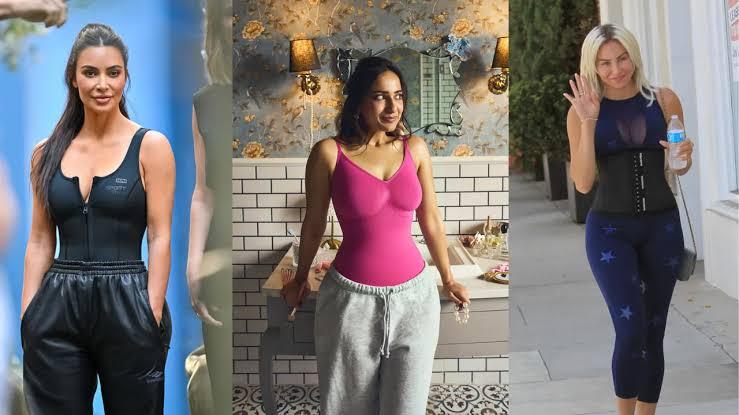
Shapewear has changed significantly over the years. Once considered a special-occasion garment designed mainly to create a smoother silhouette, it has gradually become part of everyday fashion. Modern shapewear is no longer focused only on changing how clothing looks on the body. It is also designed to support comfort, flexibility, confidence, and convenience throughout the day.
Today's consumers expect clothing to serve multiple purposes. They want garments that look good, feel comfortable, and fit naturally into their daily routines. This shift has encouraged shapewear brands to rethink traditional designs and introduce softer fabrics, breathable materials, flexible construction, and more inclusive sizing.
Modern shapewear is also becoming more versatile. People now wear it under work outfits, casual clothing, dresses, and even certain everyday apparel. Instead of treating it as something that needs to be worn only occasionally, many consumers see it as another practical clothing option.
Explore AltFTool for free online tools, helpful calculators, and digital resources designed to make everyday tasks simpler, smarter, and more convenient.
This evolution reflects a broader change in the fashion industry. Appearance still matters, but comfort and personal choice are becoming equally important. Modern shapewear is moving towards a more balanced approach where wearability, body confidence, and functionality work together.
The Evolution of Shapewear in Modern Fashion
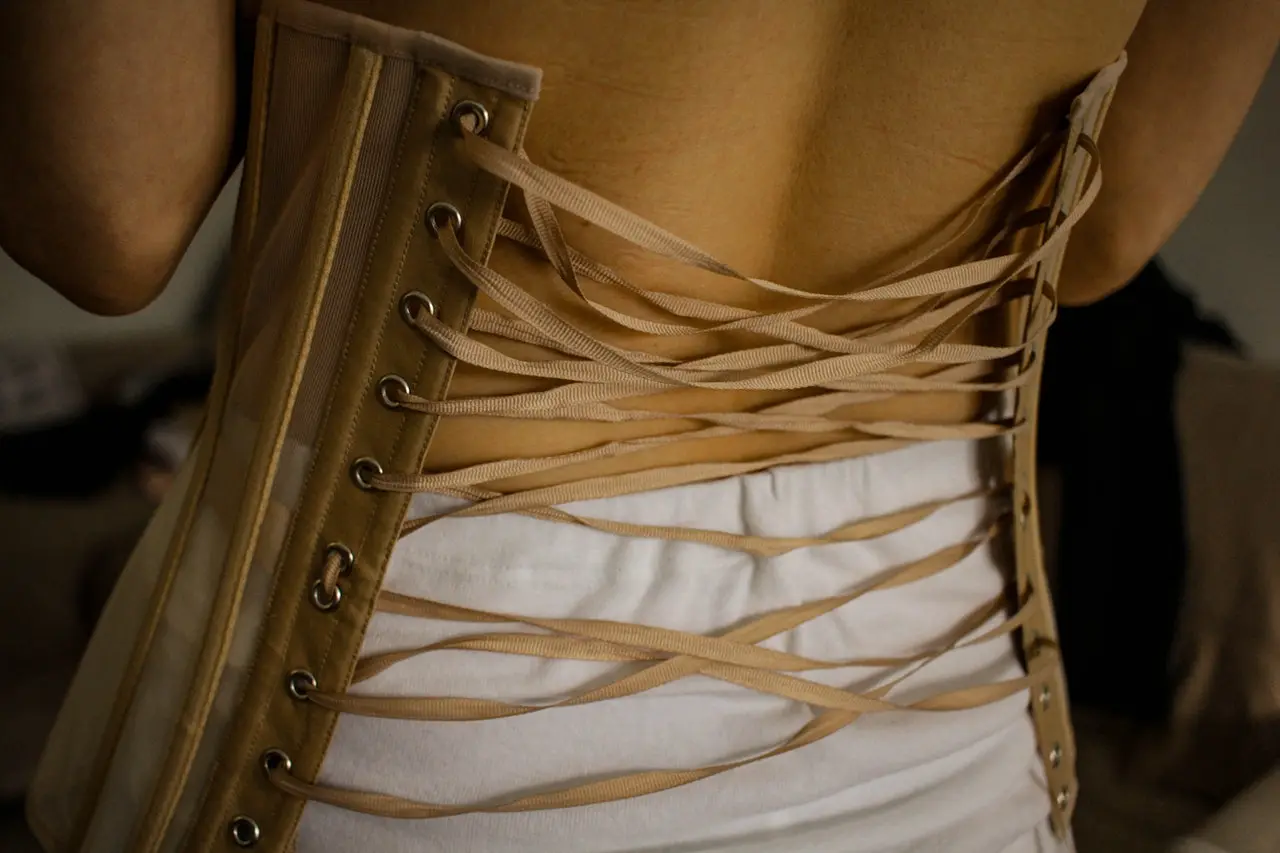
Traditional shapewear was often associated with firm compression and structured designs. Its main purpose was to create a particular silhouette under fitted clothing. While these garments served their intended purpose, they were not always suitable for extended wear.
Some older designs used rigid materials, tight waistbands, and restrictive construction. These features could make sitting, walking, bending, and completing everyday activities uncomfortable.
Modern shapewear has developed in response to changing consumer expectations. Designers now focus on creating garments that move naturally with the body. Stretch fabrics, seamless construction, and softer compression have become important elements of contemporary designs.
The purpose of shapewear has also expanded. Rather than focusing exclusively on shaping specific areas, modern products may provide light support, smooth clothing lines, and a comfortable fit.
This transformation shows how fashion products can evolve when brands pay attention to real consumer needs. People increasingly want clothing that works with their lifestyles instead of requiring them to adjust their routines around what they wear.
Comfort Is Becoming a Primary Design Priority
Comfort is one of the biggest factors influencing the modern shapewear market. Consumers are less interested in garments that look effective but feel uncomfortable after a few hours.
Everyday wearability requires clothing to remain comfortable during different activities. A person may wear shapewear while commuting, working at a desk, attending meetings, shopping, or spending time with friends. The garment should not become an unnecessary source of discomfort during these activities.
Manufacturers are responding by improving fabric softness, stretch, breathability, and overall garment construction.
Softer Compression for Daily Activities
Compression remains an important feature of shapewear, but modern designs increasingly offer different levels of support.
Light-compression garments are generally designed for gentle smoothing and everyday comfort. Medium-compression options provide a more noticeable level of support, while firmer designs are intended for people who prefer a stronger shaping effect.
The most suitable option depends on personal preference, the garment's construction, and the intended use. Stronger compression is not automatically better. A comfortable fit that allows natural movement is often more practical for regular wear.
Flexible Materials That Move With the Body
Stretchable materials help shapewear adapt to different movements. Fabrics containing elastane or similar stretch fibres can provide flexibility while helping garments maintain their shape.
This flexibility matters because the body changes position throughout the day. Comfortable shapewear should allow people to sit, walk, bend, and move without feeling excessively restricted.
Breathable Fabrics Are Changing Everyday Shapewear
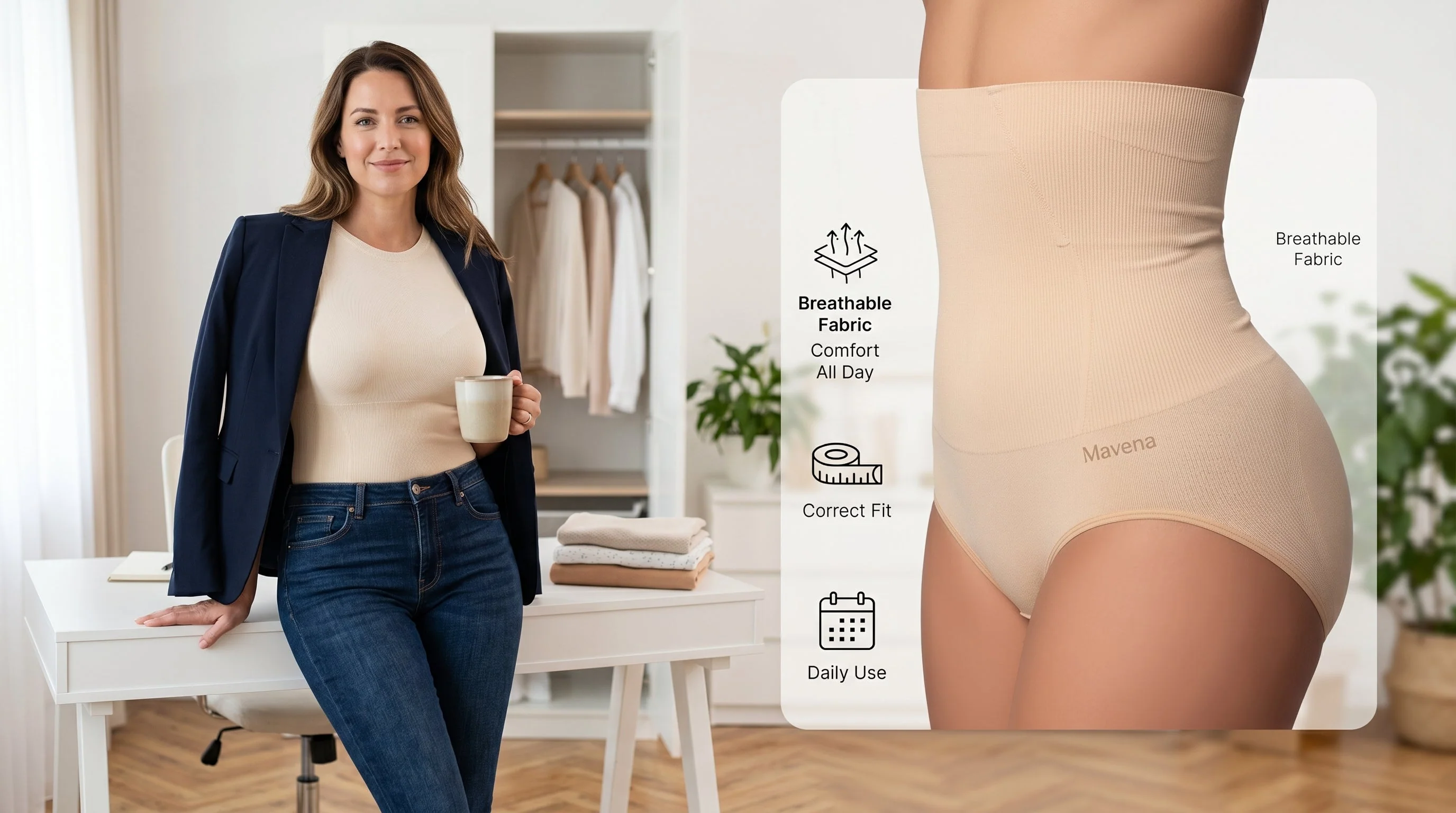
Fabric selection plays an important role in determining whether shapewear is suitable for extended wear. Traditional garments sometimes prioritised firm structure over ventilation, which could make them feel warm or uncomfortable.
Modern designs increasingly use lightweight and breathable materials to improve the wearing experience.
Moisture Management and Airflow
Breathable fabrics can help reduce the feeling of trapped heat. Some materials are designed to move moisture away from the skin, helping the garment feel more comfortable during normal daily activities.
Mesh panels and lightweight fabric sections may also improve airflow in selected designs.
However, breathability depends on the complete garment, not just its material label. Fabric thickness, construction, fit, and the amount of coverage all influence how comfortable a product feels.
Lightweight Construction
Heavy or excessively thick shapewear can become difficult to wear under everyday clothing. Modern lightweight options aim to provide support without adding unnecessary bulk.
This is particularly useful when wearing fitted tops, trousers, skirts, or dresses. A lighter garment can feel less noticeable and may be easier to incorporate into an everyday wardrobe.
Seamless Designs and Invisible Finishes
Seamless construction is another important development in modern shapewear. Visible stitching, thick edges, and raised seams can sometimes appear through fitted clothing.
Seamless designs aim to create smoother transitions between the garment and the body. They are often made using stretchable materials and specialised knitting techniques.
A Smoother Appearance Under Clothing
Seamless shapewear can help reduce the visibility of garment edges beneath certain outfits. This makes it suitable for people who prefer a clean finish under fitted dresses, leggings, trousers, and skirts.
The effectiveness depends on the product's design and the clothing worn over it. A suitable size is also important because garments that are too tight may create additional lines or discomfort.
Greater Freedom in Outfit Selection
Modern shapewear is available in different lengths, colours, and designs. Consumers can select products according to their clothing preferences instead of relying on a single traditional style.
For example, shorts-style shapewear may work well under dresses, while high-waisted designs may be preferred under trousers or skirts. Bodysuits can provide coverage across the torso, depending on their construction.
Shapewear Is Becoming More Versatile
One of the biggest changes in the category is its movement towards multifunctional clothing. Modern shapewear is increasingly designed to work with different outfits and everyday situations.
Instead of purchasing a garment for one particular event, consumers may look for pieces that can be used in several ways.
From Special Occasions to Everyday Outfits
Shapewear was traditionally associated with weddings, formal events, parties, and other occasions when people wanted a particular appearance under fitted clothing.
Today, its use has expanded to everyday outfits. Some people wear light-support garments under office clothing, casual dresses, jeans, or workwear.
This change does not mean everyone needs shapewear daily. Rather, it reflects the availability of more comfortable options for consumers who choose to wear it.
Designs That Fit Different Clothing Styles
Different outfits require different types of shapewear. A product suitable for a fitted dress may not be the most practical option under casual trousers.
Brands are therefore offering multiple garment styles to meet different clothing needs.
Some designs focus on the waist and abdomen, while others provide coverage across the hips, thighs, or torso. The variety allows consumers to make choices based on comfort, outfit requirements, and personal preference.
Understanding Different Types of Modern Shapewear
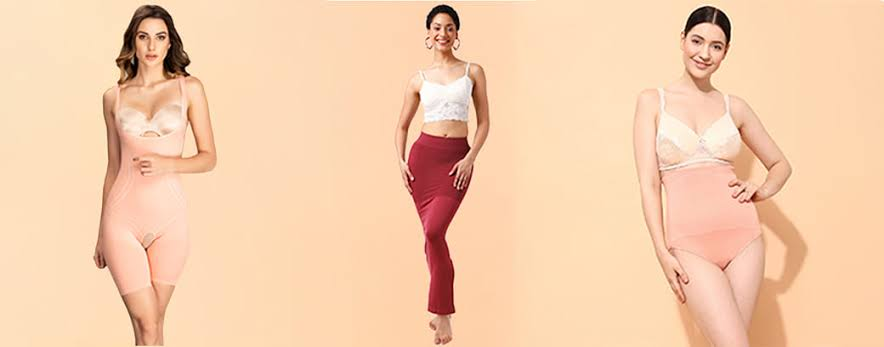
The modern market includes several shapewear styles, each designed for a different purpose. Understanding these options can make it easier to select a garment that fits comfortably into an everyday wardrobe.
Shapewear Type | Main Purpose | Common Outfit Pairing | Everyday Wearability |
|---|---|---|---|
High-Waisted Shorts | Smooths the waist, hips, and thighs | Dresses, skirts, and trousers | Suitable when the fit and fabric are comfortable |
Shaping Bodysuit | Provides coverage across the torso | Tops, dresses, and formal outfits | Depends on fastening, fabric, and support level |
Shaping Briefs | Offers light or medium support around the waist and hips | Jeans, trousers, and skirts | Often practical for regular use |
Shaping Camisole | Provides gentle smoothing around the upper body | Shirts, tops, and dresses | Useful as a layering garment |
The table highlights how different styles serve different wardrobe needs. Consumers should consider the garment's purpose rather than selecting a product only because of its appearance.
Inclusive Sizing Is Expanding Consumer Choice
Body diversity is becoming a more visible part of modern fashion. Consumers increasingly expect clothing brands to recognise that bodies have different shapes, proportions, and fit requirements.
Shapewear is part of this change. A wider range of sizes and more thoughtful garment construction can help more people find products that suit their bodies.
Better Fit Across Different Body Shapes
Sizing is particularly important in shapewear because these garments are designed to fit closely against the body.
A product that is too small may feel restrictive, while one that is too large may not provide the intended level of support. Both situations can affect comfort and performance.
Modern brands are paying more attention to size charts, stretch properties, and garment measurements. Some also offer different lengths or design variations to accommodate different body proportions.
Moving Away From One Standard Body Ideal
Modern shapewear is increasingly being presented as an optional clothing choice rather than a requirement for achieving a particular body shape.
This reflects a broader shift towards personal style and body confidence. People should be able to choose garments based on how they want to dress and feel, not because they believe their natural bodies need correction.
Inclusive fashion recognises that comfort and confidence can look different for every individual.
Technology and Innovation in Shapewear Design
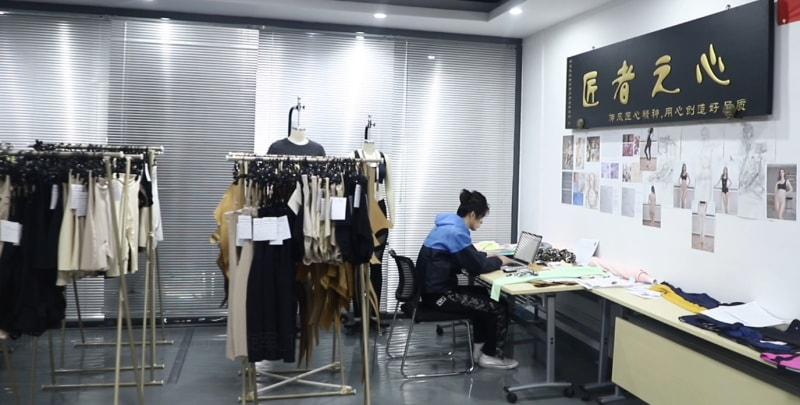
Technology is influencing how shapewear is developed and manufactured. Improvements in textile engineering, knitting methods, and garment construction allow designers to create products with different support levels and finishes.
These developments are helping brands move beyond traditional designs.
Advanced Knitting Techniques
Modern knitting techniques can create garments with different levels of stretch and support in specific areas. This allows manufacturers to design products that feel flexible in some sections while offering more structure in others.
For example, a garment may use a supportive waistband with a softer fabric around the legs. Such construction can improve comfort when compared with designs that apply the same level of pressure throughout.
Improved Fabric Blends
Fabric blends can combine softness, flexibility, durability, and shape retention. Elastane is commonly used to improve stretch, while nylon and polyester may contribute to durability and a smooth finish.
Cotton may also be included in selected designs, particularly in areas where softness and everyday comfort are important.
The right fabric combination depends on the intended garment. No single material is ideal for every shapewear product.
Better Construction and Finishing
Modern manufacturing also focuses on details such as waistband design, seam placement, leg openings, and closures.
These features can influence whether a garment rolls down, shifts during movement, or creates pressure in certain areas.
Careful construction helps make shapewear more practical for regular use.
Shapewear and the Growing Focus on Body Confidence
The conversation around shapewear is changing alongside wider discussions about fashion, comfort, and body image.
In the past, marketing often presented shapewear as a way to achieve a specific appearance. Modern conversations increasingly include comfort, personal choice, and clothing preferences.
Shapewear as a Personal Fashion Choice
Some consumers wear shapewear because they prefer a smoother finish under particular outfits. Others like the feeling of light support or the additional coverage offered by certain designs.
There is no single reason why someone may choose to wear shapewear.
It is also perfectly reasonable to avoid shapewear altogether. Everyday clothing should support personal comfort rather than create pressure to follow a particular appearance standard.
Confidence Beyond Appearance
Confidence is influenced by several factors, including comfort, personal style, and how someone feels in their clothing.
A garment that fits properly and allows natural movement may help someone feel more comfortable throughout the day. However, shapewear should not be treated as a requirement for confidence or attractiveness.
The modern approach is about giving consumers more choices and allowing them to decide what works for them.
How to Choose Shapewear for Everyday Wear
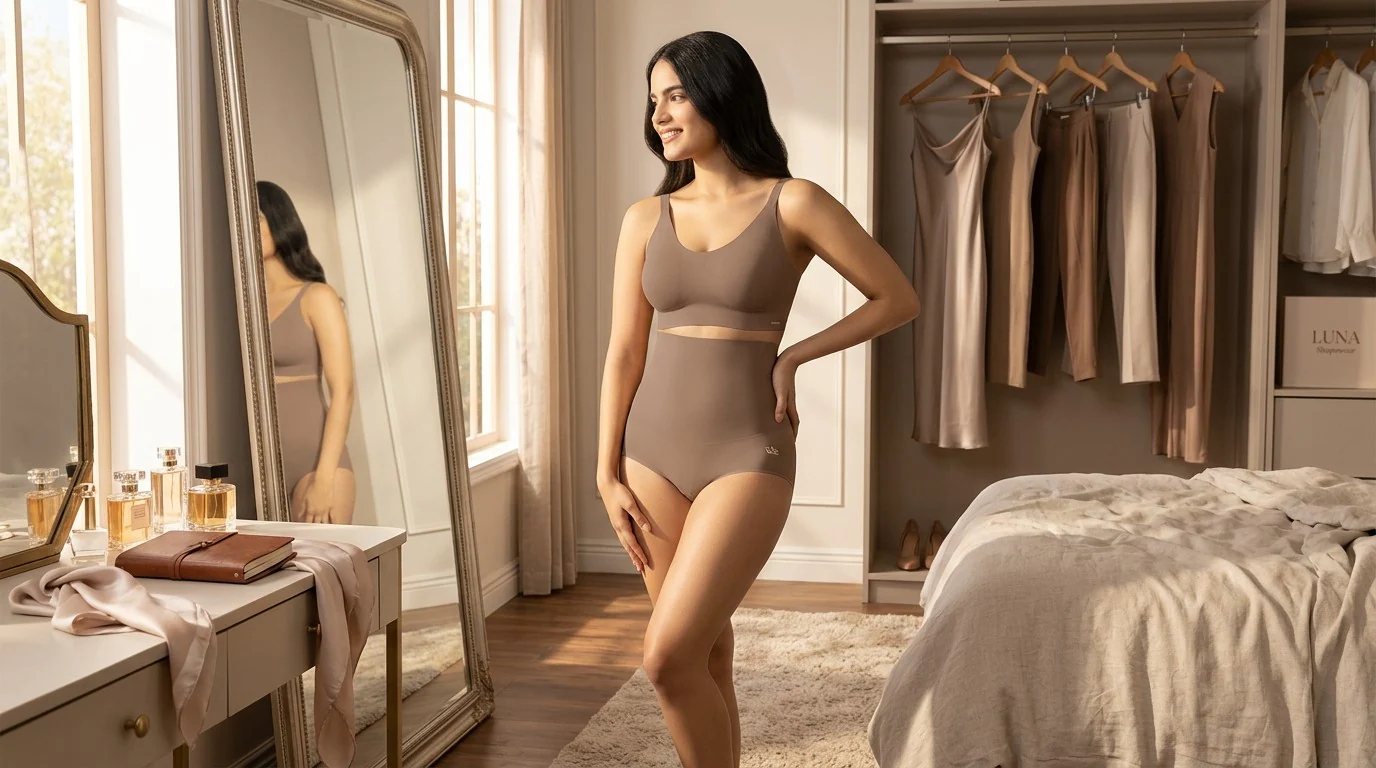
Choosing everyday shapewear involves more than selecting a style or colour. Consumers should consider the fit, material, support level, and type of clothing they plan to wear.
Select the Right Size
Choosing the correct size is one of the most important steps. Consumers should follow the brand's size chart and compare their measurements rather than automatically selecting a smaller size.
Shapewear should fit securely without causing pain, numbness, breathing difficulty, or excessive pressure.
A garment that feels uncomfortable when trying it on is unlikely to become more comfortable after several hours.
Consider the Compression Level
The desired level of compression depends on individual preference and the intended use.
Light support may be suitable for everyday outfits, while some consumers may prefer medium or firmer compression for specific clothing styles.
However, excessive compression can make movement difficult and cause discomfort. Stronger compression does not guarantee a better result.
Check Fabric Quality
Fabric quality influences comfort, durability, and the overall wearing experience.
Consumers should check whether the material feels soft, stretches comfortably, and suits the climate and intended use. Breathable materials may be particularly helpful in warm weather.
Think About the Outfit
The best shapewear style often depends on the clothing worn over it.
For example, high-waisted shorts may be practical under a dress, while shaping briefs may work better under everyday trousers. A bodysuit may be suitable when a smooth finish across the torso is preferred.
Selecting shapewear according to the outfit can reduce unnecessary bulk and improve comfort.
The Importance of Fit, Safety, and Healthy Wearing Habits
Although modern shapewear is becoming more comfortable, it is still important to pay attention to fit and how the body responds to wearing it.
Shapewear should not interfere with normal breathing, digestion, circulation, or movement. Tight garments may cause discomfort, particularly when worn for extended periods.
Consumers should remove shapewear if they experience pain, numbness, tingling, skin irritation, or breathing difficulties.
Avoid Wearing Excessively Tight Garments
A common misunderstanding is that smaller shapewear sizes provide better results. In reality, a garment that is too tight may create additional pressure and discomfort.
The correct size should follow the manufacturer's measurements and allow comfortable movement.
Give the Body Time to Rest
People do not need to wear shapewear every day. Taking breaks and choosing comfortable clothing alternatives can help maintain a balanced wardrobe.
For everyday use, garments should be selected according to personal comfort rather than pressure to achieve a particular appearance.
Maintain Proper Garment Hygiene
Shapewear sits close to the skin, making regular washing important. Consumers should follow the care instructions provided by the manufacturer.
Gentle washing and suitable drying methods can help protect stretch fibres and maintain the garment's shape. Proper storage can also prevent unnecessary stretching or damage.
The Role of Sustainability in Modern Shapewear
Sustainability is becoming an important consideration across the fashion industry, including shapewear.
Consumers are increasingly interested in products that offer durability and practical long-term value. This encourages brands to consider material selection, manufacturing processes, packaging, and product lifespan.
Durable Materials and Longer Product Life
Shapewear depends heavily on stretch fibres, which may lose elasticity if garments are poorly manufactured or incorrectly maintained.
Durable construction can help products retain their fit and support over time. Consumers can also extend garment life by following washing instructions and avoiding excessive heat when drying.
Responsible Material Choices
Some brands are exploring recycled fibres and alternative materials as part of broader sustainability efforts.
However, sustainability claims should be evaluated carefully. A product's environmental impact depends on several factors, including material production, manufacturing, transportation, durability, and disposal.
Consumers should look for clear information rather than relying only on general eco-friendly marketing language.
How Consumer Expectations Are Influencing Shapewear Brands

Changing consumer expectations are encouraging brands to rethink how they design, market, and sell shapewear.
Comfort, inclusivity, versatility, and transparency are becoming important parts of the product experience.
More Focus on Real-Life Experiences
Consumers want to understand how a product performs during normal activities. They may look for details about fabric softness, waistband stability, breathability, sizing, and how the garment feels after several hours.
This has increased the importance of clear product descriptions and realistic demonstrations.
Greater Variety in Product Collections
Brands are expanding beyond a limited selection of traditional shaping garments. Modern collections may include everyday briefs, lightweight shorts, bodysuits, camisoles, and different levels of support.
This variety allows consumers to choose products according to their preferences instead of adapting to a single standard design.
Comfort-Led Marketing
Shapewear marketing is also moving towards more practical messaging. Rather than focusing only on dramatic visual transformations, brands increasingly highlight fabric technology, movement, fit, and everyday functionality.
This approach better reflects how many consumers evaluate clothing products today.
What Does the Future of Everyday Shapewear Look Like?
The future of shapewear is likely to be shaped by the demand for clothing that combines comfort, functionality, and personal expression.
As textile technology develops, brands may introduce more lightweight materials, improved stretch recovery, better ventilation, and more adaptable garment designs.
Personalisation may also become more important. Different body proportions and clothing preferences create demand for products that offer more varied fits and support levels.
Another important development will be the continued connection between shapewear and everyday apparel. Some garments may increasingly combine the features of traditional innerwear with the appearance and functionality of regular clothing.
However, future innovation will not be measured only by how effectively a garment changes the appearance of an outfit. Consumers are likely to judge products by how comfortably they fit into daily life.
FAQ's
Modern shapewear is designed to provide a smooth appearance, flexible support, and everyday comfort. It is available in different styles, fabrics, and compression levels.
Yes, some people choose lightweight, properly fitted shapewear for everyday use. However, it should never cause pain, breathing difficulties, numbness, or excessive pressure.
Common materials include nylon, elastane, polyester, and cotton blends. These fabrics offer different combinations of stretch, softness, durability, and breathability.
Traditional shapewear often focused on firm compression and shaping. Modern designs prioritise breathable fabrics, softer materials, flexible construction, and comfortable movement.
Popular options include high-waisted shorts, shaping briefs, bodysuits, and shaping camisoles. Each style offers different coverage and can be paired with different outfits.
Sources and notes
Links the author listed for this post.
This article is based on general fashion industry trends, apparel design developments, textile innovations, and changing consumer preferences related to modern shapewear and everyday clothing.
More on AltFTool
- AltFTool (opens in a new tab)
altftool.com


Discussion
0 comments