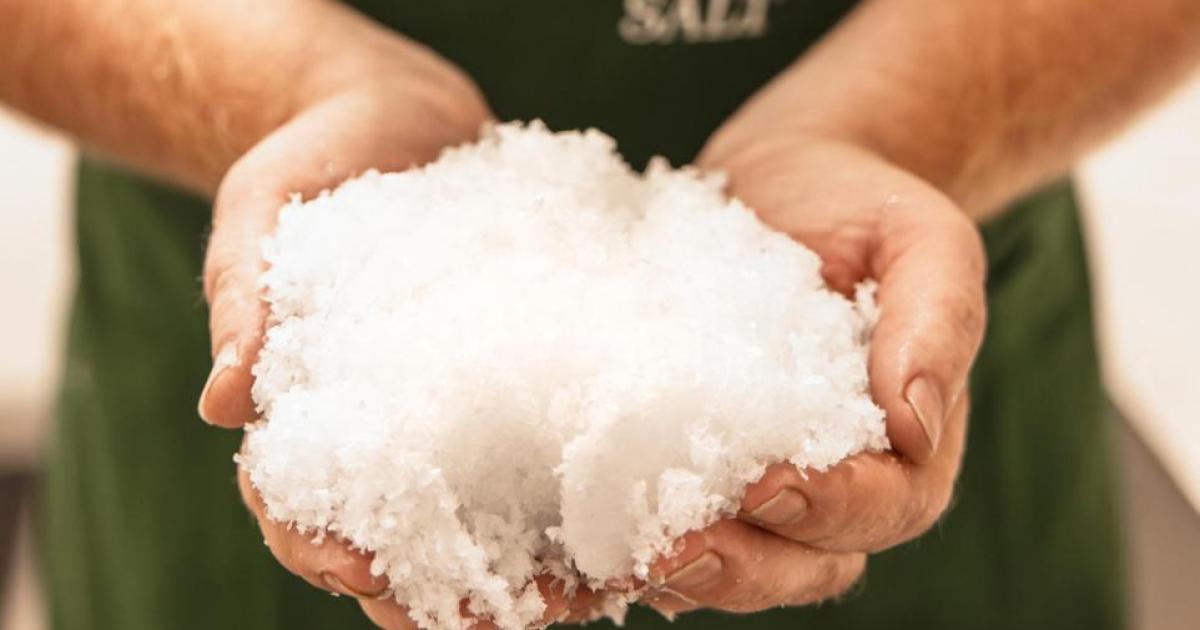
Maldon Salt, one of Britain's best-known gourmet salt brands, has recently become the centre of a growing discussion about food production, ingredient sourcing and product transparency. The company, famous for its distinctive pyramid-shaped sea salt flakes, is facing questions following an investigation that revealed the use of imported German rock salt in its manufacturing process.
The development has attracted attention because Maldon Salt has built its reputation around traditional British salt-making methods and its association with the coastal town of Maldon in Essex. For generations, the brand has been recognised by professional chefs, restaurants and home cooks for its distinctive salt crystals and premium positioning.
According to recent reporting, German rock salt supplied by mining company K+S was delivered to Maldon Salt's production facility. The company uses a traditional technique known as the salt-on-salt method, which involves adding existing salt to seawater during brine preparation.
The discovery has raised questions about how premium food brands communicate their production methods and the importance of providing clear information about ingredient origins.
What Is the Maldon Salt Controversy About?
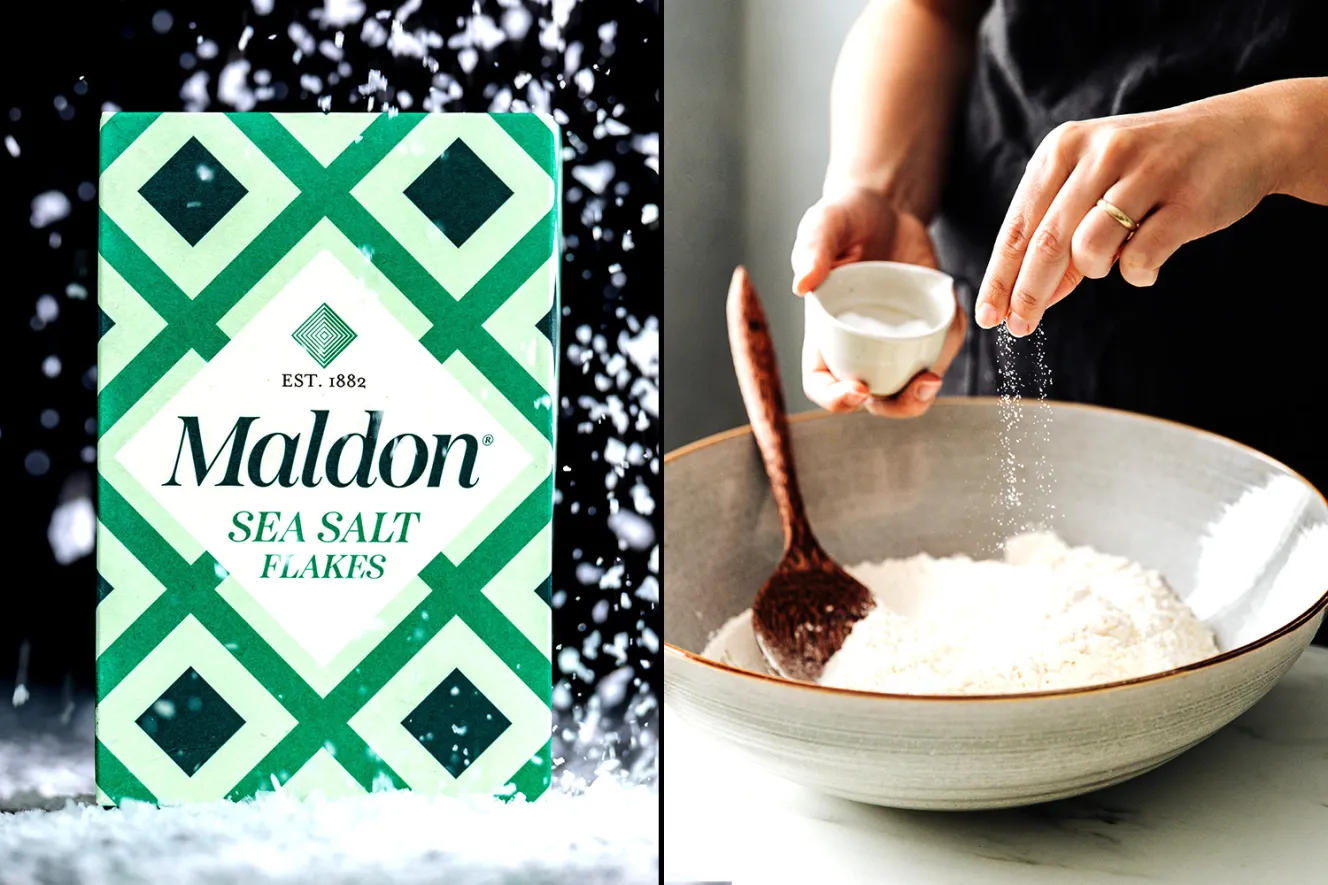
Maldon Salt has become a trending topic after an investigation reported that the company uses imported German rock salt as part of its production process.
The report, initially published by The Observer and subsequently covered by other industry publications, described deliveries of rock salt from German supplier K+S to Maldon Salt's production facility in Essex.
According to The Grocer's November 16, 2026 report, four lorries were observed delivering approximately 12 tonnes of salt each over three days in October.
The discovery has generated discussion because consumers generally associate Maldon Salt with traditional British sea salt production.
However, the company describes its manufacturing process as a salt-on-salt technique. It explains that the additional salt is used to enrich the seawater brine and support the formation of its distinctive crystals.
This has created an important discussion about the difference between where a product is made, where its ingredients originate and how its manufacturing process is communicated to customers.
Key Details About the Maldon Salt News
Here are the important points behind the latest development:
Key Information | Details | Background | Importance |
|---|---|---|---|
Brand | Maldon Salt | British gourmet salt company | Established food brand |
Founded | 1882 | Maldon, Essex, UK | Over 140 years of history |
Main Product | Pyramid-shaped sea salt flakes | Traditional salt-making | Distinctive product identity |
Imported Ingredient | German rock salt | Supplied by K+S | Ingredient sourcing discussion |
Production Method | Salt-on-salt process | Used during brine preparation | Central to the controversy |
Recent Investigation | Reported in November 2026 | The Observer investigation | Raised transparency questions |
The issue is not simply about the use of imported salt. It is also about how consumers understand the relationship between a brand's geographical identity and its manufacturing ingredients.
What Is Maldon Salt?

Maldon Salt is a British gourmet salt brand known internationally for its distinctive pyramid-shaped sea salt flakes.
The company was established in 1882 in Maldon, a coastal town in Essex, England. Its products are popular among professional chefs, food enthusiasts and home cooks who appreciate the texture and flavour of finishing salt.
Unlike ordinary fine table salt, Maldon Salt is recognised for its large, delicate flakes that provide a light crunch when sprinkled over food.
The company has maintained traditional salt-making techniques across generations, making craftsmanship an important part of its brand identity.
Why Is Maldon Salt Popular?
There are several reasons behind the brand's popularity:
Distinctive texture: Its pyramid-shaped crystals provide a delicate crunch.
Premium positioning: The brand is associated with gourmet cooking and professional kitchens.
Traditional production: Its salt-making heritage dates back to 1882.
Versatility: The flakes can be used with vegetables, meat, seafood, salads and desserts.
International recognition: Maldon products are distributed to customers across multiple countries.
These qualities have helped the company establish a strong position in the premium seasoning market.
Understanding the Salt-on-Salt Production Method
One of the most important aspects of the recent discussion is the salt-on-salt production technique.
According to Maldon Salt's explanation of its manufacturing process, seawater is collected from the Blackwater Estuary in Essex. It is then settled and filtered before being prepared as brine.
The company's salt-on-salt method involves adding existing natural salt to the seawater brine to enrich its mineral content and increase salinity.
The prepared brine is carefully heated and evaporated in open pans. Temperature, timing and movement are controlled to encourage the formation of the company's characteristic pyramid-shaped crystals.
How Does the Process Work?
Production Stage | Process | Purpose | Result |
|---|---|---|---|
1. Seawater Collection | Water is drawn from the Blackwater Estuary | Obtain seawater | Raw material for brine |
2. Settling and Filtering | Water is prepared and filtered | Prepare cleaner brine | Improved preparation |
3. Salt-on-Salt Method | Existing salt is added to the brine | Enrich the brine | Increased salinity |
4. Heating and Evaporation | Brine is heated in open pans | Encourage crystal formation | Salt crystals develop |
5. Hand Harvesting | Flakes are carefully collected | Maintain texture and quality | Distinctive pyramid flakes |
The company says this traditional technique helps create its recognisable salt crystals while reducing the energy required during production.
The use of German rock salt has attracted attention because it introduces an imported ingredient into a process that customers may associate exclusively with locally sourced seawater.
Why Has German Rock Salt Created Controversy?
The main reason behind the discussion is the contrast between Maldon Salt's British heritage and the discovery of imported rock salt in its manufacturing process.
For many consumers, a product's origin is an important part of its identity. When a brand highlights its traditional production location, customers may naturally want to understand where all the ingredients used in manufacturing come from.
The investigation has raised several questions.
1. Ingredient Origin and Transparency
Customers increasingly want clear information about food ingredients and manufacturing methods.
The discovery of imported German rock salt has encouraged people to look more closely at how Maldon Salt produces its famous flakes.
2. Understanding Product Labelling
Another important discussion concerns the wording used to describe products.
Consumers may interpret terms such as British sea salt as meaning that every salt ingredient comes directly from British seawater.
However, the company explains that the imported rock salt is used as part of its traditional salt-on-salt process.
This raises questions about how product descriptions can communicate manufacturing methods and ingredient origins more clearly.
3. Brand Reputation
Maldon Salt has spent generations building a premium reputation based on heritage, craftsmanship and traditional production.
Any questions about sourcing or marketing can influence how consumers perceive a brand, particularly when its identity is strongly connected to a particular location.
4. Consumer Expectations
Modern shoppers increasingly examine ingredient lists, product origins and manufacturing information before purchasing premium food products.
This means brands must consider not only product quality but also how effectively they communicate their production practices.
What Has Maldon Salt Said About the Issue?
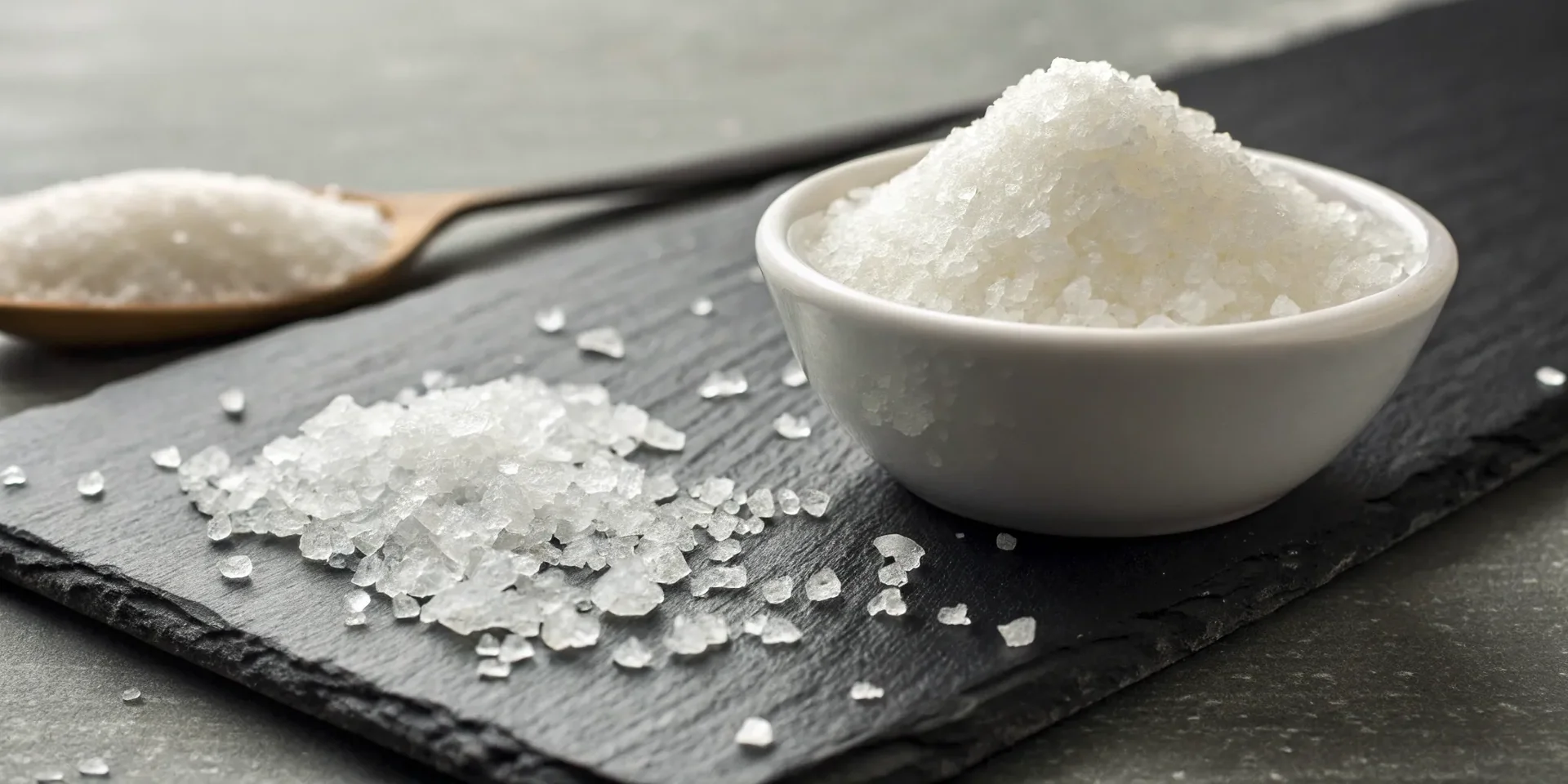
Maldon Salt describes the salt-on-salt process as a traditional manufacturing technique that has been part of its production heritage for more than 140 years.
According to the company, the process uses existing salt to enrich seawater brine and support the creation of its distinctive pyramid-shaped flakes.
The company maintains that its products are 100% sea salt flakes, explaining that rock salt is ancient sea salt used during the traditional production process.
The brand has also updated its website to provide further information about the method.
Its explanation focuses on the relationship between seawater, brine preparation and the additional salt used during manufacturing.
The distinction is important because the presence of imported rock salt does not mean that the finished product is simply mined rock salt packaged and sold as Maldon flakes. The company describes the process as producing its characteristic flakes through controlled evaporation and harvesting.
However, the discussion about how consumers interpret product descriptions remains an important part of the controversy.
How Could This News Affect Maldon Salt's Brand Reputation?
The recent development highlights the importance of transparency for premium food companies.
Consumers who purchase gourmet products often consider more than taste and price. They may also value traditional production, local sourcing, craftsmanship and the story behind a brand.
Here are some possible effects of the controversy:
Business Area | Possible Challenge | Consumer Concern | Brand Opportunity |
|---|---|---|---|
Brand Reputation | Questions about sourcing | Trust and authenticity | Clear communication |
Product Labelling | Different interpretations | Ingredient origins | Better product information |
Customer Loyalty | Negative public discussions | Brand expectations | Stronger engagement |
Marketing | Increased scrutiny | Advertising transparency | More detailed storytelling |
Competition | Comparison with alternatives | Product differentiation | Demonstrating quality |
These are potential business implications, not confirmed changes in Maldon Salt's sales or customer loyalty.
Importance of Clear Communication
Food brands can build stronger relationships with consumers by explaining their production processes in straightforward language.
Providing information about ingredient origins, manufacturing techniques and product characteristics can help customers make informed purchasing decisions.
Maintaining Customer Trust
Trust is particularly important for established premium brands. Customers who understand how a product is made are better positioned to evaluate whether it meets their expectations.
For Maldon Salt, explaining the role of imported rock salt alongside its traditional British manufacturing heritage will remain an important part of the conversation.
Maldon Salt's Heritage and Traditional Manufacturing
Despite the recent controversy, Maldon Salt has a long history in the British food industry.
The business began in 1882 and has remained closely connected to its Essex origins. The Osborne family has played an important role in maintaining the company's salt-making tradition across generations.
Its pyramid-shaped flakes have become the brand's signature product, recognised by chefs and cooking enthusiasts around the world.
The company also holds a Royal Warrant as a supplier of sea salt to His Majesty King Charles III.
Important Milestones in Maldon Salt's History
Milestone | Year | Development | Significance |
|---|---|---|---|
Company Founded | 1882 | Salt production began in Maldon | Start of the brand |
Family Heritage | Four generations | Osborne family involvement | Continued craftsmanship |
International Growth | Since the 1950s | Export activities expanded | Global recognition |
Anniversary | 2022 | Celebrated 140 years | Historic achievement |
Royal Recognition | 2012 | Received Royal Warrant | Recognition of the brand |
This history demonstrates why the company has become an established name in the premium seasoning market.
Maldon Salt Products and Their Uses
Maldon Salt offers several varieties of salt designed for different cooking requirements.
Its original sea salt flakes remain its best-known product, while flavoured varieties provide additional options for home cooks and professional chefs.
Product | Main Characteristics | Suitable Uses | Key Feature |
|---|---|---|---|
Original Sea Salt Flakes | Light, delicate crystals | Salads, vegetables and meat | Classic pyramid flakes |
Smoked Sea Salt Flakes | Smoky flavour | Barbecue and grilled food | Oak-smoked taste |
Garlic Sea Salt Flakes | Garlic-infused seasoning | Pasta, meat and vegetables | Savoury flavour |
Chilli Sea Salt Flakes | Spicy seasoning | Eggs, avocado and snacks | Chilli combination |
Pepper Sea Salt Flakes | Pepper-inspired seasoning | Roasted dishes and sauces | Added seasoning flavour |
These varieties allow customers to experiment with different flavours while maintaining the convenience of a finishing salt.
What Does This Mean for the Food Industry?
The Maldon Salt discussion reflects a wider issue within the food and beverage industry: consumers increasingly want to understand where their products come from and how they are manufactured.
Premium brands often use heritage, local identity and traditional craftsmanship as important parts of their marketing strategies.
However, these claims also create expectations around ingredient sourcing and transparency.
Key Lessons for Food Brands
Be transparent: Clearly communicate where ingredients come from.
Explain production methods: Help customers understand traditional and modern manufacturing techniques.
Avoid confusion: Make product descriptions easy to understand.
Maintain quality: Continue delivering consistent products and experiences.
Build customer confidence: Respond to questions with clear and accessible information.
For businesses operating in competitive food markets, the ability to communicate honestly can be just as important as product quality.
Companies can also explore free online tools on AltFTool to discover useful digital utilities for research, content planning and everyday productivity.
What Can We Expect Next From Maldon Salt?
The latest discussion places Maldon Salt under greater public attention, particularly regarding its ingredient sourcing and production methods.
The company has an opportunity to explain its traditional manufacturing process in greater detail and address questions about the use of imported rock salt.
Going forward, several areas may remain important:
Greater Ingredient Transparency
Consumers may increasingly expect brands to explain the origin and purpose of ingredients used during manufacturing.
Stronger Brand Communication
Clearer product descriptions and accessible information about production methods could help address misunderstandings.
Continued Focus on Product Quality
Maintaining the distinctive texture, taste and consistency of its salt flakes will remain important to the brand's position in the gourmet food market.
Changing Consumer Expectations
As shoppers become more interested in product sourcing and manufacturing practices, food companies may need to provide more detailed information about their supply chains.
The future response from Maldon Salt will be important in understanding how the company manages the discussion while maintaining its established brand identity.
FAQs
Maldon Salt is famous for its distinctive pyramid-shaped sea salt flakes, delicate texture and traditional British salt-making heritage.
The brand is receiving attention following an investigation reporting that imported German rock salt is used in its salt-on-salt manufacturing process.
The company is based in Maldon, Essex, England, and uses seawater from the Blackwater Estuary in its production process.
It is a traditional production technique in which existing salt is added to seawater brine to enrich it before controlled heating and evaporation.
Sources and notes
Links the author listed for this post.
Maldon Salt faces scrutiny over imported German rock salt in its production process. Discover the controversy, traditional manufacturing methods and consumer transparency concerns.
More on AltFTool
- AltFTool (opens in a new tab)
altftool.com


Discussion
0 comments
No comments yet
Discussion will appear here once it loads.