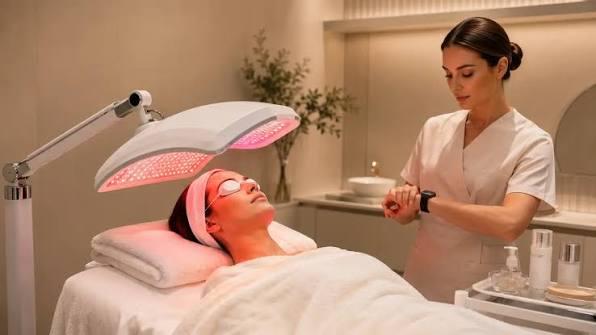
Skincare technology is changing the way people approach their beauty routines. From facial cleansing devices to advanced moisturising tools, consumers now have access to products that combine science, convenience, and everyday self-care. One technology gaining attention is LED light therapy, a treatment that uses specific wavelengths of light to support certain skin concerns.
LED masks and facial devices have become popular among people looking for convenient skincare options at home. They are often discussed for concerns such as acne, fine lines, and uneven skin appearance. However, before adding an LED device to a skincare routine, consumers should understand how the technology works, what it may offer, and how to use it responsibly.
Brands such as Omnilux, known for their innovative LED skincare devices, have made light-based beauty technology more accessible for at-home skincare routines. While these devices can be a valuable addition to modern skincare, understanding their benefits, limitations, and safety guidelines is essential for making informed choices and maintaining realistic expectations.
For more helpful digital solutions, you can also explore free online tools on AltFTool to discover useful utilities that simplify everyday tasks and support productivity.
What Is LED Light Therapy?
LED stands for Light Emitting Diode. LED light therapy is a non-invasive skincare technology that uses specific wavelengths of visible or near-infrared light.
Unlike ultraviolet light, which is associated with skin damage, many skincare LED devices are designed to use selected wavelengths for cosmetic or therapeutic purposes.
The light interacts with the skin in different ways depending on its wavelength, intensity, and treatment schedule.
Different Types of LED Light
Different wavelengths are commonly associated with different skincare applications.
LED Light Type | Commonly Discussed Use |
|---|---|
Red Light | Supporting the appearance of fine lines and skin texture |
Blue Light | Helping address acne-related concerns |
Near-Infrared Light | Used in certain devices for deeper light-based skincare applications |
Combination Light | Uses more than one wavelength for specific device purposes |
It is important to remember that the benefits depend on the device, its specifications, and the treatment being studied. Not every LED device delivers the same results.
How Does LED Light Therapy Work?
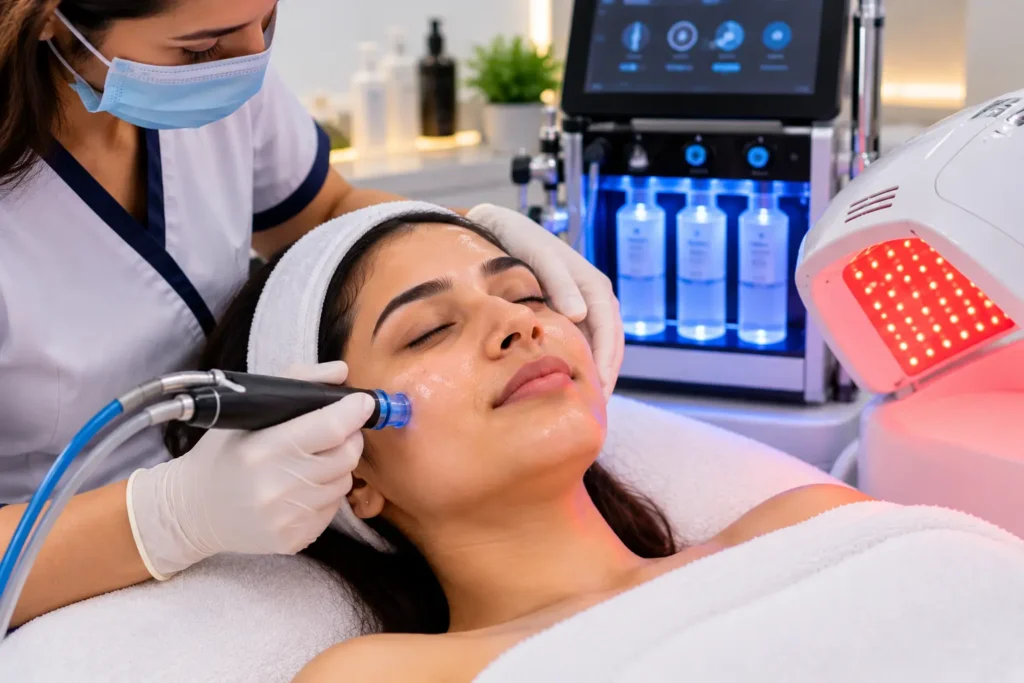
LED skincare devices deliver light to the skin without relying on traditional exfoliation or chemical peeling.
The technology is often described as photobiomodulation when certain red and near-infrared wavelengths are used. Researchers are studying how light exposure may influence cellular processes involved in skin repair and other biological responses.
In skincare, LED devices are designed to provide controlled light exposure for a specific period.
What Happens During a Session?
A typical home LED treatment may involve the following steps:
Clean the face and remove makeup.
Prepare the device according to its instructions.
Position the LED mask or tool correctly.
Complete the recommended treatment time.
Follow the device's skincare and aftercare guidance.
Most home devices are designed to make the process simple and convenient. However, consumers should never assume that longer sessions will produce better results.
Potential Benefits of LED Skincare Technology
LED light therapy has attracted interest because it offers a non-invasive approach to certain skincare concerns.
Some studies suggest that specific LED treatments may help improve the appearance of fine lines, skin texture, or acne. However, the evidence varies depending on the wavelength, device, treatment schedule, and condition being addressed.
Skin Appearance and Texture
Red-light devices are commonly marketed for concerns related to visible signs of ageing. Some research suggests that suitable treatments may contribute to subtle improvements in skin texture and the appearance of fine lines.
Results are not guaranteed, and home devices may differ in effectiveness from professional treatments.
Acne-Related Concerns
Blue-light technology is often used in devices designed for acne-related skincare. Certain wavelengths are studied for their effects on acne-associated bacteria, while red light may be included to support other treatment goals.
LED therapy should not automatically replace prescribed acne treatments. People experiencing persistent or severe breakouts should consult a qualified dermatologist.
Convenience for Everyday Skincare
One reason consumers explore LED devices is convenience. Home treatments can fit into a personal skincare routine without requiring frequent salon visits.
This convenience may appeal to people who prefer a structured self-care routine, provided the device is suitable for their needs.
What Should Consumers Check Before Buying an LED Device?
Choosing an LED skincare device requires more than looking at attractive product images or popular beauty trends.
Consumers should review the device's specifications, intended use, safety information, and suitability for their skin concerns.
Important Buying Considerations
Factor | What to Check |
|---|---|
Intended Use | Is the device designed for your specific skincare concern? |
Wavelengths | Which light wavelengths does the device use? |
Safety Information | Are warnings and precautions clearly provided? |
Regulatory Status | Check relevant medical-device clearance or registration claims |
Treatment Schedule | Is the recommended session frequency clearly explained? |
Comfort and Fit | Does the device fit comfortably and securely? |
Warranty | Are warranty and customer support details available? |
A reliable device should provide clear instructions rather than making unrealistic promises.
Consumers should also be cautious of products claiming instant results, permanent wrinkle removal, or guaranteed acne elimination.
Understanding Omnilux and Its LED Devices
Omnilux is a beauty technology brand known for its LED light therapy devices. Its product range includes devices designed for different skincare concerns.
For example, Omnilux Contour products use red and near-infrared wavelengths, while Omnilux CLEAR combines red and blue light for acne-related applications.
These differences demonstrate why consumers should understand the purpose of a device before purchasing it.
Choosing a Device According to Your Needs
For visible signs of ageing: Explore devices specifically designed for concerns such as fine lines and skin texture.
For acne-related concerns: Consider products intended for acne treatment and review their approved or cleared uses.
For general skincare interest: Understand that LED therapy is a complementary option rather than a replacement for basic skincare.
Always review the official product instructions and contraindications before use.
Safety Precautions Before Starting LED Therapy
Although many LED skincare devices are considered low-risk when used correctly, they are not suitable for everyone.
Consumers should pay attention to safety instructions and avoid using devices outside their intended purpose.
Essential Safety Tips
Follow the manufacturer's recommended treatment duration.
Use the device only for its intended purpose.
Wear eye protection when required by the instructions.
Avoid using the device on irritated or damaged skin unless advised by a professional.
Check whether medications or skincare ingredients may increase light sensitivity.
Consult a dermatologist if you have a photosensitive condition or an existing skin concern.
Stop treatment if you experience unusual discomfort, irritation, or persistent redness.
People who are pregnant or breastfeeding, taking photosensitising medication, or managing certain medical conditions should check with their healthcare professional before using an LED device.
Safety guidance can vary between products, so reading the individual device manual is essential.
How to Add LED Light Therapy to a Skincare Routine
A skincare routine should remain simple, consistent, and suitable for your skin type.
LED therapy can be considered an additional step rather than the foundation of skincare.
A Simple Routine Structure
Routine Step | Purpose |
|---|---|
Gentle Cleanser | Removes dirt, oil, and makeup |
LED Treatment | Provides the device's recommended light exposure |
Moisturiser | Helps maintain skin hydration |
Sunscreen | Protects skin from harmful UV exposure during the day |
Many manufacturers recommend applying skincare products after the LED session. However, consumers should follow the instructions provided with their specific device.
Avoid combining multiple intensive treatments without understanding how they may affect your skin.
Why Consistency and Realistic Expectations Matter
Beauty technology can create excitement, but skincare results generally require patience.
LED therapy is not an overnight solution. Some users may notice gradual changes, while others may experience limited visible improvement.
Results can depend on:
Skin type and individual concerns.
Device quality and specifications.
Treatment frequency and duration.
Consistency of use.
Other skincare habits and lifestyle factors.
Taking photographs before beginning a routine may help users compare changes over time. However, lighting, camera angles, and other conditions can influence how skin appears in photographs.
The most important approach is to focus on gradual progress rather than expecting dramatic transformations.
LED Therapy and the Future of Beauty Technology
The growing interest in LED skincare reflects a wider shift toward technology-assisted beauty routines.
Consumers are increasingly interested in devices that offer convenience, personalisation, and a more structured approach to self-care.
As research develops, skincare technology may continue to improve through better device design, clearer treatment guidance, and more precise applications.
Still, innovation should be accompanied by transparent information. Consumers benefit most when brands explain what their products are designed to do, what evidence supports their use, and what limitations remain.
FAQs
LED light therapy uses specific wavelengths of light in skincare devices to address selected skin concerns.
Not necessarily. Many devices are designed for broad use, but individual skin conditions, medications, and light sensitivity may affect suitability.
No. It should be considered a complementary option and does not replace cleansing, moisturising, or sunscreen.
The frequency depends on the device. Always follow the manufacturer's recommended treatment schedule.
Review its intended use, wavelength information, safety instructions, regulatory status, treatment schedule, and warranty.


Discussion
0 comments