Beauty is not just about wearing makeup or using expensive skincare products. It is about taking care of yourself, maintaining healthy habits, and choosing the right routine for your skin and hair. Healthy skin and shiny hair often reflect everyday care, proper nutrition, and a balanced lifestyle. While beauty trends and products continue to change, simple self-care habits remain important.
Everyone has different skin types, hair textures, and beauty needs. A routine that works well for one person may not provide the same results for someone else. Therefore, understanding your skin and hair is the first step towards building an effective beauty routine. You do not need a large collection of products to look fresh and confident. Consistency and choosing suitable products can make a meaningful difference over time.
Understand Your Skin Type
Before starting any skincare routine, it is important to understand your skin type. Generally, skin can be dry, oily, combination, sensitive, or normal. Each type requires different care and products.
Dry skin may feel tight, rough, or uncomfortable, especially after washing. A gentle cleanser and a moisturiser containing hydrating ingredients can help maintain softness. Oily skin usually produces more natural oil, which can make the face appear shiny. Lightweight, non-comedogenic skincare products are often suitable for this skin type.
Combination skin may feel oily around the forehead, nose, and chin while remaining dry in other areas. People with sensitive skin should pay attention to ingredients and avoid products that cause irritation. Understanding these differences makes it easier to select products that support your skin without creating unnecessary problems.
Follow a Consistent Skincare Routine
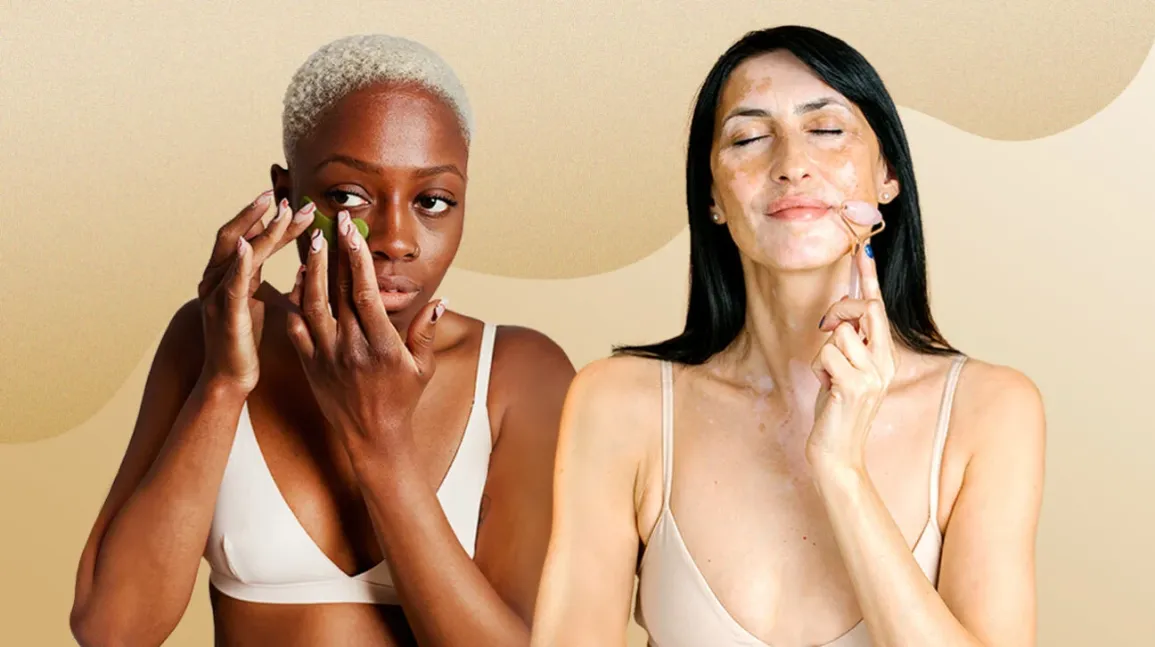
A simple skincare routine can help maintain healthy-looking skin. You do not need to follow complicated beauty treatments every day. A few basic steps can provide a good foundation for daily skincare.
Start your morning routine with a gentle cleanser to remove excess oil and impurities. Follow it with a suitable moisturiser to maintain skin hydration. Sunscreen is another essential part of daily skincare because it helps protect the skin from harmful ultraviolet rays. Choose a broad-spectrum sunscreen with SPF 30 or higher and apply it as directed.
At night, cleanse your face to remove sunscreen, makeup, sweat, and dirt collected throughout the day. Apply a moisturiser that suits your skin type. Following the same basic routine regularly can help keep your skin comfortable and healthy.
Never Skip Sunscreen
Sun protection is one of the most important parts of maintaining healthy skin. Regular exposure to ultraviolet rays can contribute to sunburn, premature skin ageing, uneven skin tone, and other forms of skin damage.
Using sunscreen every day can help reduce these risks. Apply it to exposed areas, including your face, neck, ears, and hands. Reapply approximately every two hours when spending time outdoors, especially after swimming or sweating.
You can also protect your skin by wearing sunglasses, using an umbrella, and choosing comfortable clothing that covers exposed areas. Even on cloudy days, ultraviolet rays can reach your skin, so sun protection should remain part of your regular routine.
Keep Your Skin Hydrated
Hydration plays an important role in maintaining soft and comfortable skin. When the skin lacks moisture, it may appear dull, feel rough, or become more sensitive. Drinking enough water throughout the day supports overall health, while moisturisers help reduce moisture loss from the skin.
Choose a moisturiser according to your skin type and daily needs. Ingredients such as hyaluronic acid, glycerin, and ceramides are commonly used in skincare products to support hydration and the skin barrier.
Applying moisturiser after washing your face can help maintain moisture. People with dry skin may prefer richer creams, while those with oily skin may find lightweight gels or lotions more comfortable.
Choose the Right Hair Care Products
Healthy-looking hair begins with understanding your hair type and scalp condition. Some people have dry or frizzy hair, while others experience oily roots, dandruff, or hair that becomes damaged easily.
Selecting a suitable shampoo and conditioner can make everyday hair care easier. Shampoo should be chosen according to your scalp needs, while conditioner helps improve softness and manageability. Apply conditioner mainly to the middle lengths and ends of your hair if your roots become oily quickly.
Avoid washing your hair unnecessarily often, as the ideal washing frequency depends on your scalp, hair texture, and lifestyle. Using extremely hot water may also make hair feel dry. Lukewarm water is generally a comfortable option for regular washing.
Avoid Excessive Heat Styling
Hair dryers, straighteners, and curling irons can help create different hairstyles, but frequent high-temperature styling may damage the hair. Excessive heat can make hair dry, weak, and more likely to break.
Whenever possible, allow your hair to dry naturally. If you use heat-styling tools, apply a suitable heat protectant before styling and choose a lower temperature that works for your hair type.
It is also helpful to avoid repeatedly styling the same sections of hair. Giving your hair occasional breaks from heat can help maintain its natural texture and reduce unnecessary damage.
Eat a Balanced Diet for Natural Beauty

Beauty care is not limited to products applied to the skin and hair. Nutrition also plays an important role in supporting overall health. A balanced diet provides essential nutrients that help maintain normal skin and hair functions.
Include fresh fruits, vegetables, whole grains, nuts, seeds, and protein-rich foods in your daily meals. Foods containing vitamin C support normal collagen formation, while protein provides important building blocks for hair growth. Healthy fats, including those found in nuts and seeds, also contribute to a balanced diet.
Avoid depending on a single food or beauty supplement for visible results. A varied and nutritious eating pattern is a more practical way to support long-term health.
Get Enough Sleep and Manage Stress
Sleep is an important part of a healthy lifestyle. Poor sleep habits can affect how you feel and may make your face appear tired. Maintaining a regular sleep schedule gives your body time to rest and recover.
Adults generally benefit from around seven to nine hours of sleep each night. Creating a relaxing bedtime routine, reducing screen time before bed, and keeping a comfortable sleeping environment can improve sleep quality.
Stress management is equally important. Regular walking, yoga, meditation, and spending time on activities you enjoy can help support emotional well-being. Taking care of your mental health is also an important part of feeling confident and looking refreshed.
Be Careful with Beauty Products
The beauty market offers countless skincare and hair care products, but not every product is suitable for everyone. Popular products and online recommendations should not replace understanding your own needs.
Before introducing a new skincare product, check its ingredients and perform a patch test according to the product instructions. Introduce active ingredients gradually rather than using several strong products together.
Avoid frequently changing your skincare routine because of short-term beauty trends. Some ingredients may cause irritation when used incorrectly or combined with unsuitable products. If you experience persistent irritation, itching, or unusual skin reactions, consider consulting a qualified dermatologist.
Keep Your Makeup Routine Simple
Makeup can enhance your natural features and help you express your personal style. However, a simple and comfortable makeup routine is often enough for everyday use.
Start with clean, moisturised skin and apply sunscreen before makeup. Choose a lightweight foundation or tinted product if you prefer a natural finish. A little concealer, blush, mascara, and lip colour can create a fresh everyday look.
Always remove makeup before sleeping. Leaving makeup on overnight may contribute to clogged pores and skin irritation. Use a gentle makeup remover or cleansing product that suits your skin type.
Maintain Good Personal Hygiene

Personal hygiene is another important part of everyday beauty and self-care. Clean skin, fresh clothing, well-maintained nails, and healthy hair can improve your overall appearance.
Wash your face with a suitable cleanser, keep your hands clean, and avoid sharing personal beauty products such as makeup brushes, razors, and towels. Clean your makeup tools regularly because product residue and dirt can collect on them.
Pay attention to your nails and lips as well. Keeping nails clean and applying a suitable lip balm can help maintain a neat and comfortable appearance.
Build a Beauty Routine That Works for You
The best beauty routine is one that fits your lifestyle, budget, and personal needs. You do not need to follow every new trend or purchase expensive products to maintain healthy-looking skin and hair.
Start with basic skincare, choose suitable hair care products, eat balanced meals, stay hydrated, and get enough sleep. Make small changes gradually and give your routine enough time to become a regular habit.
Natural beauty is not about achieving a perfect appearance. It is about feeling comfortable and confident in your own skin. When you focus on consistent self-care rather than unrealistic beauty standards, maintaining a healthy and fresh appearance becomes much easier.
Conclusion
Healthy skin, strong hair, and a natural glow come from a combination of daily care and healthy lifestyle choices. Understanding your skin type, following a simple skincare routine, protecting yourself from the sun, and choosing suitable hair care products can support your beauty goals.
Along with external care, balanced nutrition, proper hydration, quality sleep, and stress management also contribute to overall well-being. Instead of following every beauty trend, focus on habits that suit your individual needs. With patience and consistency, you can build a practical beauty routine that helps you feel fresh, healthy, and confident every day.
Follow a regular skincare routine, stay hydrated, eat healthy foods, and use sunscreen daily.
A gentle cleanser, moisturiser, and broad-spectrum sunscreen are basic skincare essentials.
Use suitable shampoo and conditioner, avoid excessive heat styling, and eat a balanced diet.
Drink enough water throughout the day according to your body's needs and activity level.
Follow a balanced diet, get enough sleep, manage stress, and maintain consistent beauty habits.
Sources and notes
Links the author listed for this post.
Information is based on general skincare and hair care guidelines, dermatology recommendations, and trusted beauty and wellness resources, including the American Academy of Dermatology and NHS.


Discussion
0 comments