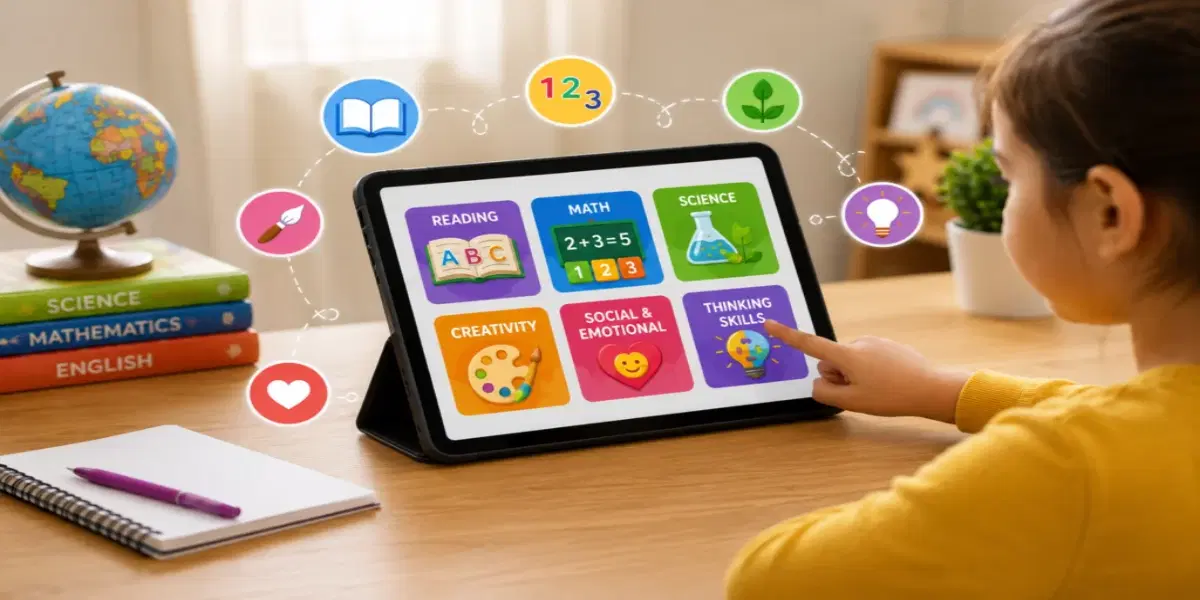
Children learn a lot through everyday experiences. Sometimes a simple puzzle, a set of colourful blocks, or a small guessing game can teach them more than we expect. They love exploring, asking questions, making mistakes, and trying again. That’s a big reason why learning games have become such a useful part of early education. When a child is enjoying a game, they often don’t even notice they are learning. That’s what makes a good learning game so special. It teaches quietly while the child is busy having fun.
In 2026, parents can choose from many options, including board games, educational toys, mobile apps, and online learning platforms. But picking the right one isn’t always easy. A game may look attractive and keep a child busy for a while. But does it actually help them learn something? That’s the question worth asking before you buy.
The best educational games aren’t always expensive or complicated. They suit a child’s age, hold their attention, and encourage them to think. A little curiosity and a fun challenge can turn ordinary playtime into real learning.
Why Are Learning Games Important for Kids?
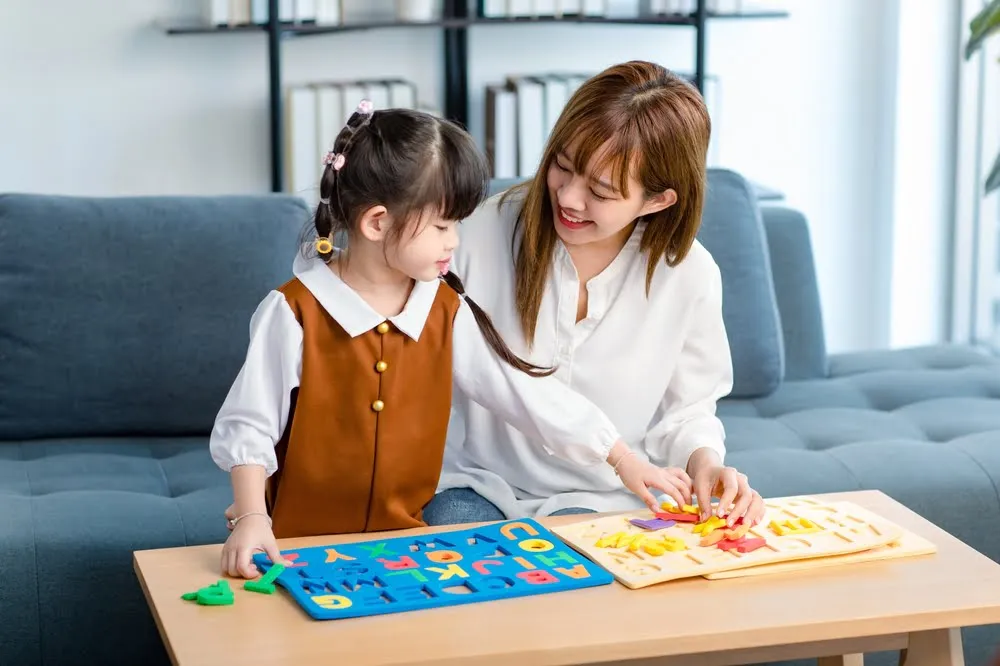
Think about how a young child learns to recognise colours or count objects. They usually get it faster when they can see, touch, and play with things. Learning games create exactly these kinds of chances.
Instead of asking kids to remember everything from a book, games let them find answers through activity. A matching game, for example, helps children spot patterns, while a simple word puzzle introduces new vocabulary.
There are other benefits too. When a child completes a challenge on their own, they feel proud of themselves. That small feeling of achievement can push them to try something new.
Some valuable benefits of educational games include:
Memory improvement: Matching cards and picture quizzes help children remember things.
Better concentration: Puzzles encourage children to focus on one activity.
Creative thinking: Drawing, storytelling, and building games help fresh ideas grow.
Language development: Word activities introduce vocabulary and improve communication.
Problem-solving: Children learn to find answers instead of giving up right away.
Social skills: Playing with others teaches patience, sharing, and teamwork.
Understand Your Child’s Age and Learning Needs
Every child grows at their own pace. A game that keeps a five-year-old busy may be too hard for a toddler. In the same way, older kids can get bored quickly with games made for beginners.
Before choosing a game, think about what your child can already do and what they would enjoy learning next.
Learning Games for Toddlers
Toddlers are naturally curious about the world around them. They enjoy bright colours, familiar sounds, different shapes, and objects they can move around.
Shape sorters, stacking toys, animal picture cards, and simple matching games are good starting points. They introduce basic ideas like colours, sizes, shapes, and recognising objects.
Parents can make it even more fun by joining in. Ask your child to find a blue block or point to a picture of a dog. Small conversations like these make playtime more meaningful.
Learning Games for Preschool Kids
Preschool is an important stage for building early reading, counting, and speaking skills. Kids at this age often enjoy activities with letters, numbers, pictures, and stories.
Alphabet puzzles, phonics games, counting cards, and simple quizzes are useful choices.
For instance, when a child matches the letter B with a picture of a ball, they start linking letters to familiar words. Repeating such activities through play makes early learning easier.
Learning Games for School-Age Children
School-age kids are usually ready for tougher challenges. They may enjoy science kits, geography quizzes, beginner coding games, strategy board games, and math challenges.
These games encourage children to think on their own and use what they learn in class in other situations.
Choose Games That Develop Different Skills
🎮 Learn, Play & Grow!
Explore four fun ways to develop important skills through educational games.
Math & Number Games
Make counting, addition, subtraction and number recognition enjoyable through playful challenges.
Think With NumbersLanguage & Word Games
Explore letters, spelling, vocabulary and storytelling with interesting word activities.
Build VocabularyScience & STEM Games
Discover science, technology and creative building through experiments and exploration.
Explore & DiscoverPuzzle & Memory Games
Improve concentration, recognise patterns and develop problem-solving abilities.
Train Your Brain🌟 Popular Kids Learning Apps
Discover educational platforms that make reading, maths, science and creative learning more enjoyable for children.
Khan Academy Kids
Explore reading, mathematics, creativity and early learning activities.
Explore App ↗Choose games according to your child's age and interests. Mix digital activities with offline play to make learning balanced and enjoyable.
It’s a good idea to bring in different types of educational games instead of buying several that teach the same thing. Children benefit from exploring different subjects and activities.
1. Math and Number Games
Some children find math hard simply because they don’t get enough chances to practise it in daily life.
Counting blocks, number cards, dice games, and addition puzzles can make basic math feel easier. You can also use ordinary household moments. Ask your child to count the fruits in a bowl or share a few toys equally between two people.
These little activities help children understand numbers through things they already know.
2. Language and Word Games
Reading and speaking skills grow slowly, and regular practice makes a real difference.
Alphabet cards, spelling games, picture puzzles, word searches, and storytelling activities can help children get familiar with new words.
A simple idea is to show a picture and ask your child to describe what they see. It lets them practise speaking while using their imagination.
3. Science and STEM Games
Kids who keep asking how things work may love science and STEM games.
Building blocks, magnetic construction sets, beginner science kits, and simple coding activities introduce basic ideas about science, technology, engineering, and math.
A child building a bridge with blocks, for example, may start to notice which structures are stronger and why. Learning happens naturally through trying things out.
4. Puzzle and Memory Games
Puzzles are great for children who like looking for patterns and solving small challenges.
Jigsaw puzzles, matching cards, shape games, and memory activities help children observe carefully. They also teach patience, because finding the right answer sometimes takes a few tries.
Consider Online and Offline Learning Games
Children today can use both traditional games and digital learning activities. One doesn’t need to replace the other. A healthy mix gives kids different ways to explore and learn.
Offline Educational Games
Board games, flashcards, building blocks, colouring books, and physical puzzles are some popular offline options.
Parents often like that these games don’t need a screen. Children can play with siblings, friends, or family and enjoy real interaction.
A simple board game with numbers and turns can teach counting, patience, and following instructions all at once.
Online Learning Games
Online learning games are available on educational websites, mobile apps, and interactive platforms.
Many of them offer activities in math, English, science, reading, and general knowledge. Some also have different difficulty levels, so children can move ahead as their skills improve.
But parents should take a closer look before choosing an app. Check the age rating, ads, privacy settings, and in-app purchases. An “educational” label alone doesn’t guarantee that an app is right for kids.
Check Safety and Age-Appropriate Content
When children use digital games, safety matters as much as learning value. A colourful screen may attract a child, but parents should know what happens once the game opens.
Before downloading an educational app or buying a digital game, check for:
Content that suits the child’s age
Easy and simple navigation
Limited ads and distractions
Proper privacy and data settings
Parental controls, if available
Clear information about in-app purchases
Useful activities with easy instructions
It’s also worth checking whether an app asks for unnecessary personal information or device permissions.
For younger children, sitting together during screen activities is a sensible habit. You can see how they play and explain anything they don’t understand.
Look for Games That Encourage Creativity

Not every child enjoys the same kind of activity. One may happily draw for hours, while another prefers building towers or solving puzzles.
Instead of choosing games just because they’re popular, notice what naturally interests your child.
Some creative learning activities include:
Drawing and colouring games
Picture-based storytelling
Building blocks and construction toys
Music and rhythm activities
Nature exploration challenges
Simple art and craft projects
Try giving your child a few building blocks and asking them to make a house, garden, or playground. Don’t worry if it looks different from what you imagined. Planning, experimenting, and creating is where most of the learning happens.
Compare Game Quality Before Buying
A higher price doesn’t always mean better learning value. Sometimes a basic wooden puzzle or an ordinary board game keeps kids interested much longer than an expensive electronic toy.
Before buying, look beyond the packaging and compare the things that really matter.
Factors | What Parents Should Check |
|---|---|
Educational Value | Skills and concepts taught |
Age Suitability | Difficulty and instructions |
Game Quality | Materials and durability |
Engagement | Child’s interest |
Safety | Content and privacy |
Price | Value for money |
Customer reviews can give helpful hints about durability, ease of use, and the overall experience. Still, take a moment to read the product description and check the actual features before you buy.
Create a Healthy Learning and Gaming Routine
Even a wonderful educational game becomes less useful if children spend too much time on it. Kids need different experiences through the day, like movement, reading, outdoor play, rest, and time with family.
You don’t need a complicated timetable. A few regular activities are enough to build a balanced routine.
For example, kids can solve a puzzle after homework, enjoy a board game with the family in the evening, or build with blocks on the weekend.
For digital activities, follow age-appropriate screen-time limits, take regular breaks, and encourage kids to switch between online and offline play.
Parents can join in sometimes too. Let your child explain the rules, show how they solved a puzzle, or talk about something new they found out. These chats make learning more personal and fun.
Common Mistakes to Avoid When Choosing Learning Games
Choosing educational games gets easier when you know what to watch out for. A few common mistakes can make a good purchase less useful.
Choosing games that are too difficult: Children need challenges, but the game should match what they can do now. Start with easy games and slowly make them harder.
Depending only on digital games: Mobile apps can support learning, but physical toys, outdoor play, and family games are just as important.
Ignoring children’s interests: A game may have great reviews, but that doesn’t mean every child will enjoy it. Try different activities to see what works best.
Buying too many games: More toys don’t automatically mean better learning. A small collection of useful games can offer plenty of variety.
Forgetting to check safety: Always review online content, ads, privacy settings, and payment features before letting kids use digital games.
Conclusion
Finding the right learning games for kids in 2026 doesn’t have to be complicated. Start by understanding your child’s age, interests, and learning needs. Then explore different options, from number puzzles and alphabet cards to creative toys, STEM activities, and educational apps.
Remember, a good learning game isn’t one that keeps a child sitting quietly for hours. It’s one that makes them ask questions, gives them small challenges, and makes them excited to try again.
Give them room to explore, make mistakes, and discover things at their own pace. Sometimes the simplest game leads to the most interesting learning.
Puzzle games, math games, alphabet games, STEM activities, and educational apps are great options.
They improve memory, creativity, concentration, communication, and problem-solving skills.
Shape sorters, stacking blocks, picture cards, and simple matching games are suitable choices.
Yes, age-appropriate online games can support learning when used safely and in moderation.
Screen-based play should follow age-appropriate limits, with regular breaks and a balance of offline activities.
Sources and notes
Links the author listed for this post.
This article is based on general educational knowledge, child development principles, and practical guidance on age-appropriate learning games, digital safety, and creative activities for kids.
- 1


Discussion
0 comments
No comments yet
Discussion will appear here once it loads.