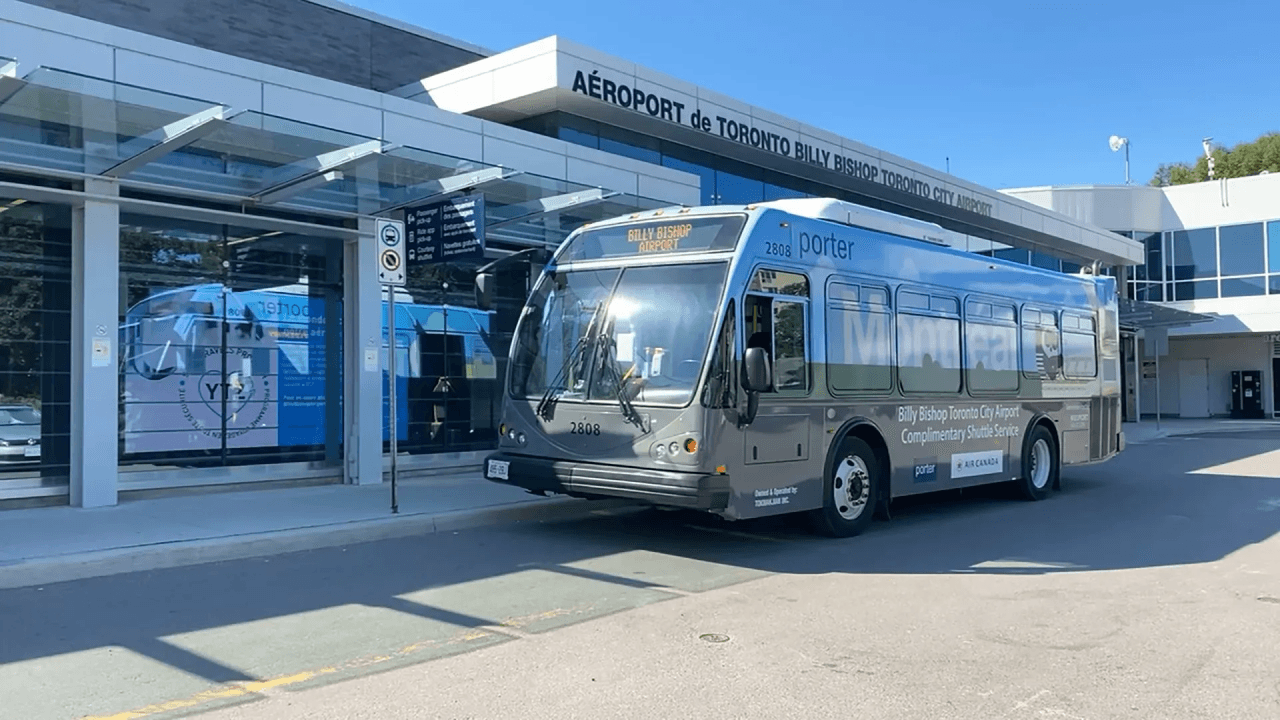
Travel is not always about visiting famous cities, crowded tourist attractions, or popular holiday destinations. Sometimes, the most memorable experiences can be found in smaller towns, peaceful communities, historic neighbourhoods, and places that are often overlooked by mainstream tourism.
However, reaching these destinations can be challenging. Not every town has a major airport or direct railway connection, and renting a car may not be affordable for every traveler. This is where intercity bus networks play an important role in making travel more accessible and convenient.
Companies such as Greyhound connect travelers with destinations across the United States through an extensive bus network. By providing an alternative to driving and flying, intercity buses can help people explore more places while keeping transportation costs manageable.
From affordable journeys and flexible travel options to connections between major cities and smaller communities, bus transportation continues to play an important role in modern travel.
Let's explore how intercity bus networks make smaller destinations easier to discover and why services like Greyhound remain relevant for budget-conscious travelers.
1. Why Intercity Bus Networks Matter for Modern Travel
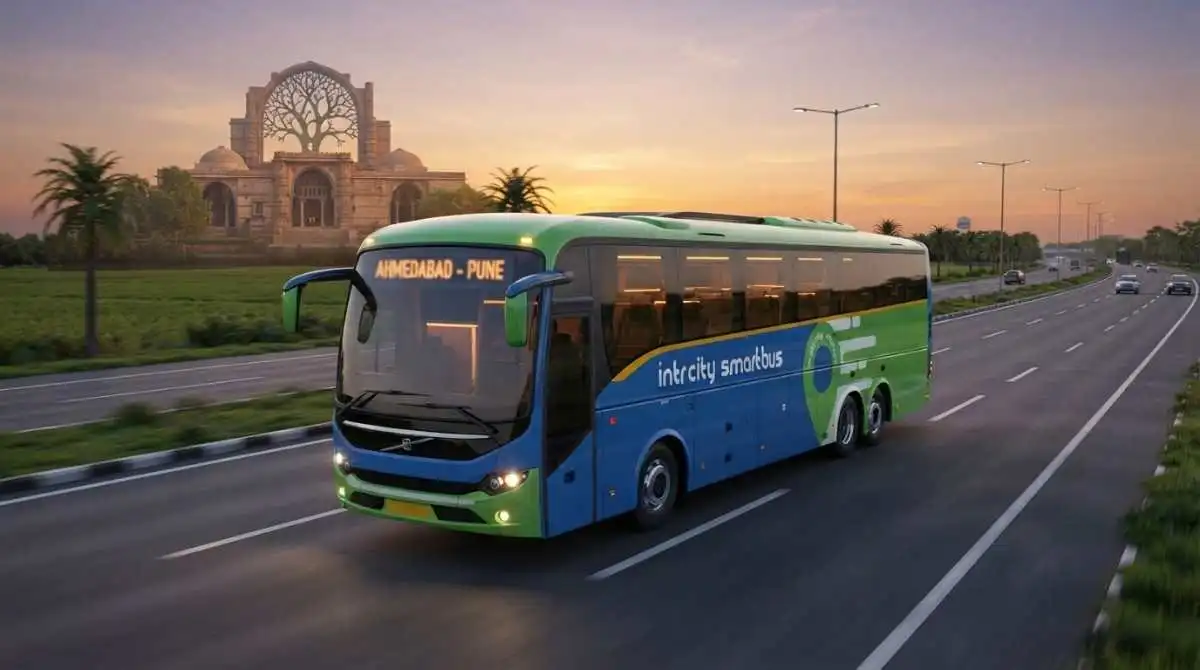
Transportation plays a major role in deciding where people travel. While major cities usually have airports, railway stations, and multiple transportation options, smaller destinations may have fewer direct connections.
This can make independent travel difficult, especially for visitors who do not own a vehicle or prefer not to drive long distances.
Intercity bus networks help bridge this gap by connecting different cities, towns, and regional transportation hubs. They give passengers another way to reach destinations that might otherwise require complicated travel arrangements.
Making Travel More Accessible
Bus transportation can make journeys easier for several types of travelers:
Budget travelers: People looking for affordable alternatives to flights or driving.
Students: Those traveling between their hometowns and educational institutions.
Families: Travelers who want to plan trips without renting a vehicle.
Solo explorers: People interested in discovering smaller towns independently.
International visitors: Tourists looking for transportation between different cities.
The biggest advantage is flexibility. Travelers can compare routes, schedules, and ticket prices before deciding how to reach their destinations.
2. How Greyhound Connects Travelers to More Destinations
Image: Intercity coach transportation connecting travelers across different destinations.
Greyhound is a recognised name in North American bus transportation. Its network provides connections across the United States, Canada, and Mexico, giving passengers more options for planning intercity journeys.
According to its official website, Greyhound offers access to more than 1,600 destinations through its wider network with FlixBus. This broad reach helps travelers explore different regions without relying exclusively on private vehicles.
Connecting Major Cities With Smaller Communities
One important benefit of an extensive bus network is the ability to connect smaller destinations with larger transportation hubs.
For example, travelers may use a major city as a starting point and continue their journey towards a smaller town through an available bus connection.
Greyhound's destination listings include places such as Abilene, Texas; Aitkin, Minnesota; Ashland, Kentucky; and Ithaca, New York, alongside major destinations such as Chicago and Los Angeles.
This variety can help travelers discover destinations beyond the most popular tourist cities.
Easier Journey Planning
Travel planning becomes simpler when passengers can search for routes online, compare available departure times, and book tickets before travelling.
Greyhound provides online booking and mobile app options, allowing passengers to manage their journeys digitally.
3. Affordable Bus Travel Makes Exploration More Accessible
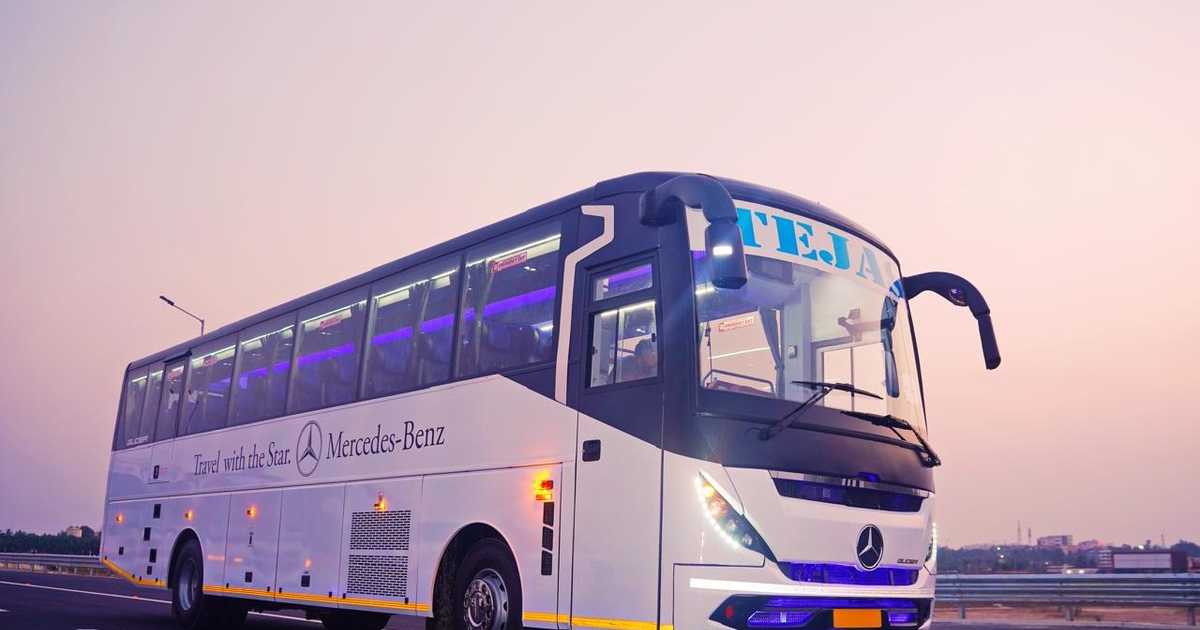
Transportation can take up a significant portion of a travel budget. Airfare, fuel, vehicle rentals, parking, and toll charges can increase the overall cost of a holiday.
Intercity buses provide another option for people who want to manage these expenses.
Why Budget Travelers Choose Bus Transportation
There are several reasons why bus journeys can be attractive to cost-conscious passengers:
Competitive ticket prices on selected routes.
No need to rent a private vehicle.
Reduced responsibility for fuel and parking costs.
Online fare comparisons before booking.
Access to different destinations through connecting services.
However, prices depend on the route, travel date, demand, and booking time. Travelers should compare the complete journey cost instead of assuming that every bus ticket will be cheaper.
Example of a Travel Budget
Here is an illustrative comparison of how different transportation expenses can affect a trip.
Travel expense | Private car | Intercity bus |
Transportation | Fuel and vehicle costs | Bus ticket |
Parking | May be required | Usually not required for passengers |
Maintenance | Driver's responsibility | Operator's responsibility |
Route planning | Driver plans journey | Operator provides scheduled route |
Convenience | Flexible departure | Fixed departure schedule |
For solo travelers, bus transportation can sometimes offer better value because the cost of a vehicle does not need to be managed individually.
4. Smaller Destinations Can Benefit From Better Transportation Connections
Many smaller destinations have unique attractions that are not always included in mainstream travel itineraries.
They may offer historic architecture, local restaurants, cultural experiences, outdoor adventures, and peaceful surroundings.
However, limited transportation can make these places less accessible to visitors.
Supporting Local Tourism
When travelers can reach smaller communities more easily, local businesses may benefit from increased visitor activity.
For example:
Local hotels may receive more bookings.
Restaurants may attract additional customers.
Small shops can reach new visitors.
Local attractions may receive greater attention.
Tour operators can connect with more potential customers.
This creates opportunities for smaller communities to participate in the wider tourism economy.
Encouraging Travelers to Discover Hidden Gems
Popular tourist destinations often receive the majority of travel attention. Better transportation connections can encourage visitors to consider alternative places.
A traveler visiting a major city might discover a nearby historic town, natural attraction, or regional destination through an additional bus connection.
This can make travel more interesting while helping distribute tourism spending across different communities.
5. Convenience and Onboard Comfort Make Long Journeys Easier

Modern intercity buses are designed to make longer journeys more manageable.
Passengers increasingly look for transportation that offers practical facilities, comfortable seating, and convenient digital services.
Greyhound highlights several onboard features, including Wi-Fi, power outlets, restrooms, and additional legroom. Availability of specific facilities can vary by service and vehicle.
Useful Onboard Features
Feature | Why it matters |
Wi-Fi | Helps passengers stay connected |
Power outlets | Allow compatible devices to recharge |
Restrooms | Provide convenience during longer journeys |
Comfortable seating | Makes extended travel more manageable |
Extra legroom | Provides additional personal space |
Digital tickets | Simplifies the boarding process |
These features can be particularly helpful for students, remote workers, tourists, and passengers travelling between distant cities
Making Travel More Comfortable
Passengers can also improve their journey by carrying a few essentials:
A reusable water bottle.
Headphones or earphones.
A phone charger.
A light jacket.
Snacks for the journey.
Personal identification and travel documents.
A little preparation can make a long bus journey feel more organised and comfortable.
6. Digital Booking Is Changing the Bus Travel Experience
Technology has transformed the way people plan and purchase transportation.
In the past, travelers often depended on physical ticket counters or travel agents to arrange their journeys. Today, online platforms allow passengers to explore routes and book tickets from their phones or computers.
Benefits of Online Bus Booking
Route comparison: Travelers can check available routes and choose suitable connections.
Schedule information: Departure and arrival information can be reviewed before booking.
Digital tickets: Electronic tickets make it easier to access booking details.
Booking management: Passengers can use available online services to manage certain ticket changes and additional baggage requirements.
Travel planning: Digital booking makes it easier to organise different parts of a journey in advance.
Greyhound offers online booking and a Manage My Booking facility for eligible ticket changes and other booking options.
7. How Bus Connections Can Support Sustainable Travel
Transportation choices also influence environmental impact.
When multiple passengers travel together in one vehicle, the emissions associated with each passenger can be lower than those of traveling separately in individual cars, depending on occupancy, vehicle efficiency, and the journey.
Intercity buses can therefore be an alternative worth considering for travelers who want to reduce their reliance on private vehicles.
Potential Environmental Benefits
Fewer individual vehicles may be needed for the same journey.
Shared transportation can help reduce road congestion.
Efficient vehicle occupancy can lower per-passenger emissions.
Bus travel can reduce the need for individual car rentals.
However, the environmental impact depends on the vehicle, passenger numbers, route, and fuel type.
Choosing public transportation when practical is one way travelers can make more thoughtful transportation decisions.
8. Planning a Trip to a Smaller Destination With Greyhound
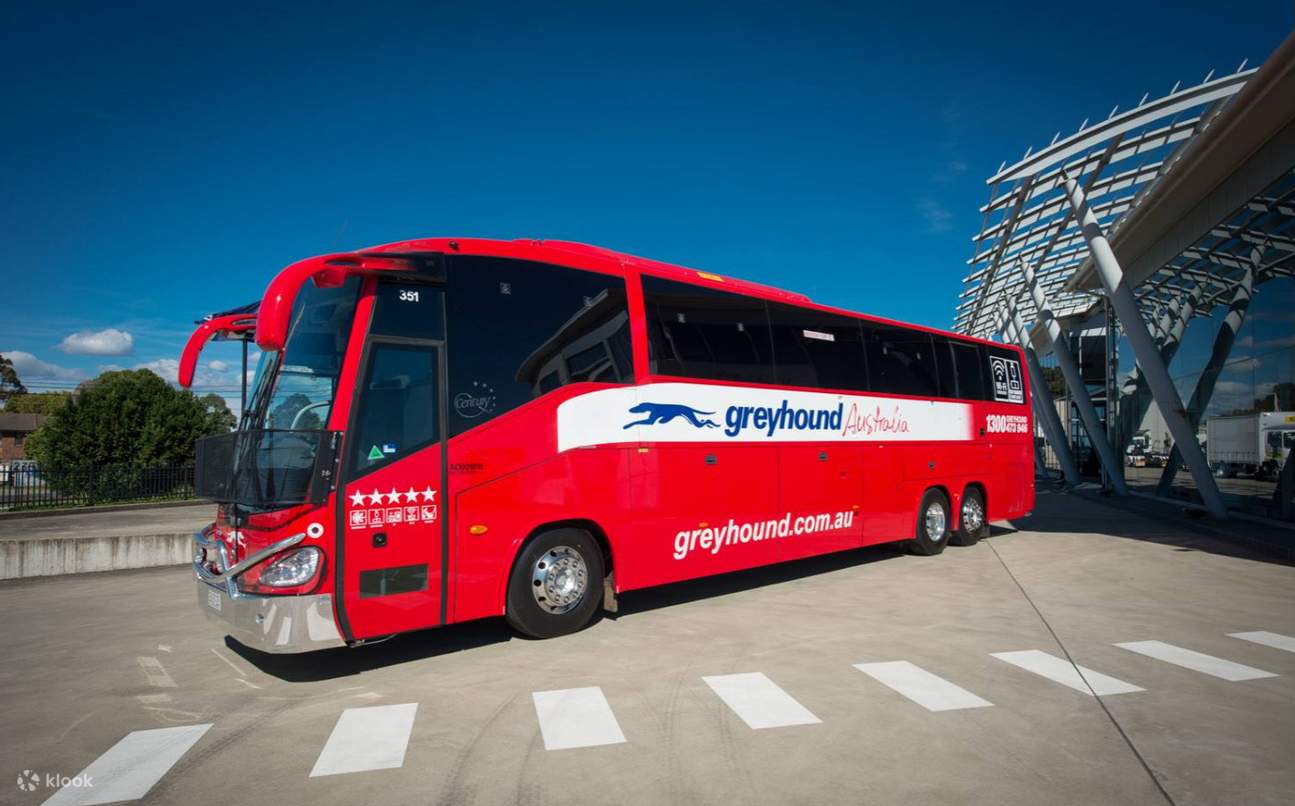
A successful trip starts with choosing the right destination and checking transportation options before departure.
Greyhound's route network can help travelers explore different locations, but planning is important because not every smaller town has frequent departures or direct services.
Step-by-Step Travel Planning
Step 1: Choose Your Destination
Think about the type of experience you want. It could be a historic town, a peaceful countryside location, a cultural destination, or a place known for outdoor activities.
Step 2: Check Available Bus Routes
Visit the and enter your departure and arrival locations to check available services.
Step 3: Compare Ticket Prices
Review different departure dates and times. Booking earlier may provide access to more fare options, depending on availability.
Step 4: Check Your Bus Stop Location
Confirm the departure and arrival addresses. Some stops may be located outside the main town centre.
Step 5: Plan Local Transportation
Research taxis, local buses, walking routes, and other transportation options for reaching your accommodation or attractions.
Step 6: Prepare Your Luggage
Check the baggage allowance before packing. Greyhound's published North American baggage policy generally includes one carry-on bag and one stored bag per passenger, subject to applicable route rules.
9. Important Things to Consider Before Booking
Although bus networks offer several advantages, passengers should consider a few practical details before purchasing tickets.
Factor | What to check |
Travel duration | Compare journey times |
Departure schedule | Confirm available departure times |
Ticket price | Review the complete fare |
Connections | Check transfer time between buses |
Bus station | Confirm the exact boarding location |
Baggage | Review luggage restrictions |
Local transport | Plan how to reach your final destination |
Helpful Travel Tips
Book tickets in advance when possible.
Arrive at the bus stop early.
Keep your digital ticket easily accessible.
Carry essential items in your hand luggage.
Check service updates before departure.
Allow extra time for connecting journeys.
Keep important documents and valuables secure.
These small steps can help prevent common travel problems.
10. The Future of Intercity Bus Networks
The future of intercity transportation will likely involve greater digital integration, improved passenger experiences, and more attention to regional connectivity.
As travelers look for affordable and convenient ways to explore, bus operators have opportunities to improve the overall journey experience.
Some important developments shaping the industry include:
Better Digital Travel Experiences
Online booking platforms and mobile applications can make it easier to compare transportation options, access tickets, and manage reservations.
Improved Passenger Comfort
Travelers increasingly expect convenient onboard features, comfortable seating, charging facilities, and reliable travel information.
More Regional Travel Opportunities
Connections between major cities and smaller communities can encourage more people to explore destinations outside traditional tourist routes.
Growing Interest in Affordable Travel
Rising travel expenses encourage consumers to compare different transportation methods. Intercity buses can provide an alternative for people who want to manage their holiday budgets.
More Connected Travel Networks
Partnerships between transportation providers can create additional route choices and make it easier for passengers to plan journeys involving multiple destinations.
Ultimately, the success of these developments will depend on reliable schedules, useful connections, affordable fares, and the quality of passenger services.
11. Why Greyhound Remains Relevant for Budget-Conscious Travelers

Despite the availability of flights, private vehicles, and other transportation services, intercity buses continue to serve an important role in travel.
Greyhound appeals to travelers looking for transportation options across North America, particularly those interested in comparing costs and exploring destinations beyond major metropolitan areas.
Its wider network with FlixBus, digital booking facilities, and onboard amenities make it a relevant option for people planning different types of journeys.
Who Can Benefit From Greyhound?
Budget-conscious tourists: Travelers comparing transportation expenses.
Students: People visiting family or travelling between educational locations.
Weekend explorers: Individuals planning short trips.
Solo travelers: Passengers who prefer not to drive.
International visitors: Tourists exploring multiple North American destinations.
However, passengers should always check the actual route, schedule, fare, and connection details before making travel arrangements.
FAQ'S
They connect smaller towns and regional communities with major transportation hubs, making these locations easier for visitors to reach.
Greyhound can be a useful option for budget-conscious travelers because it offers different routes and fare choices. Prices depend on the destination, date, and availability.
Yes. Greyhound's destination listings include numerous smaller communities alongside major cities across its North American network. Route availability should be checked before booking.
Greyhound highlights facilities such as Wi-Fi, power outlets, restrooms, and additional legroom. Specific amenities may vary by bus and route.
You can visit the official Greyhound website or use its mobile app to search for routes, compare schedules, and purchase available tickets.
Sources and notes
Links the author listed for this post.
Greyhound Official Website – Routes, booking, travel services, and onboard amenities. Greyhound Destinations – Destination information across the United States. Greyhound Bus Stops – Bus stop and station information. Greyhound Baggage Policy – Passenger baggage information.
More on AltFTool
- AltFTool (opens in a new tab)
altftool.com


Discussion
0 comments