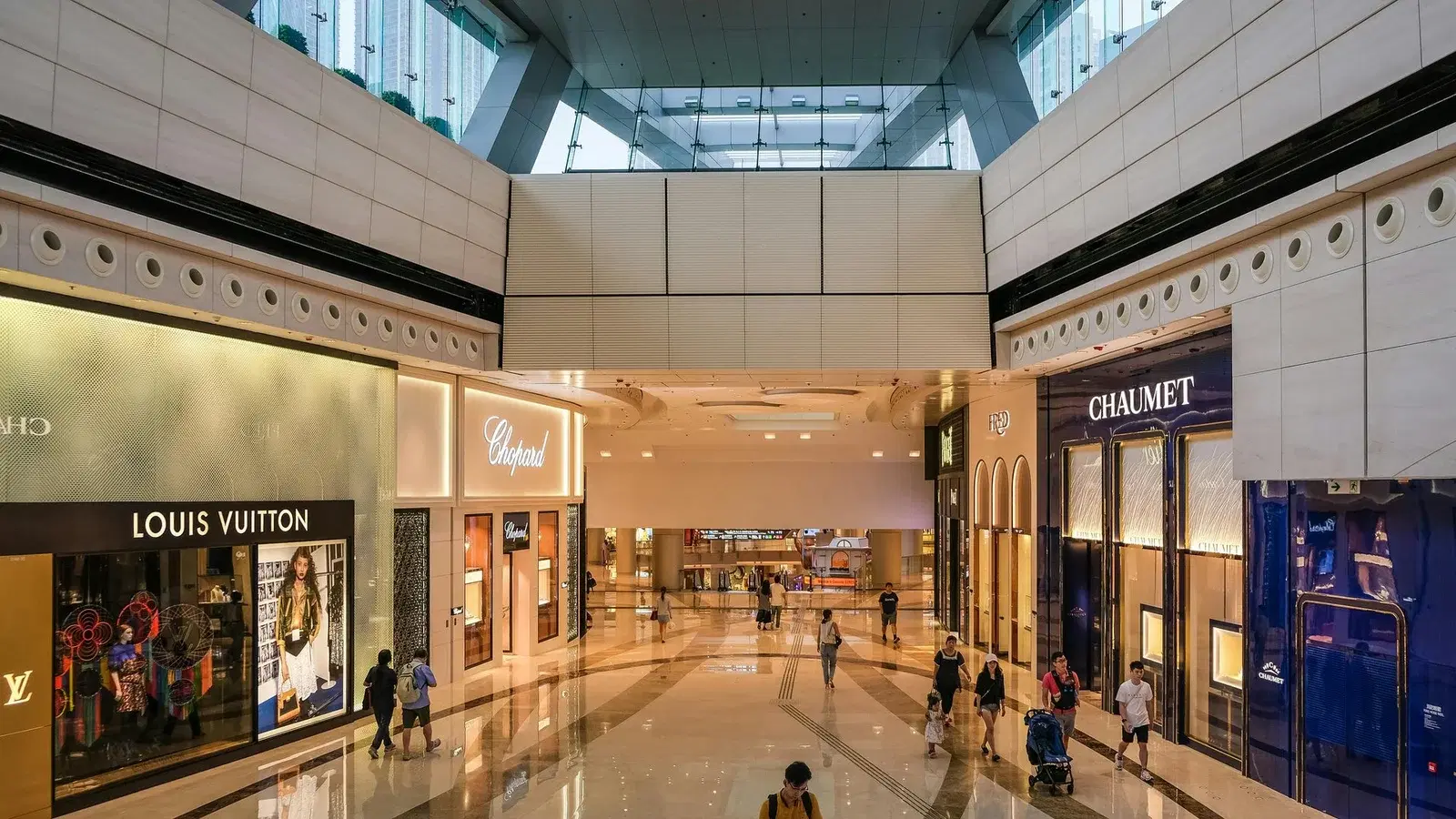
Department stores have long been familiar shopping destinations where customers could explore fashion, beauty, homewares, accessories and everyday lifestyle products under one roof. However, the way people shop is changing. Today, customers are not simply looking for products; they are also seeking convenience, inspiration, personalised service and memorable experiences.
This shift is encouraging department stores to rethink their role in modern retail. Instead of operating only as places to purchase goods, they are becoming spaces where shopping connects with lifestyle, discovery and customer engagement.
Myer, one of Australia's established department store retailers, reflects this changing retail landscape. With its combination of physical stores, online shopping, brand partnerships and customer-focused services, Myer demonstrates how traditional retail can evolve to meet contemporary expectations.
The future of department stores may depend not only on what they sell, but also on how they make customers feel, discover and experience those products.
Why Department Stores Are Changing
The growth of online shopping has made product discovery and purchasing more convenient than ever. Customers can compare prices, explore brands and place orders without visiting a physical store.
As a result, traditional retailers need to offer something more valuable than simply displaying merchandise.
Customers Want More Than Products
Modern shoppers often look for a combination of convenience and experience. They may visit a department store to explore new fashion collections, discover beauty products, receive expert advice or find inspiration for their homes.
A well-designed store can make these activities enjoyable and engaging.
Shopping Is Becoming More Personal
Customers increasingly appreciate recommendations that match their preferences, lifestyle and purchasing habits.
Department stores can use customer insights, loyalty programs and knowledgeable staff to create more relevant shopping experiences.
Personalisation does not always require advanced technology. Helpful service, thoughtful product displays and clear recommendations can also make customers feel understood.
From Traditional Retail to Lifestyle Destinations
A lifestyle destination brings together products, services and experiences that reflect how people live.
Instead of focusing on individual departments, retailers can create a connected environment where customers explore different needs and interests.
Traditional Department Store | Modern Lifestyle Destination |
|---|---|
Focuses mainly on product sales | Combines products with experiences |
Organises shopping around departments | Connects categories through lifestyle themes |
Offers limited interaction beyond purchasing | Encourages discovery and engagement |
Relies heavily on physical browsing | Integrates physical and digital shopping |
Provides general customer assistance | Offers personalised guidance and services |
Measures success mainly through transactions | Builds long-term customer relationships |
This transformation helps department stores remain relevant in a retail environment where customers have many purchasing options.
How Myer Is Adapting to Modern Retail
Myer has a long retail history in Australia, beginning with its first store in Bendigo in 1900. Its established presence gives the brand an opportunity to combine traditional department-store familiarity with modern retail expectations.
The company describes its current direction through improvements to stores, its multichannel offering and the MYER one loyalty program.
Creating a Connected Shopping Experience
Today's customers may discover a product online, visit a store to examine it and complete their purchase through either channel.
A connected retail experience allows these interactions to work together.
Myer's online store and physical locations provide customers with different ways to explore its merchandise. This approach supports shoppers who prefer digital convenience as well as those who enjoy visiting stores.
Bringing Different Lifestyle Categories Together
Department stores offer an advantage through their broad product selection.
Customers can explore fashion, beauty, homewares, electronics, children's products and other categories within one retail environment.
The Importance of In-Store Experiences
Physical stores continue to offer something that online shopping cannot fully reproduce: direct interaction with products, people and surroundings.
Customers can feel fabrics, test selected beauty products, compare home accessories and receive assistance from retail professionals.
Personalised Services Make Shopping Valuable
Services can turn a routine shopping visit into a more useful experience.
Myer provides several examples through its official in-store experience offerings, including bra fitting, gift registry, beauty services, café and dining options, and selected formalwear fitting services.
These services demonstrate how department stores can support customers beyond the checkout.
Creating Memorable Store Environments
A welcoming store environment encourages customers to explore.
Retailers can improve the shopping experience through:
Clear and attractive product displays
Comfortable and accessible store layouts
Helpful staff interactions
Seasonal and occasion-based merchandise
Engaging beauty and fashion areas
Convenient places to pause and relax
The objective is not simply to make stores visually appealing. It is to make them easier and more enjoyable to use.
Fashion and Beauty as Discovery Experiences
Fashion and beauty departments are particularly well suited to experience-led retail.
Customers often want to understand how products look, feel and work before making a decision.
Fashion Inspiration Beyond the Shopping Rack
Fashion displays can help customers imagine complete outfits rather than viewing individual garments separately.
Styling suggestions, coordinated collections and occasion-based displays can make product discovery more inspiring.
For example, a department store could create a display around travel essentials, workwear, weekend outfits or seasonal celebrations.
This approach connects shopping with real-life needs.
Beauty Products and Personal Guidance
Beauty shopping often involves experimentation and personal preference.
Customers may benefit from product demonstrations, consultations and knowledgeable recommendations.
When beauty departments create welcoming spaces for discovery, they can encourage customers to explore products with greater confidence.
Homewares and Everyday Lifestyle Inspiration
Homewares are another important part of the department-store experience.
Customers may visit a store to find practical household products, but they can also discover ideas for improving their living spaces.
Turning Products Into Inspiration
Instead of displaying every item independently, retailers can present products through coordinated themes.
A bedroom display might combine bedding, cushions, lighting and decorative accessories. A kitchen display could bring together cookware, tableware and storage solutions.
These arrangements help customers visualise how products might work together in their own homes.
Supporting Seasonal Shopping
Lifestyle displays can also reflect changing seasons and occasions.
Examples include:
Summer entertaining
Winter comfort and bedding
Back-to-school essentials
Wedding and gifting collections
Holiday decorations
Everyday home organisation
Seasonal inspiration makes the shopping environment feel more relevant and encourages customers to return for new ideas.
The Role of Technology in Modern Department Stores
Technology is helping retailers connect physical shopping with digital convenience.
However, the most effective technology is often the kind that makes the customer's experience simpler.
Online Discovery and Store Visits
Customers can use digital platforms to research products before visiting a store.
Online product information, availability details and shopping tools can help them make more informed decisions.
Retailers can also use digital channels to introduce new collections and provide inspiration that encourages store visits.
Loyalty Programs and Customer Engagement
Loyalty programs help retailers maintain relationships with customers beyond individual purchases.
Myer's MYER one program is part of its customer engagement approach. The company identifies loyalty and customer understanding as important elements of its retail strategy.
When used thoughtfully, loyalty programs can help customers discover relevant offers and provide retailers with insights into shopping preferences.
What Makes a Department Store a True Destination?
Becoming a lifestyle destination requires more than adding cafés or improving displays.
Retailers need to create a consistent experience that reflects customer expectations across products, services and shopping channels.
Key Element | Why It Matters |
|---|---|
Product variety | Helps customers meet multiple needs in one visit |
Personalised service | Builds confidence and customer satisfaction |
Store atmosphere | Encourages browsing and exploration |
Digital convenience | Makes shopping flexible |
Loyalty engagement | Supports long-term relationships |
Lifestyle inspiration | Connects products with everyday experiences |
Accessibility | Makes stores welcoming to different customers |
The strongest department-store experiences combine these elements rather than relying on a single attraction.
The Future of Department Stores
Department stores are likely to continue evolving as customer expectations and retail technology develop.
The future may involve more flexible store layouts, stronger online integration, curated product collections and services that make shopping more useful.
Physical stores may increasingly function as places for discovery, advice, product interaction and fulfilment.
For Myer and other established retailers, the opportunity lies in balancing heritage with innovation. A familiar retail name can remain meaningful when it continues to respond to how people live and shop today.
FAQs
Customers increasingly seek inspiration, convenience, personalised services and enjoyable experiences alongside product purchases.
Myer combines physical stores, online shopping, diverse merchandise, customer services and its MYER one loyalty program.
Helpful staff, engaging displays, product variety, convenient services and a comfortable shopping environment.
Yes. They allow customers to interact with products, receive personal assistance and enjoy experiences that digital shopping may not fully provide.
It is likely to become more connected, personalised and experience-focused, combining digital convenience with the advantages of physical retail.
Sources and notes
Links the author listed for this post.
This article is based on publicly available information about Myer's retail history, merchandise categories, customer services, in-store experiences and multichannel strategy. The discussion of broader department-store trends is editorial and intended for general informational purposes.


Discussion
0 comments