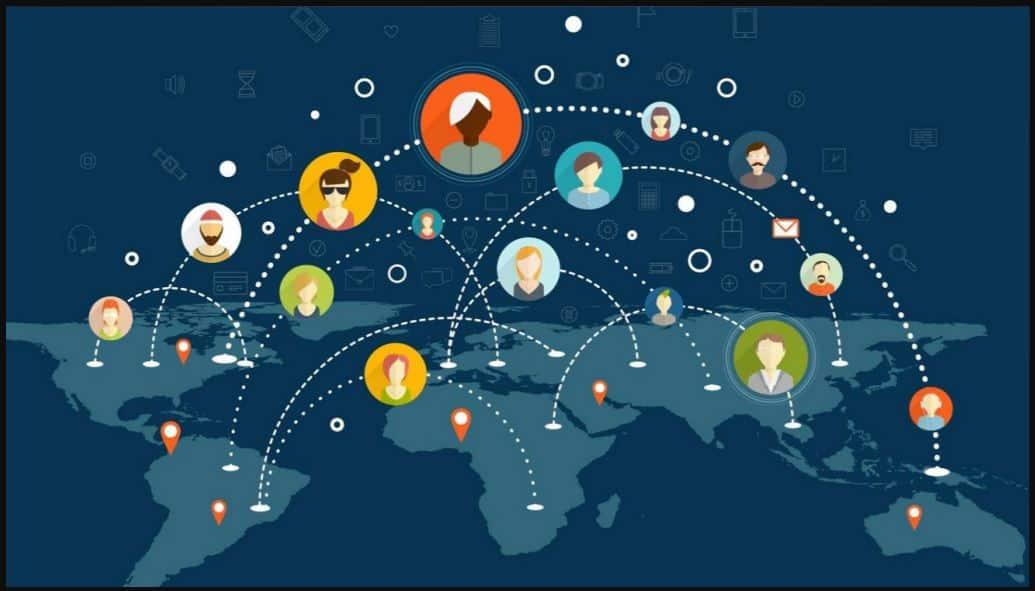
Globalization has changed the way people live, communicate, work, travel, and experience different cultures. Today, the world is more connected than ever. People can explore international food, watch movies from different countries, learn foreign languages, and celebrate festivals from other parts of the world without travelling far from home. These connections have made cultural exchange a regular part of modern life.
In 2026, globalization continues to influence cultural traditions, fashion, entertainment, education, business, and social relationships. The internet, international travel, social media, and global trade have made it easier for people to discover new ideas and lifestyles. At the same time, many communities are working to protect their traditional customs, languages, and cultural identities.
Understanding the relationship between globalization and culture helps us see how societies are changing and why cultural diversity remains important in the modern world.
1. What Is Globalization and How Does It Affect Culture?
Globalization refers to the growing connection between countries through trade, technology, communication, education, travel, and business. It allows people, products, services, and ideas to move across international boundaries more easily.
Culture includes the traditions, languages, beliefs, food, clothing, music, art, and lifestyles shared by a community. When people from different countries interact, they exchange cultural experiences and learn about different ways of living.
For example, someone living in India can enjoy Korean music, Italian food, American films, and Japanese animation. Similarly, international audiences can explore Indian festivals, traditional clothing, yoga, and regional cuisine.
These interactions create opportunities for cultural learning and encourage people to understand different communities.
2. How Technology Is Connecting Different Cultures
Technology is one of the biggest reasons cultural exchange has become easier. Smartphones, social media platforms, video-sharing websites, and online communities allow people to communicate across countries within seconds.
People can watch international documentaries, attend online cultural events, learn traditional dances, and explore historical places through digital platforms.
Some important ways technology connects cultures include:
Social Media: Platforms help people discover international traditions, festivals, food, and lifestyles.
Video Streaming: International movies, television shows, and documentaries introduce audiences to different cultures.
Online Learning: Digital courses make foreign languages, history, and cultural studies more accessible.
Virtual Events: People can participate in international exhibitions, concerts, and cultural celebrations.
Digital Communities: Online groups connect people with similar interests across geographical boundaries.
Technology has made cultural knowledge easier to access, although users should also evaluate information carefully because not everything shared online is accurate.
3. The Influence of Globalization on Food and Cuisine
Food is one of the most enjoyable ways to experience another culture. Globalization has introduced people to different cooking styles, ingredients, recipes, and dining traditions.
Today, international dishes are available in many cities around the world. People can enjoy Japanese sushi, Italian pizza, Mexican tacos, Chinese noodles, and Indian curries without travelling to their countries of origin.
Restaurants, food delivery platforms, international chefs, and cooking channels have helped popularize global cuisine.
Globalization has also encouraged cultural fusion in cooking. Chefs experiment with ingredients and techniques from different regions to create new dishes. For example, traditional recipes may be combined with international flavours to offer something different.
However, local food traditions remain important. Regional ingredients, traditional cooking methods, and family recipes continue to represent cultural identity. Maintaining these traditions helps communities preserve their culinary heritage.
4. How Global Fashion Trends Are Changing Traditional Clothing
Fashion is another area where globalization has created noticeable changes. International fashion brands, designers, celebrities, and social media influencers introduce clothing styles to audiences worldwide.
People can now explore fashion trends from different countries and combine them with their personal preferences.
For example, traditional Indian clothing such as sarees, kurtas, and lehengas is gaining attention among international audiences. Similarly, Japanese streetwear, Korean fashion, and Western casual clothing influence everyday styles in different regions.
Global fashion has also encouraged designers to experiment with traditional patterns, fabrics, and modern designs.
However, traditional clothing continues to hold cultural and emotional value. Many people wear cultural outfits during weddings, festivals, religious ceremonies, and special occasions.
The growing popularity of international fashion does not mean traditional clothing has lost its importance. Instead, both styles can exist together.
5. The Impact of Globalization on Music, Movies and Entertainment
Entertainment has become one of the strongest ways cultures influence each other. Movies, television shows, music, and digital content allow audiences to experience stories and creative traditions from different parts of the world.
International entertainment is now easily accessible through streaming platforms and social media.
For example, Korean dramas and K-pop have attracted audiences across different countries. Hollywood films reach international viewers, while Indian cinema introduces audiences to regional stories, music, and cultural traditions.
Music has also become more international. Artists collaborate across borders, combine different musical styles, and create songs for audiences with diverse interests.
This exchange gives creators new opportunities and helps audiences appreciate different forms of artistic expression.
At the same time, local entertainment industries play an important role in protecting regional languages, traditional music, and cultural storytelling.
6. The Role of Globalization in Language and Communication
Language is an important part of cultural identity. It reflects a community's history, traditions, values, and way of understanding the world.
Globalization has increased communication between people who speak different languages. English is widely used in international business, education, tourism, and digital communication. However, many other languages continue to connect communities across the world.
Language-learning applications, translation tools, online classes, and international educational programmes have made learning new languages easier.
People are also becoming more interested in learning languages such as Spanish, French, Japanese, Korean, and Mandarin.
Despite these opportunities, smaller languages can face challenges when younger generations increasingly use more widely spoken languages. Supporting local languages through education, literature, cultural programmes, and digital content is important for preserving linguistic diversity.
7. How Globalization Is Changing Festivals and Cultural Celebrations
Festivals are closely connected to a community's history, beliefs, and traditions. Globalization has helped many cultural celebrations reach international audiences.
Today, people from different backgrounds participate in festivals, cultural exhibitions, and traditional celebrations around the world.
For example:
Diwali: The Indian festival of lights is celebrated by communities in several countries.
Christmas: Christmas traditions, decorations, and celebrations are observed across many parts of the world.
Chinese New Year: Lunar New Year celebrations introduce people to traditional performances, food, and customs.
Holi: The Indian festival of colours has gained international recognition through cultural events and celebrations.
Eid: Muslim communities worldwide celebrate Eid through prayers, family gatherings, food, and charitable activities.
International celebrations create opportunities for people to learn about different customs and traditions.
However, understanding the cultural meaning behind a festival is just as important as enjoying its celebrations. Respecting religious practices and local customs helps make cultural exchange more meaningful.
8. Globalization and the Growth of International Tourism
Travel allows people to experience cultures directly. Globalization has made international tourism more accessible through improved transportation, online booking services, and digital travel information.
Tourists can explore historical monuments, traditional markets, museums, local communities, and cultural festivals in different countries.
Cultural tourism also supports local businesses, including hotels, restaurants, tour operators, artisans, and traditional performers.
For example, visitors travelling to India may explore historic forts, temples, traditional markets, and regional festivals. Similarly, travellers visiting Japan can experience traditional tea ceremonies, historic temples, and local customs.
However, tourism should be responsible. Visitors should respect local traditions, follow community guidelines, protect historical sites, and support local businesses.
Responsible tourism helps preserve cultural heritage while creating economic opportunities for local communities.
9. The Positive Effects of Globalization on Culture
Globalization offers several benefits by encouraging cultural understanding and creating opportunities for international cooperation.
Some major positive effects include:
Cultural Awareness: People become more familiar with traditions and lifestyles from other countries.
Knowledge Sharing: Communities can exchange educational ideas, artistic skills, and traditional practices.
Creative Opportunities: Artists, designers, musicians, and filmmakers can reach international audiences.
Better Communication: Digital platforms help people connect across geographical and cultural boundaries.
Economic Growth: Cultural tourism, international food businesses, fashion, and entertainment create employment opportunities.
Greater Diversity: People can explore different cultural experiences and develop broader perspectives.
These benefits show how cultural exchange can encourage cooperation and mutual respect.
10. Challenges of Globalization in Preserving Traditional Culture
Although globalization creates many opportunities, it can also bring challenges for local communities.
One major concern is the gradual decline of traditional practices. When international trends become more popular, some local customs, crafts, languages, and cultural activities may receive less attention.
Other important challenges include:
Loss of Local Languages: Younger generations may stop using traditional languages in everyday communication.
Cultural Uniformity: Different societies may begin following similar fashion, entertainment, and lifestyle trends.
Declining Traditional Skills: Handmade crafts and traditional occupations may struggle to compete with mass-produced products.
Commercialization of Festivals: Cultural celebrations may become more focused on marketing than their original meaning.
Misrepresentation: Cultural traditions can sometimes be presented inaccurately or without proper historical context.
These challenges highlight the importance of protecting cultural heritage while remaining open to international influences.
11. The Importance of Cultural Identity in a Globalized World
Cultural identity gives people a sense of belonging and connection to their communities. It includes language, family traditions, food, beliefs, history, clothing, and shared experiences.
In a globalized world, people can enjoy international trends while maintaining their own cultural values.
For example, a person may enjoy international music, wear modern fashion, and use global digital platforms while continuing to celebrate traditional festivals and speak their regional language.
Cultural identity does not need to remain unchanged. Traditions naturally develop over time as societies experience new ideas and lifestyles.
The important thing is to maintain a balance between cultural development and heritage preservation.
12. How to Preserve Cultural Heritage in the Modern World
Preserving cultural heritage requires participation from individuals, families, educational institutions, governments, and local communities.
Traditional knowledge and cultural practices can continue to reach future generations through everyday activities and organised efforts.
Here are some practical ways to protect cultural heritage:
Teach Traditional Languages: Encourage children to learn and use their local languages.
Celebrate Cultural Festivals: Participate in traditional celebrations and understand their history.
Support Local Artists: Purchase handmade products and support traditional craftspeople.
Document Cultural History: Record traditional stories, songs, recipes, and historical experiences.
Promote Cultural Education: Include local history and heritage in educational activities.
Visit Heritage Sites: Explore museums, monuments, and cultural centres while respecting preservation rules.
Use Digital Platforms: Share accurate information about traditional art, customs, and regional practices.
These efforts help keep cultural traditions meaningful and accessible for future generations.
13. The Future of Globalization and Culture in 2026 and Beyond
The relationship between globalization and culture will continue to develop as technology, communication, and international cooperation become more advanced.
Digital platforms are expected to create more opportunities for cultural exchange. Artificial intelligence, virtual experiences, online education, and international creative collaborations may make cultural knowledge more accessible.
People will also have more opportunities to explore international art, music, food, fashion, and traditions.
At the same time, communities will need to focus on protecting their cultural identities. Local languages, traditional crafts, historical sites, and regional customs deserve continued attention.
The future of culture will depend on finding a healthy balance between global connections and local traditions.
Rather than replacing one culture with another, globalization can create opportunities for different communities to learn from each other while preserving what makes them unique.
Conclusion
Globalization has transformed the way cultures interact, develop, and influence one another. From international food and fashion to music, entertainment, tourism, and technology, cultural exchange has become an important part of everyday life.
In 2026, people have more opportunities than ever to explore different traditions and connect with communities around the world. These connections encourage creativity, cultural awareness, and mutual understanding.
It is the exchange of traditions, ideas, food, languages, and lifestyles between different countries.
It introduces new influences while sometimes creating challenges for preserving traditional customs.
It increases cultural awareness and helps people understand different communities.
Yes. Some traditional languages, customs, and crafts may receive less attention due to global influences.
By supporting local languages, celebrating traditional festivals, teaching cultural history, and protecting heritage sites.
Sources and notes
Links the author listed for this post.
Content is based on general knowledge of globalization, cultural diversity, international tourism, digital communication, and cultural heritage.
Discussion
0 comments
No comments yet
Discussion will appear here once it loads.