Live events bring people together in ways that few other experiences can. Whether it is a favourite singer performing on stage, an important football match, a comedy show, a theatre production, or a music festival, attending an event can create memories that last for years.
However, getting tickets is not always easy. Popular events can sell out quickly, prices may change depending on demand, and people sometimes need to resell tickets when their plans change. This is where online event and ticket marketplaces have become increasingly important.
Today, ticket marketplaces allow people to discover events, compare available seats, purchase tickets, and sometimes resell tickets they can no longer use. Instead of relying entirely on physical box offices or individual sellers, fans can explore multiple listings through digital platforms.
Websites such as StubHub are examples of this marketplace model. They connect people looking to buy tickets with sellers offering tickets for concerts, sports, theatre, and other live entertainment events.
But how do these platforms actually work? Are resale tickets different from original tickets? What should buyers check before making a purchase? And how can sellers list their tickets responsibly?
This guide explores the events and ticket marketplace industry in 2026, including its features, benefits, ticket resale process, pricing, safety considerations, and emerging trends.
What Is an Events & Ticket Marketplace?

An events and ticket marketplace is an online platform where people can discover, buy, and sometimes sell tickets for live entertainment and other scheduled events.
These platforms bring buyers and sellers together through a digital marketplace. Depending on the service, users may find tickets for concerts, sports competitions, festivals, theatre performances, comedy shows, exhibitions, and special events.
There are two main types of ticket markets:
1. Primary Ticket Market
The primary market is where tickets are initially sold by an event organizer, venue, promoter, or its authorized ticketing partner. These tickets are generally made available during the original ticket sale.
2. Secondary Ticket Market
The secondary market allows previously purchased tickets to be resold. For example, someone who bought concert tickets but can no longer attend may list them for another fan to purchase.
Secondary marketplaces can provide another opportunity to find tickets after an event's original sale has ended. However, resale prices, availability, transfer rules, and buyer protections can differ.
Platforms such as StubHub operate in the secondary ticket marketplace, connecting people who want to sell tickets with fans who want to attend events.
How Do Online Ticket Marketplaces Work?
Online ticket marketplaces simplify the process of finding and purchasing event tickets. Although individual platforms have different features, the general process follows a similar pattern.
1. Event Discovery
The process usually starts with searching for an event. Users can browse by artist, sports team, event name, city, venue, or date.
For example, someone looking for a concert might search for an artist's name and explore upcoming tour dates. A sports fan might search for a particular team and compare tickets for different matches.
2. Browse Available Tickets
Once users select an event, the platform displays available ticket listings.
Depending on the marketplace, listings may include:
Ticket prices.
Seating sections and rows.
Number of available tickets.
General admission options.
Ticket delivery methods.
Event dates and venue information.
Some platforms also provide interactive seating maps that help buyers understand where different tickets are located.
3. Compare Prices and Seating Options
Ticket prices can vary significantly, even for the same event.
Factors such as seat location, event popularity, availability, timing, and seller expectations can influence the asking price.
Comparing multiple listings helps buyers decide whether a particular ticket offers reasonable value.
4. Complete the Purchase
After choosing a listing, buyers review the order details, enter payment information, and complete the transaction.
Before confirming, they should check the total price, including mandatory service or delivery fees, as well as the expected ticket delivery date.
5. Receive and Access Tickets
Tickets may be delivered through mobile applications, digital wallets, email instructions, electronic transfers, or physical shipping.
The delivery method depends on the event organizer, original ticket provider, and marketplace.
Buyers should follow the official delivery instructions and make sure their tickets are accessible before travelling to the venue.
Major Types of Events Available on Ticket Marketplaces
One of the biggest advantages of online ticket marketplaces is the variety of events they can bring together.
1. Concerts and Music Festivals
Concerts are among the most popular event categories on ticket marketplaces.
Fans can search for individual performances, international tours, local concerts, music festivals, and special live shows. Availability may include general admission, reserved seating, VIP packages, and other ticket categories.
2. Sports Events
Sports marketplaces provide access to tickets for football, basketball, baseball, cricket, tennis, motorsports, and other competitions.
Fans can compare different seating sections and choose tickets based on their preferred view, budget, and match schedule.
3. Theatre and Performing Arts
Theatre marketplaces may include musicals, plays, opera performances, ballet, dance shows, and other stage productions.
Some performances have limited seating, making early planning especially important.
4. Comedy Shows
Comedy events include stand-up performances, touring comedians, comedy festivals, and special live appearances.
Ticket marketplaces make it easier to explore different dates and venues when a performer has multiple shows scheduled.
5. Festivals and Special Events
Food festivals, cultural celebrations, exhibitions, conventions, and seasonal entertainment events can also be listed on event platforms.
These experiences may have different ticket types, entry conditions, age restrictions, and access requirements.
Important Features of Modern Ticket Marketplaces
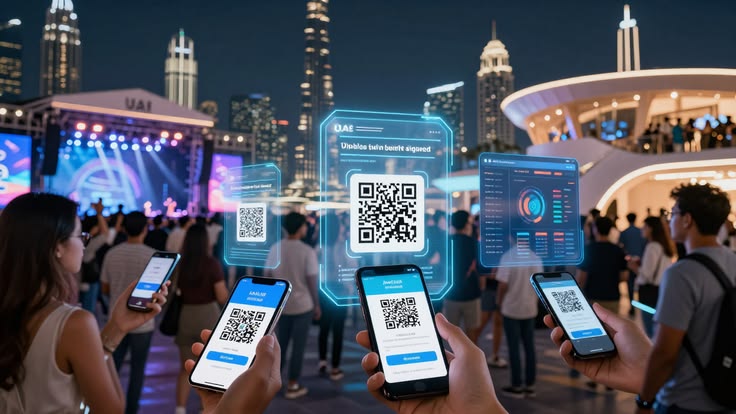
A good ticket marketplace should make event discovery and ticket purchasing straightforward. Beyond displaying available listings, modern platforms offer tools that help buyers compare options and sellers manage their tickets.
1. Event Search and Filters
Search tools allow visitors to find events without browsing through unrelated listings.
Useful filters may include:
Event category.
Location and venue.
Event date.
Price range.
Seating section.
Ticket quantity.
Availability.
These filters are especially useful when users are flexible about dates or locations.
2. Interactive Seating Maps
Seating maps help buyers understand the layout of a stadium, arena, theatre, or concert venue.
Instead of choosing a ticket based only on its section name, users can review its approximate location and compare different seating areas.
However, a seating map may not show every detail of the actual view. Buyers should check any available seat notes and venue information before purchasing.
3. Mobile Ticketing
Mobile ticketing allows users to access tickets through supported applications or digital ticket systems.
Depending on the event, a mobile ticket may contain a barcode, QR code, or another entry credential.
Some tickets use rotating or dynamic barcodes that update over time. In such cases, screenshots may not work at the entrance. Buyers should follow the official instructions for accessing their tickets.
4. Secure Payment Processing
Online payment systems allow customers to complete transactions without exchanging cash directly with individual sellers.
Payment security is an important part of marketplace operations. Buyers should use the official checkout process and avoid requests to pay through unrelated links or private transfers.
5. Ticket Resale Options
Resale features allow ticket holders to list tickets they cannot use.
A typical resale process includes entering event details, selecting ticket quantities, setting a price, providing delivery information, and publishing the listing.
The marketplace may provide pricing suggestions or seller instructions, but the exact rules depend on the platform.
6. Order Tracking and Notifications
Order notifications help buyers and sellers keep track of important updates.
These may include purchase confirmations, payment information, ticket delivery notifications, event changes, and customer support messages.
Keeping track of these updates can prevent confusion, especially when tickets are transferred close to the event date.
7. Buyer Protection and Customer Support
Ticket marketplaces may offer guarantees designed to protect buyers if a ticket is not delivered, is invalid, or does not match the order.
For example, StubHub offers its FanProtect Guarantee, which describes protections such as timely ticket delivery, valid entry, and replacement tickets or refunds when eligible under its terms.
Buyers should always read the current guarantee policy to understand its coverage, exclusions, deadlines, and available remedies.
Benefits of Using Online Event Ticket Marketplaces
Online ticket marketplaces have changed how people find and purchase tickets. They offer several advantages compared with relying only on traditional ticket sales.
More Event Choices
Users can explore different event categories, venues, dates, and ticket types from one online platform.
This makes it easier to discover performances and sporting events they might otherwise miss.
Access to Sold-Out Events
When original ticket sales are complete, secondary marketplaces may offer additional listings from existing ticket holders.
This does not mean every sold-out event will have available tickets, but it can provide another option for interested fans.
Flexible Buying Options
Buyers can compare different seating locations, prices, and ticket quantities instead of choosing from a limited set of original-sale options.
Convenient Online Transactions
Users can search, purchase, and manage tickets from computers or smartphones without visiting a physical box office.
Opportunities for Ticket Resale
People who can no longer attend an event may be able to resell eligible tickets rather than leave them unused.
However, resale is subject to the event organizer's rules, ticket restrictions, and the marketplace's policies.
Access to Buyer Support
Established marketplaces may provide customer service and purchase protection policies. These can offer more structured support than informal transactions with unknown individuals.
How Does Ticket Reselling Work?
Ticket resale is an important part of the secondary marketplace. It allows ticket holders to offer eligible tickets to other people when they cannot attend an event or no longer need their seats.
The process generally works as follows.
Step 1: Check Whether the Ticket Can Be Resold
Before creating a listing, sellers should review the ticket's terms and event organizer's rules.
Some tickets have transfer restrictions, identity requirements, or conditions that prevent resale.
Step 2: Select the Event
The seller searches for the correct event and confirms the date, venue, ticket category, and seating information.
Accurate details are essential because buyers rely on listing information when choosing tickets.
Step 3: Set a Selling Price
Sellers generally choose their own asking price on resale marketplaces.
Pricing may depend on the original purchase cost, seat location, event demand, remaining availability, and how close the event date is.
A seller should compare similar listings and consider the total price buyers will pay.
Step 4: Provide Ticket Details
The seller enters the required information and selects an approved delivery or transfer method.
They should never upload misleading information or list tickets they do not have the right to sell.
Step 5: Complete the Transfer and Receive Payment
Once a ticket is sold, the seller follows the marketplace's instructions to transfer or deliver it.
Payment timing varies by platform and may depend on the event date, successful delivery, and marketplace policies.
Understanding Ticket Prices, Fees and Market Demand
Ticket pricing can be confusing, particularly when buyers compare the original ticket price with resale listings.
In the primary market, the event organizer or its ticketing partner generally determines the original ticket price. In a secondary marketplace, individual sellers commonly set their own asking prices.
This means resale tickets can sometimes be cheaper than their original price, while tickets for highly demanded events may be listed above face value.
What Influences Ticket Prices?
Several factors can affect ticket prices.
Event popularity: Major concerts, championship matches, and highly anticipated performances may attract strong demand.
Seat location: Premium seats and desirable viewing positions can command higher prices.
Ticket availability: Limited listings may influence what sellers are willing to charge.
Event timing: Prices may change as the event approaches, depending on demand and remaining inventory.
Seller expectations: Different sellers may have different pricing goals, even when their tickets are for similar seats.
Understanding Marketplace Fees
The ticket price is not always the only amount buyers need to consider.
Marketplaces may charge service, delivery, or other applicable fees. Sellers may also be subject to selling fees or payment conditions.
Before completing a purchase, buyers should:
Check the complete order total.
Review any mandatory fees.
Confirm the payment currency.
Understand the refund and cancellation policy.
Compare the final cost of similar listings.
Transparent pricing is important because it helps customers make informed decisions instead of comparing incomplete ticket prices.
How to Buy Event Tickets Safely Online
Buying tickets online can be convenient, but buyers should still take precautions, particularly when purchasing resale tickets.
1. Use Established Ticketing Platforms
Choose a marketplace with clear contact information, transaction policies, and published buyer protection terms.
Avoid relying on unfamiliar websites that provide little information about their operations.
2. Review the Complete Ticket Details
Check the event name, venue, date, time, seating section, row, and number of tickets.
Even a small mistake in the event or date can cause significant inconvenience.
3. Understand Ticket Delivery
Check whether tickets will be delivered immediately or closer to the event.
If mobile transfer is required, make sure you understand which application or account is needed.
4. Avoid Private Payment Requests
Be cautious if someone asks you to pay through an unrelated website, direct bank transfer, gift card, or another payment method outside the marketplace.
Keeping the transaction within the official platform may preserve access to its applicable protections.
5. Read the Refund and Cancellation Policy
Event cancellations, postponements, and schedule changes can affect ticket eligibility and refunds.
Understand the relevant terms before buying, particularly for expensive or international events.
6. Protect Your Account
Use a strong password and enable additional account security where available.
Never share passwords, verification codes, or private account details with sellers or unknown individuals.
Common Challenges in the Ticket Marketplace Industry
Although online marketplaces offer convenience, the industry still faces several challenges.
High Resale Prices
Some tickets may be listed at prices considerably higher than their original value. This can make popular events difficult for people with limited budgets.
Fake or Invalid Tickets
Fraudulent listings and unauthorized transfers remain important concerns across the resale market. Buyers should understand the protections offered by their chosen platform and follow official ticket delivery procedures.
Unclear Fees
When fees are not displayed clearly, buyers may find the final cost higher than expected. Transparent all-in pricing helps reduce this confusion.
Ticket Transfer Restrictions
Not all tickets can be transferred freely. Some event organizers use mobile-only systems, identity checks, or restricted resale options.
Event Cancellations and Postponements
Weather, technical problems, performer illness, and other unexpected circumstances can affect event schedules.
The applicable refund or credit options depend on the event's terms, local laws, and marketplace policy.
Customer Support Delays
High-demand events can generate a large number of customer enquiries. Buyers should keep order confirmations and support correspondence available in case they need assistance.
Events & Ticket Marketplace Trends in 2026
The ticket marketplace industry continues to develop as technology changes how people discover, purchase, and access live events.
1. Mobile-First Ticket Experiences
Mobile tickets have become an important part of modern event entry. Digital delivery reduces the need for physical tickets and allows users to access event information from their phones.
2. AI-Powered Event Discovery
Artificial intelligence can help platforms organize event recommendations based on user-selected interests, location preferences, and browsing activity.
When implemented responsibly, these tools can make event discovery more convenient.
3. Dynamic Ticketing Technology
Some ticketing systems use changing digital barcodes and secure transfer methods to make unauthorized duplication more difficult.
This technology can improve ticket management, although buyers must follow the specific entry instructions for each event.
4. Greater Focus on Pricing Transparency
Customers increasingly expect to understand the full price before confirming a purchase.
Clearer fee displays and easier comparison tools can help build trust between marketplaces and buyers.
5. Personalized Event Recommendations
Ticket platforms may use browsing preferences, saved events, and notification settings to help users discover performances and matches they are interested in.
Customers should also have clear information about how their personal data is used.
6. Better Digital Customer Support
Automated help systems, order tracking, and improved support workflows can make it easier for customers to find answers about payments, ticket delivery, and event updates.
Human customer support remains important for complicated situations that automated systems cannot resolve.
Is StubHub an Example of an Online Ticket Marketplace?
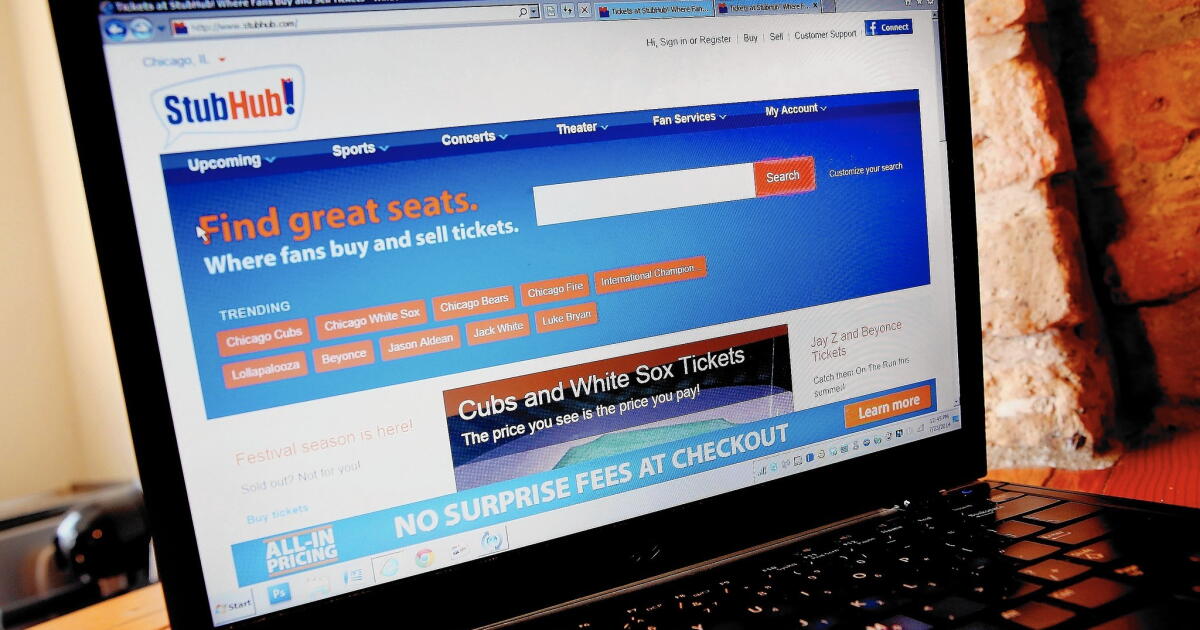
StubHub is an example of a digital ticket marketplace that connects buyers and sellers for live entertainment and sporting events.
The platform allows users to search for events, compare available ticket listings, and purchase tickets through its online marketplace. It also provides options for eligible ticket holders to list tickets for resale.
One of its main buyer-protection features is the FanProtect Guarantee. According to its published policy, the guarantee covers eligible orders and provides remedies such as replacement tickets or a refund when its conditions are met.
Some of the platform's key areas include:
Event discovery: Browse concerts, sports, theatre, and other live events.
Ticket listings: Compare available ticket prices and seating options.
Resale functionality: List eligible tickets that are no longer needed.
Digital ticket delivery: Access supported mobile and electronic ticket options.
Buyer protection: Review the FanProtect Guarantee and applicable purchase terms.
Customer support: Find assistance with orders, delivery, and ticket-related questions.
As with any ticket marketplace, users should review the event details, final price, delivery method, and current terms before completing a transaction.
The platform's features and availability can vary depending on the country, event, and ticket type.
How to Choose the Right Ticket Marketplace
Not every ticket marketplace offers the same experience. Before choosing one, consider what matters most for your event and purchasing needs.
Selection Factor | What to Consider |
|---|---|
Event availability | Does the platform list the event you want to attend? |
Ticket authenticity | What verification or buyer protection policies are offered? |
Pricing transparency | Can you see the complete price before checkout? |
Seat information | Are section, row, and seating details available? |
Delivery options | Are mobile, electronic, or physical tickets supported? |
Refund policy | What happens if the event is cancelled or tickets are invalid? |
Customer support | Can you contact the platform if an issue occurs? |
Regional availability | Does the platform support your country and payment method? |
It is also worth checking whether the event organizer recommends a particular ticket provider. Some events have restrictions on tickets purchased through unauthorized resale channels.
Final Thoughts
Events and ticket marketplaces have made it easier for people to discover live entertainment, compare ticket options, and connect with other fans. From concerts and sporting competitions to theatre performances and festivals, online platforms have become an important part of the modern event experience.
Their biggest advantage is convenience. Buyers can explore listings, compare seating options, review prices, and manage ticket purchases online. Sellers can also find opportunities to pass on eligible tickets when their plans change.
However, convenience should never replace careful decision-making. Buyers should check ticket details, understand marketplace fees, review delivery instructions, and read the relevant protection policies before making a purchase.
As mobile ticketing, AI-powered discovery, and digital security continue to develop, ticket marketplaces are likely to become more sophisticated. Ultimately, the best platform is one that offers a clear purchasing process, transparent pricing, reliable support, and useful protection for customers.
FAQ's
An events and ticket marketplace is an online platform where people can discover, buy, and resell tickets for concerts, sports, theatre, and other live events.
They connect ticket buyers with sellers, allowing users to browse events, compare prices, select seats, and complete purchases online.
Yes, some secondary ticket marketplaces offer resale listings for sold-out events, depending on ticket availability and event restrictions.
It can be safer to use established marketplaces with clear buyer protection policies, secure payments, and verified ticket delivery processes.
Yes, many ticket marketplaces allow eligible ticket holders to list tickets for resale, subject to event rules and platform policies.
Sources and review notes
References used to check facts, freshness, and reader-safe recommendations in this guide.
This article is based on publicly available information about the events and ticket marketplace industry, including online ticket booking, secondary ticket sales, resale practices, digital ticket delivery, pricing, and buyer protection.
- 1
Discussion
0 comments
No comments yet
Discussion will appear here once it loads.