Electronics and home appliances have become an essential part of modern living. From smartphones and laptops to refrigerators, washing machines and smart televisions, these products help people communicate, work, manage household responsibilities and enjoy entertainment. As technology continues to develop, consumers are also becoming more careful about what they buy, how much they spend and how long their purchases will last.
The electronics and home appliances retail industry has changed significantly over the years. Traditional retail stores are now supported by online shopping platforms, digital product comparisons, customer reviews, flexible delivery options and after-sales services. Customers can explore hundreds of products, compare specifications and check availability without visiting multiple stores.
In 2026, this retail sector is about more than simply selling electronic devices. It brings together technology, convenience, energy efficiency, product support and customer experience. Retailers offer everything from everyday household essentials to advanced smart-home equipment, gaming devices and personal technology.
Worten Portugal is one example of a retailer operating across several of these categories. Its product directory includes major and small home appliances, computers, smartphones, televisions, photography equipment, home products and related services. Looking at this wider retail model helps explain how the industry serves different customer needs.
What Is Electronics & Home Appliances Retail?

Electronics and home appliances retail refers to the sale of electronic devices, household equipment, technology accessories and related products through physical stores and online platforms.
The sector serves a broad range of customers. Some people shop for essential household appliances when moving into a new home, while others replace an older smartphone, upgrade a computer or purchase entertainment equipment. Businesses and professionals may also buy computers, printers, networking equipment and other technology products.
The industry generally includes two major areas:
Consumer electronics: Products used for communication, computing, entertainment, photography and personal technology.
Home appliances: Equipment designed to make household activities easier, including cooking, cleaning, food storage, laundry and climate control.
Many retailers bring both categories together with furniture, home accessories, installation, repair and maintenance services. This allows customers to explore several household and technology needs through one shopping destination.
Major Product Categories in Electronics & Home Appliances Retail
Understanding the main product categories makes it easier to navigate the market and choose products that match individual requirements.
1. Large Home Appliances
Large appliances are important household investments because they are used frequently and can remain in service for many years. Choosing the right model requires attention to size, capacity, energy consumption, features and installation requirements.
Common products include:
Refrigerators and freezers: Help preserve food and beverages. Buyers can compare capacity, cooling technology, storage layout and energy efficiency.
Washing machines: Designed for different laundry loads, fabric types and washing preferences.
Tumble dryers: Help dry clothes, particularly in homes where outdoor drying space is limited.
Dishwashers: Reduce the time and effort involved in cleaning kitchen utensils and dishes.
Ovens and cooktops: Available in different sizes, heating systems and installation styles.
Air conditioners: Help manage indoor temperatures and improve comfort during warmer periods.
Before purchasing a large appliance, consumers should measure the available space and check the electrical, plumbing or ventilation requirements. A product that looks suitable online may not fit through a doorway or into the intended installation area.
2. Small Home Appliances
Small appliances make everyday household tasks more convenient. They are generally easier to move and install than large appliances, although their features and performance can differ considerably.
Popular examples include:
Coffee machines and electric kettles
Air fryers and microwave ovens
Blenders and food processors
Toasters and sandwich makers
Vacuum cleaners
Steam cleaners and garment irons
Fans, heaters and air purifiers
When comparing these products, shoppers should consider how often they will use them. A coffee machine with advanced settings may be useful for someone who enjoys experimenting with different drinks, while a simpler model may be more practical for occasional use.
3. Smartphones and Mobile Accessories
Smartphones are among the most widely used consumer electronics products. They support communication, photography, navigation, entertainment, online payments and professional activities.
Retailers commonly offer different smartphone brands, storage capacities and price ranges. Customers can also explore accessories such as:
Protective cases and screen protectors
Charging adapters and cables
Wireless chargers and power banks
Earphones and headphones
Phone stands and car mounts
Smartwatches and fitness trackers
A good smartphone purchase should be based on practical needs rather than specifications alone. Battery life, software support, camera quality, storage, durability and repair options can all influence long-term satisfaction.
4. Computers, Laptops and Tablets
Computers and tablets support education, remote work, business operations, creative projects and entertainment.
The right device depends on how it will be used.
Laptops: Suitable for students, professionals and people who need a portable computer.
Desktop computers: Often preferred for fixed workstations, demanding applications and upgrade flexibility.
Gaming computers: Designed to handle demanding games and graphics-intensive workloads.
Tablets: Useful for reading, video calls, browsing, note-taking and portable productivity.
Computer accessories: Include keyboards, mice, webcams, monitors, printers, external storage and laptop stands.
Before buying a computer, customers should compare the processor, memory, storage, display, battery life and operating system. People working with video editing, 3D design or advanced software may need more powerful hardware than someone who mainly browses the internet and writes documents.
5. Televisions, Audio and Entertainment Equipment
Home entertainment technology continues to evolve, offering improved picture quality, sound performance and connectivity.
Common products include:
Smart televisions
OLED, QLED and LED televisions
Soundbars and home cinema systems
Bluetooth speakers
Wireless headphones
Gaming consoles and accessories
Streaming and media devices
Screen size is only one factor when choosing a television. Resolution, viewing distance, refresh rate, brightness, connectivity and available streaming applications should also be considered.
For audio equipment, shoppers should think about where the product will be used. A portable Bluetooth speaker may be suitable for outdoor listening, while a soundbar or home cinema system may offer a better experience for films and television.
6. Photography, Video and Gaming Equipment
Photography and gaming are important areas of the wider consumer electronics market. These products appeal to hobbyists, content creators, professionals and entertainment enthusiasts.
Photography equipment can include digital cameras, lenses, tripods, lighting accessories, drones and action cameras. Buyers should consider image quality, sensor size, lens compatibility, portability and recording capabilities.
Gaming products include consoles, gaming laptops, desktop computers, controllers, keyboards, mice, headsets and monitors. Performance requirements vary depending on the games being played and the preferred gaming experience.
How Online Electronics Retail Has Changed Shopping
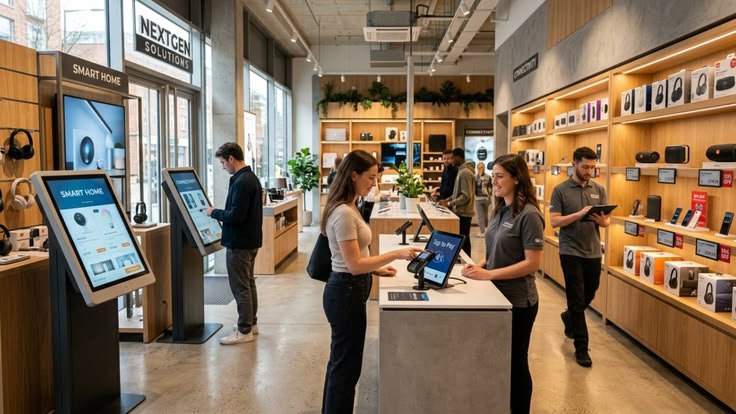
Online shopping has made it easier for customers to research products before making a purchase. Instead of relying entirely on in-store assistance, shoppers can read specifications, compare prices, check customer feedback and explore different models from home.
Several features have contributed to this change.
Product Comparison
Comparison tools help customers evaluate similar products by looking at price, specifications, features and available options. This is especially useful when choosing appliances or computers with many technical differences.
Customer Reviews and Ratings
Reviews can provide practical information about product performance, usability and common problems. However, shoppers should look for detailed and balanced feedback rather than relying only on star ratings.
Online Product Availability
Digital retail platforms can display products from different categories and sellers. Customers may find more options than those available in a single physical store.
Flexible Delivery and Collection
Depending on the retailer, product and location, customers may be able to choose home delivery, store collection or faster delivery services. Large appliances may have separate delivery and installation arrangements.
Digital Customer Support
Online help centres, order tracking and customer service channels make it easier to check delivery updates, request assistance and understand return procedures.
These features have made online retail more convenient, but shoppers still need to check seller information, product conditions, delivery terms and return policies before ordering.
Important Technology and Retail Trends in 2026
The electronics and home appliances industry continues to respond to changing consumer expectations. Several developments are influencing product design, retail operations and shopping decisions.
1. Smart Home Technology
Smart home devices allow compatible products to connect through wireless networks and mobile applications. Examples include smart lighting, connected security cameras, smart plugs, thermostats and voice-controlled devices.
These products can help automate certain household tasks and provide remote control. However, compatibility matters. Customers should check whether devices work with their existing ecosystem and whether an internet connection or subscription is required.
2. Energy-Efficient Appliances
Energy efficiency has become an important consideration for households trying to manage electricity consumption. Refrigerators, washing machines, dishwashers and air conditioners can contribute significantly to household energy use.
An efficient appliance may have a higher purchase price but could reduce running costs over time. Buyers should compare official energy labels, estimated consumption and expected usage rather than choosing a product based on its initial price alone.
3. Artificial Intelligence in Consumer Technology
Artificial intelligence is increasingly appearing in consumer devices. Smartphones use AI-powered photography and voice features, computers offer AI-assisted productivity tools, and some home appliances use sensors and automated programmes to adjust their operation.
These features can improve convenience, but not every AI function is essential. Customers should understand what a feature actually does and whether it provides meaningful value for their needs.
4. Connected and Automated Appliances
Connected appliances can communicate with mobile applications or other compatible devices. Depending on the model, users may be able to monitor operating status, receive maintenance alerts or adjust selected settings remotely.
Before buying, it is worth checking connectivity requirements, app compatibility, software support and privacy settings.
5. Refurbished and Reconditioned Electronics
Refurbished products offer another option for customers who want to manage their spending or reduce electronic waste. These products may have been inspected, repaired, tested or restored before being offered for resale.
However, refurbished does not always mean the same thing across retailers. Buyers should check the product's condition grade, battery health where relevant, included accessories, warranty coverage and return conditions.
6. More Personalised Shopping Experiences
Retailers are increasingly using digital tools to help customers discover products based on browsing behaviour, previous purchases and stated preferences. Product recommendations and personalised offers can make browsing easier, although shoppers should still compare alternatives independently.
How to Choose the Right Home Appliance
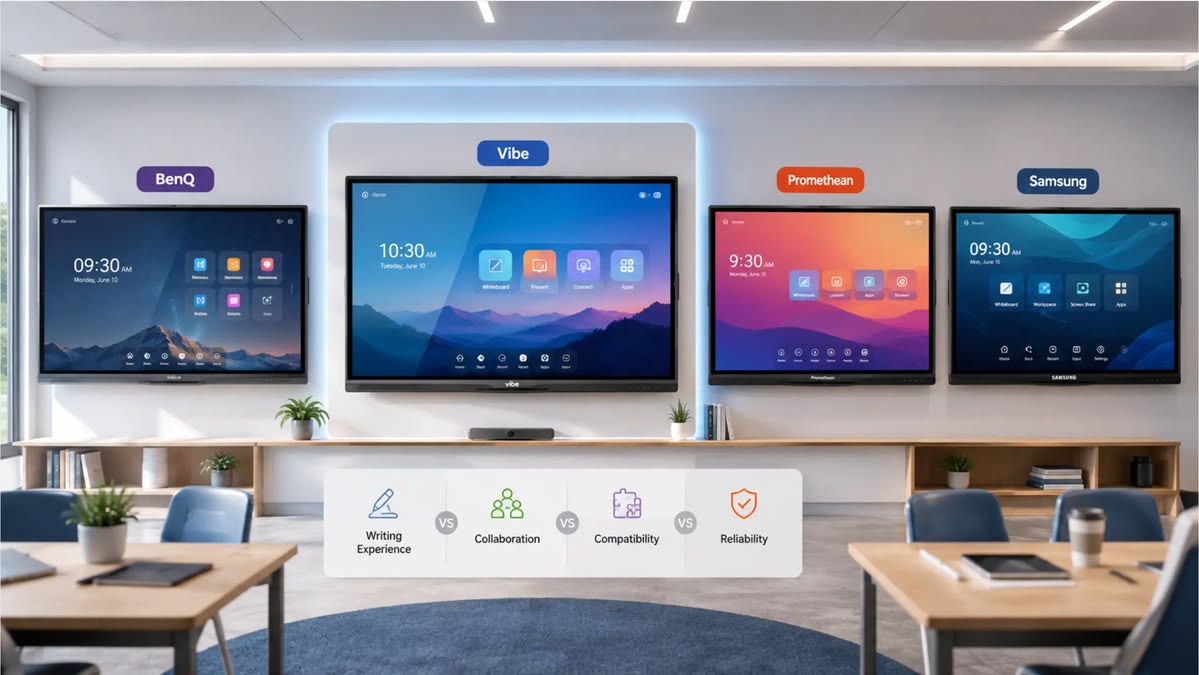
Buying a household appliance should involve more than checking the brand or promotional price. A practical purchase starts with understanding the household's requirements.
Identify Your Actual Needs
Consider how many people will use the appliance, how frequently it will operate and which features are genuinely important.
For example, a large washing machine may be useful for a family with frequent laundry needs, while a smaller model may be sufficient for an individual or couple.
Check Size and Installation Requirements
Measure the space where the appliance will be placed. Check its height, width, depth, ventilation clearance and access requirements.
For built-in appliances, confirm cabinet dimensions and installation compatibility before ordering.
Compare Energy Consumption
Look at the product's energy label and estimated consumption. Consider how frequently the appliance will be used and the potential effect on household electricity costs.
Review Essential Features
Focus on useful features rather than paying extra for functions that may rarely be used. For example, multiple washing programmes may be helpful for households with different fabric needs, while basic controls may be enough for others.
Understand Warranty and Repair Support
Check the warranty period, what it covers, how repairs are arranged and whether service support is available in your area. Also consider the availability and cost of replacement parts.
How to Choose the Right Consumer Electronics
Consumer electronics can become outdated as technology changes, so it is important to balance current needs with expected long-term use.
Compare Specifications
Specifications help explain what a device can do. For a laptop, this may include processor type, RAM, storage and display quality. For a smartphone, it may include battery capacity, camera features, screen technology and software support.
Think About Compatibility
Check whether a new device works with existing accessories, software, operating systems and connected products.
For example, a computer accessory may require a particular connection type, while a smart-home product may only support selected platforms.
Consider Software and Security Updates
Devices that receive regular software and security updates can remain useful and better protected for longer. Before purchasing, check the manufacturer's update policy where information is available.
Evaluate Repairability and Durability
A lower-priced device may not always offer the best long-term value. Build quality, repair options, replacement parts and battery replacement availability can influence the overall ownership experience.
Understanding Electronics Retail Marketplaces
Many online electronics retailers operate both as direct sellers and as marketplaces for third-party businesses.
This distinction is important because the seller can influence delivery, returns, warranty handling and customer support.
A direct retail purchase is generally made from the retailer itself. A marketplace purchase may involve an independent seller using the retailer's website to list products.
Before ordering from a marketplace, customers should check:
The name of the actual seller
Whether the product is new, used or refurbished
Delivery arrangements and estimated arrival dates
Return and cancellation conditions
Warranty responsibility
Customer service contact details
Whether the product is compatible with local requirements
A familiar website does not automatically mean every product listed on it is sold directly by that retailer. Reading the product page and seller information helps avoid confusion.
Delivery, Installation and After-Sales Services
For electronics and home appliances, the shopping experience does not end when payment is completed. Delivery, installation and after-sales support can be just as important as the product itself.
Home Delivery
Small products may be delivered through standard parcel services, while large appliances often require special handling. Customers should check delivery charges, estimated dates, access requirements and whether the delivery includes placement inside the home.
Installation Services
Some retailers offer installation for selected appliances, televisions and other equipment. The service may be included, optional or charged separately.
Customers should confirm exactly what installation covers. Connecting an appliance to an existing socket may not be the same as carrying out electrical, plumbing or structural work.
Collection of Old Appliances
Some retailers offer collection or recycling of old appliances when a replacement is delivered. Availability and conditions vary, so customers should confirm whether the old product needs to be disconnected, emptied or prepared in advance.
Repairs and Technical Support
Repair services can help extend the useful life of electronic devices and household appliances. Before arranging a repair, check whether the problem is covered by the product warranty and whether an authorised service provider is required.
Returns, Refunds and Warranty: What Buyers Should Know
Returns and warranties are important parts of electronics retail because products may arrive damaged, develop faults or fail to meet a customer's expectations.
However, return rights and warranty conditions depend on the country, seller, product type and purchase method.
For online purchases in Portugal, consumers generally have a 14-day withdrawal period under applicable distance-selling rules, subject to legal exceptions and conditions. Worten also publishes its own return procedures and conditions. Marketplace purchases may follow separate arrangements because the transaction can be made directly with a third-party seller.
Customers should review the current policy before placing an order.
A warranty is different from a voluntary return policy. It concerns the seller's or manufacturer's responsibility when a product does not conform to applicable requirements. Buyers should retain invoices, order confirmations, warranty documents and relevant communications.
When purchasing electronics, it is sensible to check:
The warranty period and coverage
What happens if the product arrives damaged
Whether repair or replacement is available
How to request a refund
Whether return shipping or collection costs apply
Whether accessories and original packaging must be included
How to Shop Smart and Avoid Common Mistakes
Electronics and home appliances can represent a significant expense. A little research before buying can help prevent unnecessary costs.
1. Do not choose only by price. A very low price may come with limited features, unclear warranty coverage or additional delivery costs.
2. Compare the complete product specifications. Two products with similar names may have different capacities, performance levels or technical features.
3. Check the seller. This is particularly important when shopping through an online marketplace.
4. Read the delivery information. Large appliances may require special delivery arrangements, and installation may not be included.
5. Understand the return policy. Check the deadline, product condition requirements and any applicable exceptions.
6. Avoid unnecessary upgrades. Choose the features that support your actual needs rather than paying for specifications you are unlikely to use.
7. Check compatibility. Make sure the product works with your existing devices, connections, room dimensions or household setup.
8. Keep purchase records. Save invoices, receipts, serial numbers and warranty information in case you need technical support.
Sustainability and Responsible Electronics Shopping
The growing use of electronic devices has also increased concerns about energy consumption, resource use and electronic waste.
Consumers can make more responsible choices by considering product lifespan and repair options before buying.
A few practical habits can make a difference:
Choose durable products that meet long-term needs.
Compare energy labels when purchasing appliances.
Repair suitable products instead of replacing them immediately.
Recycle old electronics through authorised collection channels.
Consider refurbished products from sellers that clearly explain their inspection and warranty conditions.
Avoid purchasing devices that offer little practical value.
Responsible shopping does not necessarily mean buying the most expensive or newest product. It means choosing equipment carefully, using it efficiently and disposing of it responsibly when it reaches the end of its useful life.
The Role of Worten in the Electronics and Home Appliances Retail Market
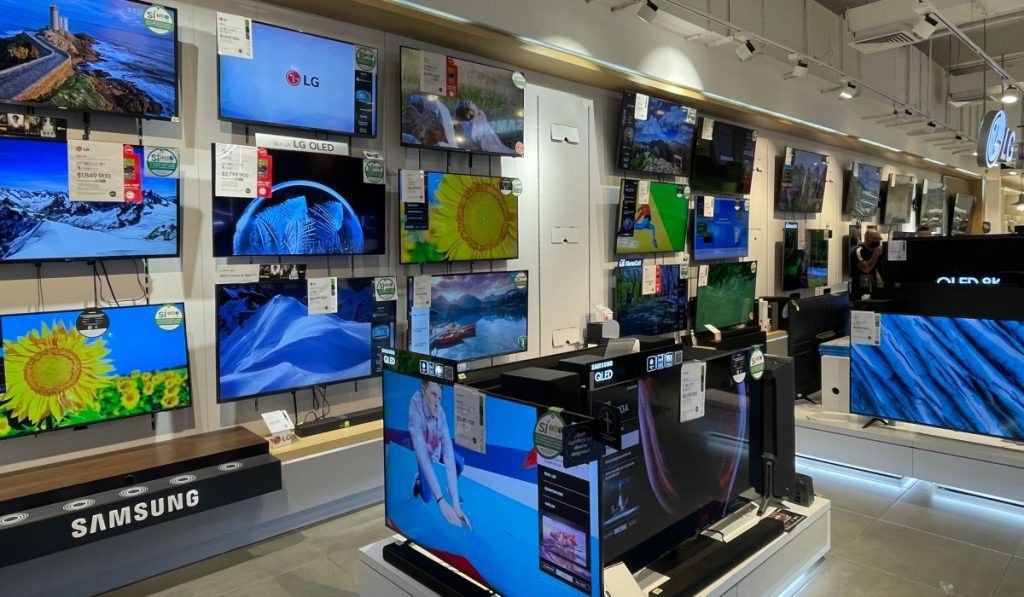
Worten Portugal provides an example of how a modern electronics retailer can combine technology products, household appliances and additional services through online and physical retail channels.
Its online category directory includes refrigerators, washing machines, ovens, small kitchen appliances, computers, smartphones, televisions, photography equipment and home products. The wider retail offering also includes services such as repairs, maintenance, installation and technical assistance.
The retailer's delivery information distinguishes between large-format products, smaller products and marketplace orders. This illustrates why customers should review the specific delivery and seller details attached to each product instead of assuming that all orders follow identical conditions.
Worten also operates a marketplace through which customers can purchase products from third-party sellers. Its online terms explain that marketplace transactions can have different seller and after-sales arrangements from products sold directly by Worten.
This example reflects a wider industry trend: electronics retail is becoming a combination of product discovery, digital shopping, physical stores, delivery logistics and ongoing customer support.
The Future of Electronics & Home Appliances Retail
The industry is likely to keep evolving as technology becomes more connected and consumers demand more convenient shopping experiences.
Smart appliances may become more common as manufacturers improve automation and connectivity. AI-powered features could make devices more responsive to individual needs, while online retail platforms may offer better product comparisons and more personalised recommendations.
Repair services, refurbished electronics and recycling programmes are also likely to remain important as consumers become more conscious of product lifespan and environmental impact.
At the same time, retailers will need to build customer trust through transparent pricing, clear seller information, reliable delivery and accessible support. These factors can influence a purchase just as much as product features or discounts.
Final Thoughts
Electronics and home appliances retail plays an important role in modern households. It connects consumers with products that support communication, productivity, entertainment, cooking, cleaning and everyday comfort.
With so many choices available, successful shopping depends on understanding personal requirements, comparing specifications, checking energy efficiency and reviewing seller, delivery, return and warranty conditions.
Whether someone is purchasing a refrigerator, upgrading a laptop or choosing a smart-home device, the best decision is not always the newest or most expensive option. It is the product that offers the right combination of performance, reliability, convenience and long-term value.
As the industry develops, informed shopping and responsible product choices will remain essential for getting the most out of modern technology.
FAQ's
It includes smartphones, laptops, televisions, refrigerators, washing machines, kitchen appliances and other household technology products.
Compare size, capacity, energy efficiency, features, price, warranty and installation requirements.
Energy-efficient appliances can help reduce electricity consumption and manage long-term household running costs.
Direct retail means purchasing from the retailer, while marketplace shopping involves buying from independent third-party sellers through the retailer's platform.
Worten is a Portuguese retailer offering consumer electronics, home appliances, technology products and related customer services.
Sources and review notes
References used to check facts, freshness, and reader-safe recommendations in this guide.
This article is based on information from Worten Portugal's official website, including its product categories, online shopping terms and conditions, delivery policies and marketplace guidelines.
- 1
- 2
Discussion
0 comments
No comments yet
Discussion will appear here once it loads.