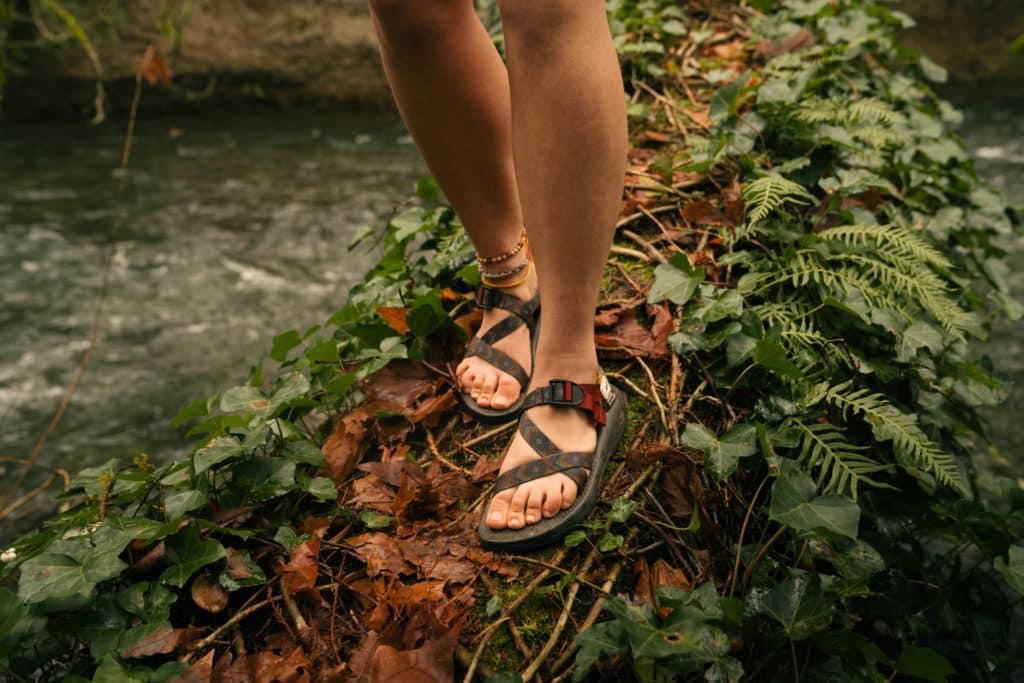
We have all been there. You plan an exciting weekend getaway, pack your bags, lace up a pair of shoes that looked great in your closet, and within two hours of walking, your arches are aching and blisters are forming. Whether you are navigating cobblestone streets in a new city, wading through a rocky river, or just running errands on a Saturday afternoon, the wrong footwear can quietly ruin an otherwise great day.
Over the past few years, one brand has consistently popped up in conversations among hikers, frequent travelers, and people who simply spend a lot of time on their feet: Chaco.
Known instantly by its signature woven straps and rugged soles, Chaco has built a fiercely loyal following. Unlike brands that chase seasonal fashion trends, Chaco takes a strictly function-first approach. Yet, despite being born on the river, these sandals and shoes have found their way into everyday wardrobes, airport security lines, and backyard barbecues.
If you have been thinking about investing in a pair—or if you are simply curious about what makes them different from standard walking sandals—this guide breaks down everything you need to know. From the brand's origins on the Colorado River to a closer look at its best-selling collections, sizing quirks, and repair programs, let’s dive into whether Chaco footwear deserves a spot in your closet.
From River Rafting to Everyday Wear: The Chaco Story

To understand why Chaco shoes look and feel the way they do, it helps to know where they came from. The brand wasn't dreamed up in a corporate boardroom; it started in 1989 with a Colorado whitewater rafting guide named Mark Paigen.
Spending all day on the water creates a very specific footwear problem. Traditional sneakers get waterlogged, heavy, and smelly. Standard flip-flops slip off the moment you hit a rapid or step into deep mud. And most sandals of the late 1980s relied on hook-and-loop Velcro straps, which inevitably clogged with river sand, lost their grip, and fell apart after a single season.
Paigen wanted something better: a sandal that locked securely onto the foot, dried quickly, gripped slick rocks, and offered genuine arch support for long days of standing and portaging gear. His solution was a continuous webbing strap system threaded directly through the midsole, paired with a contoured, orthotic-grade footbed.
That single practical invention evolved into the iconic Chaco Z/Sandal. Over the last three decades, the brand has expanded far beyond river gear. Today, Chaco designs footwear for men, women, and kids across a massive range of styles—including cushioned walking sandals, cozy winter clogs, supportive flip-flops, and casual boots. What ties them all together is that original, problem-solving DNA: build footwear that supports the human foot and survives real-world wear and tear.
Inside the Chaco Collection: Breaking Down the Best Styles
If you visit Chaco’s website for the first time, the lineup can feel a little overwhelming. While the classic strapped sandals get most of the spotlight, the brand offers distinct categories tailored to different climates, terrains, and comfort preferences.
1. The Iconic Z/Sandals (Z/1, Z/2, and Z/Cloud)
The Z/Sandal is the undisputed flagship of the Chaco lineup. At first glance, the crisscrossing straps look complicated, almost like a puzzle. In reality, it is one continuous piece of polyester jacquard webbing that wraps around your foot and passes right through the sole. When you pull one strap, the entire harness tightens evenly around your unique foot shape.
Within the Z/Sandal family, there are three main variations worth knowing:
Z/1 Classic: The original open-toe design with no toe loop. It is ideal if you want total freedom for your toes or if you plan on wearing thick socks with your sandals on chilly mornings (a classic camp look).
Z/2 Classic: Identical to the Z/1, except it includes a dedicated loop around your big toe. That extra anchor point stops your foot from sliding forward when walking down steep trails or wading through strong river currents.
Z/Cloud Series: If you love the look of the Z/1 or Z/2 but find the classic footbed a bit too firm, the Z/Cloud adds a top layer of ultra-soft PU cushioning. It delivers instant "step-in" comfort right out of the box, making it a favorite for all-day theme park visits or city sightseeing.
2. Performance Hiking Sandals (Rapid Pro & CushZ)
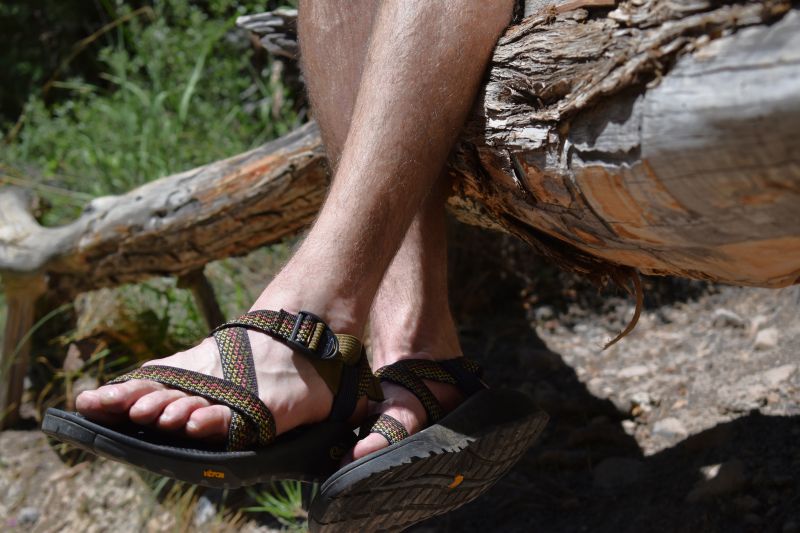
While standard Z/Sandals handle light trails with ease, Chaco also builds specialized hiking sandals engineered for serious mileage and unpredictable terrain. Models like the Rapid Pro feature upgraded outsoles specifically formulated for wet rock traction, alongside thicker webbing and reinforced heel risers.
When shopping for hiking sandals, pay close attention to terrain and weight. If you are carrying a heavy backpack over jagged rocks, you want a firmer footbed that protects your soles from bruising and keeps your ankle stable. If your adventures lean toward well-maintained dirt paths and frequent creek crossings, a lighter, faster-drying model will keep your feet agile without weighing you down.
3. Cozy Clogs (Ramble, Canyon, and Camino)
Not every adventure happens in July, and not everyone wants their toes exposed on a brisk autumn morning. Chaco’s clog collection bridges the gap between rugged outdoor utility and slip-on house-shoe comfort.
The Ramble Clog: Easily one of the brand's most popular cold-weather styles, the Ramble features a quilted, water-resistant ripstop nylon upper lined with soft fleece. Think of it as a sleeping bag for your feet, complete with a real rubber outsole so you can walk the dog, grab coffee, or lounge around a snowy campsite.
The Canyon Leather Clog: Built with rich suede or full-grain leather uppers and a collapsible or adjustable heel strap, this style leans into timeless, everyday casual wear while retaining Chaco's signature arch support.
The Camino Clog: A lighter, streamlined option designed for effortless daily errands and warm-weather transitions when you still want toe coverage.
4. Supportive Flip-Flops (Chillos & Playa Pro)
Most drugstore flip-flops are flat pieces of foam that force your toes to clench with every step—a fast track to heel pain and plantar fasciitis. Chaco’s flip-flops, such as the Chillos Flip and Lowdown Flip, take the opposite approach. They ditch the flat slab in favor of a sculpted, arch-supporting footbed and high-rebound EVA foam. They won’t replace a strapped sandal on a mountain trail, nor are they meant to. Instead, they serve as the ultimate recovery shoe after a long run, a reliable pool-deck companion, or a featherlight backup pair to toss into a carry-on suitcase.
5. Everyday Casual Shoes and Boots

Beyond open sandals and slip-ons, Chaco produces closed-toe sneakers, chelsea boots, and weather-resistant hikers. Styles like the Paonia suede shoes or Fields waterproof boots bring the brand's orthopedic footbed philosophy into year-round office and commuter wear. If you suffer from foot fatigue in standard flat sneakers, these closed-toe options offer a subtle way to get daily arch support without wearing sandals in the middle of winter.
What Actually Makes Chaco Different from Other Brands?
With dozens of outdoor footwear brands competing for attention—from Teva and Keen to Merrell and Birkenstock—what sets Chaco apart? It comes down to four core engineering choices.
The LUVSEAT™ Footbed
Every single pair of Chacos is built around the brand's proprietary LUVSEAT footbed. Unlike memory foam, which feels plush for twenty minutes before compressing flat under your body weight, LUVSEAT is made from durable, high-density polyurethane (PU) or contoured EVA.
It features a deep heel cup that stabilizes your ankle and a pronounced, anatomical arch curve that supports your midfoot. In fact, the design is so effective for foot alignment that it has earned the Seal of Acceptance from the American Podiatric Medical Association (APMA). Many people who struggle with flat feet or plantar fasciitis swear by Chacos specifically because the footbed refuses to sag over time.
The 360-Degree Custom Strap System
Most strapped sandals have fixed anchor points glued into the sole. If you have wide feet, high insteps, or narrow heels, you are stuck with wherever the manufacturer placed the Velcro. Because Chaco’s webbing runs continuously inside channels molded through the midsole, there are no fixed weak points. You can loosen the forefoot strap to accommodate swelling on a hot day while keeping the ankle strap snug—creating a truly bespoke fit.
Serious Outsole Traction (ChacoGrip™ and Vibram)
A supportive sandal is useless if you slip the moment the pavement gets wet. Chaco equips its footwear with proprietary ChacoGrip rubber compounds (and Vibram outsoles on select heritage and performance models). The lug patterns are deep and directional, meaning they shed mud easily and bite into loose gravel, boat decks, and slick river stones.
Built to Be Repaired, Not Thrown Away
Perhaps the most refreshing thing about Chaco is its refusal to treat shoes as disposable. Through its ReChaco program based in Rockford, Michigan, the company repairs tens of thousands of pairs of worn-out sandals every year.
If your dog chews through a strap, the buckle snaps, or you finally wear the tread completely smooth after five summers of heavy hiking, you don’t have to buy a new pair. You can mail your sandals back to Chaco to have them resoled, re-webbed with fresh patterns, or fitted with new buckles for a fraction of the cost of replacement.
Sustainability and Longevity: Looking Beyond the Marketing

In an era where almost every brand slaps an "eco-friendly" label on its packaging, genuine sustainability comes down to one simple metric: how long the product stays out of a landfill.
Because Chaco uses dense polyurethane midsoles rather than cheap EVA foam on its Classic line, a single pair of Z/Sandals routinely lasts 5 to 10 years of regular use. Combining high-durability materials with an accessible mail-in repair factory drastically reduces the environmental footprint of owning footwear.
Additionally, Chaco integrates recycled materials into its supply chain, including Repreve® webbing made from recycled plastic bottles on many strap designs, and EcoTread™ outsoles containing up to 25% recycled rubber. While manufacturing and shipping any physical product carries an environmental impact, buying one well-made pair of sandals that can be resoled twice beats buying five pairs of cheap foam sandals every summer.
Practical Tips Before You Buy Your First Pair
If you are ready to try Chaco footwear, keep a few real-world tips in mind so you get the right fit from day one:
Understand the Break-In Period: If you opt for the Z/1 or Z/2 Classic, expect a short break-in phase. The polyurethane footbed is noticeably firmer than foam sandals. Give your feet a few days of wearing them around the house or on short walks to let your arches adapt. If you want zero break-in time, start with the Z/Cloud or Lowdown series.
Pay Attention to Sizing (Especially Half Sizes): Many Chaco sandals are only available in whole sizes. As a general rule, Chaco sandals run slightly generous in length. If you wear a half size (say, a 9.5), most wearers find that sizing down to a 9 provides a cleaner, less trippy fit—unless you have particularly wide feet, in which case sizing up or choosing a Wide (W) width option is the safer bet.
Learn the "Floss" Trick for Straps: Because the straps run through the sole, tiny grains of sand and dried mud can occasionally wedge inside the channels and make adjusting the straps stiff. Soaking your sandals in warm water with a drop of dish soap and working the straps back and forth ("flossing" the channels) clears out the grit in two minutes.
Tame the Long Tail Strap: When you tighten the buckle, the excess webbing tail hangs off the side of your foot. If you have narrow feet, that tail might drag on the ground. You can tuck the excess strap neatly under the ankle webbing, or request a free strap trim through ReChaco once you know your exact fit.
Test the Toe Loop Before Committing: The Z/2 toe loop offers unbeatable foot security on steep hills, however, if your straps are adjusted too tightly, the loop can cinch down on your big toe as your foot swells in the heat. Always leave a little breathing room in the toe loop, or stick to the strap-free Z/1 if you dislike anything between your toes.
Final Verdict: Is Chaco Worth Exploring?
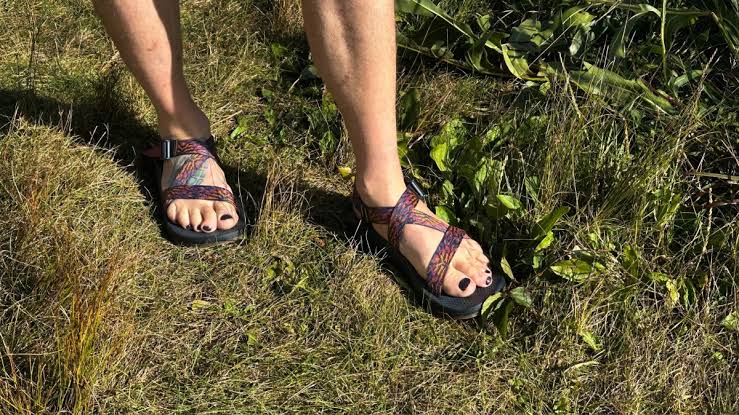
Chaco isn't trying to be everything to everyone. If you want ultra-minimalist barefoot shoes, featherweight ultralight backpacking gear, or sleek dress shoes, you will want to look elsewhere. Classic Chacos have a distinct, substantial weight to them, and their sporty, rugged aesthetic has a personality all its own.
However, if your priority is unmatched arch support, a locked-in custom fit, and footwear tough enough to survive years of travel, water, trails, and daily errands, Chaco stands in a league of its own.
By focusing on orthopedic comfort and long-term repairability rather than disposable fashion, the brand delivers genuine value for your money. Take a few minutes to match the model to your daily routine—whether that means breathable Z/Clouds for summer sightseeing, rugged Z/2s for river hikes, or fleece-lined Ramble clogs for crisp autumn mornings—and your feet will thank you miles down the road.
Chaco Sandals 🥾
Everything you want to know before you add a pair to your cart.
🦶Are Chacos good for all-day walking and arch support?▾
Arch support
📏Should I size up or down if I wear a half size?▾
Sizing
🔀What is the difference between the Z/1 and Z/2?▾
Z/1 vs Z/2
⏳Do Chacos need a break-in period?▾
Comfort
♻️Can worn-out Chacos be repaired?▾
ReChaco
Sources and notes
Links the author listed for this post.
Information is based on Chaco's official website, brand history, product descriptions, and footwear features.
More on AltFTool
- AltFTool (opens in a new tab)
altftool.com
Discussion
0 comments
No comments yet
Discussion will appear here once it loads.