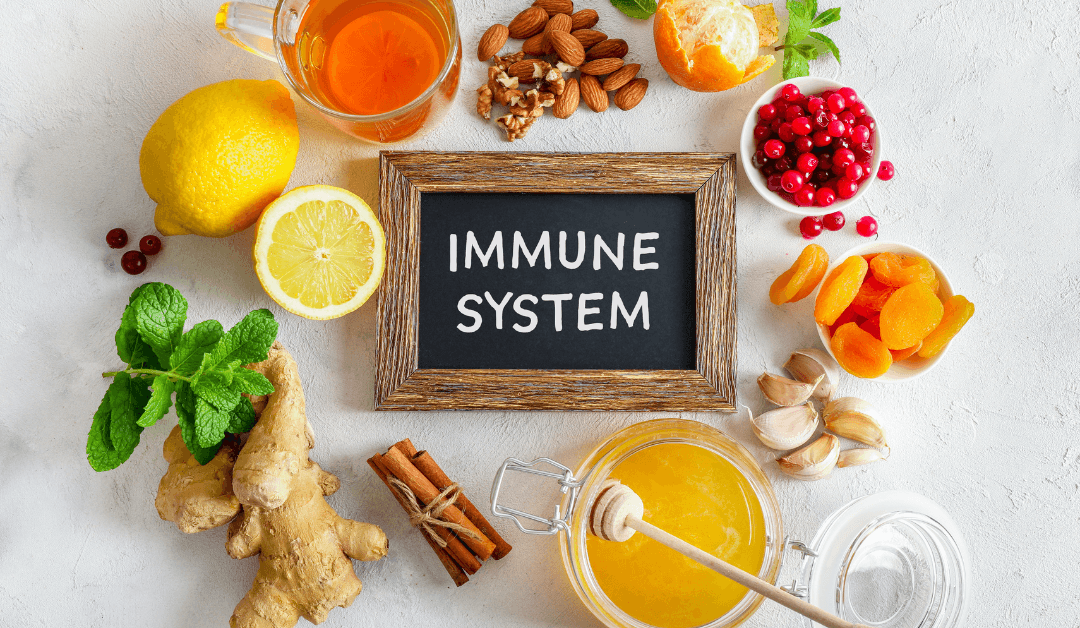
Your immune system works quietly in the background every day. It helps your body fight infections, recover from illness, and stay protected from harmful germs. But good immunity is not about finding one magical food, drink, or supplement. It is mostly about the everyday habits you repeat—what you eat, how well you sleep, how active you are, and how you manage stress.
I have noticed that when my routine becomes irregular, I also feel more tired and less energetic. On the other hand, simple habits like eating balanced meals, drinking enough water, getting proper sleep, and staying active can make a big difference in how I feel.
So, if you are looking for natural ways to support your immune system and stay healthy, start with the basics. You do not need an extreme routine. Small, consistent changes are often easier to maintain.
What Does a Healthy Immune System Do?

The immune system is your body's natural defence system. It includes cells, tissues, organs, and other biological processes that work together to identify and respond to harmful microorganisms.
A healthy immune system does not mean you will never get sick. Instead, the goal is to give your body the nutrition, rest, movement, and care it needs to function properly.
Signs Your Daily Routine May Need Improvement
There is no single symptom that can tell you whether your immune system is "weak." However, an unhealthy lifestyle can affect your overall health and recovery.
Some common signs that your routine may need attention include:
Feeling tired most of the time
Poor sleep or irregular sleeping hours
Frequently skipping meals
Eating very little variety
Spending most of the day sitting
Feeling stressed for long periods
Not drinking enough fluids
Having very little physical activity
Instead of focusing on a quick immunity booster, it is better to build a healthy lifestyle that supports your body consistently.
1. Eat a Balanced and Colourful Diet
Food is one of the easiest places to begin. Your immune system needs a variety of nutrients to function normally, so try not to depend on just one "superfood."
Include different food groups throughout the day, such as vegetables, fruits, whole grains, pulses, nuts, seeds, dairy or suitable alternatives, and protein-rich foods.
Foods That Can Support Overall Health
Fruits
Why include them: Provide vitamins, minerals and fibre.
Vegetables
Why include them: Rich in nutrients and plant compounds.
Pulses
Why include them: Provide protein and fibre.
Whole Grains
Why include them: Provide fibre and energy.
Nuts & Seeds
Why include them: Provide healthy fats and nutrients.
Fermented Foods
Why include them: Can support a healthy gut microbiome.
2. Add Vitamin- and Mineral-Rich Foods
Several vitamins and minerals are important for normal immune function, including vitamin A, vitamin C, vitamin D, vitamin E, zinc, selenium, and iron.
This does not mean you need to take supplements automatically. For many people, a varied diet can provide important nutrients.
For example, citrus fruits and guava can provide vitamin C, while leafy greens and legumes can contribute several vitamins and minerals.
Don't Fall for the "More Is Better" Idea
Taking large amounts of supplements does not automatically make immunity stronger. Some nutrients can be harmful in excessive amounts.
If you think you may have a nutritional deficiency, it is better to speak with a qualified healthcare professional before starting high-dose supplements.
3. Make Sleep a Priority
Sleep is often the first thing people sacrifice when life gets busy. However, quality sleep is an important part of overall health and healthy immune function.
Most adults need around 7–9 hours of sleep per night, although individual needs can vary.
Try to:
Go to bed and wake up around the same time.
Keep your bedroom comfortable and quiet.
Reduce unnecessary screen use before bed.
Avoid heavy meals immediately before sleeping.
Create a relaxing bedtime routine.
A good night's sleep can make the next morning feel completely different.
4. Stay Physically Active
You do not need to spend hours at the gym to support your health.
Walking, cycling, swimming, dancing, yoga, stretching, or strength exercises can all be part of an active lifestyle.
The key is consistency.
Easy Ways to Move More
If you have a desk-based routine, try these simple changes:
Take a short walk after meals.
Use stairs when practical.
Stretch during work breaks.
Walk while talking on the phone.
Spend some time outdoors.
Try a beginner-friendly home workout.
Even small amounts of movement are better than spending the entire day sitting.
5. Drink Enough Water
Water does not magically "boost" immunity, but staying hydrated helps your body function normally.
Your fluid needs can vary depending on weather, physical activity, diet, and individual circumstances.
Instead of waiting until you feel extremely thirsty, keep water nearby throughout the day.
Hydration Ideas
If plain water feels boring, you can also include fluids from foods and other beverages that fit your diet.
Try:
Plain water
Lemon water without excessive sugar
Soups
Milk or suitable alternatives
Water-rich fruits and vegetables
Avoid relying heavily on sugary drinks for hydration.
6. Take Care of Your Gut Health
Your digestive system and immune system are closely connected. The gut contains a large community of microorganisms known as the gut microbiome, which plays an important role in health.
A balanced diet containing fibre-rich plant foods can help support a healthy gut environment.
Add More Fibre to Your Meals
You can increase fibre by eating:
Fruits
Vegetables
Whole grains
Beans
Lentils
Chickpeas
Nuts
Seeds
If you are increasing fibre significantly, do it gradually and drink enough fluids.
7. Manage Stress Instead of Ignoring It
Stress is a normal part of life, but ongoing stress can affect sleep, mood, eating habits, and overall wellbeing.
You do not need to eliminate every stressful situation. Instead, find healthy ways to manage it.
Simple Stress-Relief Habits
Try creating a few quiet minutes in your day for:
Deep breathing
Meditation
Gentle yoga
Reading
Walking outdoors
Listening to calming music
Talking to someone you trust
Spending time away from your phone
Even a 10-minute break can give your mind some breathing space.
8. Avoid Smoking and Limit Alcohol
Smoking can damage the body's natural defences and increase the risk of several health problems. Avoiding tobacco is one of the strongest lifestyle choices you can make for your long-term health.
If you drink alcohol, keeping consumption low is generally better for health than drinking heavily.
Your immune health is connected to your overall health, so avoiding harmful habits matters just as much as adding healthy ones.
9. Keep Your Everyday Hygiene Habits Strong
Healthy immunity does not replace basic infection-prevention habits.
Simple practices can reduce your exposure to germs.
Remember These Everyday Habits
Wash your hands regularly.
Keep frequently touched surfaces clean when needed.
Avoid touching your eyes, nose, and mouth with unwashed hands.
Follow food-safety practices.
Stay home and seek appropriate care when you are seriously unwell.
These small habits can become almost automatic when practised regularly.
10. Spend Some Time Outdoors
Getting outside can be good for your physical and mental wellbeing. A short walk in a comfortable outdoor environment can give you movement, fresh air, and a break from screens.
Sunlight also contributes to vitamin D production, although factors such as skin type, location, season, clothing, and sun exposure affect how much vitamin D your body produces.
Avoid excessive sun exposure and use appropriate sun protection when needed.
A Simple Daily Immunity-Support Routine
You do not have to completely change your lifestyle overnight.
Here is a simple routine you can adapt:
Time | Healthy Habit |
|---|---|
Morning | Drink water and eat a balanced breakfast |
Mid-morning | Have fruit or another nutritious snack if hungry |
Afternoon | Eat a balanced lunch with vegetables and protein |
Evening | Take a walk or do some physical activity |
Night | Have a balanced dinner and reduce unnecessary screen time |
Before bed | Relax and aim for consistent sleep |
The important part is not following this exact timetable. It is building habits that fit your real life.
Quick Immunity-Support Checklist
Before you finish your day, ask yourself:
Did I eat a variety of nutritious foods?
Did I drink enough fluids?
Did I move my body?
Did I get enough rest?
Did I take some time to relax?
Did I avoid unnecessary unhealthy habits?
You do not need a perfect score every day. Consistency matters more than perfection.
Common Mistakes to Avoid
Many people make immunity more complicated than it needs to be.
Avoid these common mistakes:
Relying on One "Superfood"
No single food can replace a balanced diet.
Taking Supplements Without a Need
More vitamins do not always mean better immunity. Some supplements can interact with medicines or cause problems when taken in excessive amounts.
Sleeping Less to Get More Done
Regularly sacrificing sleep can work against your overall wellbeing.
Following Extreme Diets
Highly restrictive diets can make it harder to get a variety of nutrients.
Expecting Instant Results
Healthy habits work over time. Think of them as long-term investments in your wellbeing rather than quick fixes.
When Should You Talk to a Doctor?
If you are repeatedly getting infections, experiencing unexplained or persistent symptoms, losing weight without trying, or feeling unusually unwell, do not simply assume that you need an "immunity booster."
A healthcare professional can help identify the underlying reason and recommend appropriate evaluation or treatment.
Also, people with certain medical conditions, those taking medications, pregnant individuals, older adults, and others with specific nutritional needs may require personalised advice.
Conclusion
Supporting your immunity naturally does not require complicated diets or expensive supplements. Simple daily habits such as eating a variety of fruits and vegetables, including protein- and fibre-rich foods, staying active, drinking enough water, getting quality sleep, and managing stress can help support your overall health.
The key is consistency rather than perfection. Instead of looking for a quick immunity booster, focus on building healthy habits that you can comfortably follow every day. A balanced lifestyle, along with good hygiene and regular healthcare when needed, can give your body the support it needs to stay healthy and strong.
FAQ's
A balanced diet, regular physical activity, sufficient sleep, stress management, and healthy lifestyle habits are key.
Fruits, vegetables, whole grains, pulses, nuts, seeds, and other nutrient-rich foods can support overall health and normal immune function.
Water does not directly boost immunity, but proper hydration supports normal body functions.
Most adults need around 7–9 hours of sleep each night, although individual needs vary.
Supplements can be useful when there is a nutritional deficiency or specific medical need, but high doses are not automatically better. Speak with a healthcare professional before taking them.
Sources and notes
Links the author listed for this post.
Information is based on general guidance from trusted health and nutrition sources. For personalised medical advice, consult a qualified healthcare professional.


Discussion
0 comments
No comments yet
Discussion will appear here once it loads.