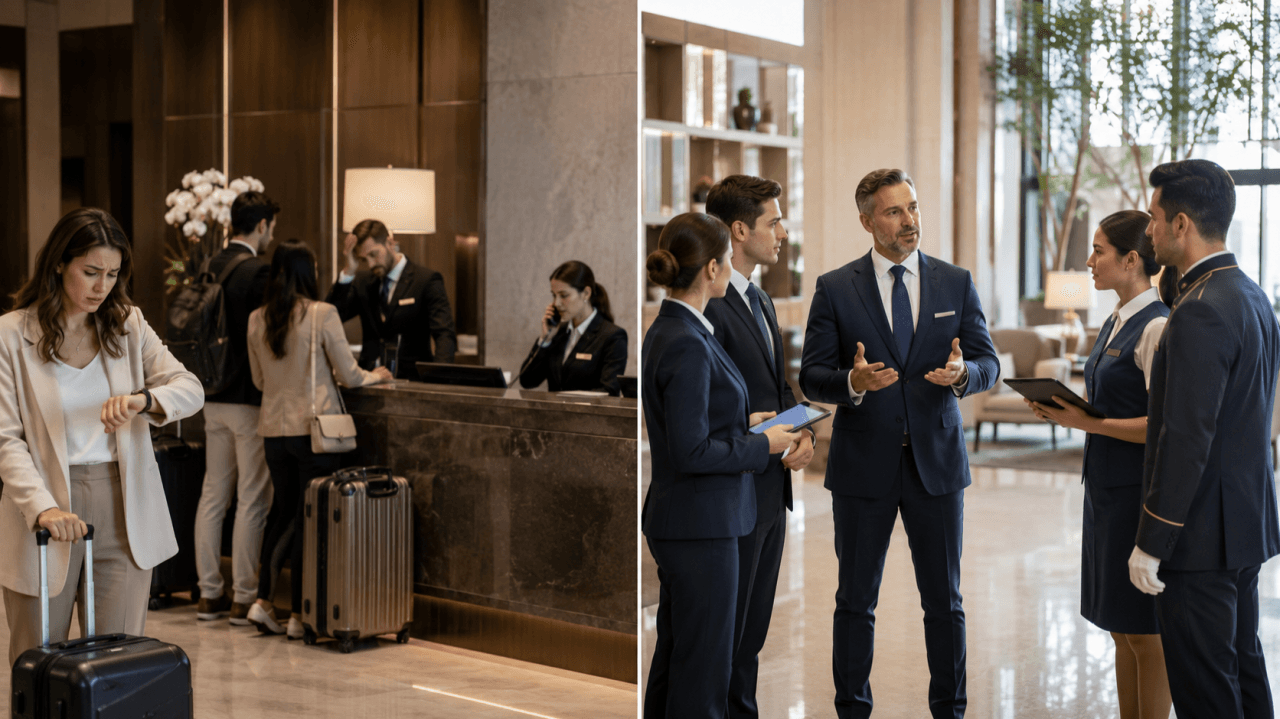
Travel has become easier, faster, and more accessible than ever. With online booking platforms, mobile check-ins, digital room keys, and standardised hotel services, travellers can now enjoy familiar conveniences in destinations around the world. However, as the hospitality industry becomes increasingly technology-driven, one important question remains: what makes a hotel stay genuinely memorable?
For many travellers, the answer goes beyond beautiful interiors, comfortable beds, or premium facilities. It is the feeling of being welcomed, understood, and valued. A personalised hotel experience transforms an ordinary overnight stay into something meaningful.
For a global hospitality brand like Marriott, creating memorable guest experiences means combining consistent service standards with thoughtful personal touches. Whether someone is travelling for business, enjoying a family holiday, or celebrating a special occasion, small details can make a significant difference.
1. Personalisation Begins Before Guests Arrive

A memorable hotel experience does not necessarily begin at the reception desk. It often starts during the booking process and continues through pre-arrival communication.
Travellers appreciate hotels that make their journey easier by providing useful information before arrival. Details about check-in times, transportation, dining options, hotel facilities, and local attractions help guests feel prepared.
Personalisation can make this process even better. For example, a business traveller may appreciate information about meeting facilities and workspace availability, while a family may prefer details about children's activities and family-friendly dining.
Hotels can make pre-arrival communication more meaningful by:
Sending relevant information based on the purpose of the visit.
Allowing guests to share room preferences in advance.
Providing clear instructions about arrival and check-in.
Highlighting suitable dining and recreational options.
Offering assistance with special requests.
These simple steps create a sense of familiarity before guests even enter the property.
2. Remembering Guest Preferences Makes a Difference
One of the strongest signs of personalised hospitality is remembering what guests like.
Imagine returning to a hotel and finding that your preferred pillow type, room temperature, or breakfast preference has already been considered. Such details may appear small, but they communicate attention and care.
Hotel brands can use guest feedback and loyalty information to understand recurring preferences. Marriott Bonvoy, for example, provides a loyalty framework through which members can engage with Marriott's portfolio of hotel brands and benefits.
However, personalisation should never feel forced. Guests should have control over the information they share and the preferences they want hotels to remember.
Some preferences hotels can consider include:
Preferred room location or floor.
Dietary requirements and food preferences.
Housekeeping preferences.
Favourite room amenities.
Accessibility requirements.
Communication preferences.
When these details are handled thoughtfully, guests are more likely to feel recognised rather than treated as another booking reference.
3. Human Hospitality Still Matters More Than Technology
Technology has changed the way hotels operate. Mobile check-in, digital room keys, automated booking confirmations, and online service requests have made hotel stays more convenient.
Yet convenience alone does not create an emotional connection.
A friendly greeting, a helpful receptionist, or a staff member who takes the time to solve a problem can have a lasting impact. Human interaction remains an essential part of hospitality because it adds warmth that automated systems cannot always reproduce.
For instance, a guest arriving after a delayed flight may appreciate a quick check-in, but a staff member offering genuine assistance with luggage or explaining available dining options can make the experience even better.
The most effective approach is to combine technology with personal service.
Technology should handle repetitive tasks and reduce waiting times, allowing hotel employees to spend more time understanding and helping guests.
4. Creating Unique Experiences Through Local Culture
Travellers increasingly look for experiences that connect them with the destinations they visit. A hotel can become more memorable when it introduces guests to the culture, traditions, food, and lifestyle of its surrounding community.
A standardised hotel room may provide familiar comfort, but local experiences add character to the stay.
For example, a hotel in India might introduce guests to regional breakfast dishes, local handicrafts, traditional music, or guided cultural experiences. A property in another country could highlight neighbourhood restaurants, local art exhibitions, and community-led activities.
Hotels can create stronger destination connections through:
Local food and seasonal menus.
Cultural events and workshops.
Recommendations for neighbourhood attractions.
Partnerships with local artists and businesses.
Sustainable tourism and community experiences.
These activities help guests expe
rience more than the hotel itself. They create memories associated with the destination.
5. Personalised Dining Makes Hotel Stays More Enjoyable

Food is an important part of the travel experience. For many guests, a satisfying breakfast, a memorable dinner, or a thoughtful dining recommendation can become one of the highlights of a hotel stay.
Personalised dining is not simply about offering an extensive menu. It involves understanding different tastes, dietary requirements, and dining habits.
For example, vegetarian guests may appreciate clearly labelled vegetarian options, while international travellers may enjoy discovering authentic regional dishes. Families might prefer flexible meal timings, while business travellers may value quick breakfast service.
Hotels can improve dining experiences by:
Providing options for different dietary needs.
Offering regional and international dishes.
Highlighting seasonal ingredients.
Remembering suitable dining preferences when guests choose to share them.
Creating flexible dining experiences for different travel schedules.
A thoughtful dining experience makes guests feel that their comfort matters beyond the bedroom.
6. Technology Makes Personalisation Easier

Digital transformation is becoming an important part of modern hospitality. Hotels can use technology to improve communication, understand preferences, and provide services more efficiently.
According to the Skift and Oracle hospitality industry research, AI-powered personalisation, customer-service automation, mobile communication, and integrated guest information are important areas shaping the future of hotel experiences.
Technology can support personalisation in several ways:
Technology | How It Improves Guest Experiences |
Mobile check-in | Reduces waiting time and offers convenience |
Digital room keys | Makes room access easier |
AI-powered recommendations | Helps suggest relevant services and activities |
Guest preference systems | Supports more consistent personalised service |
Mobile messaging | Makes communication with hotel teams easier |
Smart room controls | Allows guests to adjust their environment |
However, technology must be used responsibly. Guests should understand how their information is collected and used. Hotels must also protect personal data and avoid overwhelming travellers with unnecessary messages or recommendations.
The goal should be to make hospitality more convenient without removing its human character.
7. Small Gestures Can Create Lasting Memories
Personalisation does not always require expensive upgrades or elaborate arrangements. Sometimes, the smallest gestures create the strongest emotional connections.
A handwritten welcome note, a birthday greeting, assistance with a special request, or a favourite snack placed in the room can make a guest feel appreciated.
Consider these examples:
A family receives a thoughtful welcome arrangement for a child's birthday.
A returning guest is greeted warmly by the reception team.
A couple celebrating an anniversary receives a personalised message.
A tired business traveller gets quick assistance with check-in.
A guest with dietary restrictions receives clear and helpful dining guidance.
These experiences show that genuine hospitality is often about paying attention rather than spending more money.
8. Consistency and Personalisation Must Work Together
Global hotel brands operate across different cities, countries, and cultures. Guests often choose familiar brands because they expect dependable cleanliness, safety, service, and accommodation standards.
Consistency creates confidence, while personalisation adds individuality.
For a hospitality brand such as Marriott, the challenge is to maintain recognisable service standards while allowing individual properties to reflect their destinations and guest needs.
The following comparison explains how both elements contribute to a stronger hotel experience.
Standardised Hospitality | Personalised Hospitality |
Consistent room standards | Room preferences considered |
Uniform service procedures | Flexible support based on guest needs |
Standard dining menus | Options reflecting individual preferences |
General travel information | Relevant local recommendations |
Automated communication | Helpful, guest-specific communication |
Predictable facilities | Thoughtful additional experiences |
Neither approach should replace the other. The strongest hotel experiences combine reliability with flexibility.
9. Wellness and Comfort Are Becoming Important Priorities

Modern travellers increasingly value experiences that help them relax, recharge, and maintain their routines while travelling.
Wellness is no longer limited to luxury spa treatments. It can include comfortable sleeping arrangements, nutritious food, fitness facilities, quiet spaces, and opportunities to disconnect from everyday stress.
Hotels can make wellness more personal by considering what different guests need.
For example, a frequent business traveller may appreciate access to a gym and a quiet workspace, while a leisure traveller might prefer spa services, relaxation areas, or wellness activities.
Some ways hotels can support guest well-being include:
Comfortable bedding and peaceful room environments.
Fitness centres and recreational facilities.
Healthy dining choices.
Spa and relaxation services.
Flexible experiences suited to different schedules.
The idea is to make guests feel comfortable and refreshed throughout their stay.
10. The Future of Personalised Hotel Experiences
The future of hospitality will likely combine artificial intelligence, connected guest services, loyalty programmes, and more thoughtful human interactions.
Hotels will increasingly be expected to understand what guests need without making the experience feel overly automated. Personalised recommendations, smoother digital services, flexible room experiences, and destination-based activities will continue to influence guest expectations.
Marriott and other international hospitality brands operate in an environment where travellers can compare accommodation options instantly. This makes the quality of the overall experience an important part of building long-term relationships.
However, personalisation must remain genuine. Remembering a guest's preferences is valuable, but respecting privacy and giving guests choices are equally important.
The hotels that stand out will not necessarily be those offering the most technology or the largest number of facilities. They will be the ones that use their resources to make every interaction more thoughtful.
Why Personalisation Matters in Modern Hospitality

A hotel stay is more than a temporary place to sleep. It can be an important part of a holiday, a business trip, a family celebration, or a personal journey.
When guests feel recognised and appreciated, they are more likely to develop positive memories of their experience. Personalised service can also encourage repeat visits, strengthen loyalty, and create positive recommendations.
For Marriott, the broader hospitality opportunity lies in combining global service consistency with experiences that reflect individual guests and local destinations.
Ultimately, the most memorable hotel experiences are not always defined by luxury or price. They are defined by how guests feel during their stay.
FAQ'S
Remembering guest preferences, offering thoughtful service, providing relevant recommendations, and recognising special occasions make a hotel experience feel personal.
Technology helps hotels understand guest preferences, simplify check-in, improve communication, and recommend relevant services.
Friendly and helpful staff create emotional connections, solve problems, and make guests feel genuinely welcomed.
Hotels can introduce local culture, regional cuisine, customised activities, wellness options, and personalised welcome arrangements.
Marriott offers a diverse portfolio of hotel brands and a loyalty ecosystem through Marriott Bonvoy, supporting different travel preferences and guest experiences.
Sources and notes
Links the author listed for this post.
- Marriott International – Official Website. - Marriott Bonvoy – Loyalty Programme. - Skift and Oracle – Hospitality in 2025 Report. - Five Trends Every Hotel Leader Needs to Watch in 2026. - Adyen – Hospitality Trends in 2025.
More on AltFTool
- AltFTool (opens in a new tab)
altftool.com


Discussion
0 comments