There is a specific kind of quiet magic that happens when you sit down with a good puzzle. You start with a mess—a pile of cardboard pieces, a scrambled grid of numbers, a jumble of letters, or a seemingly impossible room—and bit by bit, you bring order to it. You might drop in for five minutes to clear a quick match on your phone, get absorbed for half an hour untangling a sticky logic loop, or find yourself awake at 1 AM because you swear you are just one move away from the breakthrough.
Unlike fast-paced action titles or hyper-competitive multiplayer games, puzzle games rarely demand lightning-fast reflexes, complex button combinations, or hours of non-stop adrenaline. Instead, they hand you a problem, step back, and give your brain something genuinely interesting to chew on.
That basic appeal makes the genre welcoming to virtually everyone. Young kids get to test their spatial skills by sorting vibrant shapes. Busy adults turn to word crosswords and grid teasers to decompress during a lunch break. Families gather around a living room table to piece together a thousand-piece landscape or trade answers in a lively trivia battle. Whatever your age or routine, there is almost certainly a puzzle format that matches your exact mood.
The Pure Satisfaction of the "Aha!" Moment
At its core, every puzzle game rests on a simple dynamic: present a clear obstacle and trust the player to figure it out. That challenge might mean organizing objects by color, identifying a subtle visual pattern, memorizing a sequence, building a word, navigating a maze, or setting off a chain reaction.
The real spark comes from the moment of discovery. You can stare at a single board for ten frustrating minutes, entirely convinced the game is broken or that you have hit a dead end. Then, you notice one small detail you previously overlooked. Everything suddenly shifts into focus, the solution becomes glaringly obvious, and a wave of pure satisfaction washes over you. That instant—when total confusion transforms into complete clarity—is the secret sauce that keeps us coming back for more.
Puzzle games are also wonderfully approachable. The rules are often simple enough to learn in ten seconds, but the depth comes entirely from how those rules interact. You do not need to memorize complicated instruction manuals; you just need to start thinking.
Exploring the Top Puzzle Categories
Because the genre is so broad, there is no single best puzzle game. The right choice depends on whether you want to unwind, test your mental limits, or share a fun evening with friends.
Match-3 Games
Match-3 puzzles are the undisputed kings of casual gaming. The premise could not be simpler: align three or more identical tiles to clear them from the board. But as you progress, designers layer in clever twists—moving blockades, strict move limits, explosive combo pieces, and uneven board shapes. They are built for short, satisfying bursts of play while you wait for a bus, take a quick break from work, or wind down before bed.
Word Puzzles
For lovers of language, word games offer an endless playground. From traditional crosswords and anagrams to modern daily word-guessing games, these challenges rely on vocabulary, lateral thinking, and pattern recognition. A quick word challenge fits seamlessly into a morning coffee routine, while a dense, high-level crossword can offer a deeply engaging mental workout that spans several hours.
Logic Games
Logic puzzles are made for those who love deep, methodical problem-solving. These games ask you to examine clues, recognize underlying structures, eliminate options, and work your way toward a singular truth. Sudoku is the famous poster child here, but the subgenre includes everything from picross grids to intricate spatial reasoning problems. Guessing rarely pays off; progress comes from patient observation and careful deduction.
Number Puzzles
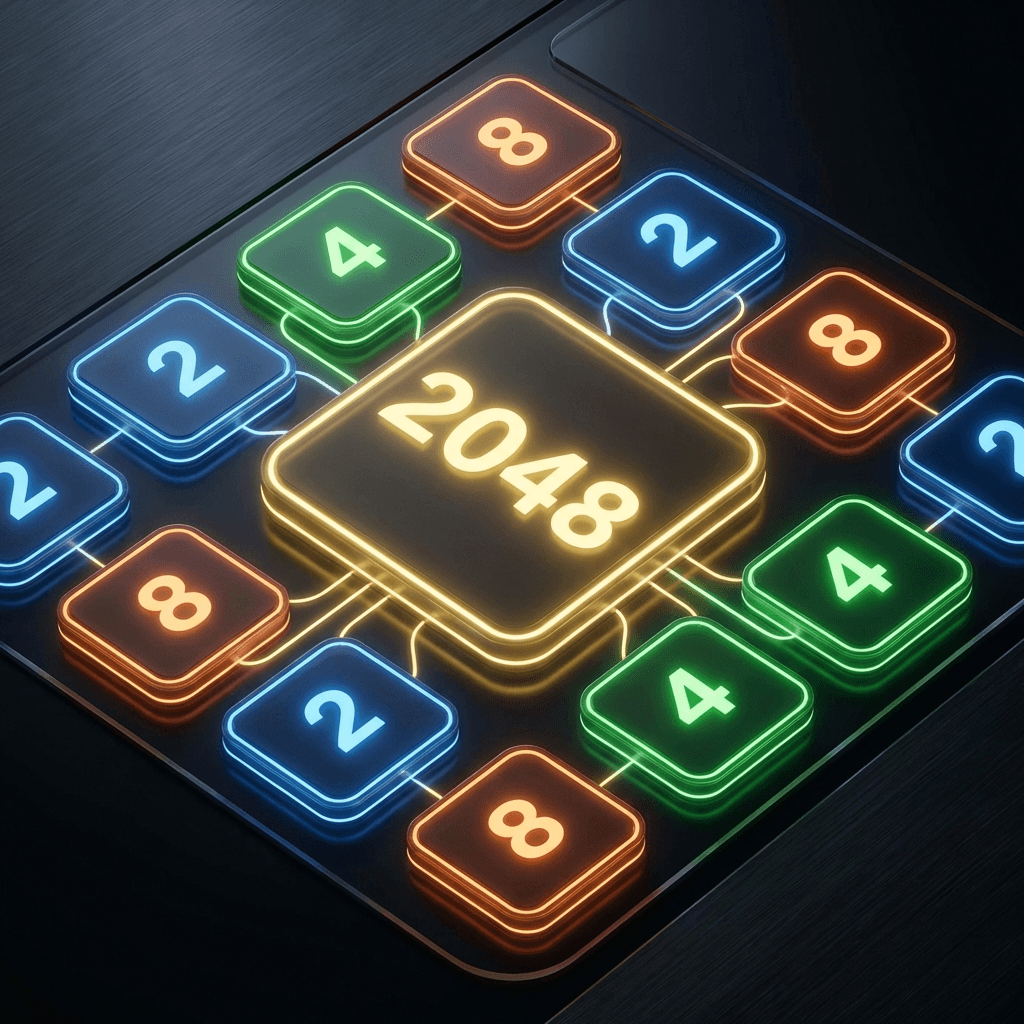
Numbers do not have to feel like high school algebra. Number-based puzzles transform calculations, sequences, and basic math into surprisingly fun challenges. Modern number games might ask you to slide values together, match hidden sequences, or reach a target figure using a strict combination of moves. They naturally appeal to math fans, but they are designed so intuitively that almost anyone can enjoy them.
Jigsaw Puzzles
If you want to slow the world down, jigsaw puzzles offer the ultimate chill experience. There are no countdown timers, no failing conditions, and no pressure. You simply pick up a piece, look for matching textures or edge lines, and watch a picture slowly come together. Digital jigsaws bring this experience to tablets and phones, but setting up a physical board puzzle on a weekend remains one of the most relaxing ways to spend a quiet evening.
Maze and Path Puzzles
Maze games turn spatial navigation into a art form. Beyond simply getting from point A to point B, path puzzles often incorporate locked doors, pressure plates, shifting walls, and patrolling hazards. They are ideal for players who like the feeling of exploring a physical space while still keeping problem-solving at the center of the journey.
Physics-Based Puzzles
Physics games encourage wild trial and error. You might be asked to build a makeshift bridge, manipulate gravity, direct light beams with mirrors, or knock over a series of structures using momentum. Because there is often more than one way to clear a stage, these games celebrate creative thinking as much as precise logic. Trying a crazy idea, watching it fail in a funny way, adjusting your setup, and finally seeing it work is incredibly rewarding.
Cooperative Puzzles
Solving a puzzle by yourself is great, but sharing the workload with a partner changes the dynamic entirely. Cooperative puzzle games force two players to communicate constantly, share clues, and coordinate their movements in real time. They are fantastic for couples, friends, and families—and they often reveal just how differently two people can look at the exact same problem.
Finding the Right Game for You
With so many styles available, picking your next game comes down to your current state of mind:
To relax after a long day: Reach for jigsaws, casual match-3s, or soft environmental puzzles.
For a genuine brain workout: Dive into deep logic grids, deduction games, or complex strategy puzzles.
To play with others: Grab a trivia board game or a dedicated co-op adventure.
For quick five-minute breaks: Mobile word games or daily tile-matching puzzles are your best friend.
A Few Simple Strategies to Improve Your Play
You do not need to be a certified genius to get better at puzzle games. Developing a few simple habits can completely change how you approach tough levels:
Slow down: Rushing leads to careless mistakes. Take ten seconds to look at the whole layout before you make your first move.
Scan for patterns: Puzzle creators love using symmetry, repeating cycles, and visual cues. Keep an eye out for recurring themes.
Lock in the guarantees: Solve the easiest, most obvious parts of the puzzle first. Eliminating the clutter makes the harder sections far easier to read.
Learn from the fails: A failed attempt is not wasted time—it gives you fresh data about what doesn't work.
Step away: When you hit a wall, walk away. Grab a glass of water, do something else, and come back later. Your brain continues to process the problem in the background, and the solution will often jump out at you the second you return.
At the end of the day, puzzle games endure because they offer something clean, fair, and deeply fulfilling. In a world full of noise, they give us a manageable little world where everything can be solved if we just look at it from the right angle.
The best puzzle game depends on the type of challenge you enjoy. Match-3 games are great for quick sessions, while logic, word, number, strategy, and jigsaw puzzles offer different levels of challenge.
Yes. Age-appropriate puzzle games can give children opportunities to practice problem-solving, pattern recognition, memory, and logical thinking while keeping the experience entertaining.
Adults can choose from word games, Sudoku-style logic puzzles, jigsaws, strategy puzzles, trivia, number games, and more challenging deduction games.
No. Puzzle games are available on mobile phones, tablets, PCs, consoles, browsers, and as physical board and tabletop games.
Matching games, simple jigsaw puzzles, basic word games, memory games, and beginner-friendly maze puzzles are good starting points.
Who should use Games
The Best Puzzle Games to Play: Fun Challenges for Every Age is built for players who want a quick browser game with clear rules and short practice loops. The main goal is focus, timing, decision-making, and repeatable play sessions, so the guide focuses on practical choices instead of broad theory.
Use it when you need one of these outcomes:
- short focus breaks between work sessions
- logic or reflex practice without installing an app
- quick challenges that are easy to restart and improve
How to get a better result
- Read the basic objective before starting your first run.
- Play one short round to understand movement, timing, and scoring.
- Replay with one improvement target, such as fewer mistakes or a higher score.
- Use related game guides when you want a different pace or challenge style.
Start small, check the first output, and only then repeat the workflow with the full file, text, media, or game session. That gives you a quick quality check before you spend more time.
Quality checks before you trust the output
- controls feel responsive on desktop and mobile
- difficulty increases in a way that still feels fair
- the goal is clear before the first round starts
Do not judge the game from a single failed round. Fast games reward rhythm, while puzzle games reward slower scanning and planning.
Continue your workflow
If you want to try the workflow now, open the related AltFTool tool area. For more reading, continue through the Games archive or the AltFTool game and puzzle topic cluster.
This creates a cleaner path from explanation to action: read the guide, test the tool, compare the output, and move into the next related AltFTool resource only when it helps the task.
Sources and review notes
References used to check facts, freshness, and reader-safe recommendations in this guide.
Based on general gaming knowledge covering puzzle game types, player preferences, casual and competitive play, family gaming, mobile games, and common puzzle-solving strategies.
- 1AltFTool https://www.altftool.com/
altftool.com

Discussion
0 comments
No comments yet
Discussion will appear here once it loads.