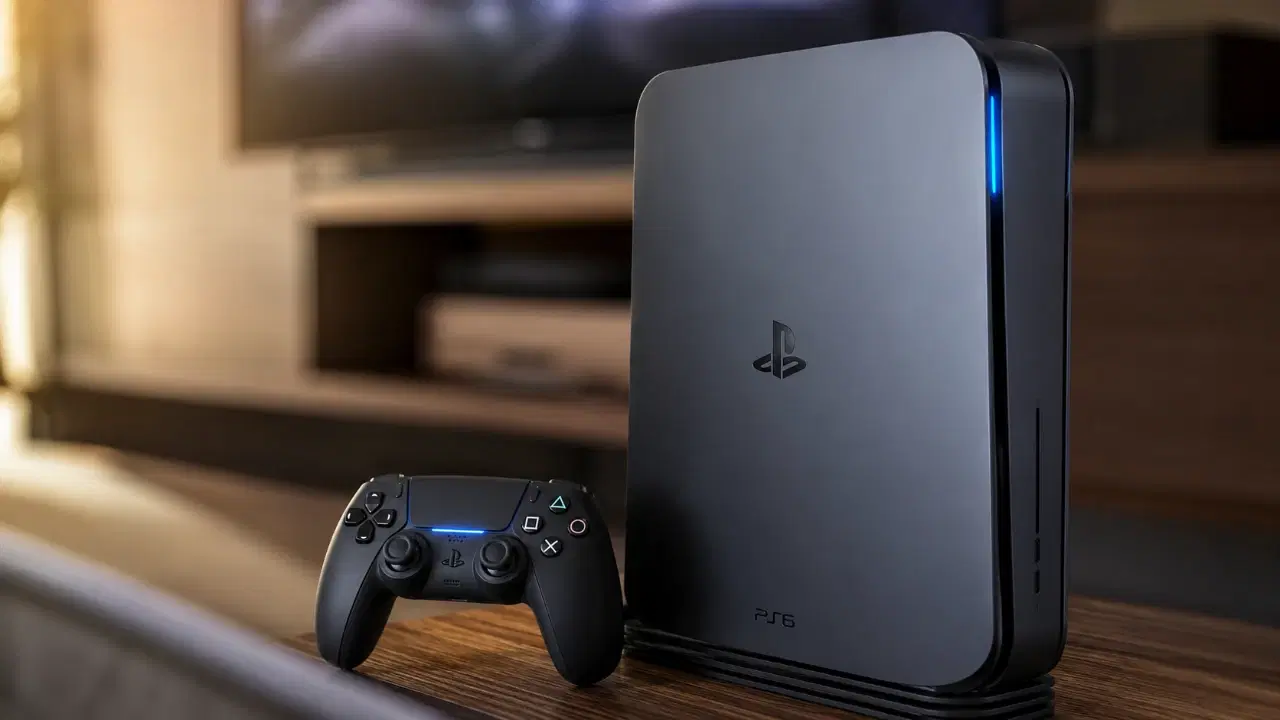
The gaming industry is already looking ahead to the next generation of PlayStation consoles, and the PlayStation 6 (PS6) is becoming one of the most anticipated gaming products. Following the success of the PlayStation 5 and PlayStation 5 Pro, expectations for Sony's next-generation console are naturally high. Gamers are hoping for better graphics, faster loading speeds, improved artificial intelligence, more realistic gameplay, and an entirely new gaming experience.
Although Sony has not officially revealed the PS6, discussions about its potential release date, hardware specifications, pricing, and upcoming features continue to attract attention. Technology enthusiasts and gaming communities are particularly interested in whether the console will arrive in 2027 or whether its launch could move to 2028 or later.
Stay updated with the latest technology trends, gaming news, software reviews, and useful digital tools by exploring more informative guides on AltfTool.
The next PlayStation console is expected to introduce significant improvements in processing power, visual performance, storage technology, and gaming experiences. However, these expectations should be separated from confirmed announcements because most currently circulating specifications are based on industry predictions and unverified reports.
This guide explores the expected PS6 release date, possible features, hardware improvements, estimated price, gaming capabilities, and everything players should know about Sony's upcoming console.
PS6 Release Date: When Is the PlayStation 6 Expected to Launch?
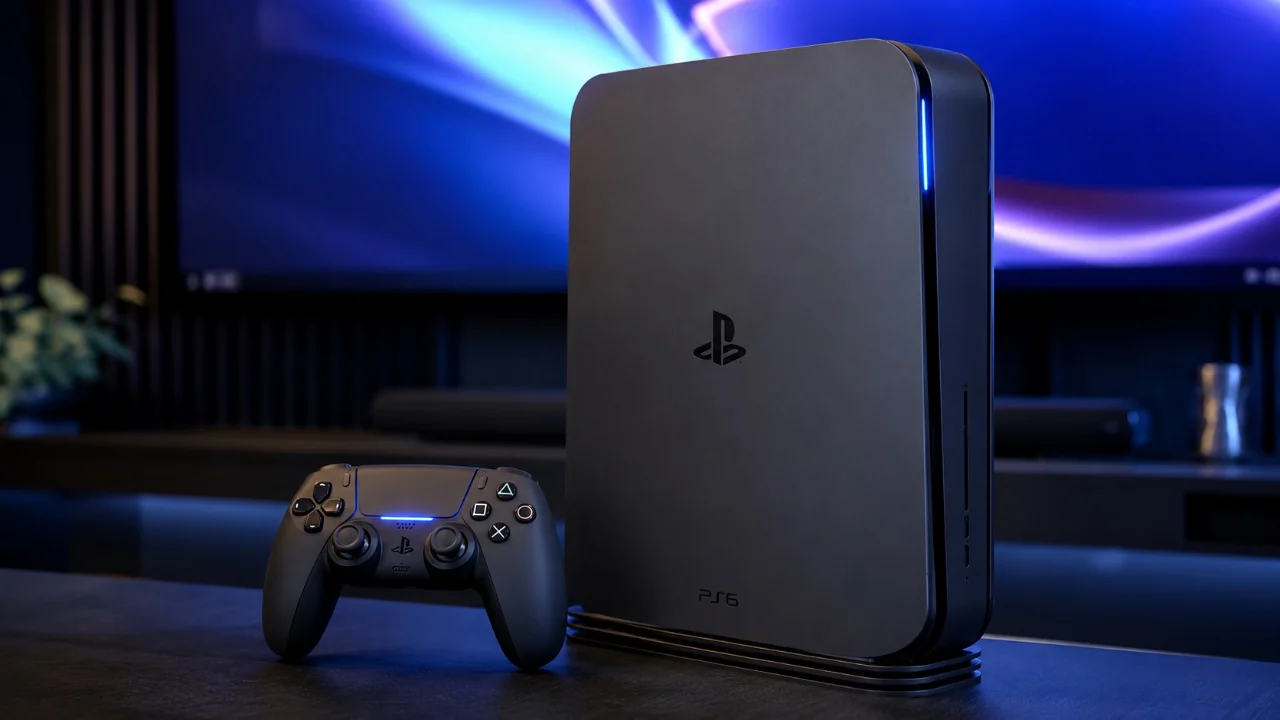
One of the biggest questions among PlayStation fans is when Sony will officially introduce the PlayStation 6. The PlayStation 5 launched in November 2020, while the PlayStation 4 arrived in 2013. Based on the release pattern of previous generations, many industry observers initially expected the next console to arrive around 2027.
However, the situation has become less predictable because of increasing hardware manufacturing costs and shortages of important components, particularly memory.
Sony CEO Hiroki Totoki has indicated that the company has not yet decided the launch timing or pricing of its next-generation console. The company is monitoring market conditions and component availability before making important hardware decisions.
Some industry analysts now expect a late 2028 launch, while earlier predictions suggested 2027. Neither timeline represents an officially confirmed release date.
The final launch schedule may depend on several factors:
Availability and pricing of advanced memory components.
Manufacturing costs and production capacity.
Development of next-generation processors.
Market demand for premium gaming hardware.
Competition from future gaming platforms.
Sony's long-term PlayStation business strategy.
For gamers, this means waiting for an official announcement rather than relying entirely on rumours.
Why Could Sony Delay the PS6 Launch?
Several factors could influence the PlayStation 6 launch schedule. Developing a new gaming console requires years of engineering, testing, manufacturing preparation, and software development.
One of the biggest challenges currently facing the technology industry is the rising demand for memory components. Artificial intelligence infrastructure, data centres, computers, and gaming devices all require advanced memory technology. This growing demand can affect component availability and manufacturing costs.
If memory prices remain high, producing a powerful gaming console at an affordable price could become difficult for Sony.
Another important consideration is the existing PlayStation 5 ecosystem. Millions of players continue to purchase games, subscriptions, and accessories for the current generation. Sony must consider how quickly customers are ready to move towards a new console.
The company also needs to ensure that the PS6 offers enough improvements to justify an upgrade.
Possible Challenge | Why It Matters | Potential Impact | Expected Consideration |
|---|---|---|---|
Memory shortages | Advanced consoles require high-performance memory | Higher manufacturing costs | Component availability |
Processor development | More powerful hardware requires advanced chips | Longer development cycles | Performance testing |
Production expenses | Premium components increase costs | Higher retail pricing | Manufacturing efficiency |
Market demand | Customers must see value in upgrading | Launch timing may change | Consumer interest |
Software development | New hardware needs compatible games | More preparation time | Developer support |
These factors do not guarantee a delay, but they explain why predicting an exact PS6 launch date remains difficult.
Expected PS6 Features and Hardware Improvements
The PlayStation 6 is expected to introduce major hardware improvements compared with the PS5. Although Sony has not published official specifications, the next-generation console will likely focus on delivering better performance, more detailed graphics, faster processing, and improved gaming technology.
Players increasingly expect games to look realistic while maintaining smooth performance. Therefore, Sony may focus on technologies that improve both visual quality and responsiveness.
Advanced Graphics and Realistic Visuals
Graphics will likely be one of the most important improvements in the PlayStation 6. Modern games already offer detailed environments, realistic lighting, high-quality character models, and advanced visual effects.
The next generation could take these capabilities further through improved graphics processing and more advanced rendering techniques.
Possible improvements may include:
More realistic character movements and facial expressions.
Detailed environmental textures.
Improved lighting and shadow effects.
Better reflections and water simulations.
More realistic weather conditions.
Greater environmental detail in open-world games.
Advanced rendering technology could also help developers create more immersive gaming environments without compromising performance.
Improved Ray Tracing Technology
Ray tracing is an important graphics technology that simulates how light interacts with objects and surfaces. It can create realistic reflections, shadows, and lighting effects.
The PS5 already supports ray tracing in selected games, but demanding visual effects can affect performance.
The PS6 could feature significantly improved ray tracing capabilities through more powerful hardware. This may allow developers to introduce realistic lighting across larger gaming environments.
For example, racing games could display more natural reflections on vehicles, while adventure games could feature more realistic lighting inside buildings, caves, and outdoor environments.
However, the exact ray tracing performance of the PS6 remains unknown.
What changed
Faster Loading and Better Storage
Storage performance is another area where Sony could introduce improvements.
The PlayStation 5 uses a high-speed SSD that significantly reduces loading times compared with older consoles. The PS6 could build upon this technology with faster storage systems and improved data management.
Potential benefits include:
Shorter game loading times.
Faster transitions between gaming environments.
More detailed open-world locations.
Reduced waiting during gameplay.
Improved installation and update management.
These improvements could make large gaming worlds feel more connected and responsive.
Next-Generation Processor and GPU
The processor and graphics processing unit will play an important role in determining the overall performance of the PS6.
Sony is expected to continue its partnership with AMD for next-generation gaming hardware, although the final processor architecture and specifications have not been officially announced.
A more powerful processor could support improved artificial intelligence, realistic physics, advanced character behaviour, and larger interactive environments.
Meanwhile, an upgraded GPU could provide better graphical performance and support more demanding visual effects.
Together, these improvements could help developers create more complex games.
PS6 Expected Price: How Much Could It Cost?
The expected price of the PlayStation 6 is another major topic among gamers. Although Sony has not announced an official price, many players expect the next-generation console to cost more than the original PS5 launch price.
Modern gaming hardware is becoming increasingly expensive because of advanced processors, memory, storage, graphics technology, and manufacturing requirements.
The PS5 Pro has also demonstrated that Sony is willing to introduce premium gaming hardware at a higher price point.
Some early industry discussions suggested a price between $599 and $699. However, more recent speculation has raised concerns that increasing component costs could push the next console into a much higher price category.
These figures are estimates rather than confirmed retail prices.
Pricing Category | Estimated Price | Possible Positioning | Availability |
|---|---|---|---|
Lower-cost model | $599 | More affordable configuration | Unconfirmed |
Standard PS6 | $699 | Mainstream next-generation console | Unconfirmed |
Premium configuration | $799 | Higher-end hardware option | Unconfirmed |
High-cost scenario | $999 or more | Premium pricing under expensive component conditions | Speculative |
The final price could vary depending on the console configuration, regional taxes, currency exchange rates, and manufacturing expenses.
Expected PS6 Price in India
Indian gamers will also be interested in the expected PlayStation 6 price. The Indian retail price could be higher than the direct conversion of its international price because of import duties, taxes, distribution expenses, and currency fluctuations.
If Sony introduces the console at a premium international price, the Indian market could also receive a comparatively expensive launch configuration.
However, it is too early to provide a reliable Indian retail estimate.
Customers should also consider that the cost of gaming does not end with purchasing the console. Games, subscriptions, additional controllers, headsets, and storage accessories may increase the overall investment.
PS6 Design: What Could the Next Console Look Like?
Sony has not revealed the physical design of the PlayStation 6. However, the company may continue developing the distinctive PlayStation design language while introducing improvements in size, cooling, and internal hardware arrangement.
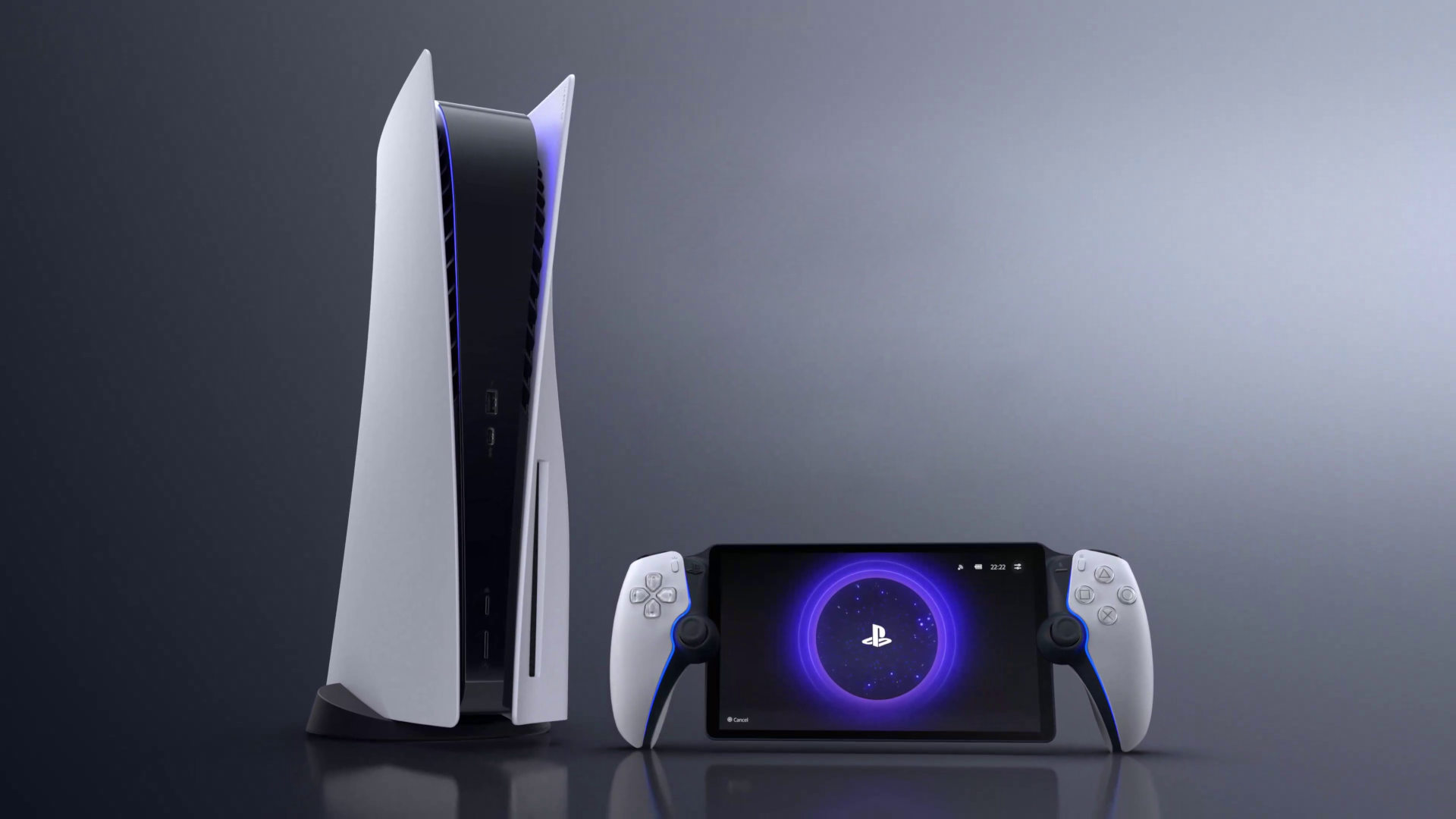
The PS5 features a large, futuristic design with curved panels and a prominent central structure. The PS5 Slim introduced a more compact alternative, demonstrating that Sony can modify its console design while maintaining its familiar identity.
The PS6 could follow a similar approach.Possible design improvements include:
A more compact internal hardware layout.
Improved ventilation and cooling.
Reduced fan noise.
A cleaner exterior design.
Better cable management.
Easier access to storage expansion.
Cooling will be especially important because more powerful processors and graphics systems can generate additional heat.
Sony may therefore focus on improving airflow and thermal management to maintain stable performance during extended gaming sessions.
Will PS6 Support 4K, 8K and Higher Frame Rates?
Display performance will likely remain an important part of the next-generation PlayStation experience.
The PS5 already supports 4K gaming in compatible titles, with selected games offering high refresh-rate modes. The PS6 could improve these capabilities through more powerful graphics hardware.
Gamers may expect smoother gameplay, improved resolution, and better visual consistency.
Potential display improvements include:
More stable 4K gaming performance.
Better support for high refresh rates.
Improved image quality through AI-based upscaling.
More advanced visual rendering.
Potential support for selected 8K experiences.
However, 8K gaming should not be treated as a guaranteed feature. Rendering demanding games at extremely high resolutions requires substantial processing power.
Sony may instead focus on delivering a balanced combination of image quality, frame rates, and graphical detail.
AI Technology Could Transform PS6 Gaming
Artificial intelligence is becoming increasingly important in gaming. Developers are exploring ways to use AI for graphics enhancement, character behaviour, environmental interactions, and performance optimisation.
The PS6 could benefit from more advanced AI-powered hardware and software features.
One possible application is AI-based image upscaling. This technology can help games produce sharper images without requiring every frame to be rendered at the highest native resolution.
AI could also improve non-player characters by making their behaviour more responsive and realistic.
For example, characters in an adventure game could react differently depending on the player's actions. Opponents in action games might demonstrate more adaptive strategies, creating more challenging experiences.
Other possible applications include:
Intelligent graphics optimisation.
More realistic character animations.
Improved voice interaction.
Dynamic environmental behaviour.
Faster game development workflows.
Better accessibility features.
These possibilities could make gaming more immersive, although the actual PS6 AI capabilities remain unconfirmed.
PS6 Controller: What Improvements Can Players Expect?
The DualSense controller introduced several important features with the PlayStation 5, including adaptive triggers and haptic feedback.
These features allow players to experience different physical sensations depending on the actions taking place inside a game.
The next PlayStation controller could improve this technology with more responsive feedback, better battery performance, and additional customisation options.
Possible controller improvements include:
More precise haptic feedback.
Improved adaptive trigger technology.
Longer battery life.
Better wireless connectivity.
Enhanced motion controls.
More comfortable ergonomic design.
For example, a racing game could provide more detailed feedback when driving across different road surfaces. Similarly, action games could use advanced trigger resistance to create more realistic weapon interactions.
Sony may also explore additional accessibility features to make gaming easier for players with different physical requirements.
PS6 Games: Which Titles Could Arrive on the New Console?
Games will ultimately determine how attractive the PlayStation 6 becomes. Even powerful hardware needs a strong collection of titles to encourage customers to upgrade.
Sony is known for its first-party gaming franchises, while third-party developers contribute a wide selection of action, adventure, sports, racing, and multiplayer games.
The PS6 could introduce new entries in popular franchises alongside completely new gaming experiences.
Some existing PlayStation franchises that players may hope to see continue include:
Marvel's Spider-Man.
God of War.
Horizon.
Gran Turismo.
The Last of Us.
Ghost of Tsushima and related projects.
These titles should be viewed as possible future franchise developments rather than confirmed PS6 launch games.
New games developed specifically for the next generation could also take advantage of more powerful hardware.
Developers may create larger environments, more realistic physics, advanced artificial intelligence, and improved multiplayer experiences.
The availability of launch titles will be particularly important because an impressive console launch needs games that demonstrate why the new hardware is worth purchasing.
PS6 Backward Compatibility: Will It Support PS5 Games?
Backward compatibility is another feature that many PlayStation users will expect.
The PlayStation 5 supports most PS4 games, allowing customers to continue enjoying a large collection of existing titles after upgrading.
Sony could maintain this approach with the PS6 by offering compatibility with PS5 games.
If implemented, this feature would provide several advantages:
Players could continue their existing gaming collections.
Digital game purchases could retain their value.
Users would have access to a larger gaming library.
Developers could support different PlayStation generations.
Customers could upgrade without abandoning familiar titles.
However, Sony has not officially confirmed the PS6 backward compatibility policy.
The company may also introduce performance enhancements for selected older games, potentially improving loading speeds, resolution, or frame rates.
Such improvements would make the transition between console generations more convenient.
PS6 Digital Edition or Disc Drive: What Could Sony Choose?
The gaming industry is gradually moving towards digital distribution. Many players purchase games directly through online stores rather than buying physical discs.
Sony already offers digital-only PlayStation hardware, while its newer console configurations demonstrate flexibility around disc-drive availability.
The PS6 could continue this trend by offering a digital-first model or an optional disc-drive configuration.
A digital-only console may help Sony reduce certain hardware costs and simplify its product design. However, physical game collections remain important to many players.
A flexible approach could provide customers with more purchasing choices.
Possible Configuration | Main Advantage | Potential Limitation | Target Audience |
|---|---|---|---|
Digital Edition | Convenient online purchases | Requires digital game access | Digital gamers |
Disc Edition | Supports physical games | Additional hardware cost | Disc collectors |
Optional Disc Drive | Flexible configuration | Extra purchase may be required | Mixed-format gamers |
Premium Edition | Additional hardware capabilities | Higher expected price | Enthusiasts |
The final configuration will depend on Sony's hardware strategy and the changing preferences of PlayStation customers.
PS6 vs PS5: What Could Be the Biggest Differences?
The PlayStation 6 is expected to provide improvements across several important areas. However, the actual performance difference will only become clear when Sony announces the hardware specifications.
The following table highlights the areas where gamers may notice the biggest changes.
Feature | PlayStation 5 | Expected PlayStation 6 |
|---|---|---|
Graphics | Advanced 4K gaming | Improved rendering and visual quality |
Processing | Custom AMD architecture | New-generation processor |
Storage | High-speed SSD | Potentially faster storage |
Ray Tracing | Supported in selected games | More advanced ray tracing |
AI Features | Limited gaming applications | Potentially expanded AI capabilities |
Gaming Experience | Current-generation gameplay | More detailed and immersive worlds |
These comparisons describe expected technological progress rather than confirmed specifications.
Should You Buy a PS5 or Wait for the PS6?
Gamers considering a new PlayStation console may wonder whether they should purchase a PS5 now or wait for the next generation.
The right decision depends on gaming preferences, budget, and how urgently someone wants to upgrade.
Buying a PS5 can make sense for players who want access to current games, established hardware, and a large existing gaming library.
On the other hand, gamers who already own a PS5 may prefer to continue using it while waiting for Sony to reveal more information about the PS6.
Consider these points before making a decision:
Buy a PS5 if: You want to start playing current-generation games immediately.
Consider a PS5 Pro if: You prefer stronger graphics performance within the existing generation.
Wait for the PS6 if: You are interested in next-generation hardware and do not need a new console immediately.
Compare future prices if: Your purchasing decision depends heavily on budget.
There is no reason to upgrade simply because a new generation is approaching. The PS5 is expected to remain relevant until Sony officially transitions to its next gaming platform.
What to Expect From Sony's Next-Generation Gaming Strategy
The PS6 will be more than a hardware upgrade if Sony successfully connects advanced technology with a stronger gaming ecosystem.
Modern gaming is no longer limited to console specifications. Digital game libraries, multiplayer communities, subscription services, cloud technology, and cross-platform experiences are also important.
Sony may continue improving its PlayStation ecosystem through better online services, enhanced social features, and more flexible ways to access games.
FAQ's
The PS6 does not have an officially confirmed release date. Industry expectations suggest a possible launch around 2028 or later, although the final timeline depends on Sony's plans and hardware availability.
The PS6 price has not been announced. Early estimates suggest a possible starting price of $599 to $699, but increasing hardware costs could influence the final retail price.
The PS6 could feature improved graphics, advanced ray tracing, faster storage, AI-powered enhancements, better processing performance, and more realistic gaming environments.
Backward compatibility with PS5 games is expected to be an important consideration. However, Sony has not officially confirmed whether the PS6 will support existing PS5 titles.
It depends on your gaming needs and budget. Players who want to enjoy current-generation games can consider the PS5, while those interested in next-generation technology may prefer waiting for official PS6 announcements.
Sources and notes
Links the author listed for this post.
This article is based on publicly available PlayStation industry information, historical console release patterns, technology trends, and reported industry rumours. PS6 release dates, pricing, features, and specifications are speculative and have not been officially confirmed by Sony.
More on AltFTool
- AltFTool (opens in a new tab)
altftool.com

Discussion
0 comments
No comments yet
Discussion will appear here once it loads.